 Salad Near Me in the West Village: Westville's Market-Table Vegetables
Back To School
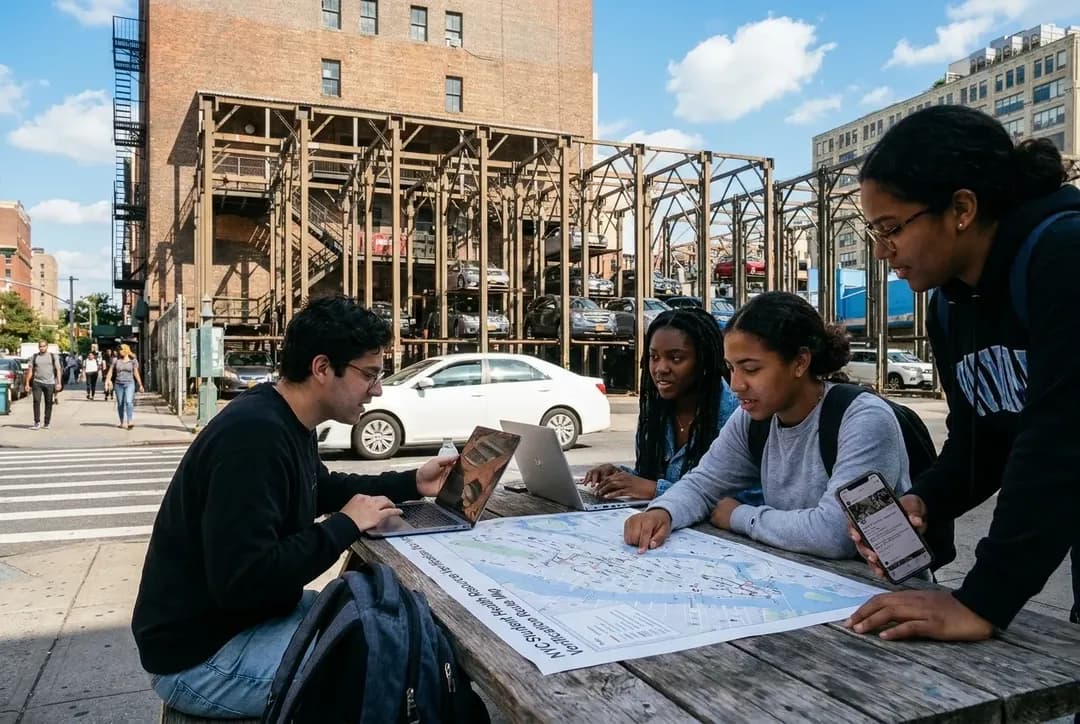
Deadly Fungus Outbreak Context: NYC Student Health Resource Verification Route Map
Navigating verified health information channels helps college students separate credible outbreak alerts from viral misinformation. Campus resources and city briefings provide the evidence-based context group chats often lack.
When headlines about a deadly fungus outbreak circulate through social media and group chats, college students face a familiar dilemma: how to assess the actual risk without amplifying speculation. Weekday mornings on campus often begin with study partners comparing conflicting information from different sources, unsure which alerts warrant attention and which represent distorted interpretations of distant events. This verification route connects Columbia health center resources with public library health literacy programs and city epidemiology briefings, creating a research pathway for students who need credible information before contributing to conversations that shape peer understanding. The process requires medium-level effort—more than a quick search but less than formal academic research—and suits students willing to invest time in distinguishing evidence-based alerts from viral content designed primarily for engagement.
Text Karpo your campus, your next free morning block, and whether you prefer library or health center environments—we'll map the nearest official health briefing access point, one peer-reviewed database terminal, and a quiet cafe backup where you can finish your research without distractions.
Campus Health Centers as First Verification Points
University health centers maintain updated information on public health alerts relevant to student populations, filtering citywide and national advisories through the lens of campus-specific risk. Staff can clarify whether a reported outbreak affects local communities, explain transmission mechanisms that determine actual exposure likelihood, and distinguish between emerging threats requiring behavioral changes versus distant situations being monitored. Students researching with study partners benefit from visiting together, since hearing explanations simultaneously reduces the telephone-game distortion that occurs when one person relays technical information to others later. The tradeoff involves limited walk-in hours at many campus facilities, meaning weekday morning visits may require checking availability in advance rather than assuming immediate access.
These centers also provide context that social media posts typically omit—the difference between case counts in controlled settings versus community spread, the distinction between infection rates and severity outcomes, and the gap between preliminary research findings and established clinical guidance. For students accustomed to instant answers, this verification step introduces necessary friction: the pause required to consult professionals who review information against established epidemiological standards rather than algorithmic popularity. The approach works best for students who recognize that their role in group chats carries responsibility, since shared misinformation can trigger unnecessary anxiety or dangerous complacency depending on the distortion direction.
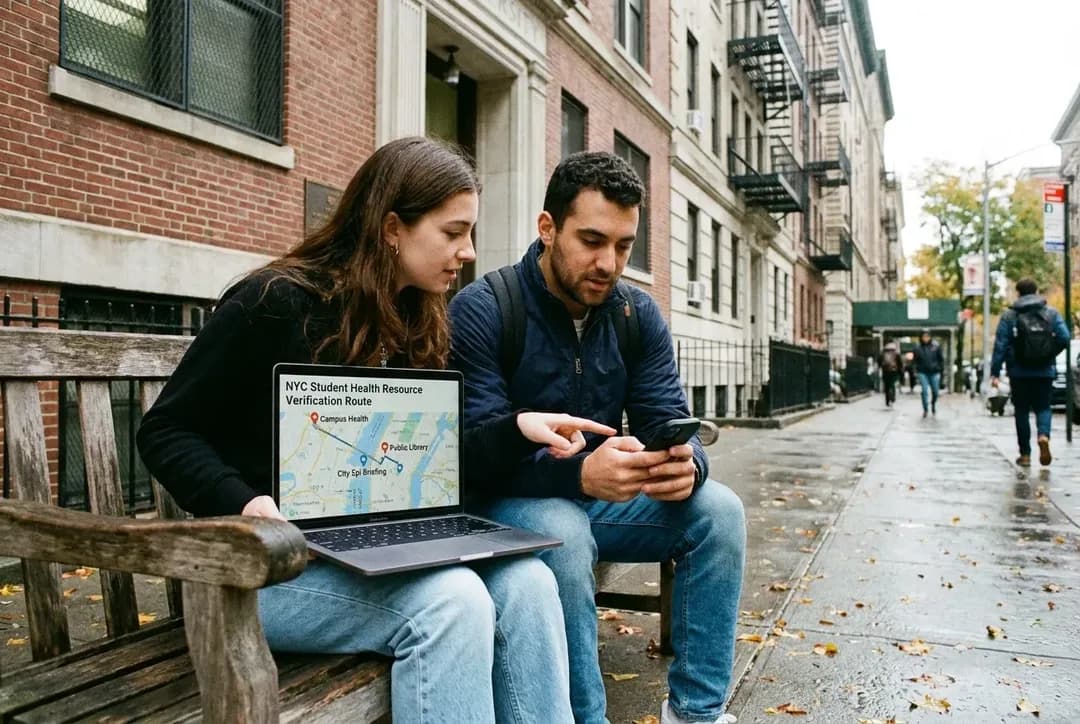
Public Library Health Literacy Workshops
New York Public Library branches periodically offer workshops on evaluating health information sources, teaching practical skills for assessing website credibility, understanding statistical claims, and recognizing common misinformation patterns. These sessions address the specific challenges of outbreak reporting: how preliminary scientific studies get misrepresented in headlines, why case numbers without population context mislead, and how to trace information back to original public health sources. Students attending with study partners can practice verification techniques on real examples, developing shared standards for what constitutes reliable information before returning to their usual research habits. The limitation involves workshop scheduling—these programs don't run continuously, requiring students to plan around available dates rather than accessing instruction on-demand.
The library setting offers advantages beyond the workshop content itself. Reference librarians can guide students toward government health databases, peer-reviewed journal access, and historical outbreak archives that provide comparison context for current alerts. This research pathway differs from campus health center consultations by emphasizing information evaluation skills over specific medical guidance—teaching students how to fish rather than providing particular facts. For group chat participants who frequently share health news, these literacy skills reduce the likelihood of amplifying misleading content while increasing ability to contribute genuinely useful clarifications when peers circulate questionable claims.
City Health Department Briefing Access
The New York City Department of Health and Mental Hygiene issues public advisories and holds briefings when outbreaks warrant community awareness, providing official assessments that cut through the speculation accumulating on social platforms. Students can access these briefings through city websites, email alert systems, and occasionally in-person sessions when situations require direct community engagement. The information comes with epidemiological context—transmission routes, affected populations, prevention measures, and the evidence basis for recommendations—delivered by professionals whose reputations depend on accuracy rather than engagement metrics. The tradeoff involves less frequent updates than social media's constant stream, requiring patience to wait for verified information rather than reacting to every preliminary report.
For college students navigating outbreak information, these official channels establish baseline facts against which to evaluate other sources. When a study partner forwards an alarming post about fungal infections, consulting city health advisories reveals whether local authorities consider the situation relevant to New York residents or whether the content misrepresents research about conditions in different geographic or clinical contexts. This verification step particularly benefits students in health-related majors who will eventually need to communicate complex medical information to non-specialist audiences—practicing now with real-world examples builds skills for future professional responsibilities. The approach requires accepting that credible information sometimes arrives more slowly than viral content, a rhythm adjustment that conflicts with group chat expectations but produces more reliable understanding.
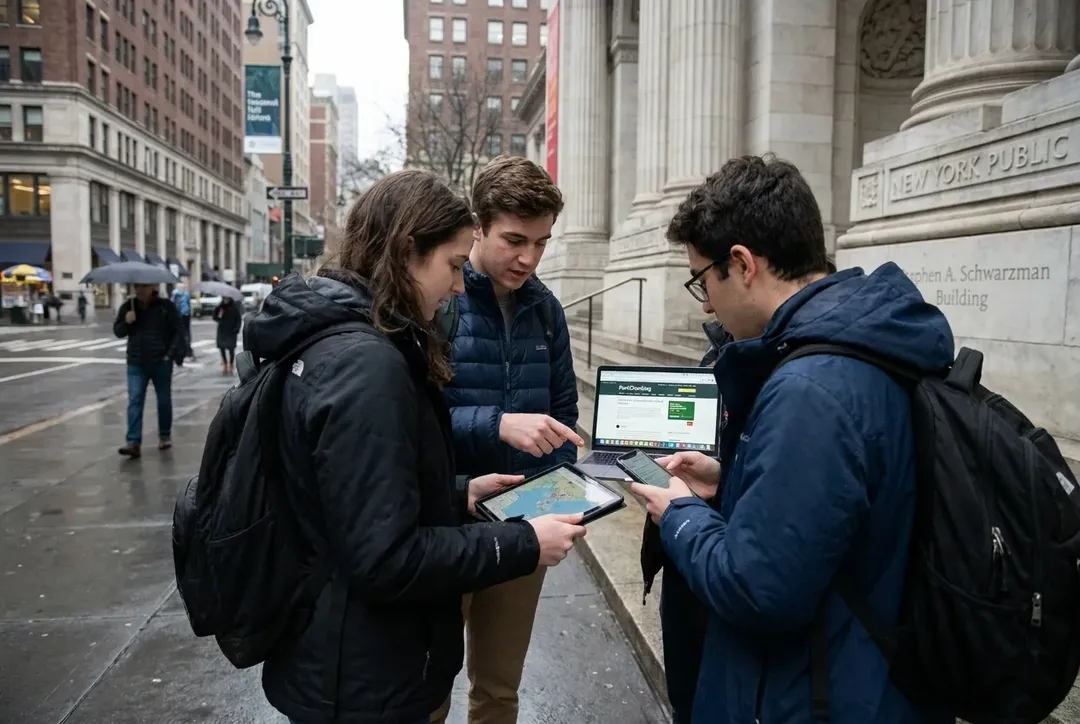
Distinguishing Research Quality in Limited Time
Weekday morning schedules rarely allow exhaustive investigation of every health claim circulating through student networks, making triage skills essential. Students can quickly assess source credibility by checking whether information traces to established public health institutions, peer-reviewed publications, or journalists with health reporting track records versus content farms optimizing for clicks. The presence of specific details—case definitions, sample sizes, study limitations—often distinguishes serious reporting from speculation dressed as news. Study partners working together can divide verification tasks: one person tracking information to its original source while another searches for expert commentary or contradictory evidence. This collaborative approach suits medium-difficulty research that exceeds quick fact-checking but doesn't require library database deep-dives.
The practical challenge involves resisting the urge to share information before completing verification, especially when group chat conversations move quickly and peers expect immediate responses. Students choosing this more deliberate pathway accept short-term social costs—being the person who says 'let me check that first' rather than instantly reacting—in exchange for building reputations as reliable information sources. Over time, this positioning changes group dynamics: peers begin waiting for verified input rather than accepting the first response, and conversations shift from anxiety-driven speculation toward informed discussion. The route fits students who value accuracy over speed and recognize that their contributions to collective understanding carry weight beyond individual interactions.
Building Sustainable Verification Habits
Establishing reliable information pathways during college years creates habits that extend beyond immediate outbreak concerns. Students who develop systematic approaches to health information verification—consulting campus resources, using library literacy tools, checking official city channels—build frameworks applicable to future medical decisions, workplace safety assessments, and community health conversations. The investment in learning these routes pays dividends when the next health alert emerges, since the verification infrastructure already exists rather than requiring panic-driven research during crisis moments. Study partners who practice these methods together often maintain information-sharing standards even after graduating, creating professional networks where evidence-based discussion becomes the default rather than the exception.
The broader benefit involves reducing the collective anxiety that misinformation generates in student communities. When multiple group chat members adopt verification practices, conversations become less reactive and more grounded, distinguishing genuine threats requiring behavioral changes from overblown concerns that waste emotional energy. This shift doesn't eliminate all uncertainty—emerging outbreaks inherently involve incomplete information—but it channels attention toward actionable guidance from credible sources rather than speculative worst-case scenarios. For students balancing academic demands with legitimate health awareness, this route offers a middle path between ignoring all alerts and treating every viral post as crisis-level news, creating space for informed responses calibrated to actual risk levels.
Tags: #healthinformationliteracy #collegestudentresources #outbreakverification #campushealthservices #publichealthcommunication #misinformationprevention #NYCstudentlife #backtoschoolhealth #researchskills #groupstudystrategies
Sources consulted: Source 1: nycgovparks.org · Source 2: new.mta.info · Source 3: nypl.org · Source 4: a816-health.nyc.gov
All trademarks are the property of their respective owners.
Ask Karpo first
Ask Karpo to turn this NYC idea into a current plan for your date, budget, companion, transit preference, and energy level. Karpo can narrow the route and flag what to verify before you go.
Ask Karpo for more information.
Keep reading
- Salad Near Me in the West Village: Westville's Market-Table Vegetables
 Lunch Near Me in the Flatiron: S&P Runs a Classic Luncheonette Counter
 Coffee Near Me in the East Village: Abraço Is Standing-Room Only