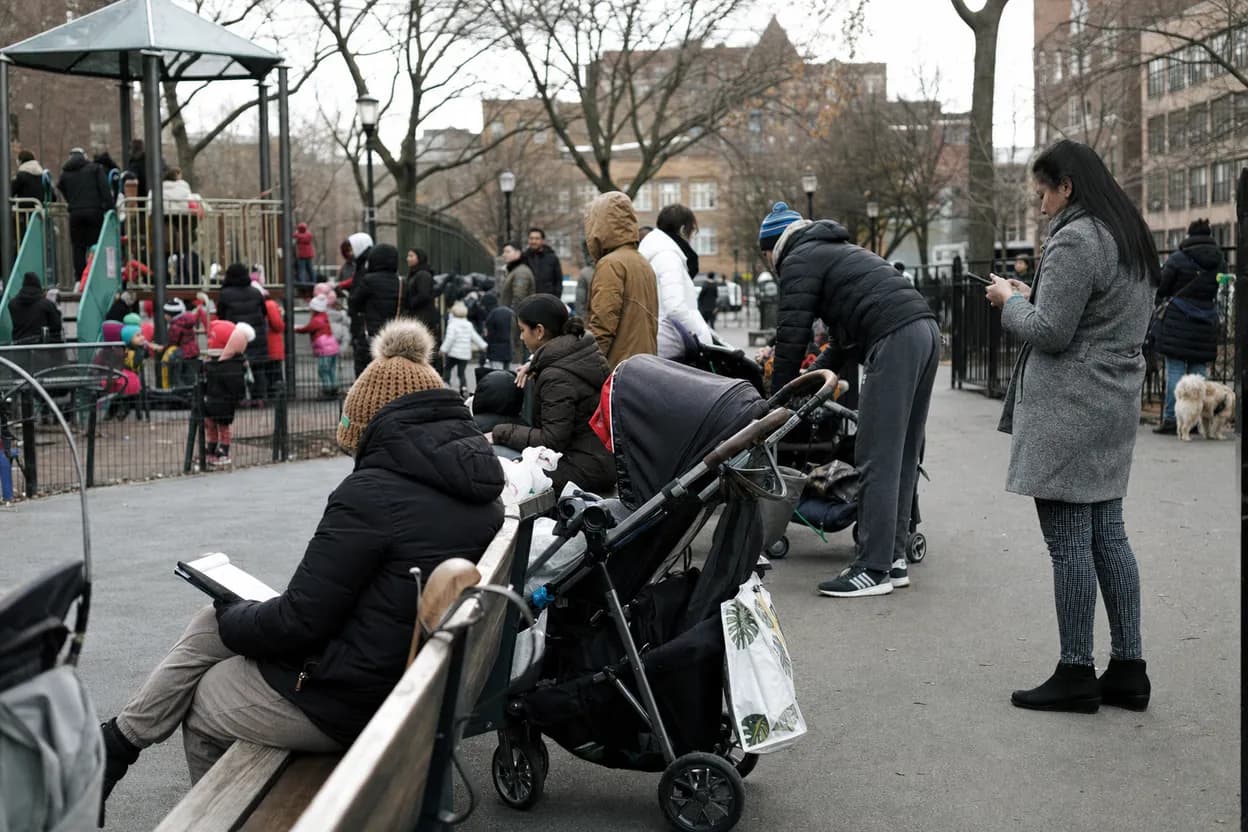
NYC daycare decisions get stressful because parents are not choosing from one neat system. The source extracts point to private daycare and infant care with rolling waitlists, public 3-K and pre-K through MySchools, a fall 2026 2-K launch in select districts, and a city child care website meant to help families compare providers. The practical move before September is to sort choices by age eligibility, commute, cost, schedule coverage, accessibility needs, and proof of seat status. As of July 15, 2026, changing details such as open seats, deadlines, fees, provider hours, and documentation should be verified directly with NYCPS, MySchools, nyc.gov/childcare, and each provider.
Want a shorter, calmer daycare search plan before September pressure builds? Text Karpo with your child's age, neighborhood, commute limits, and backup deadline.
Separate The Tracks First
Private daycare and public early childhood programs do not run on the same logic. Brooklyn Preschools distinguishes rolling private daycare and infant care waitlists from public 3-K and pre-K applications in MySchools, which follow centralized seasonal timing. Treat those as separate searches before judging any option. A center that is useful for an infant spot may be irrelevant for a public 3-K application, while a MySchools ranking will not hold a private daycare place.
Build a grid with one row per program and one column for track, age, cost, commute, hours, application step, and current status. Mark whether the option is a confirmed offer, waitlist, directory lead, or tour request. This prevents a common failure mode: turning down a workable paid seat because a public option feels likely but is not confirmed. Parents need an operating plan, not a hopeful list of names.
Use Age As The Gate
Age eligibility should come before preference. NYC enrollment support says 3-K is for children who live in New York City and turn three by December 31 of the year they enter, with no admissions test and no requirement to attend. For 2026-27, the Brooklyn Preschools extract says 3-K eligibility was tied to children born in 2023, while pre-K was tied to children born in 2022. Always recheck the current cycle.
For 2-K, the June 15, 2026 NYCPS extract says children born in 2024 can apply for fall 2026 admissions, including children with disabilities, accessibility needs, English learners, and students in temporary housing. It also says children do not need to be toilet trained to attend 2-K. That matters when comparing programs that may have different private policies, classroom routines, support capacity, or comfort with toileting transitions.

Map The 2026 Public Options
The 2-K launch is limited at the start, not a citywide guarantee. NYCPS says fall 2026 begins with 2,000 free seats in select neighborhoods, including District 6; District 10; Districts 18 and 23; and District 27, with expansion planned to all districts over four years. Families may apply to programs across NYC, but district residence gives priority, and placement close to home depends on seat availability.
For 3-K, NYC enrollment support says the program is offered across all districts and that all main-round applicants will receive an offer by the start of the 2026-27 school year, with most offers sent in May. It also warns that some families may receive offers outside their district based on availability. A public offer can still be impractical if it breaks pickup timing, transit reliability, sibling logistics, or caregiver work hours.
Do Not Misread Waitlists
The 3-K source is clear that applications received by the deadline are treated the same according to admissions priorities, and admission is not first come, first served. That is different from private daycare, where the Brooklyn Preschools guide says earlier and more lists can matter for babies and toddlers. Do not let private daycare urgency distort a public MySchools ranking, and do not assume public waitlist rules explain private provider behavior.
If a family missed the 3-K deadline, NYC enrollment support says they can add themselves to waitlists in MySchools or contact programs when waitlists become available. After waitlists expire, families can use the 3-K directory and the 2026-27 seat filter to find programs with available seats. The practical tradeoff is time: keep calling, but set a decision date before deposits, work schedules, or backup caregivers become harder to arrange.
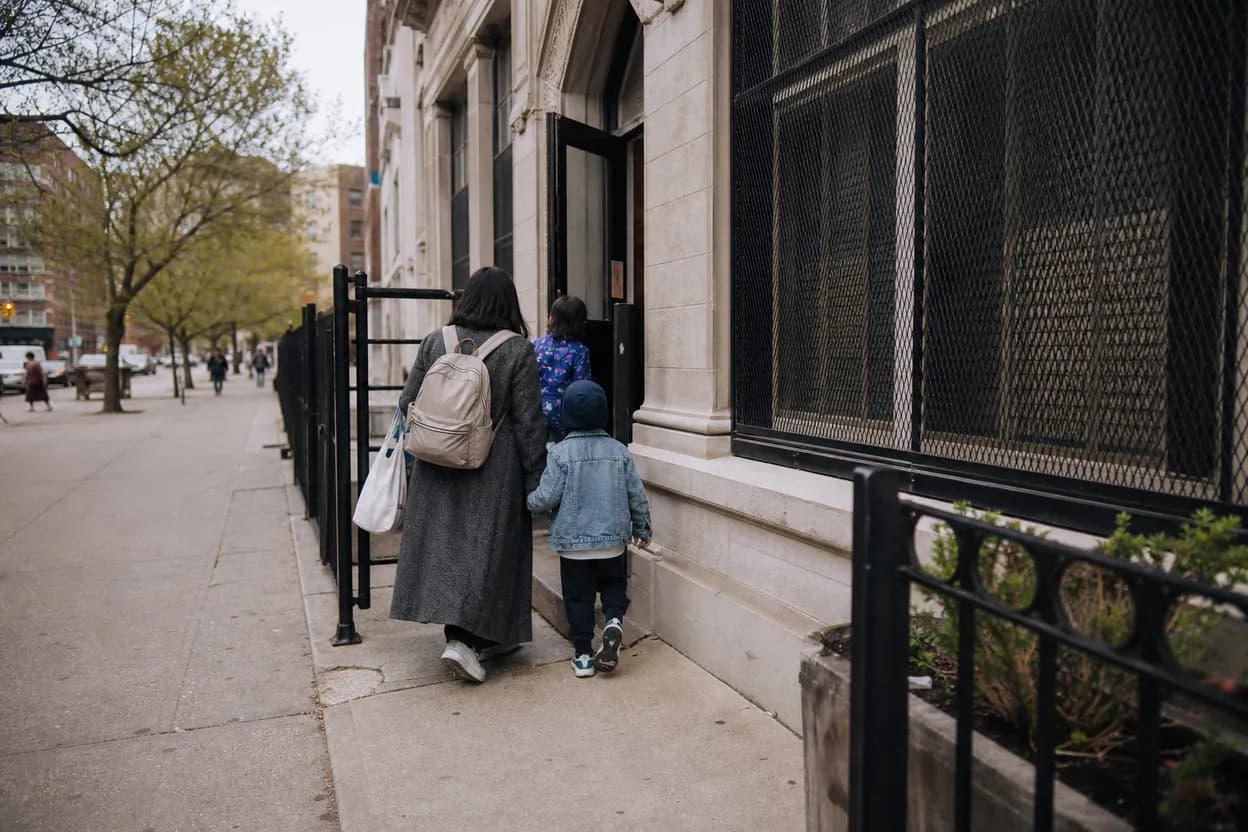
Compare Hours And Care Needs
The official 3-K page describes School Day seats as free and providing 6 hours and 20 minutes during the school year, typically September through June. Extended Day and Year seats can provide up to 10 hours a day, year-round, but eligibility is based on family income and needs. City Transitional seats may also provide 8 or 10 hours, with priority based on income and needs at NYCEECs.
Hours are where a free seat can become expensive. A program that ends before a workday may require paid wraparound care, a relative pickup, schedule changes, or a second provider. Ask each program about daily schedule, family engagement, services, registration steps, and what happens on school breaks. For accessibility, ask how entrances, bathrooms, communication supports, language access, and special education coordination work in practice, not just whether the program appears in a directory.
Use The City Map Carefully
The Mayor's Office extract says nyc.gov/childcare launched April 1, 2026 as a citywide child care map and resource center. It says families can filter by location, age group, and cost, and view provider details such as services, eligibility requirements, contact information, inspections, walking and transit directions. The announcement also says the site includes a questionnaire, multiple languages, mobile accessibility, and live phone or email support through Child Care Resource Centers.
Use the map to reduce spreadsheet chaos, then verify every live detail. Provider availability, waitlist movement, fees, classroom openings, documentation requests, and exact schedules can change faster than a public directory. Record the date, staff name, and method of each confirmation. A useful shortlist should include at least one close option, one schedule-friendly option, one lower-cost option if available, and one emergency backup that can actually start when needed.
Make The September Decision
By mid-July, the daycare search should become operational. Rank options by confirmed seat status, total monthly cost or eligibility risk, commute reliability, hours covered, accessibility fit, language or support needs, and backup care. A distant offer may be technically available but unworkable if pickup collides with work, transit delays, or an older child's school schedule. A nearby waitlist may be worth keeping only if another confirmed plan is already in place.
Before accepting, paying, or declining, run a final verification checklist: current MySchools status, provider seat availability, application deadline, registration documents, fees, daily hours, calendar coverage, waitlist position if shared, accessibility needs, language support, toileting policy where relevant, and backup start date. Attribute every moving claim to the official page or provider contact that confirmed it. The best choice is confirmed, affordable, reachable, and workable on a difficult weekday.
Tags: #DaycareNYC #NYCDaycare #ChildCareNYC #NYCParents #BackToSchoolNYC #3KNYC #2KNYC #PreKNYC #MySchools #NYCChildCare #ParentChecklist #KarpoNYC #AskKarpo #BeforeYouGo
Sources consulted: Source 1: brooklynpreschools.com · Source 2: schools.nyc.gov · Source 3: nyc.gov · Source 4: enrollmentsupport.schools.nyc · Source 5: enrollmentsupport.schools.nyc
All trademarks are the property of their respective owners.
Ask Karpo first
Tell Karpo your date, group size, budget, and starting neighborhood. We’ll check current access, timing, transit, and the cleanest plan for NYC daycare waitlist search before you head out.