Search interest in dario amodei can be useful if it leads to better questions, not vague tech celebrity watching. In San Francisco, the strongest public route starts by separating what is verifiable about Anthropic from what a resident or visitor can actually do this week: read, compare sources, visit hands-on science exhibits, and join technology-adjacent learning spaces without assuming a company office is open to the public. This guide is built for a cool or foggy weekday afternoon or weekend, especially for solo readers, students, or friends who want a low-difficulty plan with public transit, backup options, and clear points where current hours or ticket rules should be checked again.
Want a tighter SF route before you head out? Text Karpo for a city-specific plan that checks library hours, museum timing, transit choices, and backup stops around your actual afternoon.

Start at Anthropic's Official Company Page, Not an Office Door
Anthropic identifies itself as an AI safety and research company, and its official company page lists Dario Amodei among its board members. Treat that page as the clean starting point for company facts, governance language, and product framing. Do not plan around visiting an Anthropic workplace or seeking staff contact. This route is about public learning in San Francisco, so the practical move is to read official material first, then use public institutions to test your understanding.
The failure mode is turning a search trend into speculation about private company activity. Avoid that by writing down three confirmed claims before leaving home: what Anthropic says it does, how it describes AI safety, and which public-facing materials it offers. If a release, address, event, or appearance is not on an official page or a reputable current source, leave it out of your plan and make verification the task.
Use the Main Library at 100 Larkin Street as the Research Anchor
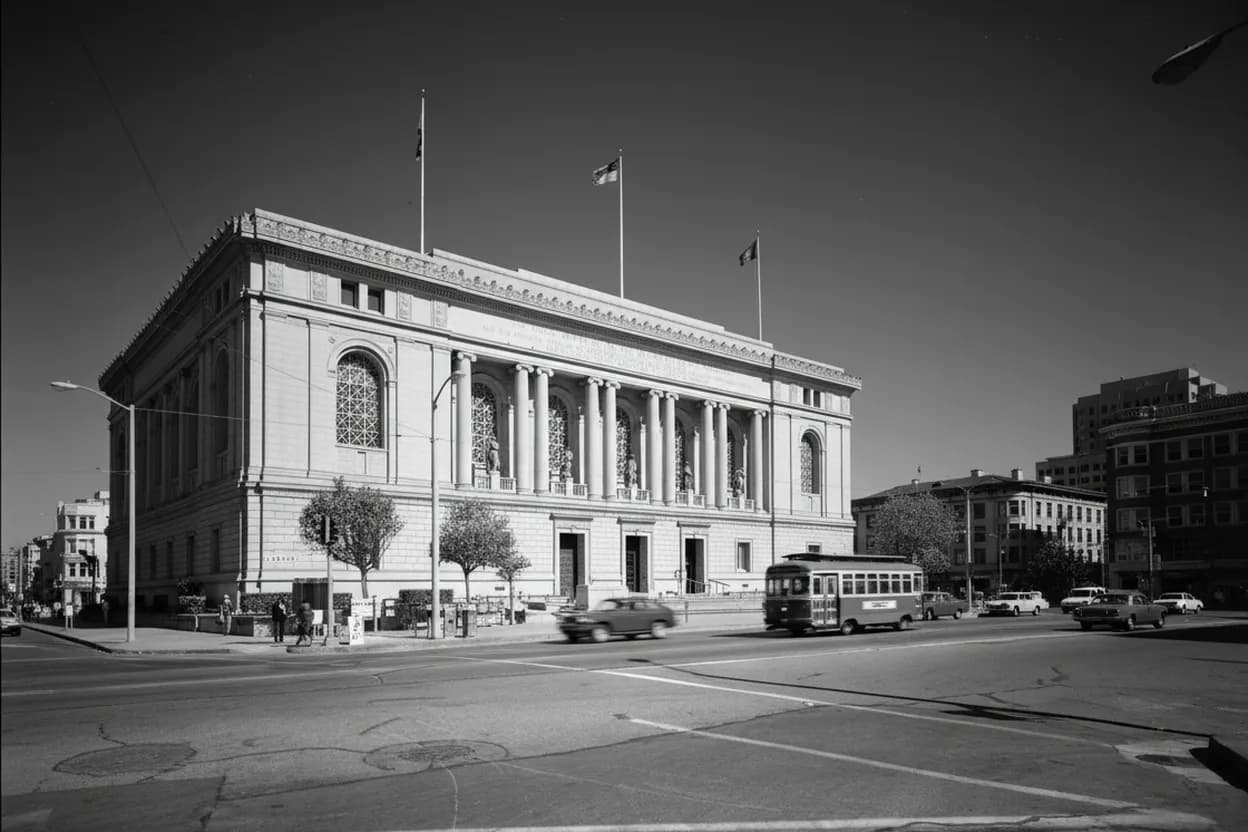
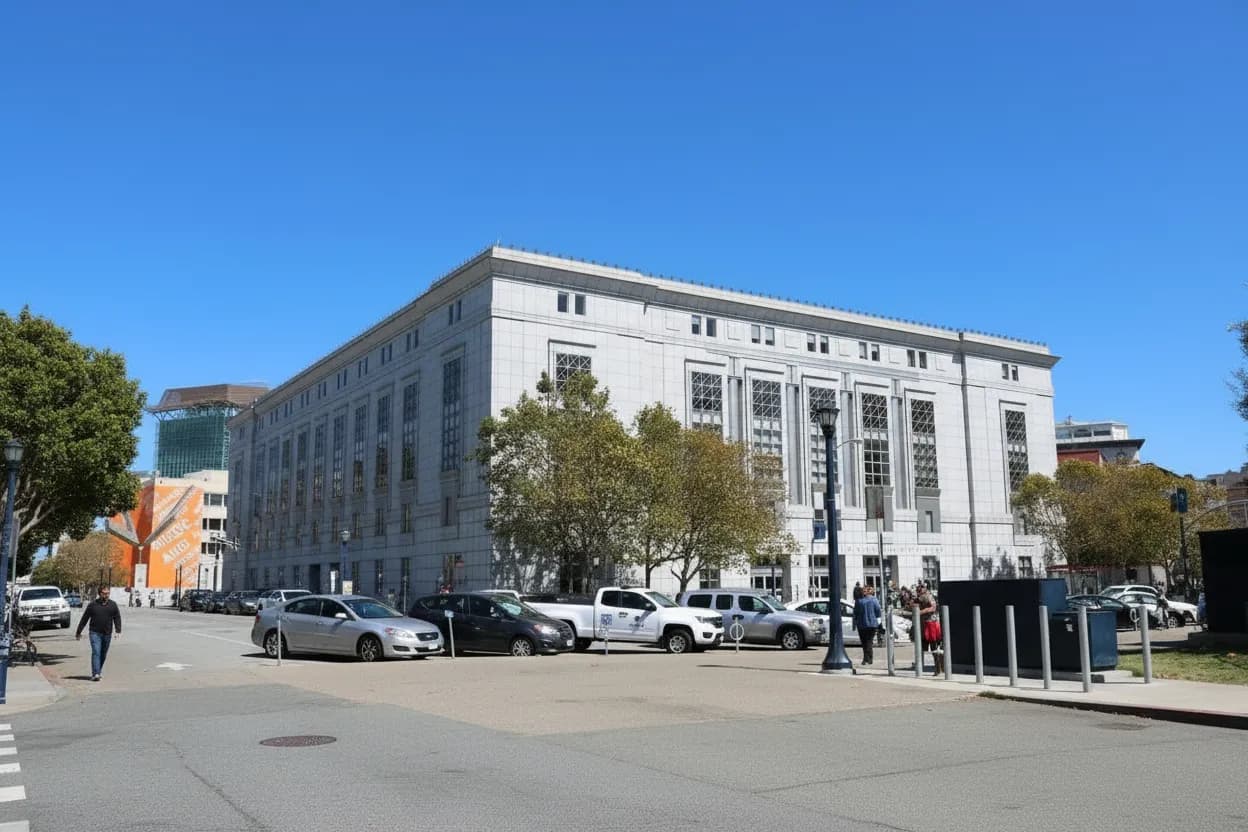
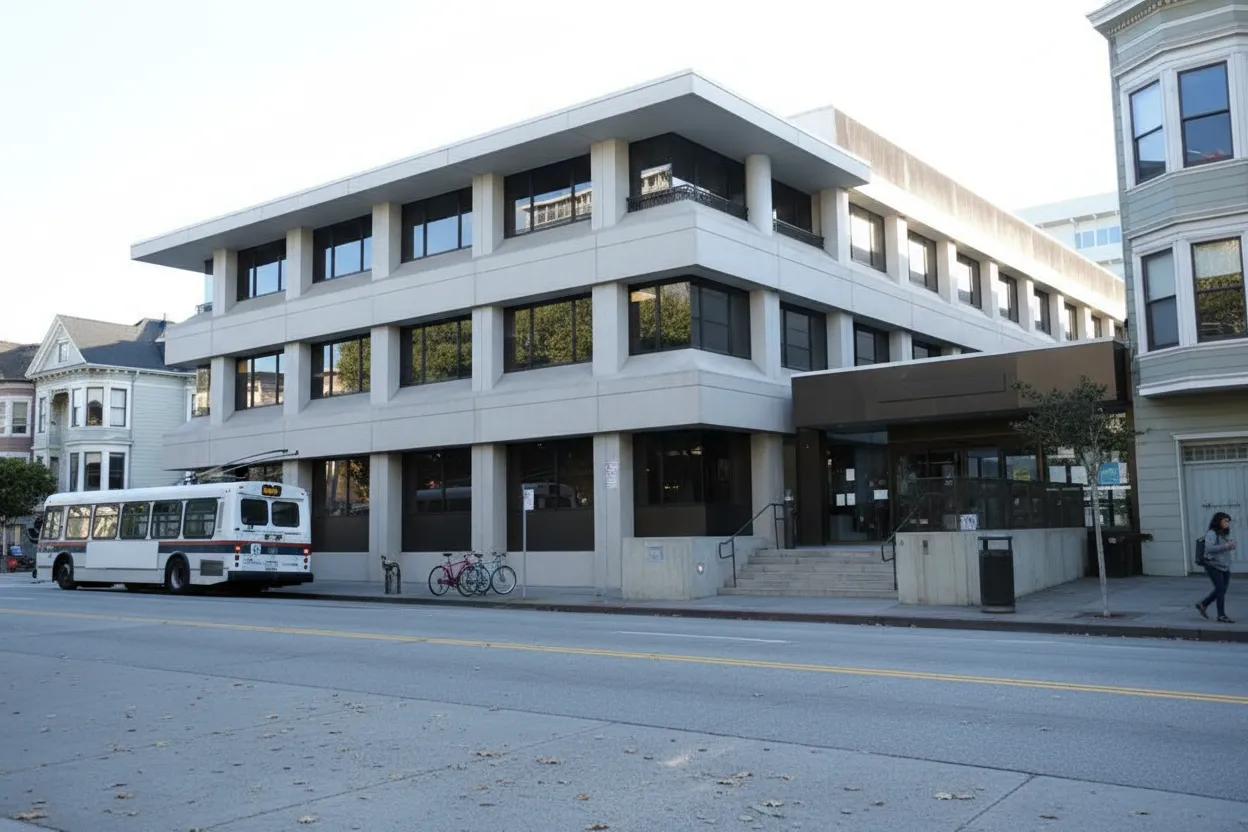
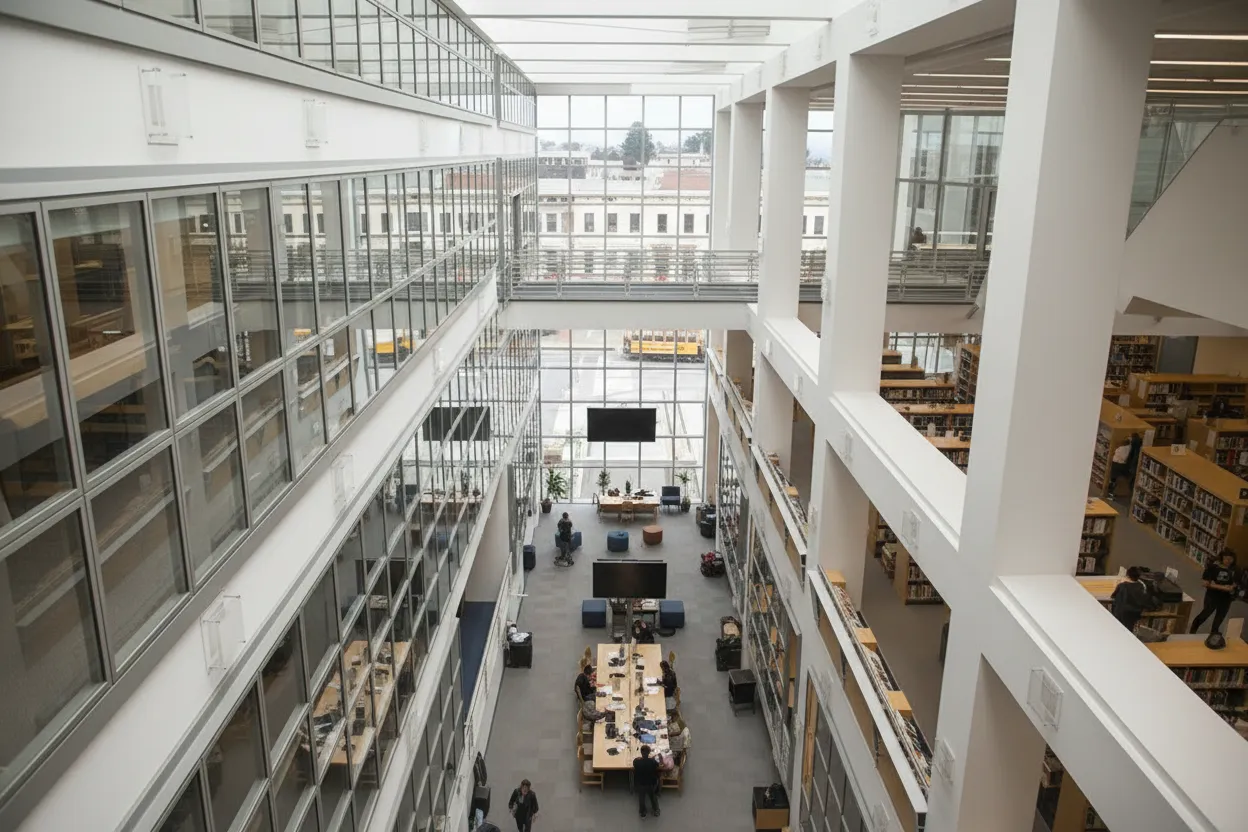
San Francisco Public Library's Main Library is at 100 Larkin Street in Civic Center, with posted public hours that vary by day. It is the best first physical stop because it offers WiFi, study rooms, research collections, events, exhibits, and e-learning access in one civic building. For an AI learning afternoon, use it to compare company statements with technology history, policy, labor, education, and media literacy materials rather than relying on a single search result.
This stop fits solo readers and students because it can be quiet, free, and flexible. Friends should agree on a short research sprint, then regroup instead of talking through every source in the stacks. The tradeoff is that library events and rooms can change, fill, or close for maintenance. Check the Main Library page the same day, especially around Fridays, holidays, exhibit dates, and any accessibility needs.
Take Civic Center BART or Muni When Fog Makes Walking Less Appealing
Civic Center/UN Plaza BART is the most direct regional rail choice for the Main Library area, and BART's station page identifies the Main Branch of the San Francisco Public Library as a nearby destination. Muni also serves Civic Center through multiple rail and bus lines. In cool or foggy weather, use transit to keep the plan low effort, then decide whether the next leg is worth walking, riding, or saving for another day.
Transit is the simplest way to keep this from becoming a parking project, but it has its own uncertainty. Station entrances, schedules, crowding, and service changes can shift, so check BART and SFMTA before leaving. If Civic Center feels too busy for focused conversation, move the discussion inside the library or postpone the group debrief until a calmer cafe or Fort Mason stop.
Add the Exploratorium at Pier 15 for Hands-On Systems Thinking
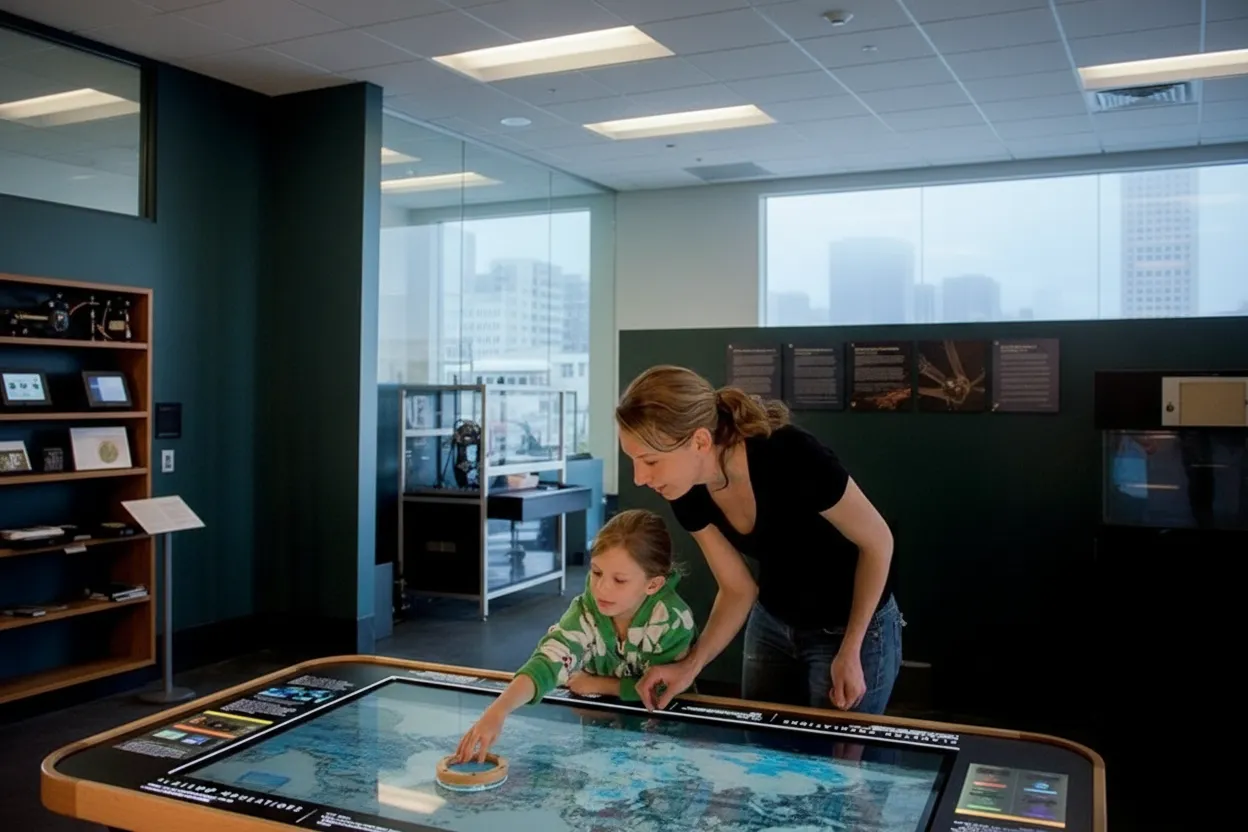
The Exploratorium at Pier 15 gives the route a useful shift from reading about AI systems to observing systems in the physical world. Its visit page lists hundreds of all-ages exhibits, regular daytime hours, Thursday evening After Dark hours for adults, public transit directions, and a waterfront location between Pier 39 and the Ferry Building. It is not an AI company stop; it is a place to practice asking better questions about models, feedback, uncertainty, perception, and evidence.
Build in enough time for this museum or skip it. A rushed visit turns into noise, especially on weekends or school-break days. Tickets, special dates, Tactile Dome reservations, age rules for Thursday night, and prices should be checked directly before committing. Accessibility planning is also practical here: the museum posts visitor maps and a sensory map, which helps anyone who needs quieter spaces or lower-stimulation pacing.
Use Gray Area on Mission Street for Art-and-Technology Context
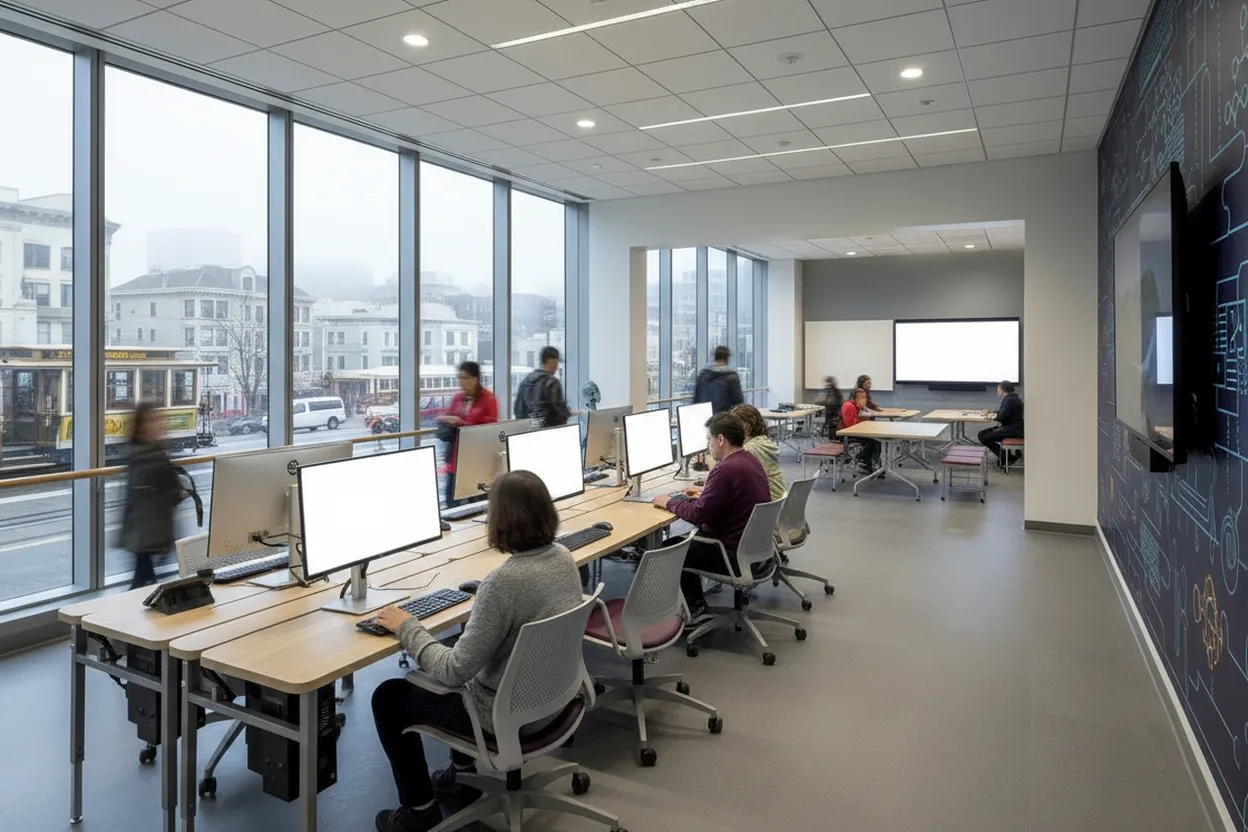
Gray Area, based at the Grand Theater at 2665 Mission Street, describes itself as a San Francisco nonprofit cultural incubator connecting art, technology, science, and the humanities. Its courses and public programs make it a strong optional stop for people who want the cultural side of AI literacy: creative coding, handmade datasets, interactive installations, and critical technology discussion. Check the schedule rather than assuming the venue is open outside events.
The Mission stop works best for friends who want a class, talk, or exhibition as the main commitment, not as a casual walk-in after a full museum day. The tradeoff is timing. Courses may have registration, prerequisites, cost, or sold-out status, and public events may not match your exact afternoon. If nothing fits, use Gray Area's listings as a reading map for what local creative technologists are studying now.
End at The Interval at Long Now in Fort Mason for Slow Questions
The Interval at Long Now in Fort Mason is a cafe, bar, museum, and conversation space tied to long-term thinking. Its public details list exhibits such as a floor-to-ceiling library, clock prototypes, an orrery, and algorithmic artwork. That makes it a fitting final stop after a day framed by AI leadership, because it moves the discussion away from news cycles and toward responsibility over years, institutions, and public understanding.
This is the reflective stop, not the data-gathering stop. It suits adults, solo note-taking, or a small group willing to compare what they verified against what remains uncertain. Hours and special closures should be checked on the day of travel, and reservations may not be available for ordinary visits. If fog, fatigue, or timing makes Fort Mason impractical, save it for a separate evening instead of forcing the route.
Verify Today's Hours, Tickets, and Event Listings Before You Go
Your final action should be a same-day check of the official pages for the specific stops you chose: Anthropic for company facts, SFPL for library hours and programs, Exploratorium for tickets and special dates, Gray Area for event access, Long Now for hours, and BART or SFMTA for transit. This is especially important on Thursday, August 6, 2026, because schedules, exhibits, prices, and service alerts are living facts.
A strong version of this plan has only two or three stops, a clear question for each one, and a backup if the schedule fails. For example: read at Main Library, test systems thinking at Exploratorium, then discuss long-term consequences at Fort Mason. If any page does not confirm the detail you need, do not guess. Let the missing fact decide whether you go, call, or choose the library-only version.
Tags: #AskKarpo #BeforeYouGo #SanFrancisco #SF #DarioAmodei #Anthropic #AILearning #PublicLibrary #SFPL #Exploratorium #GrayArea #LongNow #BackToSchool #CivicCenter
Sources consulted: Source 1: anthropic.com · Source 2: sfpl.org · Source 3: exploratorium.edu · Source 4: grayarea.org · Source 5: grayarea.org · Source 6: bart.gov
All trademarks are the property of their respective owners.
Ask Karpo first
Tell Karpo your date, group size, budget, and starting point. We’ll check current access, timing, transit, and the cleanest San Francisco plan for public libraries, technology exhibits, and community learning spaces across San Francisco before you head out.