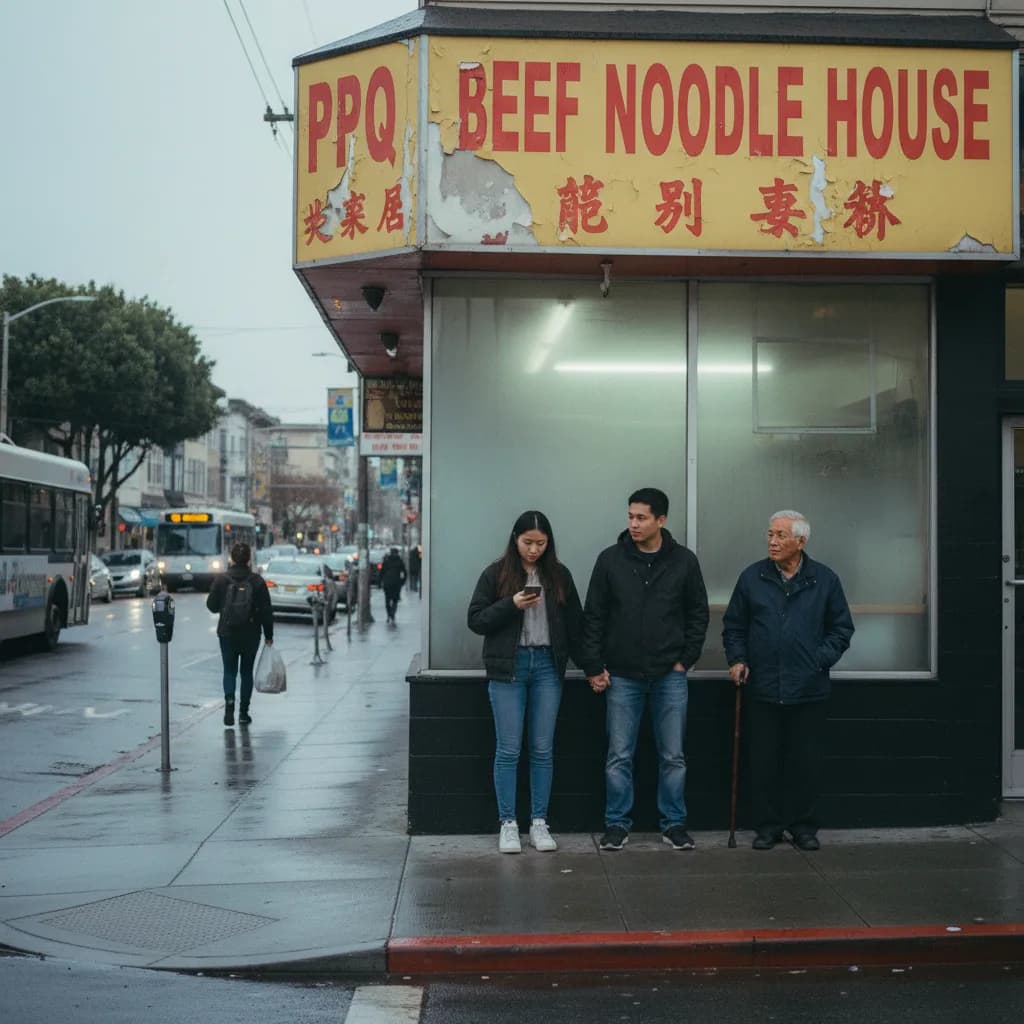
 Outer Richmond Restaurants Open Near Me: PPQ Beef Noodle House
Hidden Gems & Odd Finds
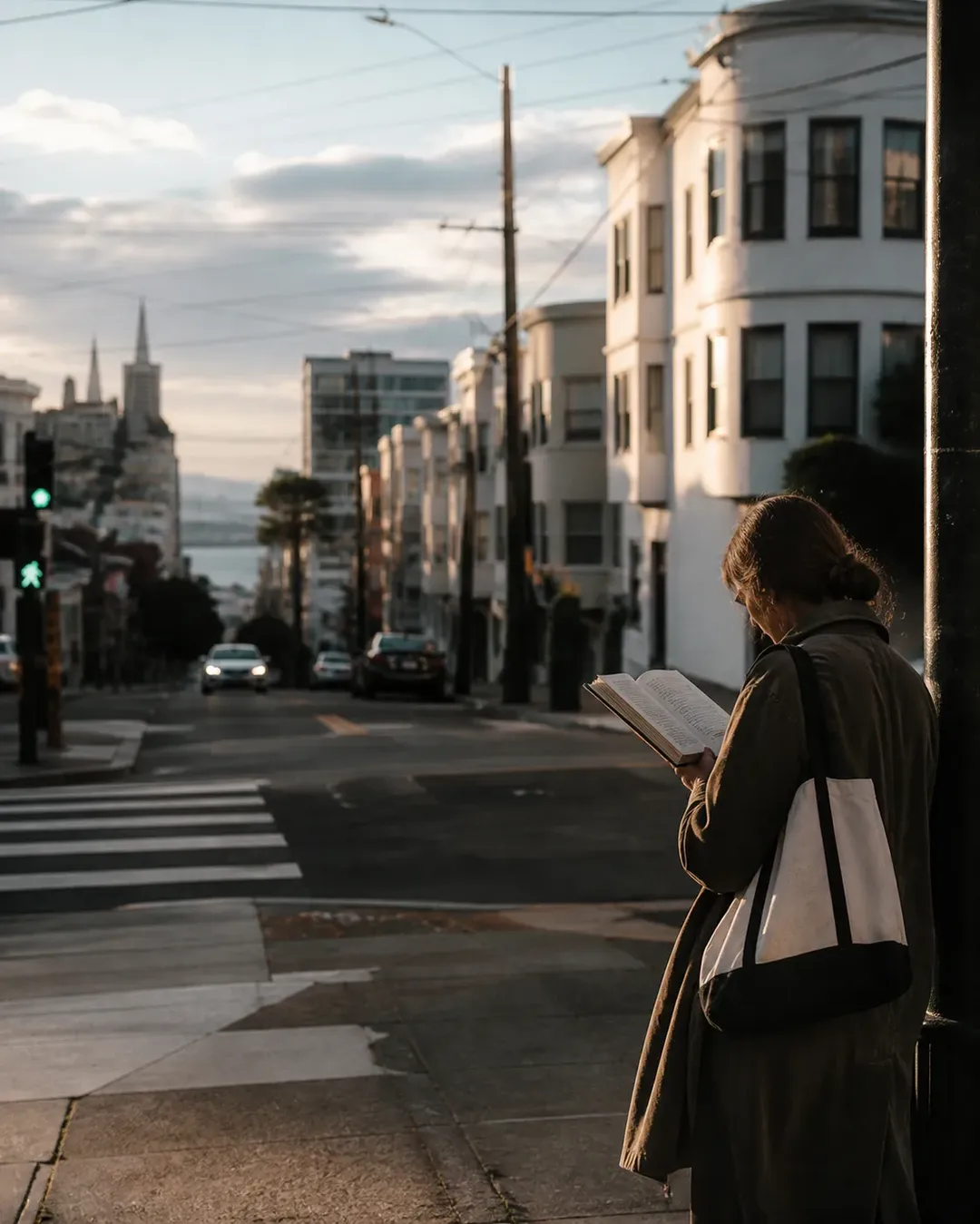
Dario Amodei AI Research Context: SF Hidden Tech Ethics Reading Room Route
A solo weekend-afternoon route for readers using the dario amodei news cycle as a doorway into AI safety, governance, and ethics context in San Francisco. Start near Hayes Valley, verify live library and transit details, and treat every stop as a prompt for better questions rather than a celebrity sighting map.
The search spike around dario amodei can be useful if you treat it as a starting signal, not the whole story. For a solo visitor in San Francisco who wants deeper context on AI safety, governance, research culture, and public accountability, the better move is a learning pathway: start around Hayes Valley, use nearby civic and academic information spaces, check public event listings before you move, and build an afternoon around reading, note-taking, and asking sharper questions. This is not a claim that any named AI leader is appearing in the city. It is a route for people who want the quieter layer beneath the headlines: shelves, catalogs, public lecture pages, reading groups, transit updates, and the kind of independent browsing that helps turn a news hook into a grounded point of view.
Want to understand AI safety research beyond headlines about Dario Amodei? Text Karpo with your technical background level, available weekend time, preferred learning format (reading vs lectures), and SF neighborhood. We'll map a three-stop route through bookstores and public research centers, send current reading group schedules, and provide a backup online lecture series if you prefer remote learning.
Hayes Valley as the First Filter
Hayes Valley works well as the mental starting point because it sits close enough to San Francisco's civic and cultural core to make a moderate solo route realistic, while still feeling like a neighborhood where technology, design, policy talk, and everyday city life overlap. Begin with a simple constraint: you are not chasing certainty in one stop. You are collecting signals. Before leaving, open the San Francisco Public Library events page, search for terms such as AI, technology, ethics, privacy, data, labor, science, and public policy, then decide whether your afternoon should bend toward a scheduled program or remain a self-guided reading loop.
The tradeoff is focus versus serendipity. If you anchor the day to a listed talk, reading group, workshop, or community event, you gain structure but lose some browsing time. If no relevant event fits the afternoon, use Hayes Valley as a launch point for a public-space research walk instead: one notebook, one saved reading list, one transit plan, and one clear question. A useful question might be, 'What does responsible deployment mean when the people affected by AI systems are not in the room?' That keeps dario amodei as a search doorway while shifting your attention toward institutions, evidence, and public debate.
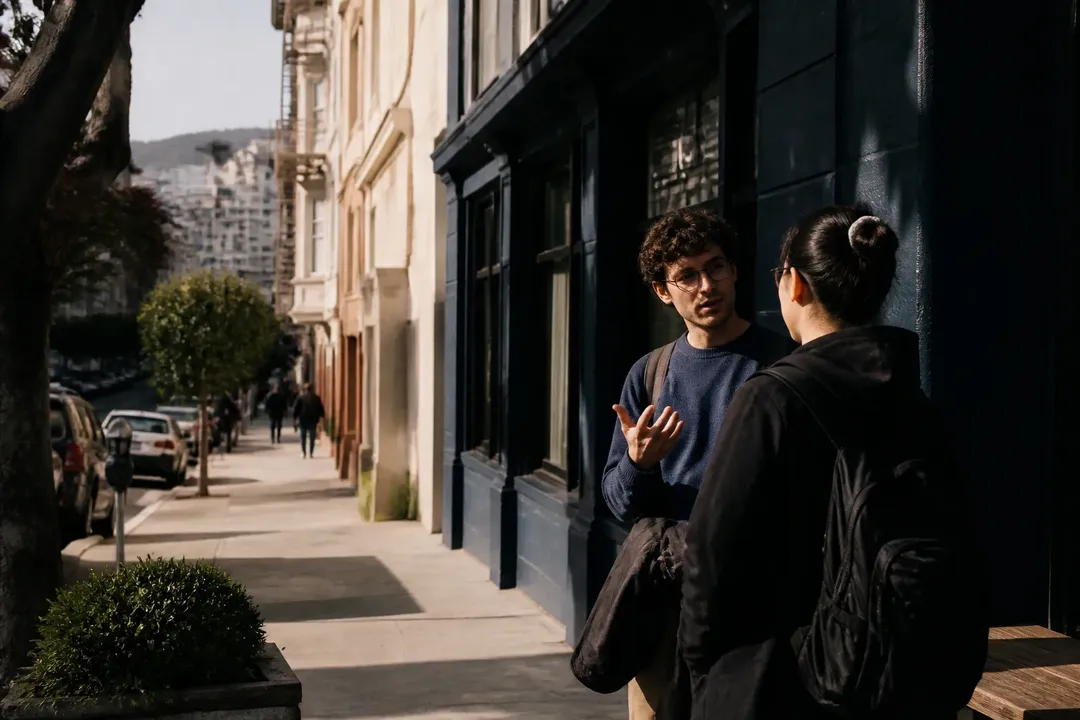
Build the Civic Reading Spine
The Main Library is the strongest public anchor in this route because the official San Francisco Public Library listing places it at 100 Larkin Street and shows it as a central location with public hours and events infrastructure. For a weekend afternoon, verify the current listing before you go, then use the building less like a tourist stop and more like a research base. Search the catalog for AI safety, algorithmic bias, surveillance, social media, automation, labor, philosophy of technology, and technology policy. Pull more than you think you need, then narrow by table-reading the introductions, indexes, footnotes, and publication dates.
This is also where the route becomes more honest. Mainstream AI coverage often compresses technical research, corporate incentives, regulation, and ethics into one dramatic storyline. A library session slows that down. Put books and articles into three piles: technical risk, social impact, and governance. If the event calendar shows something relevant that day, let it interrupt the reading plan. If it does not, do not force the theme. The value of the stop is that SFPL gives you a public, noncommercial place to compare sources, check your assumptions, and separate leadership commentary from the wider field of AI accountability research.
Independent Shelves, Careful Claims
A hidden-gem version of this afternoon should include independent browsing, but it should avoid pretending that every bookstore is an AI ethics institution. Use bookstores as discovery spaces: scan new nonfiction, technology criticism, philosophy, economics, science, labor, and contemporary politics. The goal is not to find a perfect 'AI section.' The goal is to notice what sits beside AI books. When machine learning titles are shelved near venture capital, cybernetics, climate risk, labor organizing, or political theory, the neighboring categories can be as revealing as the book you came for.
This is where a solo route has an advantage. You can move slowly, read jacket copy without performing expertise, and leave a store with a small shortlist rather than a bag full of impulse purchases. If a book references an institute, university lab, public-interest group, or library partnership, verify it later through that organization's own page before treating it as a hard fact. That habit matters for any dario amodei-inspired research path because public attention often outruns evidence. A strong afternoon is not the one with the most stops. It is the one where you leave with fewer vague opinions and a better map of what still needs checking.
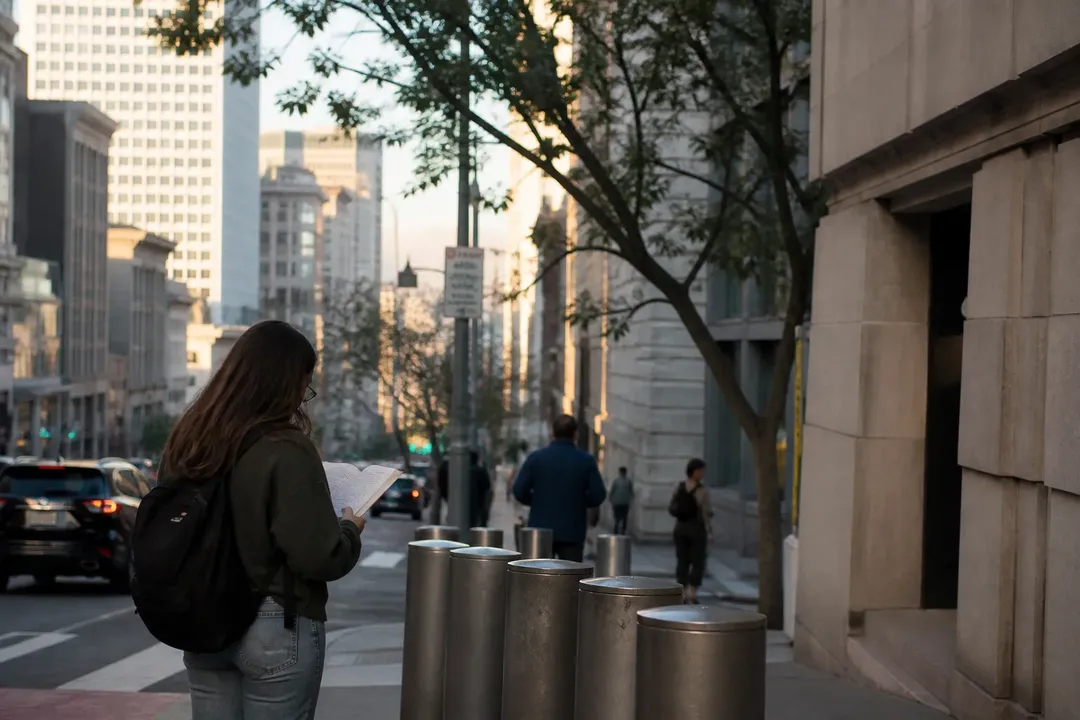
Transit Checks Before the Second Half
San Francisco rewards flexible routing, especially on a weekend afternoon. SFMTA's getting-around guidance frames Muni, walking, biking, driving, parking, taxis, accessibility resources, and Bay Area connections as part of the city mobility mix, so choose the mode that keeps your attention available for the research rather than drained by logistics. For this route, walking plus Muni is usually the most thematically consistent: you stay close to street life, avoid overcommitting to parking, and can adjust if a library event, bookstore lead, or weather condition changes the plan.
Before the second half of the day, check SFMTA travel and transit updates. The official update page for August 2026 includes Hayes Valley Shared Spaces on Fridays and Saturdays, Outside Lands from August 7-9, and other advisories such as temporary stop relocations and transit-related notices. Treat those entries as prompts to verify the live page, not as permanent route rules. If streets are busy, shorten the loop and deepen the reading. If transit looks smooth, add one more public institution or campus-facing event listing to your research plan. The best version of this itinerary keeps the difficulty moderate by letting real conditions decide how ambitious the afternoon should be.
Ethics Centers Without Name-Dropping
University ethics centers and research groups can add depth to this route, but only when you verify public access through official event pages. Do not assume office hours, open seminars, researcher availability, or walk-in access. Instead, make the campus-facing portion of the afternoon a digital checkpoint: search official calendars for public lectures on AI governance, safety, human-computer interaction, data rights, law, philosophy, economics, and science policy. Save events that are clearly open to the public, then decide whether to return another day. A good learning pathway can include future commitments, not just same-day movement.
This restraint is part of the experience. Tech ethics is full of attractive shortcuts: famous names, viral clips, confident summaries, and secondhand claims about who said what. The more valuable San Francisco odd find is the infrastructure behind the discourse. Public libraries, civic calendars, accessible transit notices, independent shelves, and university event pages give you a way to slow the story down. By the end of the afternoon, dario amodei should no longer be the only keyword in your notes. You should have a working vocabulary that includes deployment, alignment, auditing, institutional power, labor effects, public participation, and the difference between a source, a summary, and a rumor.
Tags: #SanFrancisco #HayesValley #HiddenGemsOddFinds #AIethics #soloweekend #learningpathway #publiclibraries
Sources consulted: Source 1: sfmta.com · Source 2: sfpl.org · Source 3: sfmta.com · Source 4: weather.gov
All trademarks are the property of their respective owners.
Ask Karpo first
Ask Karpo to turn this San Francisco idea into a current plan for your date, budget, companion, transit preference, and energy level. Karpo can narrow the route and flag what to verify before you go.
Ask Karpo for more information.
Keep reading
- Outer Richmond Restaurants Open Near Me: PPQ Beef Noodle House
 Bar Crudo Divisadero: Premier Seafood Near Me, Raw Bar Excellence
 Woodhouse Fish Co. Castro: Best Seafood Near Me, San Francisco