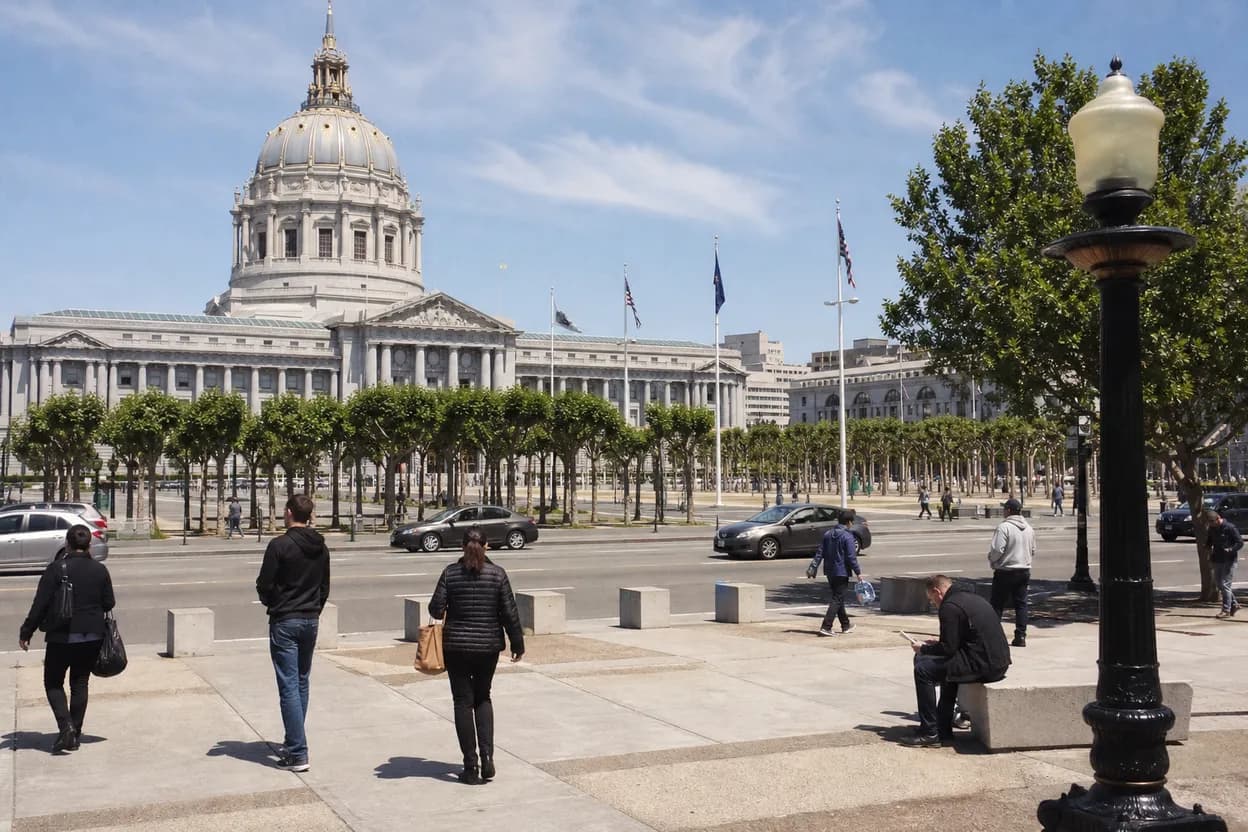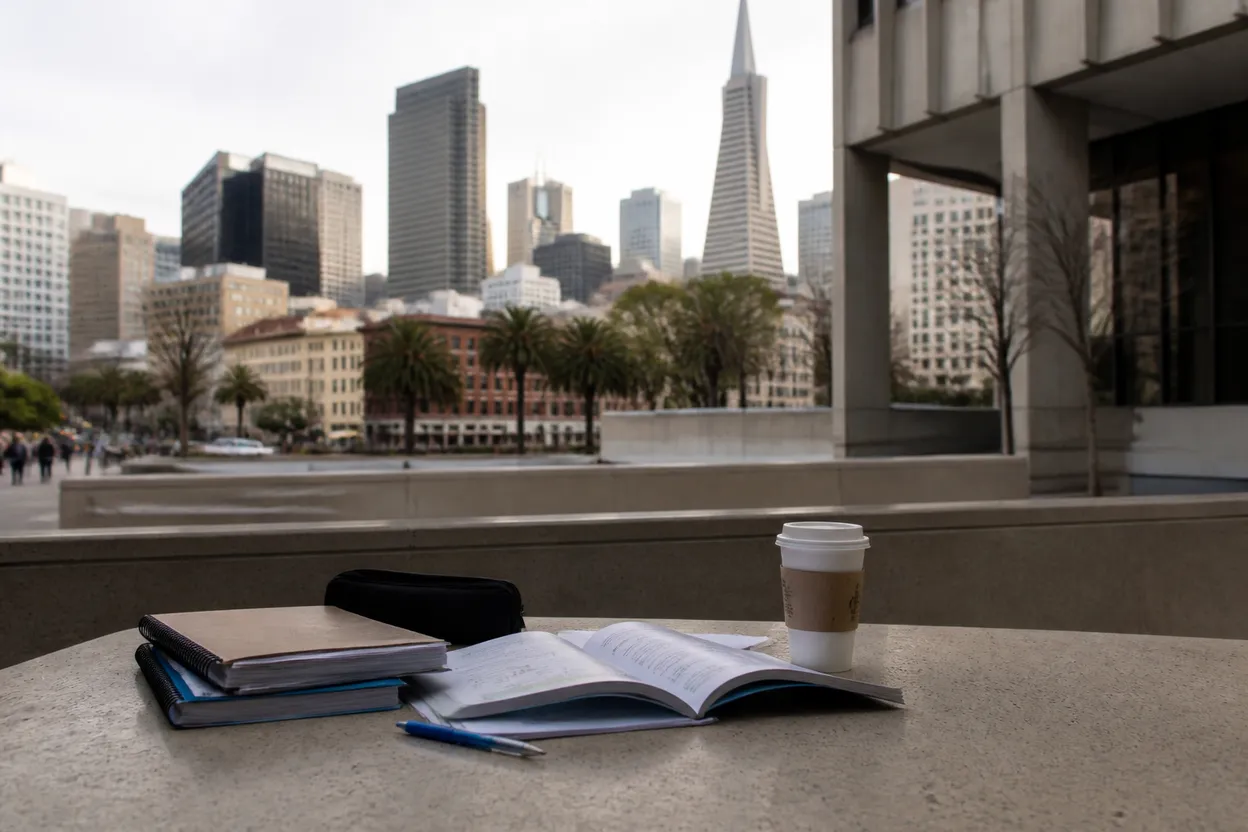
The name dario amodei may be moving through group chats, search bars, and back-to-school conversations, but a smart San Francisco plan should start with verification, not assumption. The official extracts here do not show a local event, campus visit, company appearance, school program, or special access connected to that name. Treat the phrase as a hook for a research question: what can students, parents, educators, and curious readers confirm from official public pages before they spend an afternoon chasing commentary? In San Francisco, that route can begin with San Francisco Public Library, include city and transportation resources, and end with a calmer study plan or backup choice. The point is not hype. The point is leaving home with a question, a destination, and a way to check conditions before you go.
Want a cleaner back-to-school route? Text Karpo to check SFPL hours, SFMTA alerts, nearby public stops, and backup access decisions before you leave in San Francisco.

Turn curiosity into a research question
A useful first question is simple: what exactly do you need to know, and which parts can be checked against the official pages available here? For a student, that might mean separating a biography question from a technology-policy question. For a parent helping with a current-events assignment, it may mean asking whether a claim is about a person, a company, a public institution, transit, or a local government service. Those are different checks, and mixing them is how weak research starts.
Set a narrow task before choosing a destination. If the assignment is about finding reliable materials, plan around San Francisco Public Library’s Books & Media and Research & Learn areas, including Articles & Databases, SF Digital Collections, Exhibits, eLearning, Literacy Programs, and Research Tools. If the task needs San Francisco civic context, add SF.gov as the city reference point because the extract lists services, departments, jobs, contact information, meetings and events, permitting, business, housing, government, public records, voting, volunteering, and elected officials. If the plan depends on travel, check SFMTA before leaving because its homepage includes a trip planner, Muni routes and stops, travel updates, alerts, maps and guides, accessibility, fares, and help contacts.
Start with a reliable public resource
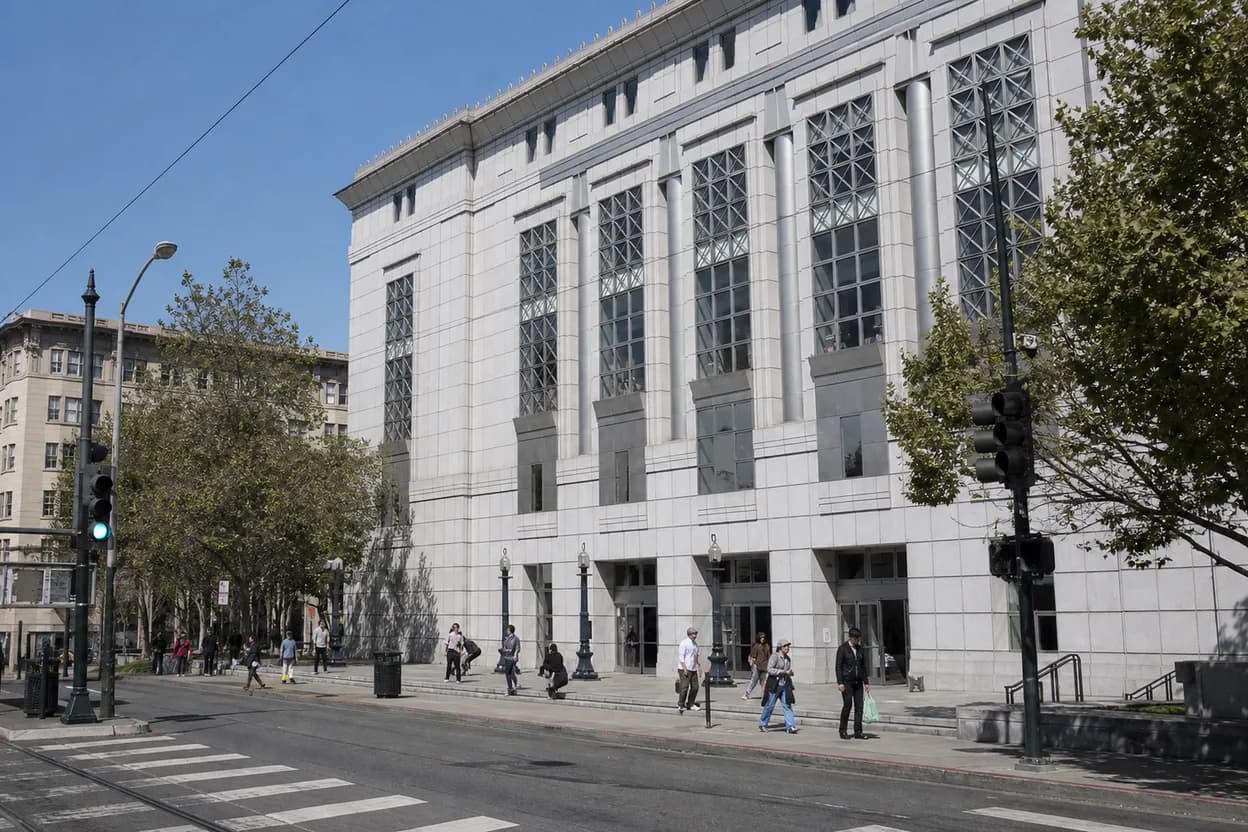
The most practical first stop in the extracts is San Francisco Public Library’s Main Library, listed at 100 Larkin Street, San Francisco, CA 94102, with the public phone number 415-557-4400. The official SFPL page also lists Main under Library Locations & Hours. That gives the plan a concrete anchor without inventing a local connection to the search topic.
SFPL’s site points readers toward Articles & Databases, SF Digital Collections, Exhibits, eLearning, Literacy Programs, Research Tools, Homework Help, Job Resources, Accessibility Services, Borrowing FAQ, Citizenship Resources, Business and Finance Resources, and library card access. For back-to-school work, that mix matters because a student can move from a broad headline to a more disciplined research trail without relying only on social posts or quick summaries.
For August 6, 2026, the SFPL extract shows Main Library hours as Thursday 9 to 8. The same weekly listing shows Sunday 12 to 6, Monday 9 to 6, Tuesday 9 to 8, Wednesday 9 to 8, Friday 12 to 6, and Saturday 10 to 6. Those are useful planning details from the extract, but hours are still the kind of detail to verify on the live library page before leaving. Bring a library-card plan, not just a laptop: SFPL highlights Get a Library Card, Kanopy movie streaming with a Library Card, Flipster digital magazines, and eResources for research and learning.
Compare primary reporting before opinions
Once the basic question is set, compare source types before reading hot takes. Start with the official pages for locations, hours, services, transportation notices, city services, and elected officials. Then use library research tools for broader context. Only after that should commentary enter the picture. This order keeps a back-to-school assignment from becoming a collage of confident but unsupported claims.
For local context, SF.gov is the official city gateway named in the extracts. It can help readers distinguish city services from private activity. Its homepage points to jobs, City Hall visits, meetings and events, permitting, business, housing, government, public records, voting and volunteering, and contacting elected officials. It also identifies Daniel Lurie as the 46th Mayor of the City and County of San Francisco, names Rafael Mandelman as President of the Board, and lists the Board of Supervisors and other elected officers. That does not make every technology headline a city matter; it simply gives readers a verified civic reference point when a claim touches local government.
Write down what each official page can and cannot prove. SFPL can support library location, hours shown in the extract, research areas, collections, library-card-related resources, accessibility services, and support services. SFMTA can support trip planning tools, Muni routes and stops, alerts, travel updates, maps and guides, accessibility, fares, and help contacts. SF.gov can support city-service and government checks. None of the extracts prove that dario amodei is appearing locally, sponsoring a school program, speaking at a venue, or connected to a San Francisco back-to-school event. That distinction is the research lesson.
Choose a study stop that fits the task
Pick the stop based on the work, not the trend. If the goal is to gather sources and create notes, Main Library is the clearest first choice in the extracts because the official SFPL page ties it to Books & Media, Research & Learn, Articles & Databases, and support services. If the goal is a shorter neighborhood study session, the SFPL locations list names options including Anza, Bayview, Bernal Heights, Chinatown, Excelsior, Glen Park, Ingleside, Marina, Mission, Mission Bay, Noe Valley, North Beach, Parkside, Portola, Potrero, Presidio, Richmond, Sunset, West Portal, Western Addition, Virtual Library, Bookmobiles / MOS, and more. Branch hours and services should be checked directly before committing.
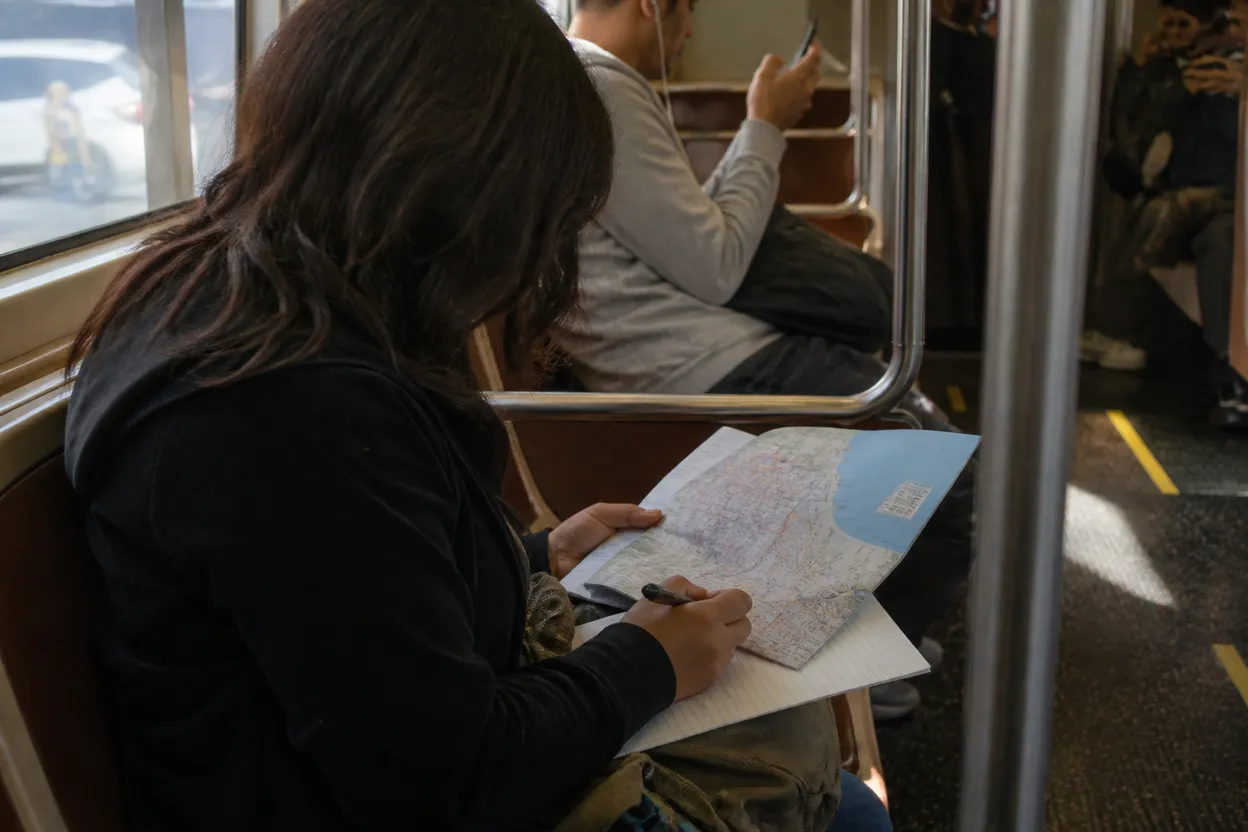
A strong San Francisco route uses transportation checks early. SFMTA’s site offers a Trip Planner with starting and ending locations and travel choices including Muni, bike, walk, and drive. For students carrying books or a device, that matters more than a saved map. Build the trip around the door-to-door path, then check alerts and travel updates. The extract shows an alert about a cleared delay near 19th and Holloway, and travel updates such as Hayes Valley Shared Spaces on Fridays and Saturdays in August 2026, 40-foot bus service substitutions updated July 6, 2026, and Chinatown construction from July 30 to August 9, 2026. Treat those as examples of why same-day checking matters.
Make one decision before leaving: Main Library first, or neighborhood branch first. Main Library works best when the task is source-heavy or when you need the broadest public-resource starting point named in the extracts. A branch can be better when time is limited or the assignment needs a quiet hour rather than a longer research session. The backup should be chosen before departure, not after someone is tired and trying to rebuild a route from the sidewalk.
Add one low-cost reset nearby
A back-to-school research plan should include a reset because attention is part of the work. Keep it simple and low-commitment: a short walk, a public pause, a snack brought from home, or a switch from screen reading to handwritten notes. The extracts do not provide park hours, cafe prices, museum entry rules, or special programming tied to this route, so do not build the plan around any unverified amenity. Build it around time, location, and access you can check.
For a Main Library day, the practical reset is a short, bounded break between research blocks. Decide in advance that after the first source-gathering session, the student will step away, review the question, and remove weak sources from the notes. That is more useful than adding another tab. If the plan uses Muni, check whether the return path still looks workable before the break ends. SFMTA points riders toward Muni routes and stops, travel maps and guides, accessibility information, fares, SF 311, 511 Regional Info, and customer help, including 311, 415.701.2311 outside San Francisco, and TTY 415.701.2323.
The reset also helps keep the timely search hook in proportion. A name can motivate the assignment, but it should not take over the afternoon. After the break, the student should be able to say: here is the claim, here is the official page or library resource that supports the local detail, here is what remains unverified, and here is what I am not going to repeat.
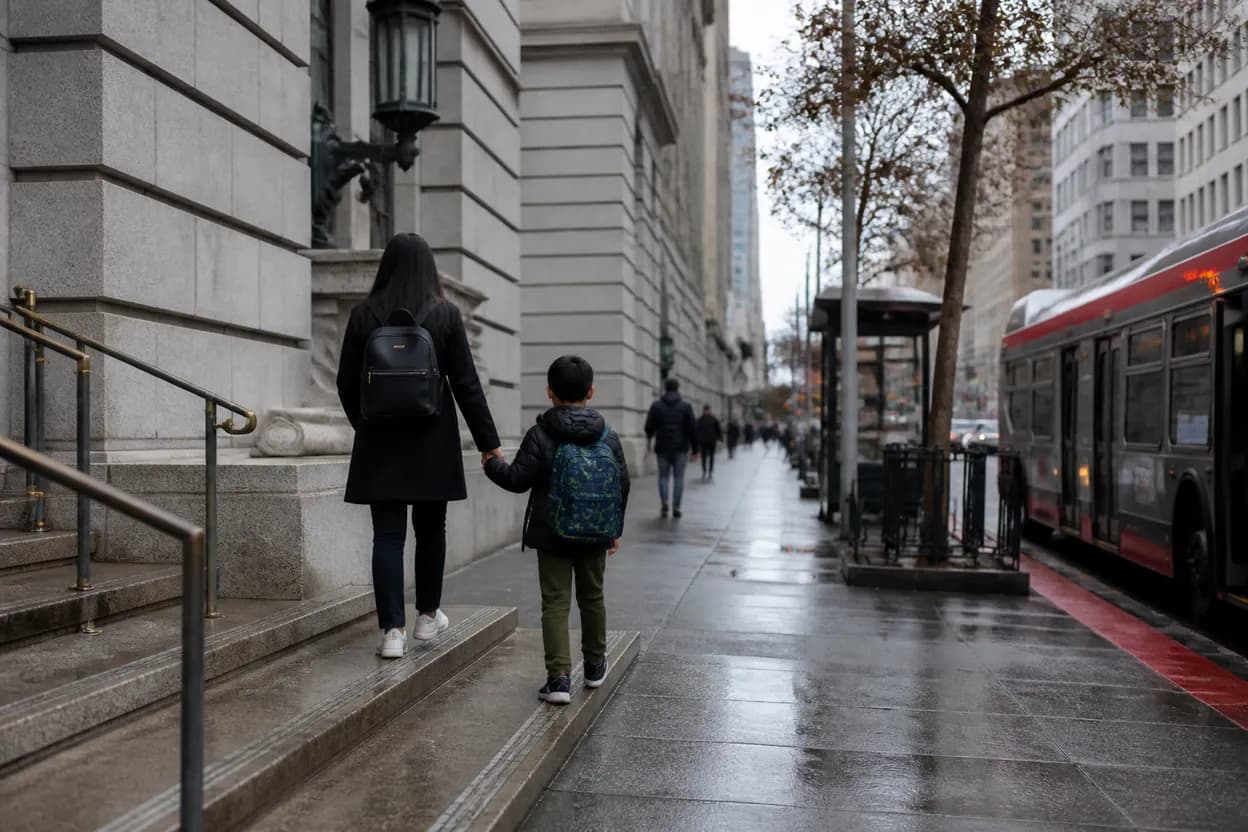
Verify hours and access before leaving
The final check is not optional. Before leaving, verify SFPL hours for the exact location, confirm whether a library card or account access is needed for the resources you plan to use, and check SFMTA for alerts that could affect the route. On August 6, 2026, the SFPL extract shows Main Library as Thursday 9 to 8 and lists same-day events, including a Main presentation on how to get a job with the City or the State from 9:30 to 1:00 PM, a Microsoft Excel for Beginners workshop at Main from 10:00 to 12:00 PM, and an Employment Resource Fair at Main from 10:00 to 1:00 PM. Those details are useful inputs from the extract, not a guarantee for a later visit.
Use a three-part departure checklist. First, confirm the destination: Main Library at 100 Larkin Street or a specific branch from SFPL’s locations list. Second, confirm access: library card status, database needs, accessibility requirements, and whether the planned work depends on a service that may have separate conditions. Third, confirm movement: SFMTA trip plan, Muni route or stop status, and any posted travel updates. If one piece fails, switch to the backup branch, a Virtual Library task, or a home research block using SFPL’s online resources.
This is the San Francisco habit worth teaching before school starts: verify the public basics, then go. A search phrase can start curiosity, but official pages decide whether the plan is realistic. That keeps the day flexible, reduces last-minute stress, and helps students learn the difference between attention and evidence.
Tags: #darioamodei #SanFrancisco #BackToSchool #SFPL #MainLibrary #Muni #SFMTA #SFgov #StudentResearch #PublicResources #StudyPlan #CivicLearning #AskKarpo #BeforeYouGo
Sources consulted: sfpl.org · sfmta.com · sf.gov
All trademarks are the property of their respective owners.
Ask Karpo first
Ask Karpo first when the plan depends on changing details. For this San Francisco route, Karpo can help check library hours, branch choice, SFMTA alerts, access needs, and a backup stop so a timely dario amodei search turns into a verified study plan, not a rumor-driven errand.