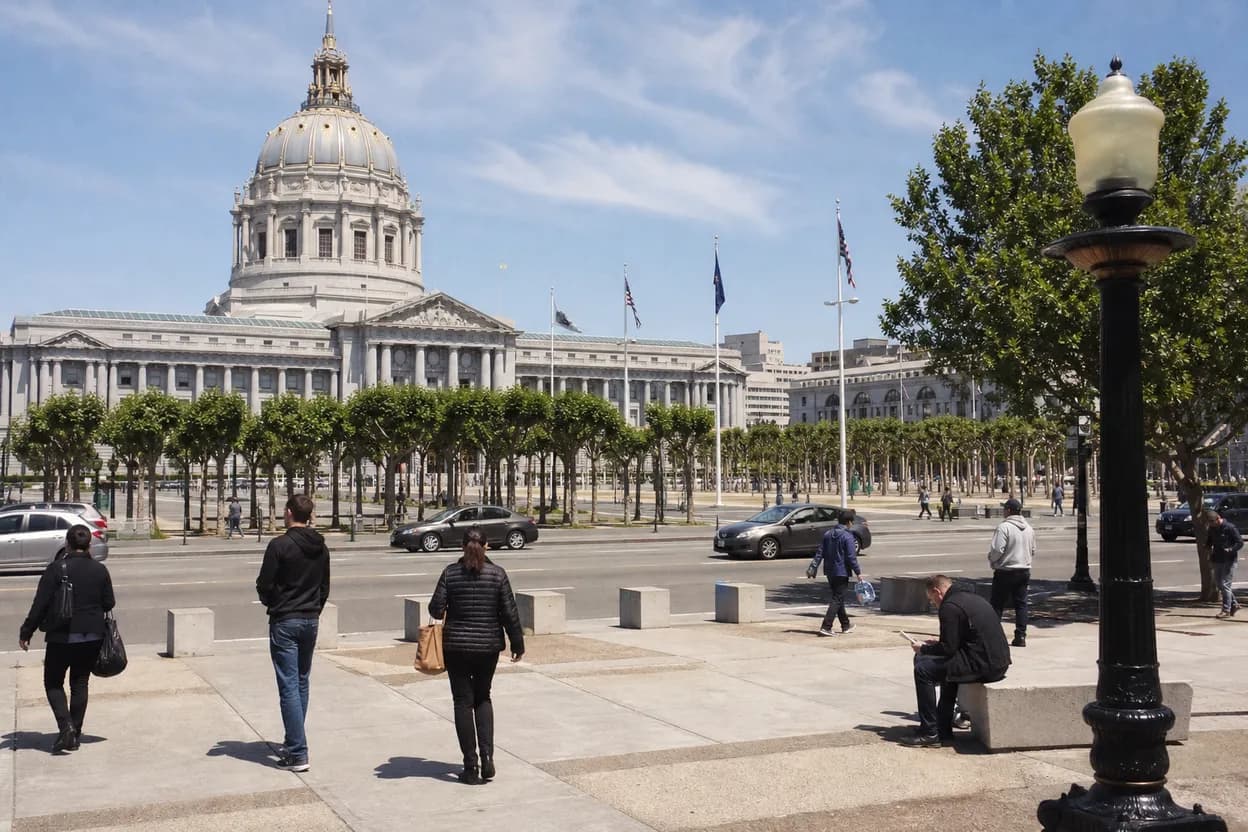
Writing a thorough biography of a professional athlete like damiris dantas requires more than quick internet searches—it demands systematic access to verified statistics, historical game records, and international journalism that captures career arcs across multiple countries and leagues. For students tackling back-to-school research projects on WNBA players with global backgrounds, San Francisco offers a concentrated research pathway through its Civic Center institutions, where the Main Library at 100 Larkin Street anchors a network of specialized collections. The challenge isn't finding information; it's locating primary sources that distinguish a profile from superficial summaries, especially when an athlete's career spans Brazilian leagues, European competitions, and American professional basketball. This route addresses the solo researcher working after school hours, building skills in database navigation, source verification, and cross-referencing multilingual materials—competencies that extend far beyond a single assignment.
Need to finish your athlete biography project before the deadline? Text Karpo with your school location, project due date, language requirements for sources, and whether you need help accessing digital archives. We'll map a three-stop research route with verified database access and provide a backup online archive if physical locations are closed.

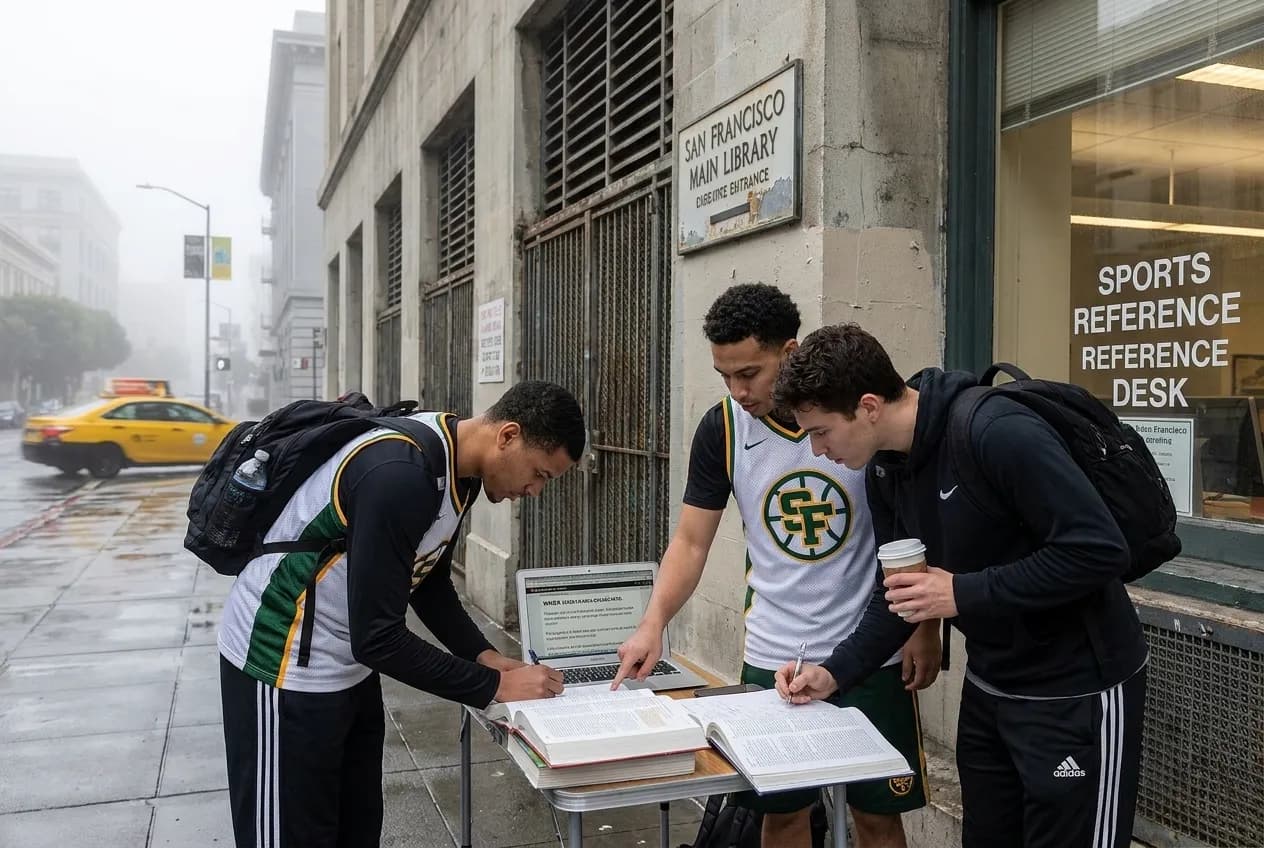
Starting Point: Main Library Sports Reference Desk Strategy
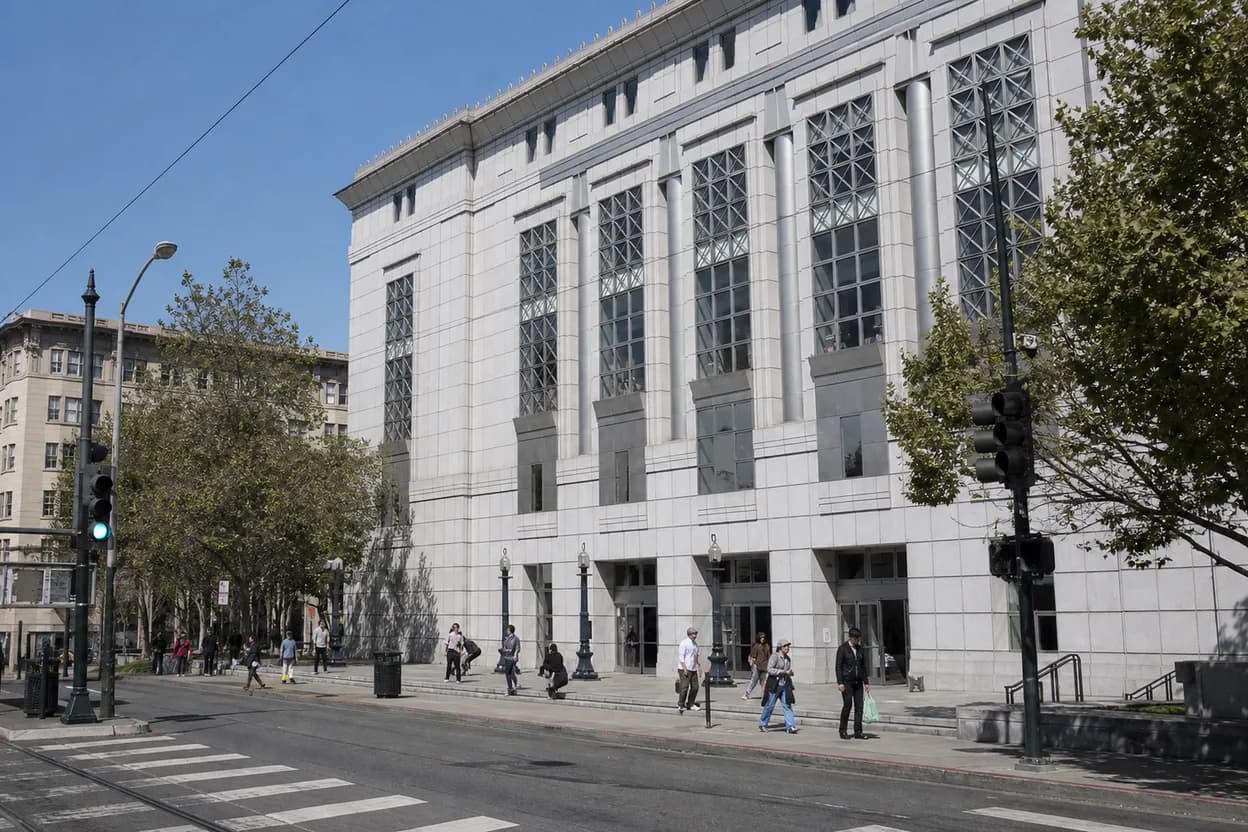
The San Francisco Public Library Main branch operates Monday through Thursday from 9 a.m. to 8 p.m., with Friday hours from 12 to 6 p.m., providing after-school access for students who finish classes by mid-afternoon. The sports reference desk on the third floor maintains subscriptions to specialized databases including newspaper archives with international coverage, statistical aggregators, and biographical reference collections that aren't freely available through standard search engines. The tradeoff here involves time investment: spending thirty minutes with a reference librarian to identify the right databases saves hours of later frustration sorting through unreliable sources or hitting paywalls.
Students should arrive with specific questions rather than vague requests—asking for "WNBA career statistics databases" or "Brazilian sports journalism archives with English interfaces" produces better results than general athlete inquiries. The library's digital resources include access to ProQuest and similar platforms that archive major newspapers, allowing searches filtered by date range, language, and geographic publication origin. For athletes with international careers, this filtering capability becomes essential: a player's early career coverage might exist primarily in Portuguese-language sources, while WNBA statistics appear in American sports databases. Verification becomes the critical skill—cross-referencing statistics across multiple databases to ensure accuracy before incorporating numbers into a biographical profile.
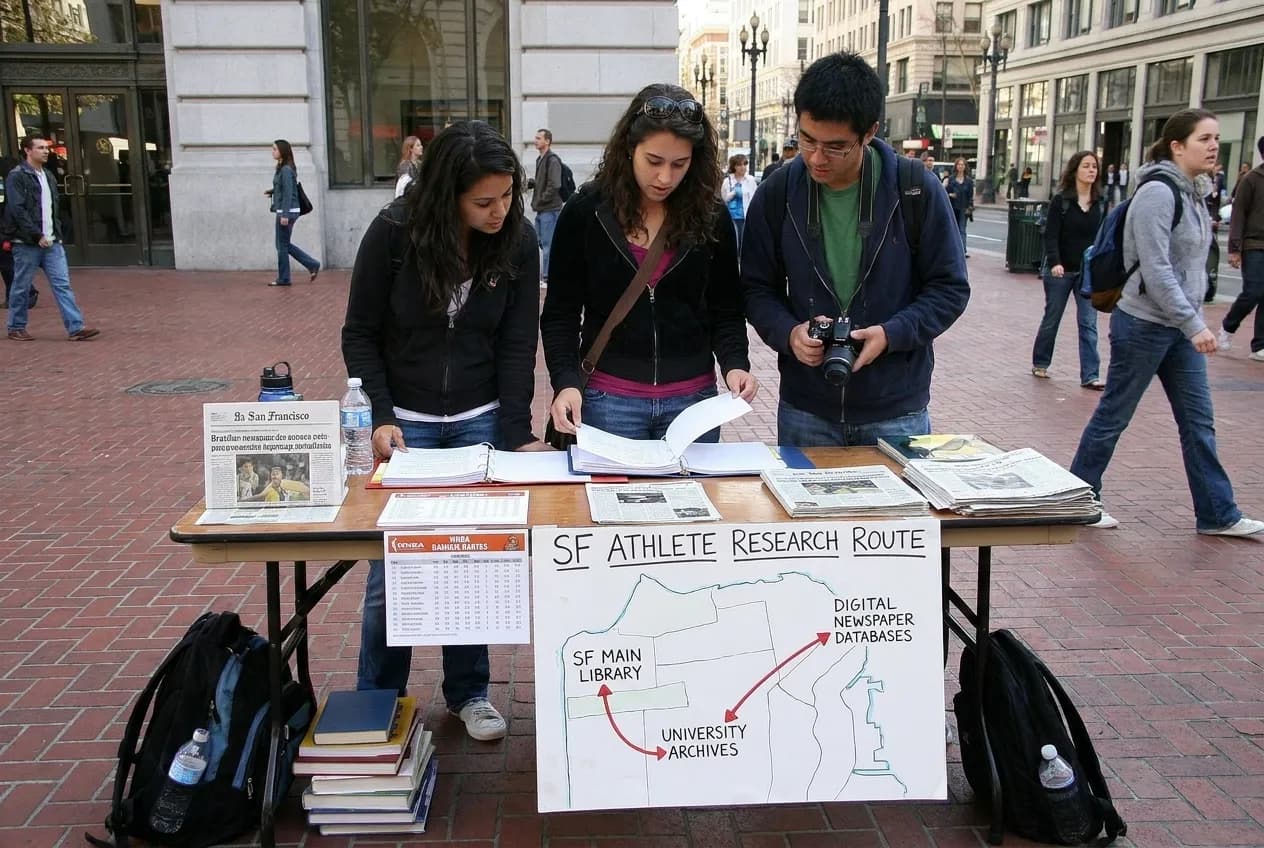
University Athletic Research Collections and Access Protocols
San Francisco's university libraries maintain specialized collections documenting women's professional sports, though access policies vary significantly between institutions. Some universities allow community researchers to use materials on-site during specific hours, while others restrict collections to enrolled students and faculty. The research pathway requires advance verification: calling ahead to confirm whether a high school student can access athletic department archives, what identification is required, and whether appointments are necessary. This step prevents wasted transit time, particularly when navigating between Civic Center locations and campus facilities.
University collections often house materials unavailable elsewhere—media guides, scouting reports, game programs, and coaching staff analyses that provide context beyond raw statistics. These documents reveal how professional evaluators assessed an athlete's skills at different career stages, offering perspective that enriches biographical writing. The difficulty level remains easy because the research doesn't require specialized knowledge to begin, but the companion factor—working solo—means students must develop their own organizational systems for tracking sources, noting call numbers, and documenting which collections they've already searched. Creating a simple spreadsheet before starting prevents duplicate effort and builds a bibliography as research progresses.
Portuguese Language Database Filters and Translation Resources
For athletes who began careers in Brazil before joining the WNBA, Portuguese-language sports journalism provides irreplaceable early-career coverage that American sources lack. The Main Library's database subscriptions include international newspaper archives with language filter options, but effective searching requires understanding how to construct queries that work across translation barriers. Simple athlete name searches often suffice, since proper names remain consistent across languages, but students should verify spelling variations—some databases catalog names with accent marks while others use simplified spellings.
The practical challenge involves deciding which Portuguese articles warrant translation effort. Browser-based translation tools provide rough comprehension sufficient for determining whether an article contains relevant biographical information, but these automated translations shouldn't be quoted directly in research papers. Students face a decision point: invest time seeking English-language sources that cover the same information, note the Portuguese source with a translated summary, or consult with language teachers or community members who can provide accurate translations of key passages. This research pathway suits curious students willing to navigate these ambiguities, developing information literacy skills that recognize when machine translation serves as a research tool versus when human translation becomes necessary for academic citation.
WNBA Statistical Databases and Verification Hierarchies
Official league statistics form the factual backbone of any athlete biography, but not all statistical sources carry equal authority. The WNBA maintains official records, while sports media outlets, fan sites, and statistical aggregators republish this data with varying accuracy and update frequencies. Students building reliable profiles must establish verification hierarchies—identifying which sources serve as primary authorities and which function as convenient but secondary references. The Main Library's sports databases provide access to archived box scores and season summaries that allow researchers to trace statistical claims back to original game records.
The research pathway emphasizes teaching students to distinguish between current statistics and historical records. A player's career totals change with each game during active seasons, meaning sources must be dated and researchers must note when statistics were accessed. For biographical projects, this temporal dimension matters: describing an athlete's career through 2025 requires different statistical framing than a profile updated through the 2026 season. Solo researchers working after school benefit from creating simple tracking documents—spreadsheets listing statistical categories, sources consulted, and dates accessed—that prevent confusion when synthesizing information from multiple database sessions conducted over several days or weeks.
Building Research Routes Around Transit and Library Hours
The practical logistics of this research pathway depend on coordinating library hours with San Francisco's public transit schedules. Students coming from schools across the city can use the SFMTA trip planner to map routes to the Main Library at 100 Larkin Street, with Muni lines providing access from most neighborhoods. The after-school timeframe—roughly 3 to 6 p.m. on weekdays—aligns well with Main Library hours, though students should note the Friday schedule shifts to a noon opening. Planning research visits around these hours prevents arriving at closed facilities, a particular concern when working solo without adult transportation backup.
The research pathway's easy difficulty rating reflects logistical accessibility rather than intellectual simplicity. Students don't need specialized academic credentials to begin, library resources are free to city residents, and the physical route concentrates within walkable Civic Center distances. However, the intellectual work—evaluating source reliability, cross-referencing statistics, synthesizing information from multiple languages and database formats—develops progressively more sophisticated skills. This combination makes the pathway ideal for motivated students in that curious emotional state where they're genuinely interested in understanding how professional research differs from casual information gathering. The route teaches that comprehensive biographical writing requires systematic investigation, source documentation, and verification habits that distinguish academic work from content scraped together from whatever appears first in search results.
Tags: #WNBAresearch #athletebiography #SanFranciscolibraries #sportsreference #internationalathletes #studentresearch #CivicCenter #databaseresearch #Portuguesesources #afterschoolresearch #MainLibrarySF #universitycollections #statisticalverification #multilingualresearch #backtoschool
Sources consulted: Source 1: sfmta.com · Source 2: sfpl.org · Source 3: sfmta.com · Source 4: weather.gov
All trademarks are the property of their respective owners.
Ask Karpo first
Ask Karpo to turn this San Francisco idea into a current plan for your date, budget, companion, transit preference, and energy level. Karpo can narrow the route and flag what to verify before you go.