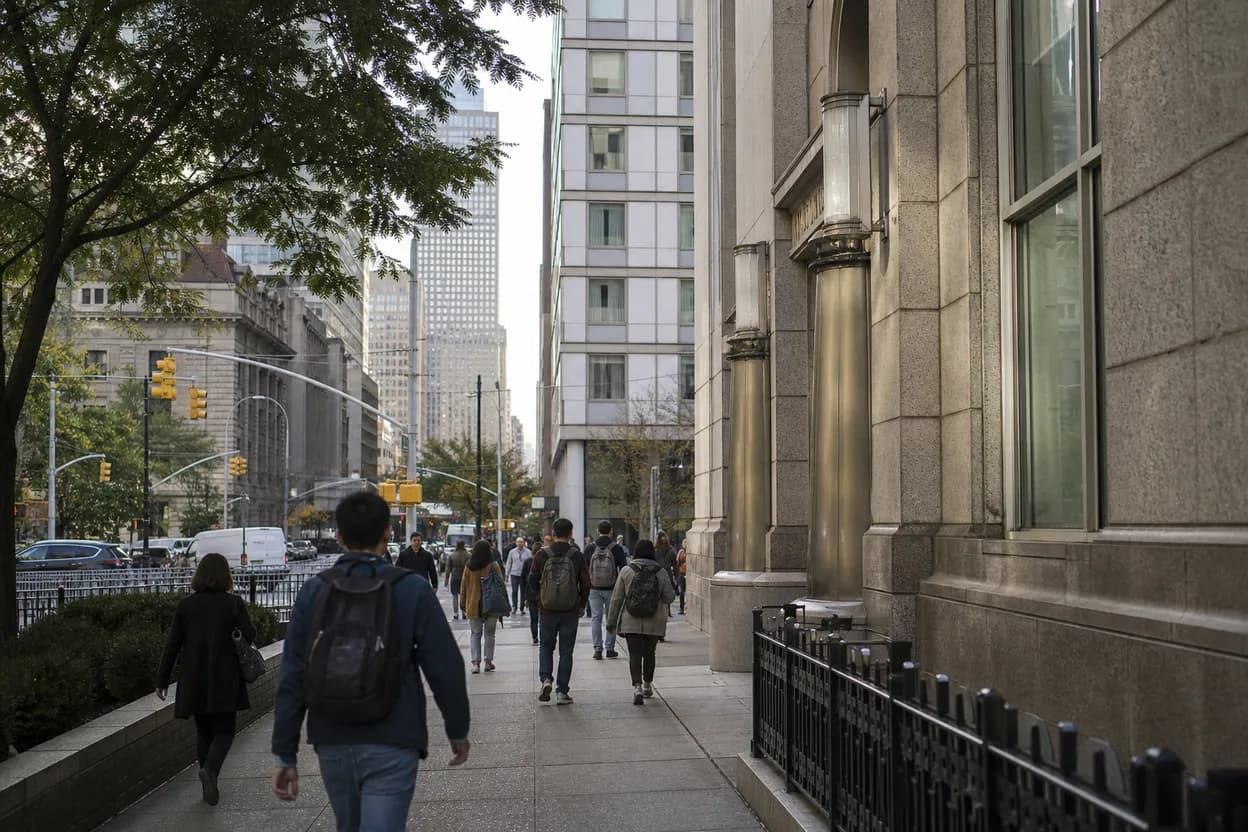
A CUNY commute can look simple on a map and still fail when a transfer is packed, an elevator is out, a bus connection disappears, or a class ends later than planned. The useful move before the semester is a commute trial: travel the route at the real class time, measure the walk, check fare assumptions, and decide what happens when the first option breaks. June 2026 PIX11 reporting says about 1,250 CUNY students will receive free OMNY cards through a pilot, while NYC Moov lists planning tools, alerts, fares, and transfers. Treat those as starting points, then verify changing details with CUNY and official transit sources.
Want a CUNY route test that covers timing, transfers, fare help, accessibility, and backup options? Text Karpo before classes start and pressure-test the commute.
Treat The Commute As Coursework
A commute trial is not overplanning. It is attendance preparation. Hoodline's March 2026 reporting described student advocates arguing that transit costs can lead to missed classes, late arrivals, skipped meals, and delayed graduation. That is advocacy context, but the practical risk is clear: a route that strains money or time will compete with coursework. The trial should reveal the true door-to-door cost before the semester adds assignments, jobs, family care, and deadlines.
Pick one weekday before classes begin and leave when the semester schedule would actually require it. A route tested at 10 a.m. does not prove an 8 a.m. commute works. Time the front door, platform wait, transfer, campus walk, elevator or stair choice, and building entry. Note where crowding slows movement. The result is not a perfect forecast; it is a realistic baseline for how much buffer the student needs.
Check The OMNY Pilot Carefully
PIX11 reported on June 30, 2026 that about 1,250 CUNY students will receive free OMNY cards in the fall and spring semesters through the CUNY Student Commuter Grant Pilot Program, citing City Council Speaker Julie Menin's office. That is reported program detail, not a universal benefit for every student. Students should avoid building a semester budget around the card until their own campus confirms eligibility, distribution, and required steps.
The same PIX11 report says eligible students must take at least two in-person classes and not be eligible for other travel benefits. It also reports that cards are non-transferable, valid only on days CUNY campuses are open, and usable for subway, local bus, and Access-A-Ride. Those limits matter for hybrid schedules, internships, weekend work, and errands. Verify final rules directly with CUNY, because small restrictions can change the real value.
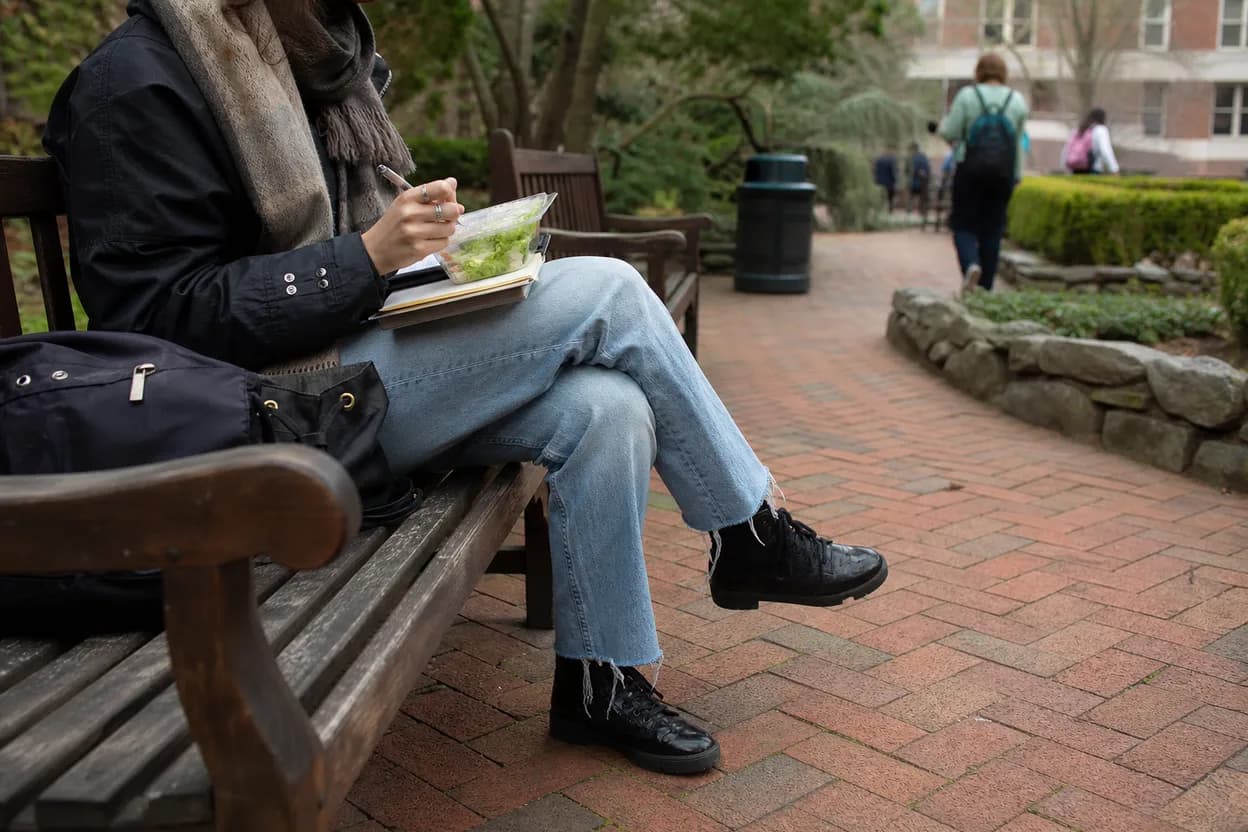
Understand The Trip Count
PIX11 reports the pilot card allows two rides per day for a total of 75 trips per student. Hoodline's earlier March coverage described a proposed five-day OMNY pass with roughly 75 trips per participant and priority arguments for student parents, students with disabilities, and other high-need groups. For planning today, the later PIX11 report is the more current source in the supplied material, while Hoodline explains why advocates pushed the idea.
Two rides per day may cover a simple round trip, but it may not cover a day with a midtown internship, a childcare stop, a second campus visit, or a missed connection that requires a different paid leg. During the trial, count taps rather than just trains. Write down whether the route needs one paid entry, a free transfer, or an extra fare. That count determines whether the pilot would actually match the student's week.
Use A Real Planner
NYC Moov describes a trip planner with real-time MTA schedules, maps, service alerts, and mode choices across subway, bus, rail, ferry, walking, biking, and car. It says users can enter start and end locations with leave-at or arrive-by timing. Use that type of planner for the first draft, because CUNY trips often mix walking, subway, and local bus rather than following one clean line from home to campus.
Then verify the route against official MTA sources, especially if the class is required, attendance is strict, or service is already disrupted. A planning app can show a good-looking transfer while real service conditions make it fragile. Check alerts before leaving, again before the transfer, and once near campus. For accessibility, confirm elevator status and step-free alternatives separately. A route that works only when every moving part behaves is not the only plan.
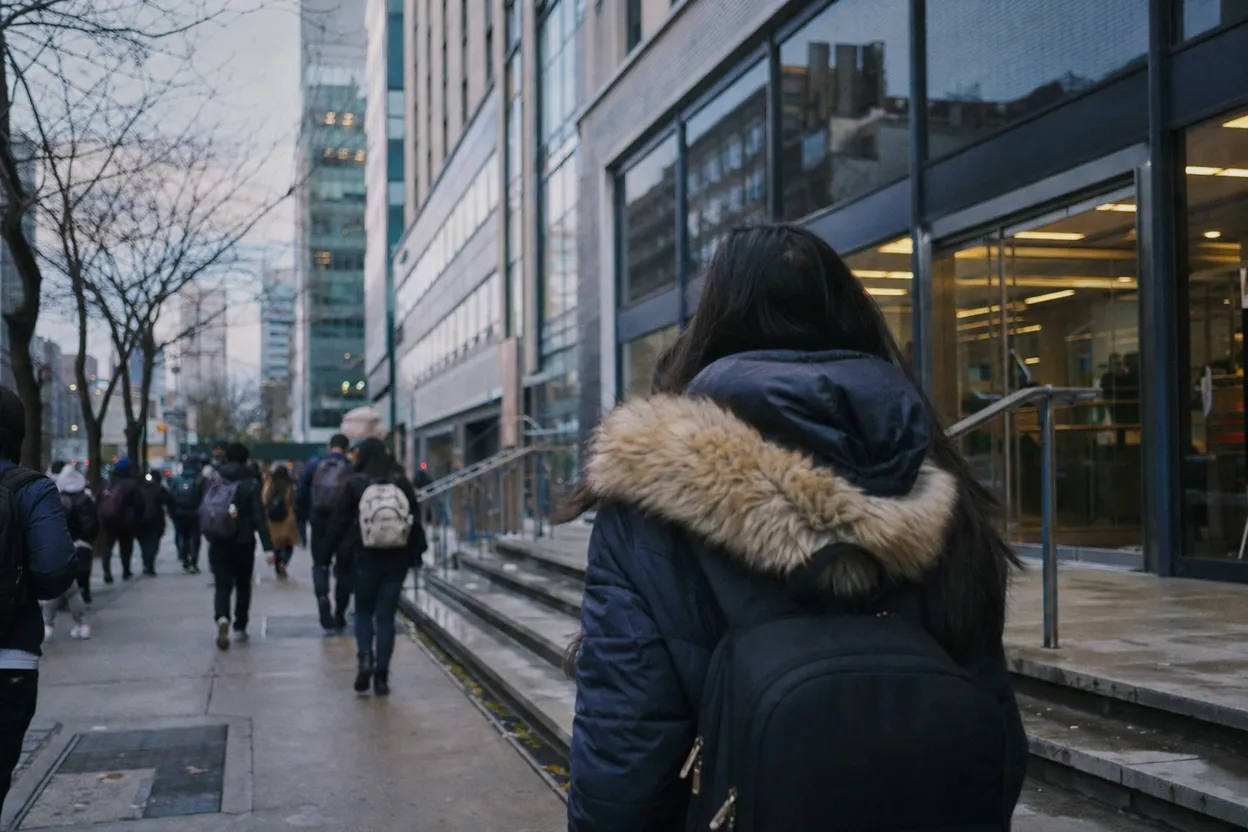
Price The Ordinary Week
NYC Moov's extract lists the base fare as $3.00 for subway and local bus, express buses at $7.25, and a $35 weekly fare cap with OMNY. It also says transfers are free within two hours between subway and local bus when using the same OMNY card or contactless payment. Those details help estimate a normal week, but they should be checked against official MTA fare information before financial decisions.
Build the week around the actual schedule, not the best day. Include class days, lab days, campus job shifts, tutoring, club meetings, and the trips that happen because a professor moves office hours. If a route depends on express bus, commuter rail, ferry, or a nonstandard connection, do not assume local bus and subway transfer rules apply. The trial should expose whether the affordable route is also punctual enough to use repeatedly.
Plan Food And Waiting Time
The supplied sources do not document campus dining hours, library hours, neighborhood food prices, restroom access, or building entry rules, so do not invent them. During the commute trial, walk from the final stop to the classroom building, then locate the nearest realistic food option, restroom, indoor waiting space, and quiet study place. Record what must be verified later with the college, because hours and access policies can shift before classes start.
This matters most for students with long gaps, evening courses, work shifts, medication schedules, or caregiving responsibilities. The fastest route may be worse if it leaves no affordable meal option, no accessible waiting place, or a long outdoor wait after dark. Test the route as a full day, not just a train ride. If the plan relies on one specific food stop or building lobby, choose a second option nearby.
Build The Backup Route
A real commute plan includes a second route, a late-arrival threshold, and a decision rule. Decide in advance how many minutes of delay trigger a switch to a bus, another subway line, a longer walk, rail, or a message to the instructor under the class policy. Save the backup stop and route before the semester starts. In the moment, stress makes vague alternatives less useful than a written fallback.
Final checklist: confirm CUNY OMNY pilot eligibility and application details, test the route at class time, count paid taps, verify fare rules officially, save service-alert sources, check elevators if needed, identify food and restroom options, and name the backup stop. Also confirm building access and any class attendance policy. The goal is not a flawless commute. It is fewer preventable surprises when the semester gets busy and time gets tight.
Tags: #CUNY #CUNYCommute #OMNY #StudentOMNY #NYCTransit #SubwayNYC #BackToSchoolNYC #CollegeCommute #NYCStudents #TransitPlanning #CUNYStudents #KarpoNYC #AskKarpo #BeforeYouGo
Sources consulted: Source 1: pix11.com · Source 2: hoodline.com · Source 3: nycmoov.com
All trademarks are the property of their respective owners.
Ask Karpo first
Tell Karpo your date, group size, budget, and starting neighborhood. We’ll check current access, timing, transit, and the cleanest plan for CUNY campus commute routes before you head out.