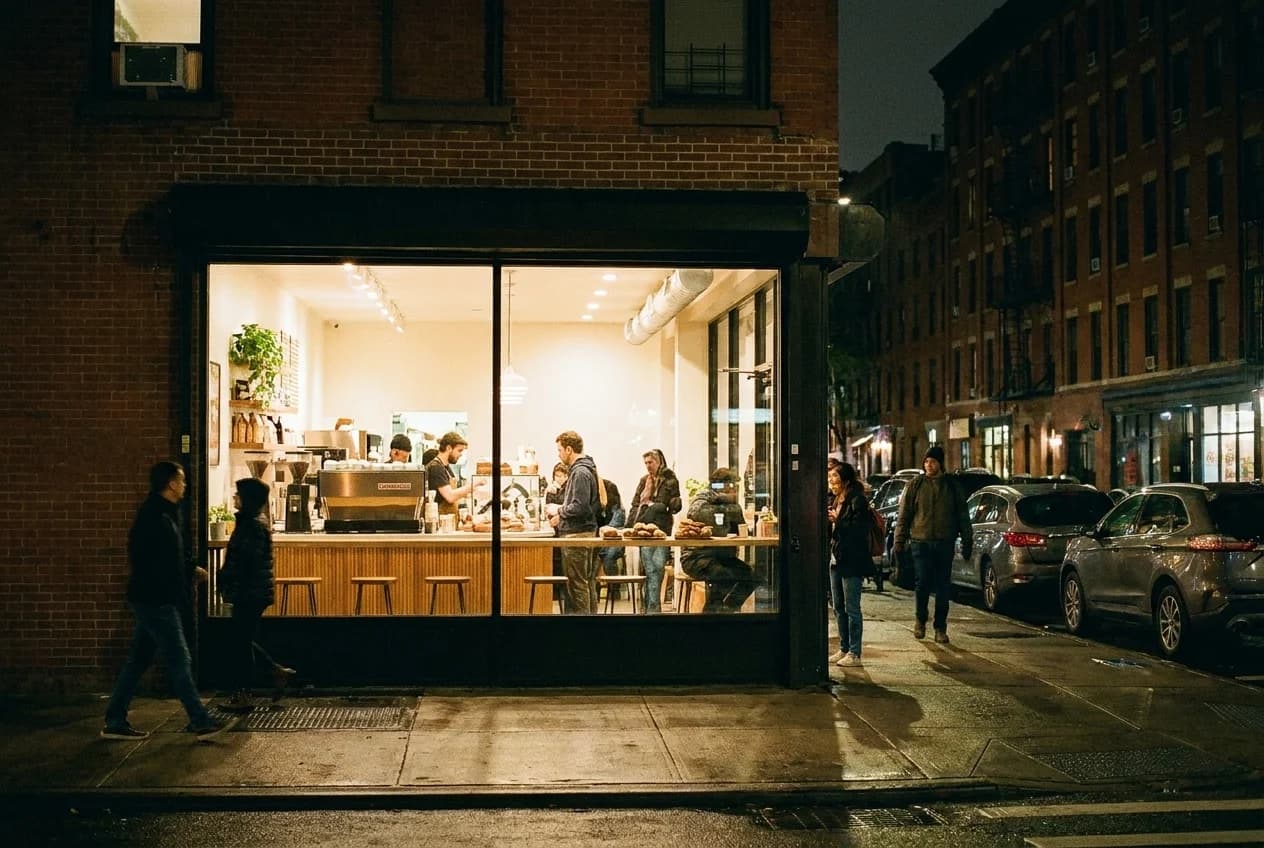
Court Street-Borough Hall is a better candidate for a step-free school commute than it was last year, but it still needs a rehearsal before the first bell routine depends on it. The complex connects the R at Court Street with Borough Hall service on the 2, 3, 4, and 5, and newly completed accessibility work brought elevators to the numbered-line side. For Brooklyn families managing a stroller, mobility device, or younger student, the question is practical: can this exact path survive a weekday morning with crowding, wet sidewalks, and a backup decision? Treat the practice run as a route-risk check, not a sightseeing stop.
Want a second check before the first school week? Text Karpo your starting stop, school-area stop, stroller or mobility needs, and practice-run time for a route-risk read.
Start the Court Street-Borough Hall Rehearsal at Joralemon Street
Treat the Joralemon Street elevator area as the first test, because MTA project materials identify three new elevators for Borough Hall: one between street and mezzanine and two between mezzanine and platforms. Arrive after a clear morning following rain with enough margin to notice puddles, slick curb cuts, sidewalk crowding, and whether your child can identify the entrance without being coached. If the entrance itself feels confusing, the commute is not ready yet.
Do not let the station name flatten the layout. Court Street-Borough Hall is a connected complex, not one simple box under one corner. The R side, the 2 and 3 side, and the 4 and 5 side sit in different parts of Downtown Brooklyn. On the rehearsal, say the street names aloud, point out Borough Hall, and have your child repeat which entrance they should use if you are separated, delayed, or rerouted.
Use Borough Hall’s New Numbered-Line Elevators as the Core Test
The July 22, 2026 accessibility announcement matters most for families using the numbered lines. Official state and MTA project information says Borough Hall work made the 4 and 5 portion accessible and added three elevators, while also renewing platform edges and station conditions. That is the route to rehearse if the school commute depends on 2, 3, 4, or 5 service and cannot absorb stairs on an ordinary morning.
Still, an accessible station is only accessible for your trip if every required elevator is running when you arrive. Before leaving home, check the MTA app or elevator status tools for Borough Hall and Court Street, then confirm again at the station if signs disagree. If any needed unit is out, switch immediately to the backup route instead of negotiating stairs with a stroller, cane, wheelchair, tired child, backpack, or wet shoes.

Time the Court Street R Transfer Before School Pressure Starts
If the route uses the R at Court Street, build the rehearsal around the transfer, not just the first train. The R platform is part of the connected fare-control complex, but moving between the R side and the Borough Hall numbered-line side can add decision points for a child. Practice the exact direction of travel, then time it calmly from train door to the next platform without pushing through commuters or guessing from memory.
The R also has service patterns and advisories that can confuse families reading saved directions, so verify the live route for the actual school-day hour. For a morning commute, the bigger issue is usually not a map label but platform confidence, stairs versus elevators, and whether the child understands which train is the real destination. If the transfer still depends on adult prompting at every sign, repeat the rehearsal before relying on it.
Measure Borough Hall Morning Crowd Pressure Block by Block
Downtown Brooklyn morning movement is layered: students, court visitors, office workers, parents, and civic-building foot traffic converge around Borough Hall, Court Street, Joralemon Street, Montague Street, and the Brooklyn Municipal Building. A stroller or mobility device changes how that pressure feels. During the practice run, stop before each turn and watch whether people queue, cross against the light, cluster at fare gates, or block elevator doors when trains unload.
A manageable route should let the parent stay beside the child, not constantly pull them out of someone else’s path. Give the transfer a simple crowd score: green if you can pause without being shoved, yellow if you need extra adult direction, red if elevator waits or platform movement make the child anxious. If it scores red during rehearsal, plan an earlier departure, a calmer entrance, or a different station pairing.
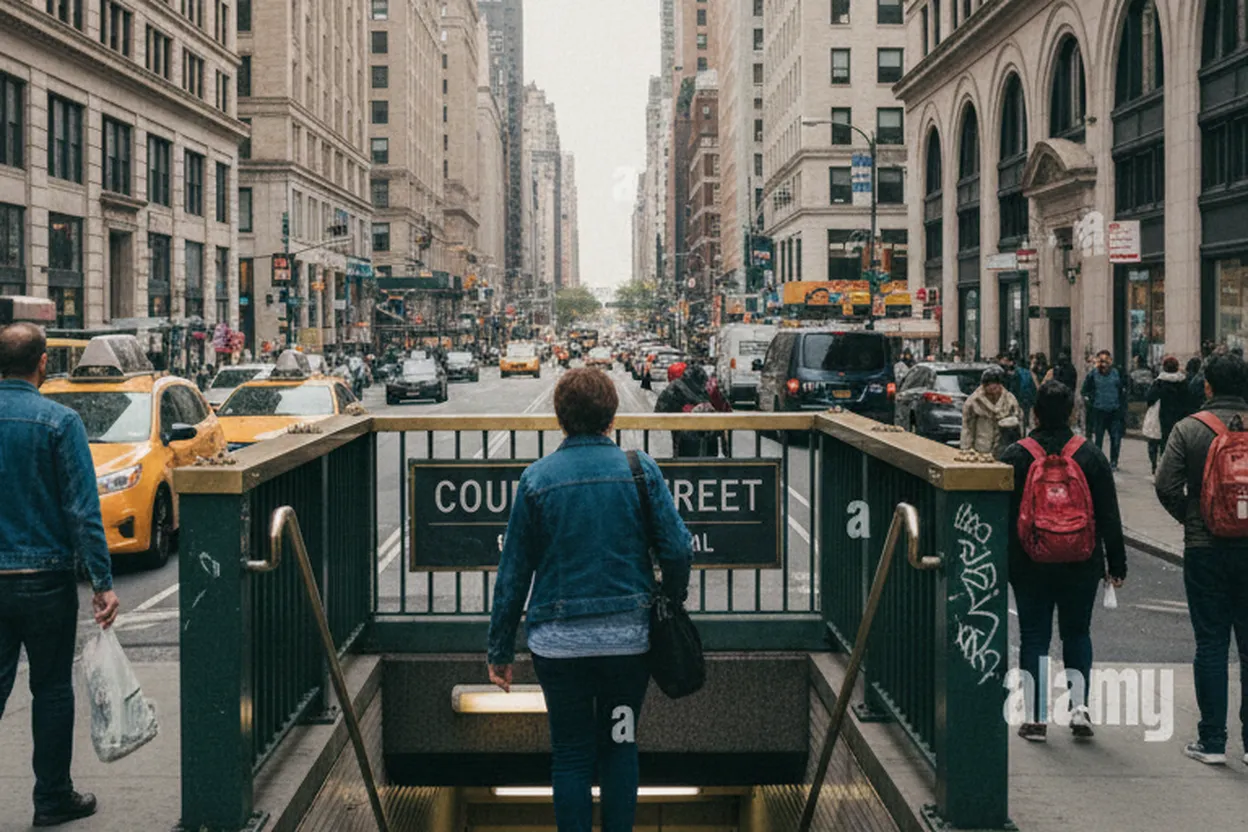
Check Borough Hall Platform Boarding, Gap, and Waiting Position
MTA project information for Borough Hall includes platform-edge replacement and accessibility work, which matters because elevator access alone does not guarantee easy boarding. During the rehearsal, find the ADA boarding area or most practical waiting spot, observe the gap, and note whether train doors stop predictably near where you stand. A young student should learn where to wait without drifting toward the edge, leaning around columns, or following the crowd blindly.
Use the train arrival as a behavior check. Can your child stand behind the tactile strip, hear instructions over station noise, and wait for riders to exit before boarding? Can you position a stroller without blocking the elevator path or platform flow? If the answer is no, the route may still work, but it needs more buffer time, a consistent car choice, and a clearer adult-child script before school starts.
Build a Clark Street, Jay Street, or Bus Backup Beforehand
A real school route needs a failure mode. If an elevator is out, a platform is crowded, or a child freezes during the transfer, decide in advance whether the family should reroute through another accessible subway stop, use a nearby bus, call for pickup, or walk part of the trip. Save the backup in the same map app used for the commute, and label it by school destination, not by neighborhood.
Nearby options can change by destination, so verify them for the school address rather than for Downtown Brooklyn in general. Clark Street, Jay Street-MetroTech, local buses listed for the Borough Hall area, or a shorter sidewalk segment may be useful in some cases and useless in others. The test is whether the backup keeps step-free access intact and still gets the student to school without turning one elevator outage into a full morning failure.
Make the Court Street-Borough Hall Go Decision the Night Before
The night before the first real commute, repeat only the changing checks: MTA service status, elevator and escalator outages, planned work, weather, and the school’s arrival window. A route that passed on a clear practice morning can still fail if rain slows sidewalks, an elevator is listed out, or a service change alters transfers. If a fact cannot be confirmed, treat that uncertainty as a reason to leave earlier or use the backup.
Make the go decision practical. Use Court Street-Borough Hall if the needed elevators are reported working, your child can name the entrance and transfer, and the rehearsal time stayed within the school buffer. Use the backup if any step-free link is uncertain or the child needed too much prompting. The goal is not proving independence on day one; it is arriving safely, calmly, and repeatably while everyone is still learning the route.
Tags: #AskKarpo #BeforeYouGo #CourtStreet #BoroughHall #BrooklynFamilies #BackToSchool #AccessibleNYC #MTA #SubwayElevator #SchoolCommute #DowntownBrooklyn #StrollerFriendly #RouteCheck #NYCTransit
Sources consulted: Source 1: intercom.help · Source 2: data.ny.gov · Source 3: brooklyneagle.com · Source 4: governor.ny.gov
All trademarks are the property of their respective owners.
Ask Karpo first
Tell Karpo your date, group size, budget, and starting neighborhood. We’ll check current access, timing, transit, and the cleanest plan for Court Street-Borough Hall station complex before you head out.