For a Sunday early afternoon when New York feels too hot, humid, or hazy for ambitious wandering, Cooper Hewitt has a useful kind of plan: focused, indoor, visual, and easy to leave before museum fatigue sets in. The current hook is “Made in America: The Industrial Photography of Christopher Payne,” a show of large-format factory photographs at the Smithsonian design museum on the Upper East Side, listed by current arts coverage as running through September 27, 2026. It is a better fit for someone curious about how things are made than for someone chasing blockbuster spectacle, and that is the advantage.
Want a heat-safe culture plan that fits your timing, budget, and subway tolerance? Text Karpo before you go, and ask for the simplest Cooper Hewitt version today.
Why This Works On A Hot Sunday
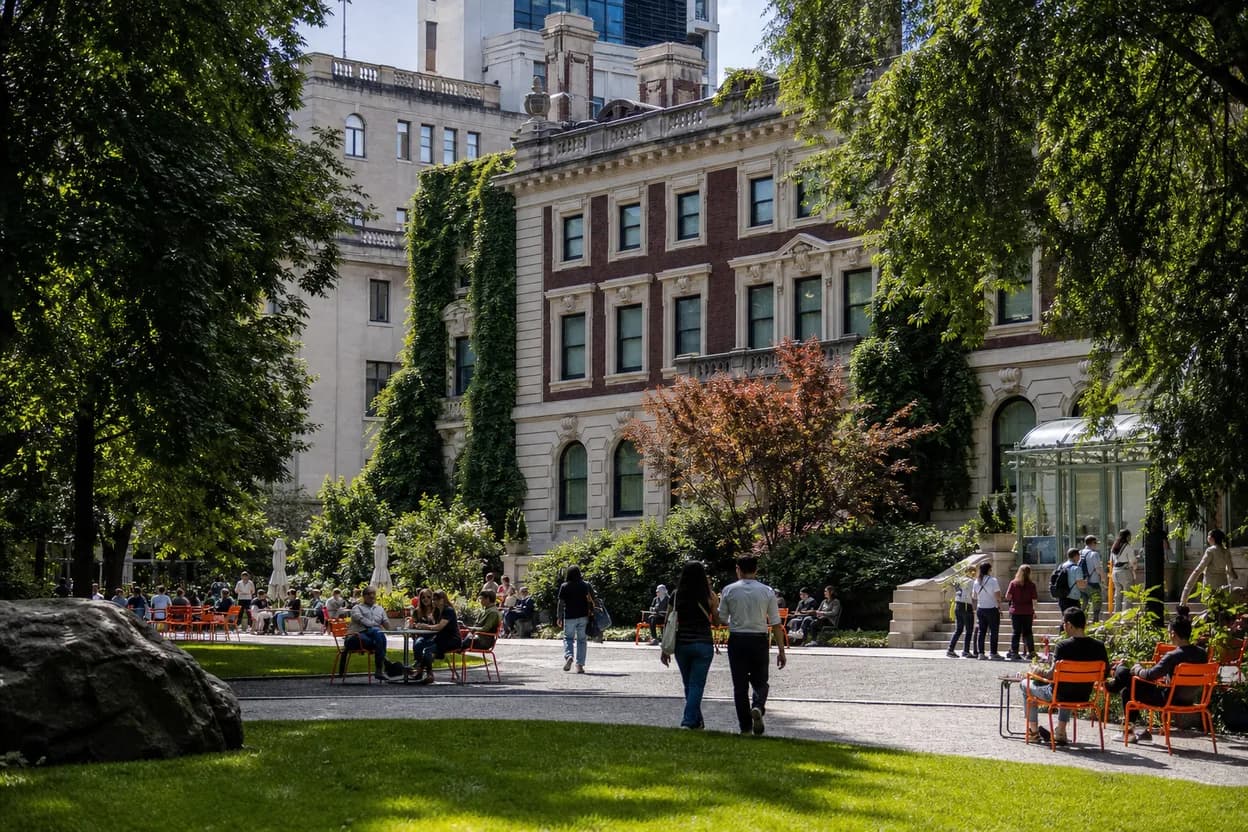
The practical reason to choose Cooper Hewitt is not just that it is indoors. It is a contained museum in the Andrew Carnegie Mansion at 2 East 91st Street, close enough to Central Park for optional air after, but strong enough as a standalone stop. On a hot or poor-air-quality afternoon, the plan keeps exposure brief: subway or bus, museum, maybe a short garden pause, then leave before the day turns into logistics.
The emotional fit matters too. Payne’s photographs reward low-energy attention because they are dense with machinery, work surfaces, conveyor lines, tools, materials, and repeated forms. You do not need a lecture, a timed performance, or a long route through multiple neighborhoods. Bring the friend who notices manufacturing details, hardware stores, old industrial buildings, food production, packaging, or process videos, and this becomes a shared looking exercise rather than a forced culture outing.
What The Exhibition Is Actually About
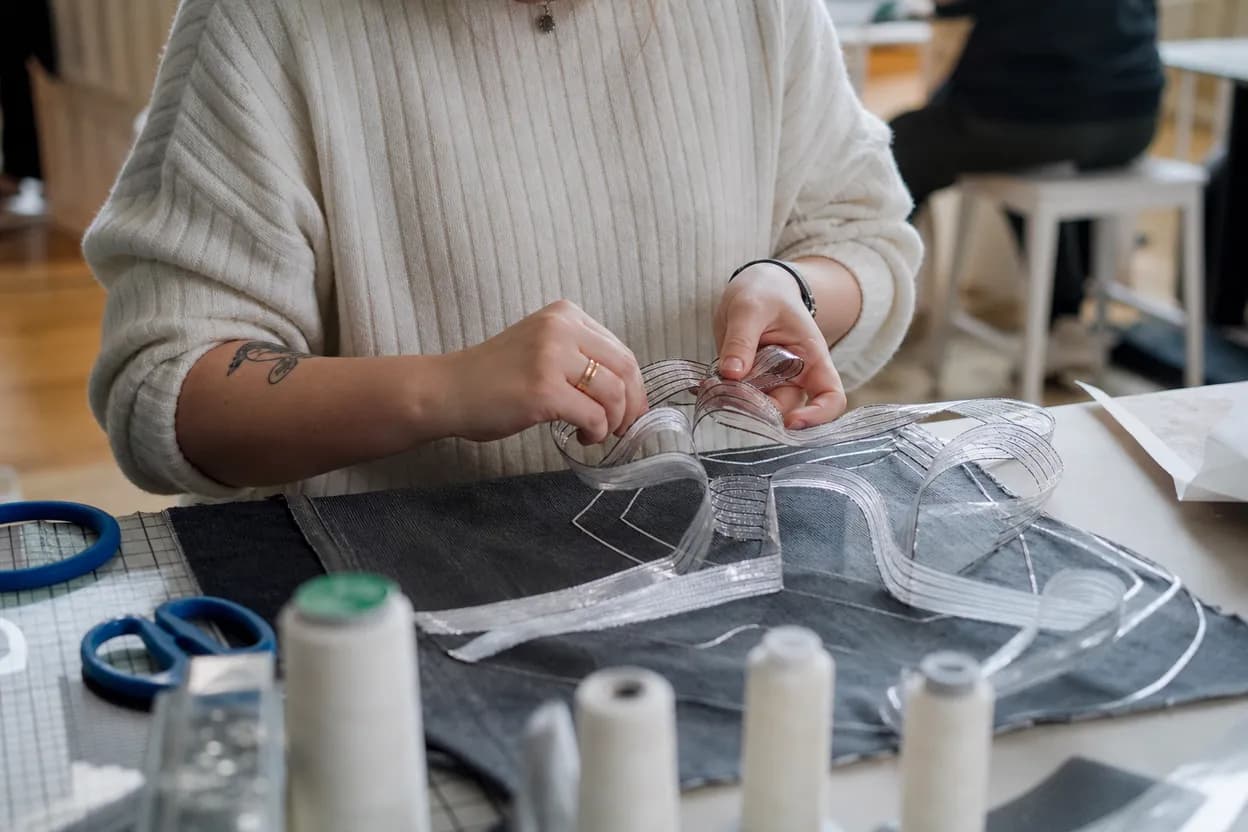
“Made in America: The Industrial Photography of Christopher Payne” is being covered in July 2026 as a Cooper Hewitt exhibition of more than 70 large-format photographs made during Payne’s decade-long look at American factories, craft, and industrial production. Current reporting highlights images ranging from confectionery production to large-scale manufacturing, which fits Cooper Hewitt’s design lens: objects are not treated only as finished products, but as outcomes of systems, tools, labor, and built environments.
That framing is the reason this is a stronger Upper East Side stop than another poster-heavy design show. Payne trained as an architect and is known for photographing industrial and architectural spaces, including active manufacturing rather than only abandoned ruins. The draw is not nostalgia alone. The useful question is whether you enjoy seeing how materials, machines, and human routines shape everyday things. If yes, give the show your freshest attention first.
Timing, Tickets, And The First Check
Before leaving, verify Cooper Hewitt’s own visit page for today’s hours, ticket availability, admission categories, and any same-day closures. Cooper Hewitt is a Smithsonian museum, but it is not reliably interchangeable with the free Smithsonian museums in Washington; current reference material still notes that this New York design museum charges admission. Do not build the afternoon around an assumed free entry, a remembered late night, or a screenshot from an older visit.
For a Sunday early afternoon, aim for a simple arrival window rather than a packed itinerary. If tickets are timed or capacity-managed when you check, book the slot you can actually make after accounting for train delays and the walk from Lexington Avenue. If the price, hours, or exhibition status cannot be confirmed on the official site that morning, make that uncertainty the decision point: call, choose another museum, or go only if you accept the risk.
Getting There Without Draining The Day
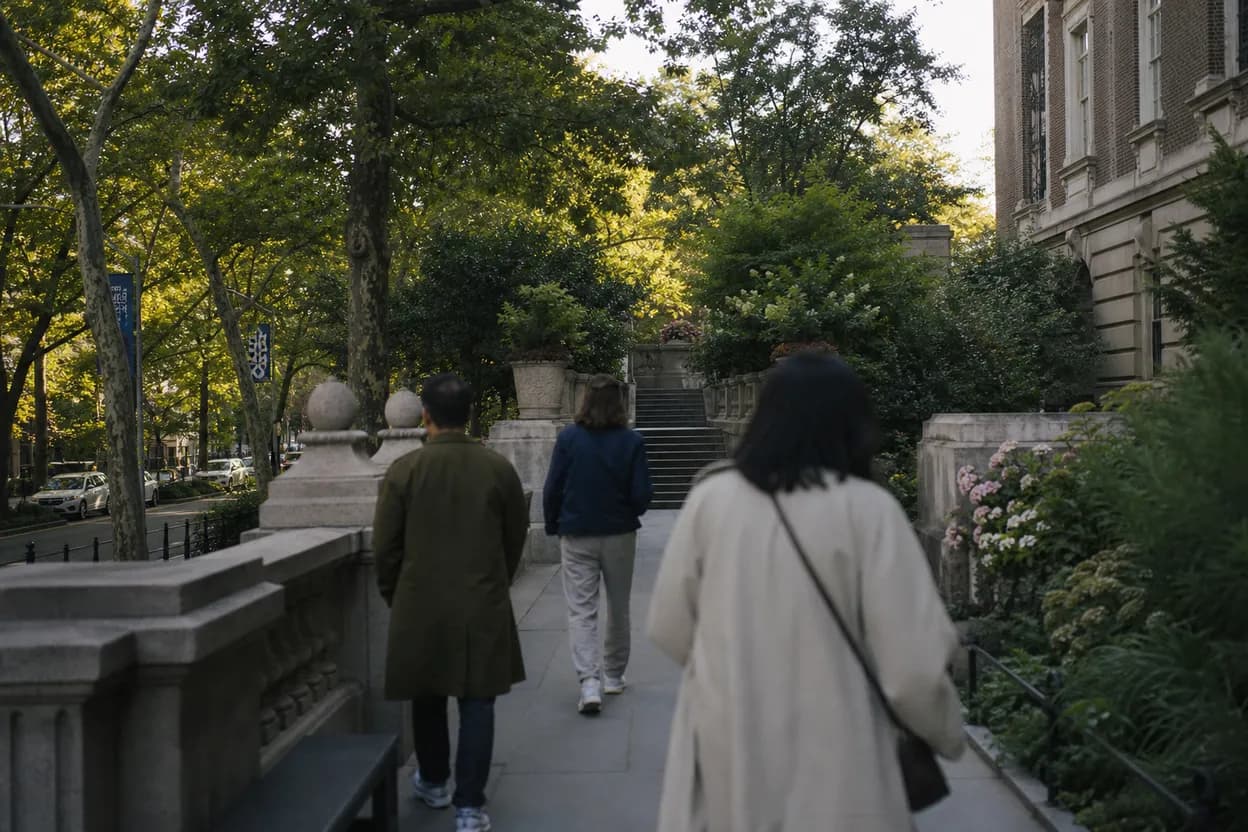
The museum sits on Museum Mile, near Fifth Avenue and 91st Street. The common subway approach is via the 4, 5, or 6 on Lexington Avenue, with 86th Street and 96th Street both used for Upper East Side museum access depending on service, mobility, and where you start. Because MTA service changes are day-specific, check the MTA site or app before you leave, especially on weekends when express patterns and station work can change the better route.
If heat is the problem, optimize for fewer transfers and less walking, not for the theoretically fastest trip. A bus along Fifth, Madison, Lexington, or 86th may be slower but easier if it reduces stairs or platform time. Ride-share drop-off can work, but traffic around Central Park and Museum Mile can make it less predictable than it looks. The failure mode is arriving already overheated, then trying to appreciate quiet photographs with no patience left.
How To Pace The Visit
Treat this as a 75-to-110-minute stop unless you are a design-museum completist. Start with Payne’s exhibition, move slowly through the strongest factory interiors, and resist the urge to read every label before you have looked. The photographs are large and detailed, so the best pace is not a checklist pace. Pick five images to inspect closely: materials, lighting, worker position, machine scale, and what the finished product seems to require.
After the show, decide whether your energy supports the rest of Cooper Hewitt or only a short look at the building and shop. The Carnegie Mansion setting is part of the visit, but it can also compete with the exhibition for attention. If your companion likes process more than decorative arts, do not turn the afternoon into a full museum survey. Leave while the factory images still feel crisp rather than padded by obligation.
Accessibility And Comfort Notes
Cooper Hewitt publishes accessibility information, and that official page should be checked before visiting for current entrance, elevator, restroom, seating, assistive device, service animal, and accommodation details. The building is historic, so do not assume every path feels like a newer museum even when accessible routes exist. If stairs, fatigue, low vision, hearing access, or seating frequency matter, verify the exact current arrangement directly with the museum before buying tickets or committing companions.
Comfort planning is straightforward but important. Bring water for the trip, not for drinking inside galleries where rules may restrict it. Check bag policies before carrying a large backpack or extra shopping. If air quality is bad, keep the outdoor portion minimal and avoid making Central Park the required second act. The best version of this plan protects energy: arrive cool, see the exhibition, use the restroom, and leave with enough reserve to get home comfortably.
What to verify for Cooper Hewitt, Smithsonian Design Museum, Manhattan
This plan fails if the exhibition is unexpectedly closed, tickets are gone, the museum hours changed, transit is messy, or your group needs food immediately on arrival. Build a decision tree before leaving: if Cooper Hewitt is open and the show is confirmed, go; if only hours are unclear, verify by phone or official channels; if transit adds too much walking in heat, postpone; if your companion wants immersive spectacle, choose a different museum day.
Final checklist for July 16, 2026 planning: confirm Cooper Hewitt’s official hours and admission, confirm “Made in America” is on view, check whether advance tickets are recommended or required, review accessibility details for your group, check MTA weekend service, check heat and air quality, and pick a nearby indoor backup before departure. Keep the plan small. The value here is a precise, cool, visually rich stop, not a full Upper East Side campaign.
Tags: #AskKarpo #BeforeYouGo #KarpoNYC #NYCWeekendPlans #CooperHewitt #UpperEastSide #MuseumMile #ChristopherPayne #MadeInAmerica #IndustrialPhotography #DesignMuseum #HeatSafeNYC #NYCCulture #SundayPlans
All trademarks are the property of their respective owners.
Ask Karpo first
Tell Karpo your date, group size, budget, and starting neighborhood. We’ll check current access, timing, transit, and the cleanest plan for Cooper Hewitt, Smithsonian Design Museum, Manhattan before you head out.