The World Cup's Unofficial Fashion Week
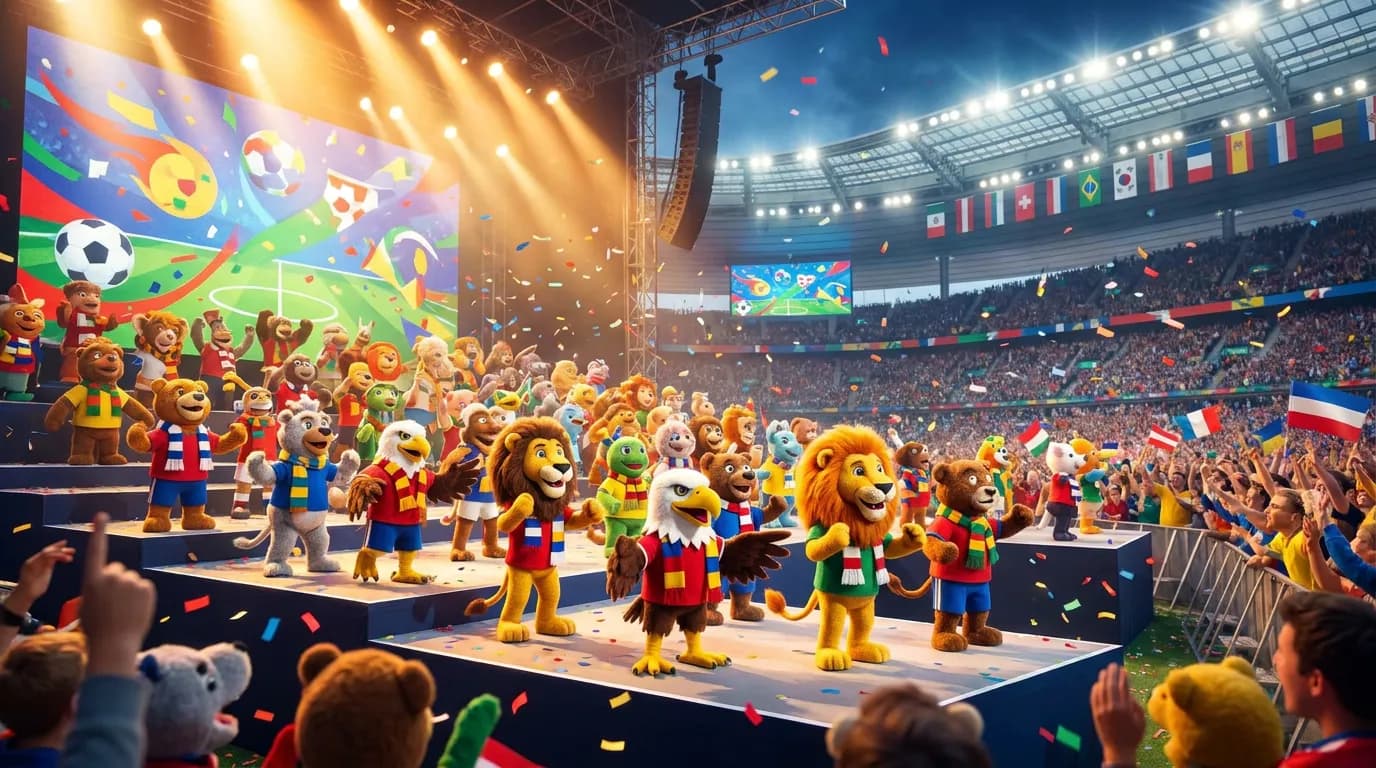
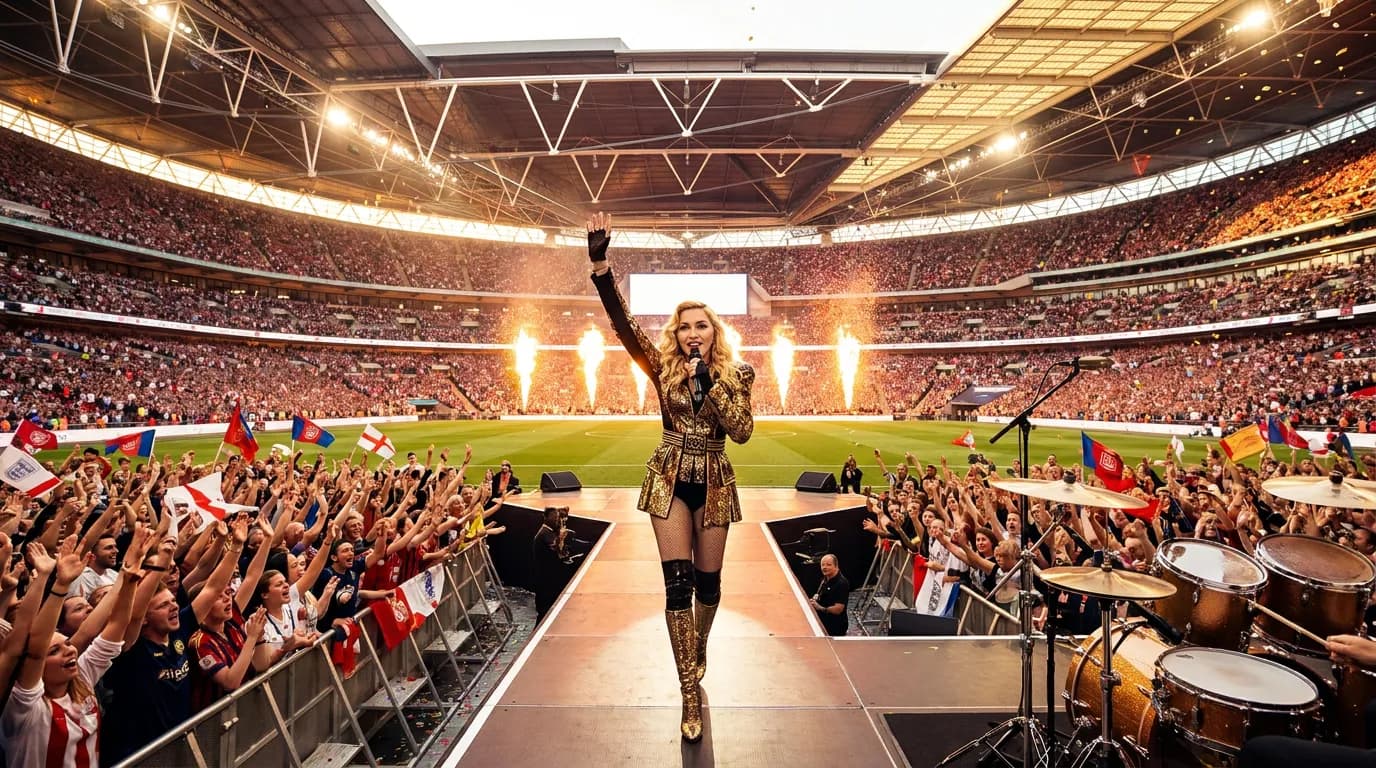
Fashion editors from Vogue, GQ, and Harper's Bazaar have been dispatched to 2026 World Cup venues — not to cover red carpets, but to document what has been described as "the most diverse and creative fashion showcase on earth." The World Cup, traditionally a realm of replica jerseys and face paint, has evolved into a global fashion competition in which national identity is expressed through clothing choices that range from the exquisitely tailored to the gloriously outrageous. The result is a visual feast that has generated more social media engagement than any non-football content at the tournament.
Loving the World Cup fashion? Text Karpo for the best fan outfits, style highlights, and stadium fashion moments.
DR Congo's Leopard Suits
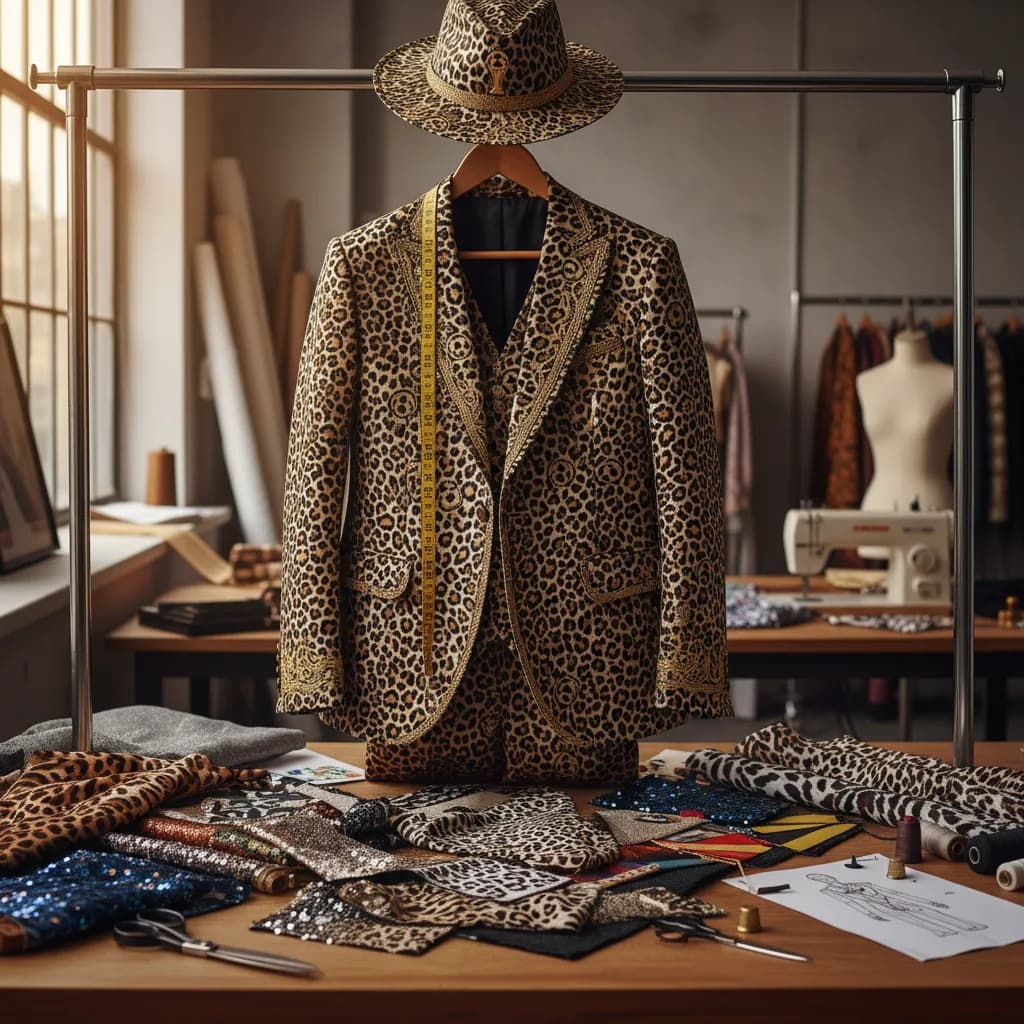
The undisputed fashion winners of the 2026 World Cup are the supporters of DR Congo, who have attended matches in elaborately tailored leopard-print suits that reference the country's national symbol. The suits — typically three-piece, with matching hats and shoes — are custom-made by Congolese tailors in Kinshasa's Matonge fashion district, where a single World Cup suit costs between $200 and $500. The tradition, which began at the 2023 Africa Cup of Nations, has been refined for the World Cup stage: many fans now coordinate their outfits in groups of five or ten, creating leopard-suited sections that are visible from the opposite end of the stadium. Vogue called the Congolese suits "the single most stylish moment in the history of sports fan culture."
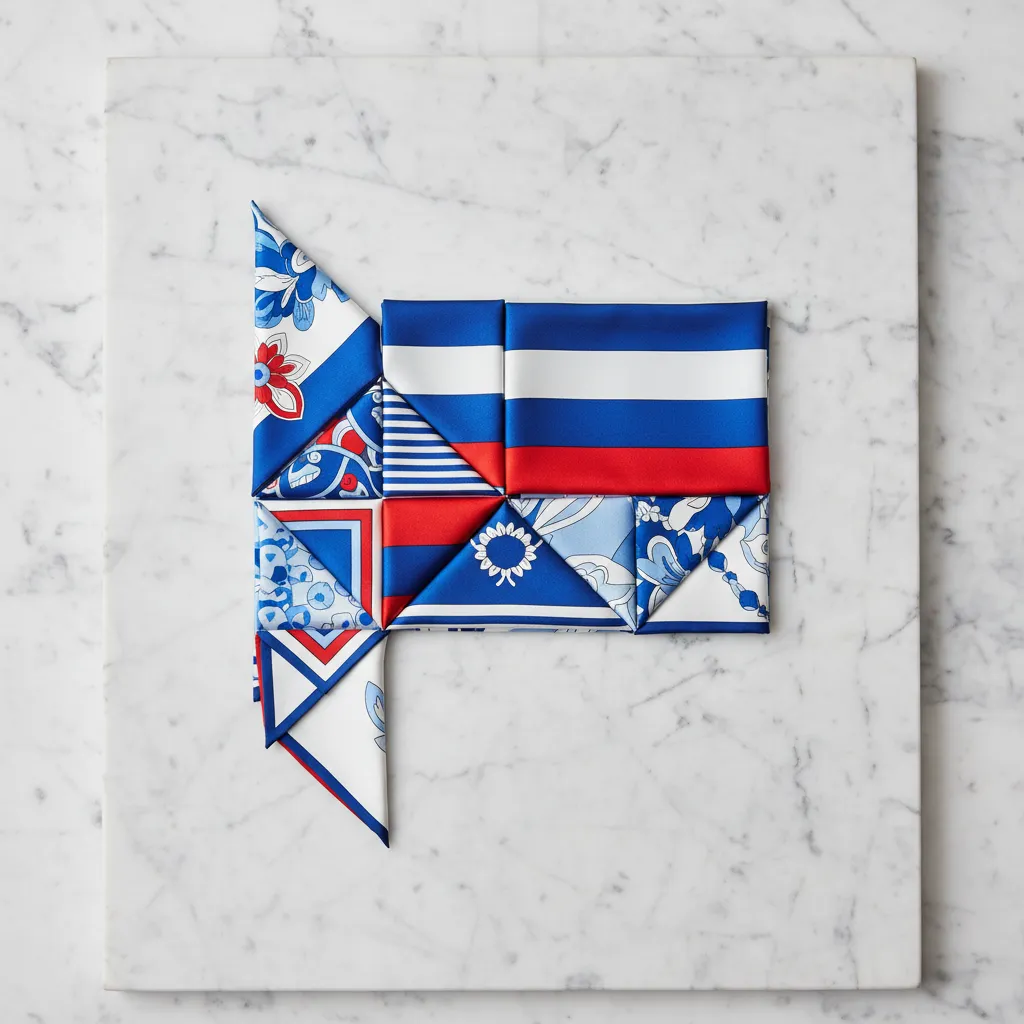
France's Luxury Statement
French fans have taken a characteristically elegant approach to World Cup fashion. A visible contingent of supporters — estimated by French media at several thousand — have attended matches wearing Hermes scarves in the blue, white, and red of the tricolore, paired with tailored blazers and designer sunglasses. The look, which French fashion magazine L'Officiel described as "Riviera meets World Cup," represents a deliberate statement about French cultural identity — the idea that elegance and football passion are not mutually exclusive. The Hermes scarves, which retail from $400 to $1,200, have become the most recognizable fashion accessory at the tournament.
Japan's Anime Cosplay Revolution
Japanese fans have combined their nation's anime culture with football fandom to create one of the World Cup's most visually striking trends. Groups of Japanese supporters have attended matches dressed as characters from popular football anime — including "Blue Lock" and "Captain Tsubasa" — with costumes that are indistinguishable from professional cosplay. The attention to detail is extraordinary: handmade jerseys that replicate anime team designs, face makeup that recreates character features, and props that reference specific manga storylines. The trend has crossed cultural boundaries, with non-Japanese fans adopting anime-inspired outfits in tribute to Japan's creative fan culture.
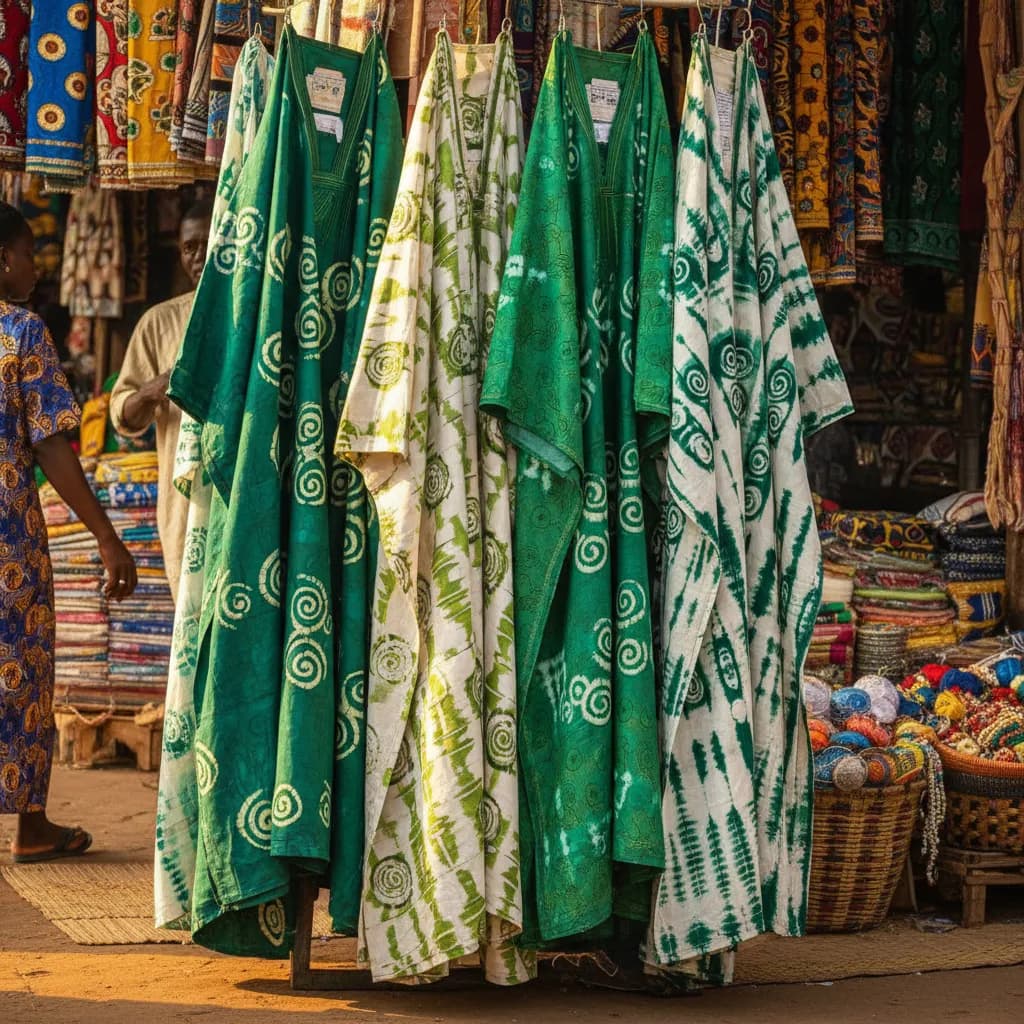
Nigeria's Agbada Renaissance
Nigerian fans have used the World Cup stage to showcase the Agbada — a traditional flowing robe worn across West Africa — in vibrant green and white fabrics that match the national team colors. The Agbada, typically associated with formal occasions like weddings and state events, has been reimagined by Nigerian fans as World Cup attire that bridges traditional culture and modern sport. Several Nigerian designers, including Ugo Monye and Mai Atafo, have created limited-edition World Cup Agbada collections that have sold out within hours of release. The garments have been photographed extensively by international fashion media, introducing the Agbada to audiences who may never have encountered West African formal wear.
The Stadium as Runway
The convergence of diverse fashion traditions in World Cup stadiums has created an atmosphere that commentators have compared to a global fashion festival. At MetLife Stadium during the France-Japan group match, the contrast between French luxury and Japanese creativity produced scenes that fashion photographer Tommy Ton described as "more interesting than Milan Fashion Week." At AT&T Stadium, Congolese leopard suits and Nigerian Agbada shared concourse space with Mexican charro outfits and American cowboy boots. The visual diversity is a direct consequence of the expanded 48-team format, which has brought fans from more countries — and more fashion traditions — to the World Cup than ever before.
Social Media and the Fashion Economy
The World Cup fashion phenomenon has generated significant economic activity. According to fashion analytics platform Lyst, searches for "leopard print suit" increased 4,200 percent globally during the first week of the tournament. Searches for "World Cup Agbada" increased 8,700 percent. The viral exposure has benefited designers and tailors in countries that rarely feature in global fashion conversations — Congolese tailors in Kinshasa, Nigerian designers in Lagos, and Japanese cosplay workshops in Akihabara have all reported record demand driven by World Cup content. The tournament has demonstrated that fashion influence can flow from the Global South to the Global North, not just the reverse.
Tags: World Cup fashion, Congo leopard suits, France Hermes, Japan cosplay, Nigeria Agbada, fan culture, World Cup 2026, stadium fashion, cultural expression, fan identity
Sources consulted: Vogue · GQ · ESPN · BBC Culture
All trademarks, team names, league names, and player likenesses mentioned in this article are the property of their respective owners and are used here for informational and editorial purposes only.
Ask Karpo First
Want to dress for the World Cup in style? Ask Karpo for fan fashion inspiration by country, where to buy World Cup-themed outfits in each host city, and the history of fashion at major sporting events.