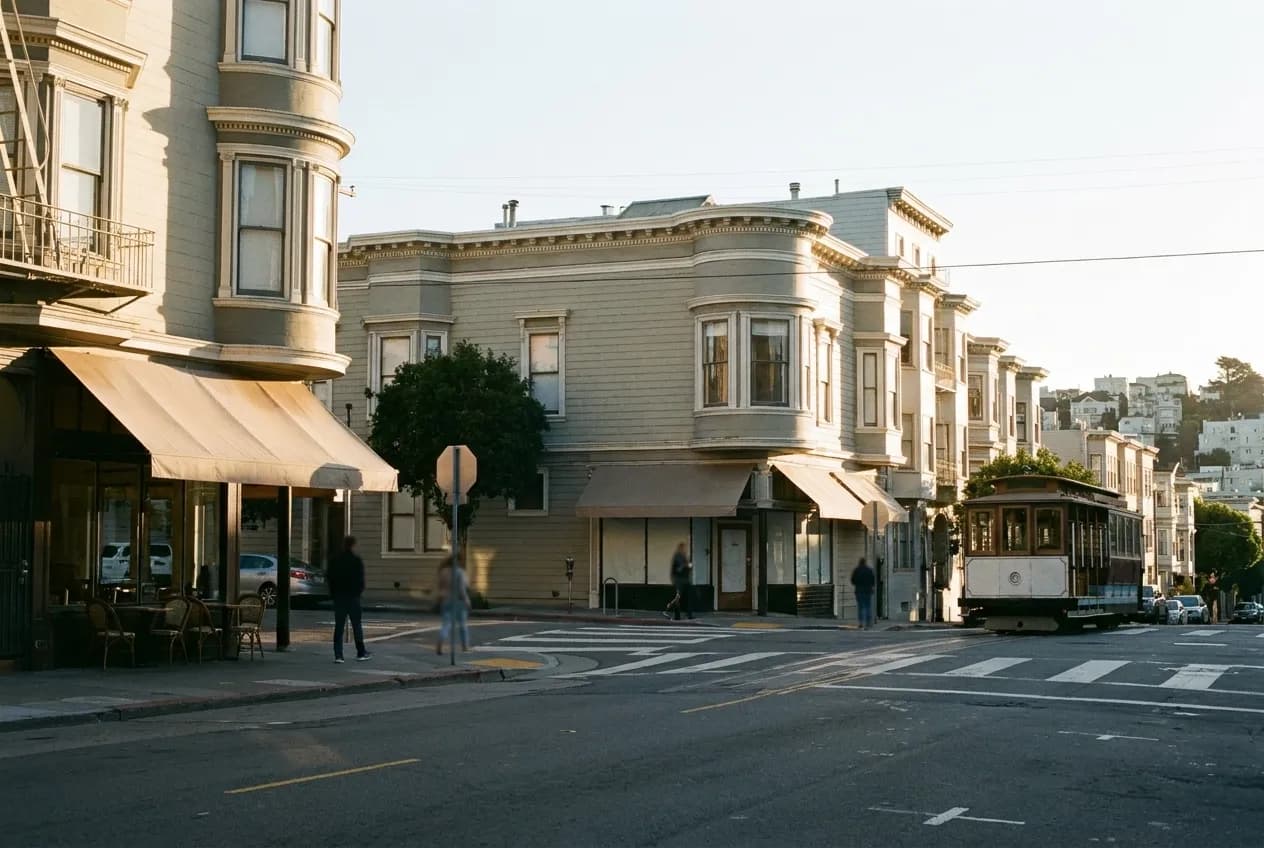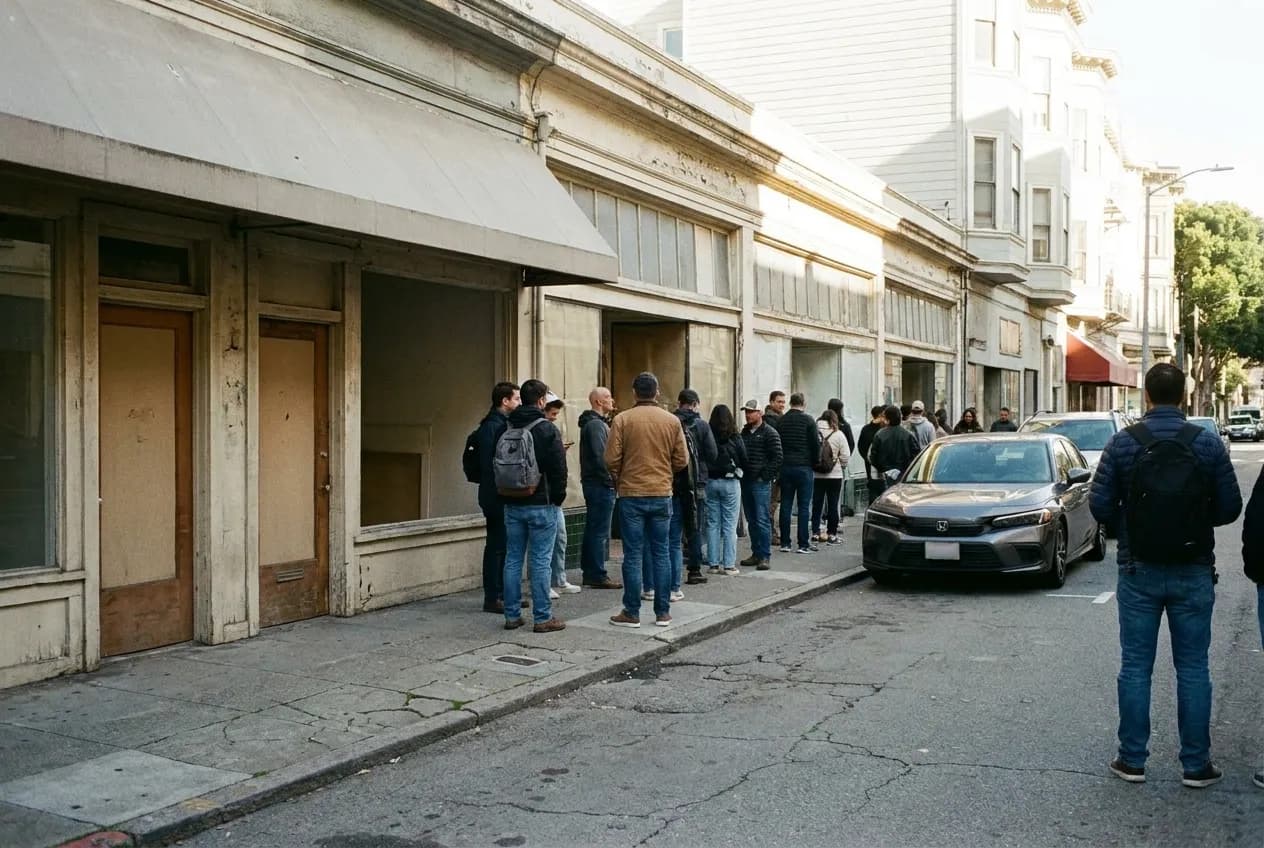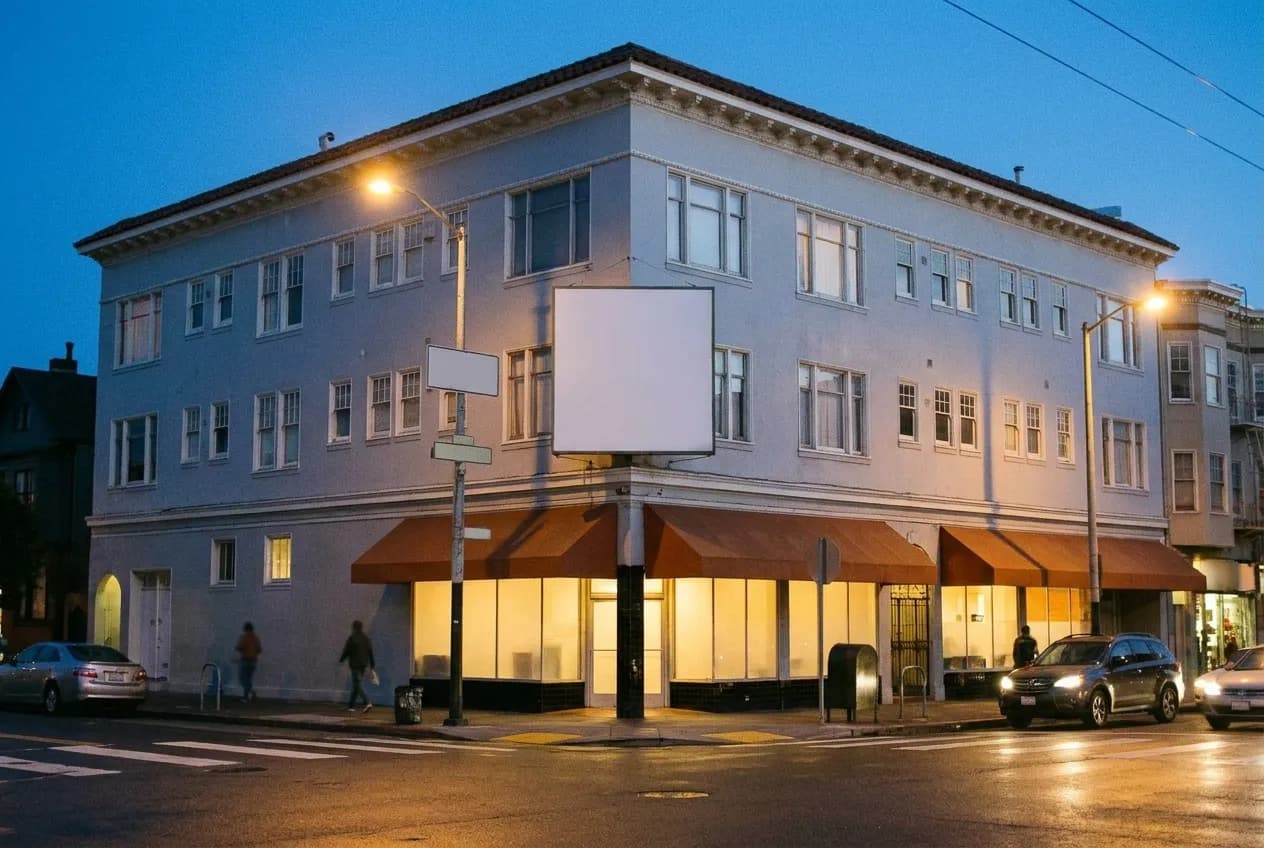
There is a way of choosing concerts in San Francisco that ignores the lineup entirely, and it produces better nights than reading announcements does. You pick the room first. This city has an unusually wide spread of venue sizes inside a small geographic area, from a seven-hundred-capacity Victorian hall to a modern arena, and the size of the room changes the experience far more than the identity of most touring acts does.
Room size shapes a San Francisco gig more than the lineup does, and the small halls sell out quietly. Ask Karpo what is playing near you at the size you actually want.
The Seven Hundred Capacity Bracket
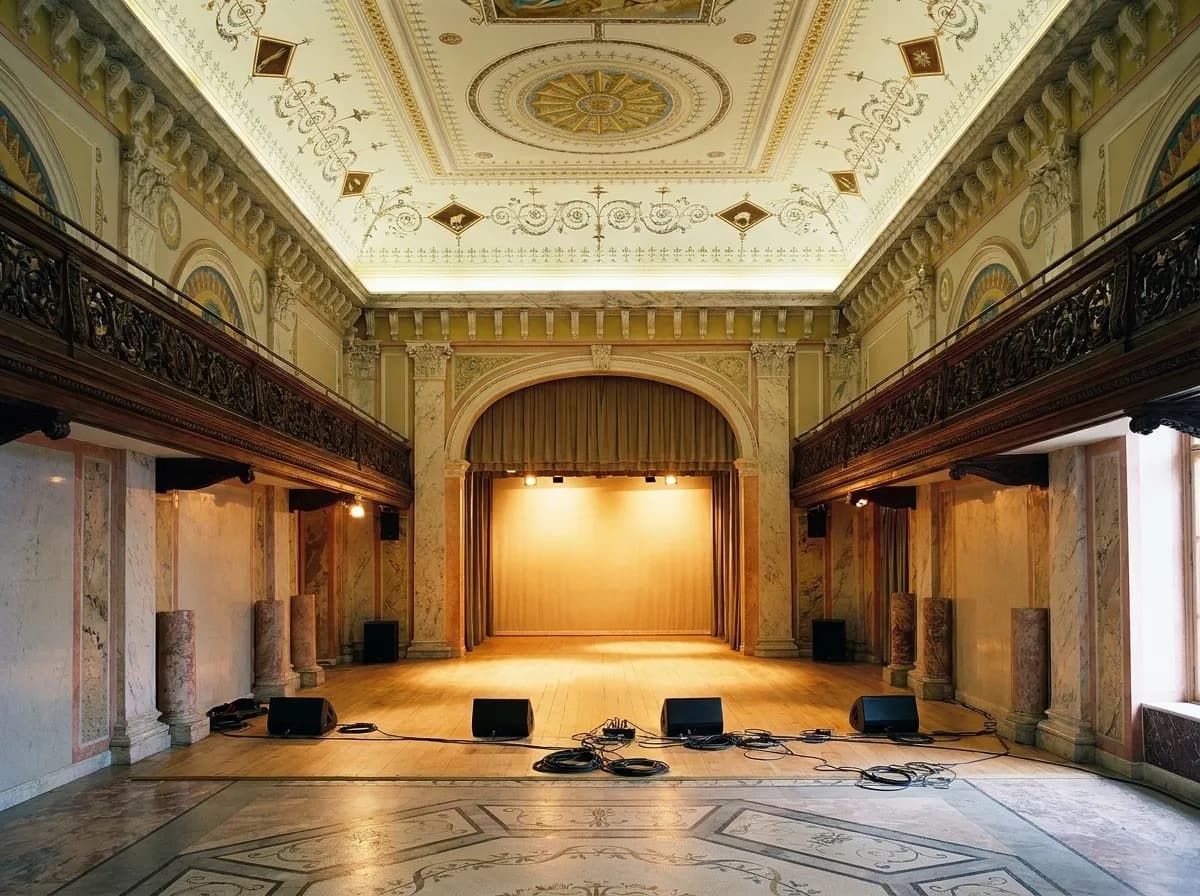
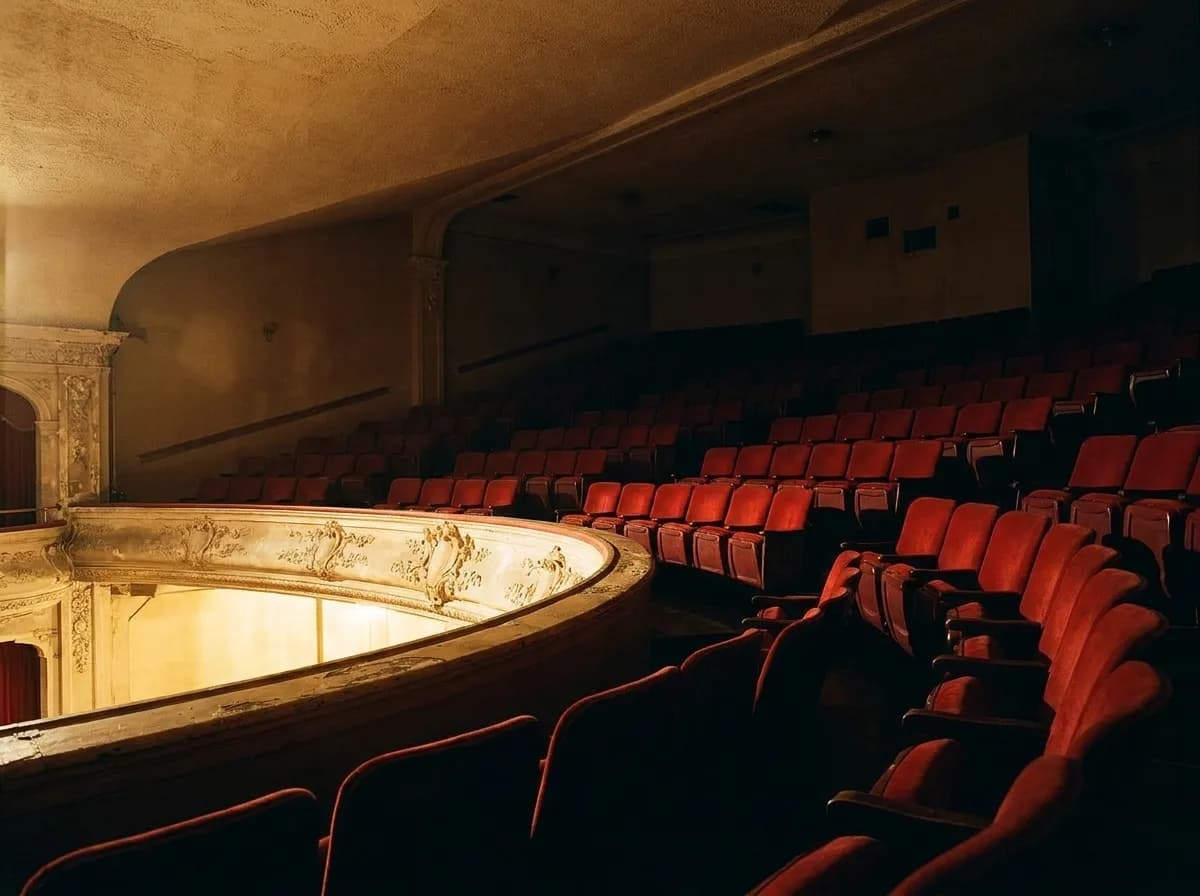
The Great American Music Hall holds 700 people. That number is the whole argument. Seven hundred is small enough that the back of the room is still close to the stage, large enough that touring acts with real reputations play it, and it sits in an ornate Victorian interior with a balcony rather than a black box, which changes the feel of a show considerably.
The venue has upwards of fifty shows scheduled across the coming year, which is a useful figure because it tells you the calendar is dense rather than occasional. A room of this size with that volume of programming means there is nearly always something on, and the practical implication is that you can decide to go to a gig on a Tuesday and find one.
The trade-off with rooms in this bracket is that they sell out without generating any noise. A seven-hundred-capacity show does not get the announcement cycle a large one does, and a sold-out sign appears with no warning. If a small-hall show interests you, buying early is not caution, it is the only strategy.
The Thirteen Hundred Bracket
The Fillmore at 1805 Geary Boulevard holds 1,315 with standing room, which places it in the bracket that most touring acts aim for on a first or second album cycle. Its layout is the important part: standing room means the front half of the floor is decided by when you arrive rather than by what you paid, and the balcony is a genuinely different experience from the floor.
Doubling the capacity from seven hundred to thirteen hundred changes the sound, the queue, the bar and the exit. It is the difference between a room where you can hear the drummer acoustically and one where you are listening to a system. Neither is better in the abstract, but they suit different nights, and people who buy on artist name alone tend to discover this after the fact.
The location matters too. The Fillmore District puts you a short distance from Japantown and Hayes Valley, which means the before and after of the evening are solved. That is not true of every venue in this city.
The Arena Bracket
Chase Center is the largest indoor concert venue in San Francisco, and it operates by completely different rules. Arena shows are announced months ahead, they go on sale on a fixed date, they are priced dynamically, and the decision to attend is made long before the night itself. There is no walking up to an arena on a Wednesday because something looked interesting.
The practical advice for the arena bracket is the opposite of the small hall. Do not buy early because scarcity is coming; buy at the point when you actually know your schedule, and pay attention to the transit plan rather than the seat map. Getting eighteen thousand people out of Mission Bay afterwards is the part of the night that determines whether you enjoyed it.
How to Build a Season
The method that works is to fill three slots rather than to chase names. Book one arena show a season if there is an act you genuinely care about, because the lead time forces the decision anyway. Keep the thirteen-hundred bracket for acts you know and like but do not need to be at the barrier for. And use the seven-hundred bracket as your default: it is where the density of programming is, it is the cheapest per night, and it is where you will see something you did not know about.
Two practical habits. First, check the venue calendar directly rather than a ticket aggregator, because the aggregators fragment a single venue's schedule across multiple listings and it is easy to miss half of what is on. Second, treat the room's capacity as published information you can look up, because it is, and it will tell you more about what an evening will feel like than any review of the act.
The last thing worth saying about this city specifically: the spread of venue sizes here is compressed into a small area, so a night that begins at a seven-hundred-capacity hall and ends somewhere else entirely is a fifteen-minute problem, not a cross-city one. That compression is San Francisco's real advantage as a live music city, and almost nobody plans around it.
Practical notes
Great American Music Hall - capacity 700, ornate Victorian interior with a balcony, more than fifty shows scheduled across 2026 and 2027. The Fillmore, 1805 Geary Blvd, Fillmore District - capacity 1,315 with standing room; floor position is determined by arrival time. Chase Center - the largest indoor concert venue in San Francisco, with fixed on-sale dates and dynamic pricing; plan the transit route out of Mission Bay in advance. Check venue calendars directly rather than aggregators, which split a single venue's schedule across listings. Small-hall shows sell out with little warning; buy early for rooms under a thousand capacity.
Tags: #concerts #sanfrancisco #livemusic #greatamericanmusichall #thefillmore #chasecenter #sfconcerts #gigs #sfmusic #venues #weekendplans #sfnightlife #sfguide #ticketing
Please drink responsibly. Must be of legal drinking age.
All trademarks are the property of their respective owners.
Ask Karpo first
San Francisco's venues run on very different clocks, and the small halls sell out without any announcement cycle. Ask Karpo what is playing near you tonight at the room size you actually want, whether tickets are still available, and how to get home from the arena afterwards.