 Starlite Room Union Square: Unforgettable Concerts Above Powell Street
Weekend Plans
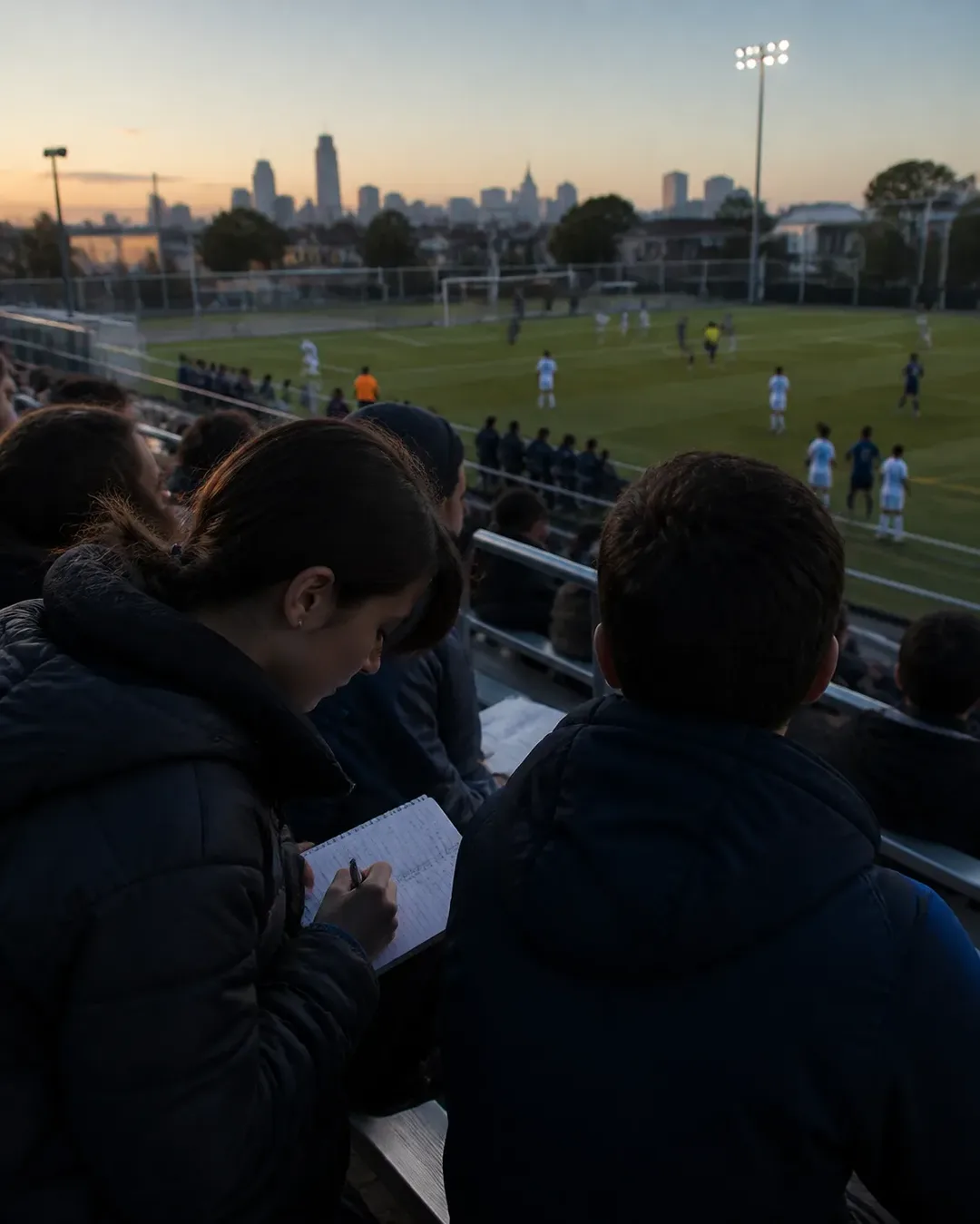
CONCACAF U-20: SF Youth Coaching Clinics and Tournament Notebook Workshop
Use concacaf u-20 interest as a practical prompt for a San Francisco youth soccer learning day. Pair an outdoor viewing stop with a nearby indoor notebook session so small groups can keep the afternoon flexible when neighborhood weather changes.
The concacaf u-20 tournament is a useful learning hook for a San Francisco weekend plan, even if the actual tournament action is not local. For youth players, parents, guardians, and small friend groups, the value is not pretending the city is hosting something it is not; it is using the tournament lens to ask better questions about coaching clinics, player development, and match observation. San Francisco makes that easier when the plan is built around two linked spaces: an outdoor social stop for atmosphere and conversation, plus an indoor backup where the group can sit, compare notes, and avoid losing the afternoon to sudden microclimate shifts. The goal is simple: find a real clinic or youth soccer activity, verify the details before committing, then turn one match or highlight session into a short, useful coaching notebook.
Text Karpo the player's age, SF neighborhood, experience level, and available weekend window for a coaching-clinic shortlist with a free observation-based backup.
Start With The Clinic Fit, Not The Hype
Before choosing any youth coaching clinic, treat the tournament as a prompt rather than proof. Search for San Francisco soccer clinics, recreation programs, club sessions, library events, and community workshops, then confirm the basics directly with the organizer: age range, registration status, whether drop-ins are accepted, what equipment is required, and whether spectators, parents, or guardians may stay. If those details are missing or vague, the plan is not ready. A good weekend plan should reduce uncertainty, especially for small groups coordinating across different households.
The easiest decision filter is fit. Younger players may need a clinic that emphasizes ball comfort, simple movement, and short attention cycles, while older youth players may benefit more from tactical discussion, position-specific feedback, or video observation. Do not assume that a clinic labeled “youth” fits every child. Ask whether players should bring cleats, turf shoes, shin guards, water, a ball, weather layers, or a notebook. Also ask what happens if the session moves indoors, is delayed, or reaches capacity. Those answers matter more than any tournament buzz.
Build A Two-Venue Weather Pair
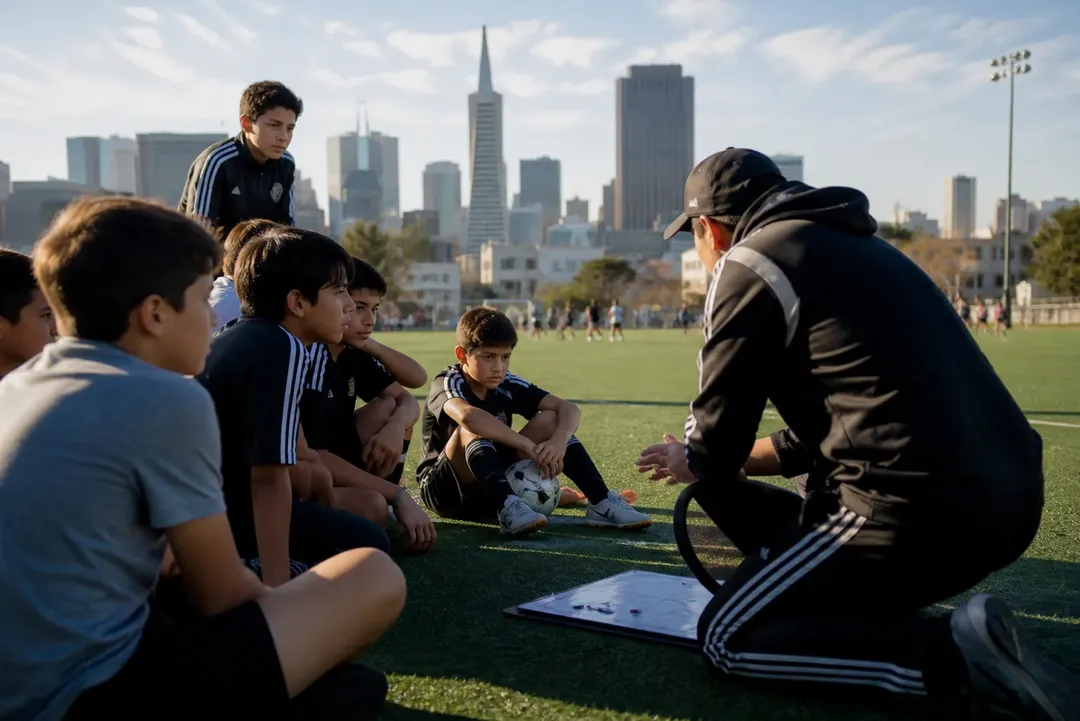
San Francisco weekend afternoons can feel different from one neighborhood to the next, so the plan should include an outdoor-first option and an indoor backup before anyone leaves home. The outdoor stop might be a public field-adjacent gathering, a park-side cafe area, or another legal public-space meeting point where the group can talk through tournament themes. The indoor pair should be close enough that moving does not become a second project. San Francisco Public Library locations give planners useful anchor points across the city, including Main Library at 100 Larkin Street, Mission Bay at 960 4th Street, Mission at 1234 Valencia Street, Richmond at 351 9th Avenue, Marina at 1890 Chestnut Street, and Bayview at 5075 3rd Street.
Set migration triggers in advance. For example, move indoors if wind makes note-taking difficult, if the group loses seating, if a guardian needs a quieter setting, or if heat and air quality checks make outdoor lingering less appealing. On August 6, 2026, the National Weather Service San Francisco Bay Area page showed regional heat and elevated fire concern messaging, which is a reminder to check the local forecast by ZIP code before committing to an outdoor block. The point is not to over-plan; it is to make the backup obvious, close, and socially acceptable before the weather changes.
Make Transit Part Of The Plan
A youth coaching and observation afternoon works better when movement is predictable. SFMTA presents San Francisco travel options across Muni, walking, biking, driving and parking, taxis, accessibility services, and connections to Bay Area transit such as BART and Caltrain. For small groups, pick a route that the least mobile participant can manage. If a guardian is carrying gear or a younger player is tired after a clinic, the best route may not be the shortest route on a map. Build in a simple meeting point, a second indoor destination, and a clear end point.
For the August 7-9, 2026 weekend, check SFMTA Travel & Transit Updates before finalizing the neighborhood. Listed items included Outside Lands from August 7-9, the Pistahan Parade on Saturday, August 8 until streets clear, Hayes Valley Shared Spaces on Fridays and Saturdays in August, Chinatown construction from July 30-August 9, and temporary stop relocation information. Those updates do not make a soccer plan impossible, but they can change which neighborhood pairing feels easy. If the group is new to the city, avoid tight transfers and choose a clinic-plus-library pair with a straightforward Muni, walk, bike, or pickup plan.
Turn Watching Into A Coaching Notebook
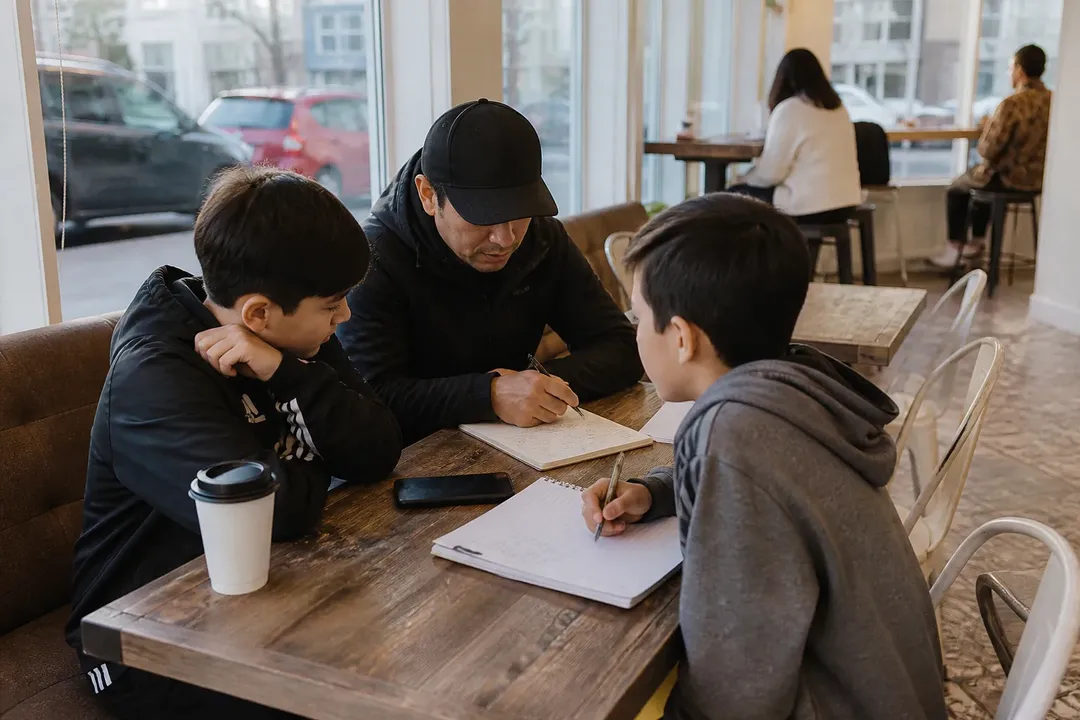
The notebook workshop should be short, structured, and useful for the next practice. Start with one page divided into four boxes: first touch, spacing, defending choices, and communication. During a concacaf u-20 match, replay, or highlight package, each participant writes down three observed moments without trying to sound like a professional analyst. A strong note might describe when a midfielder checked over a shoulder before receiving, when a winger stayed wide to stretch the field, or when a defender delayed instead of diving into a tackle.
After the viewing segment, shift from “favorite player” talk to “repeatable behavior” talk. Ask each person to choose one observation they could practice this week and one question they would ask a coach. This makes the workshop work for mixed skill levels: beginners can name simple habits, while experienced players can discuss timing, pressure, or decision-making. Keep the session portable. A paper notebook, phone notes app, or printed template is enough. The value is in creating a habit of watching with purpose, not in producing a perfect scouting report.
Who This Weekend Plan Fits
This plan fits small groups that want outdoor social energy without gambling the whole afternoon on weather, seating, or transit. It is especially useful for parents comparing youth clinic options, guardians who need to know whether they can observe, and players who enjoy tournaments but need help turning viewing into practice goals. It also works for mixed groups where one person is soccer-focused and another mainly wants an easy San Francisco weekend plan. The clinic search supplies the purpose; the venue pair keeps the day comfortable.
Before the weekend, assign one person to confirm clinic registration, one to check weather and transit updates, and one to prepare the notebook prompt. Keep the plan easy: one clinic lead, one outdoor gathering point, one indoor backup, and one clear migration trigger. If the clinic details cannot be verified, switch the day into a self-guided tournament notebook workshop at a library-adjacent indoor stop and save the clinic for another weekend. Preparedness is the feature here: the group still gets soccer learning, social time, and a flexible city afternoon without depending on unverified schedules.
Tags: #SanFrancisco #WeekendPlans #YouthSoccer #CoachingClinics #TournamentViewing #FamilyActivities
Sources consulted: Source 1: sfmta.com · Source 2: sfpl.org · Source 3: sfmta.com · Source 4: weather.gov
All trademarks are the property of their respective owners.
Ask Karpo first
Ask Karpo to turn this San Francisco idea into a current plan for your date, budget, companion, transit preference, and energy level. Karpo can narrow the route and flag what to verify before you go.
Ask Karpo for more information.
Keep reading
- Starlite Room Union Square: Unforgettable Concerts Above Powell Street
 Union Square Concerts: Love + Propaganda's Subterranean Rhythms Beckon
 Exotic dinner near me: Marrakech, a Tenderloin Moroccan Supper Club.