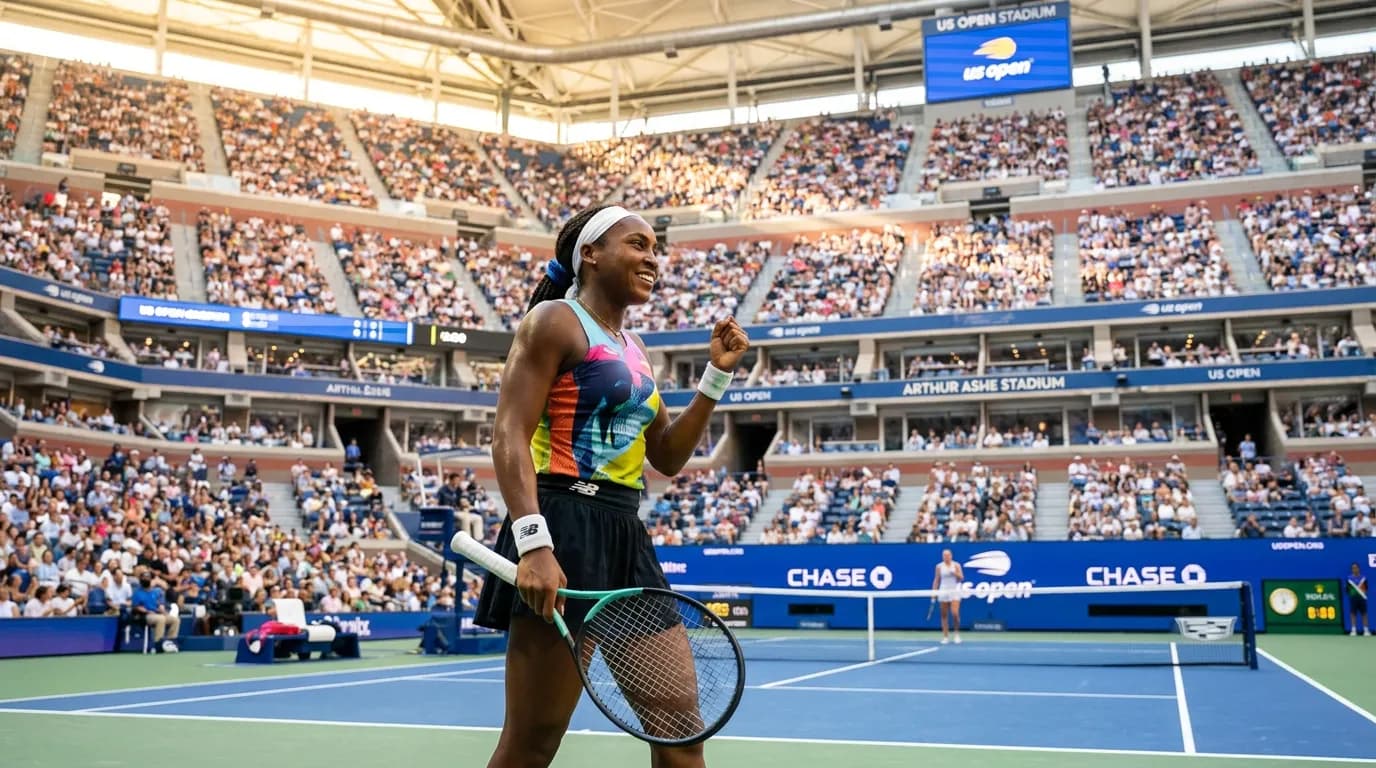
Coco Gauff arrives in New York this August carrying both the memory of her 2023 US Open title and the fresh sting of a Wimbledon semifinal defeat to Linda Noskova. For American tennis fans planning their late-summer pilgrimage to Flushing Meadows, the question isn't whether Gauff can compete at the highest level—her run to the final four at the All England Club confirmed that—but rather how she'll refine the specific elements of her game that prevented her from reaching a second consecutive Grand Slam final. The six-week gap between Wimbledon's grass and the US Open's hard courts offers a window for tactical recalibration, and Gauff's team will likely focus on the foundational elements that have defined her best performances: aggressive return positioning, forehand shot tolerance under pressure, and second-serve reliability when the stakes climb highest.
Text Karpo Now: Tell us what you want from Coco Gauff’s US Open Comeback Blueprint After Wimbledon 2026, and Karpo can track official updates, match timing, tickets, transit, and the easiest way to plan your US Open day.
Return Position and Court Geometry
Gauff's return game has long been her signature weapon, but the positioning adjustments required for grass at Wimbledon don't always translate seamlessly back to hard courts. On grass, returners typically stand farther back to account for lower, skidding bounces and faster pace through the court. The US Open's DecoTurf surface, by contrast, rewards returners who can step inside the baseline and take the ball early, particularly against second serves. Gauff's ability to neutralize opponents often depends on how quickly she can establish return dominance in the opening games of each set, turning defensive positions into offensive opportunities within two or three shots.
The tactical blueprint for Flushing Meadows should emphasize a more aggressive return stance than what worked at Wimbledon. Standing a full step inside the baseline on second serves allows Gauff to dictate rally tempo immediately, preventing opponents from settling into comfortable baseline exchanges. This positioning also compresses the court geometry, reducing the angles available to servers and forcing them to generate pace and placement under tighter margins. During her 2023 championship run, Gauff's return positioning evolved throughout the fortnight, becoming more aggressive as her confidence grew and as she read opponents' serving patterns more effectively.
Forehand Tolerance Under Sustained Pressure
The forehand side remains the most scrutinized aspect of Gauff's game, not because it's a fundamental weakness but because elite opponents consistently test it during crucial moments. Tolerance—the ability to execute a shot repeatedly under varying conditions without breakdown—becomes paramount during two-week Grand Slam campaigns. At Wimbledon, the grass surface's lower bounce and faster pace can mask forehand inconsistencies that become more exposed on hard courts, where balls sit up higher and opponents have more time to construct patterns that isolate that wing.
The adjustment isn't about overhauling technique in six weeks; it's about shot selection and pattern recognition. Gauff's forehand performs best when she can take balls early and drive through the court with her natural athleticism. Problems emerge when she's pushed deep behind the baseline and forced to generate heavy topspin from defensive positions repeatedly. The blueprint for the US Open should include clearer decision-making about when to absorb pressure with neutral forehands versus when to create with aggressive strikes. This means accepting that not every forehand needs to be a winner or even a clear offensive shot—some simply need to keep the point alive while waiting for a better opportunity. Match simulation during the North American hard-court swing will be critical, building the muscular and mental endurance required for extended matches in New York's late-summer heat and humidity.
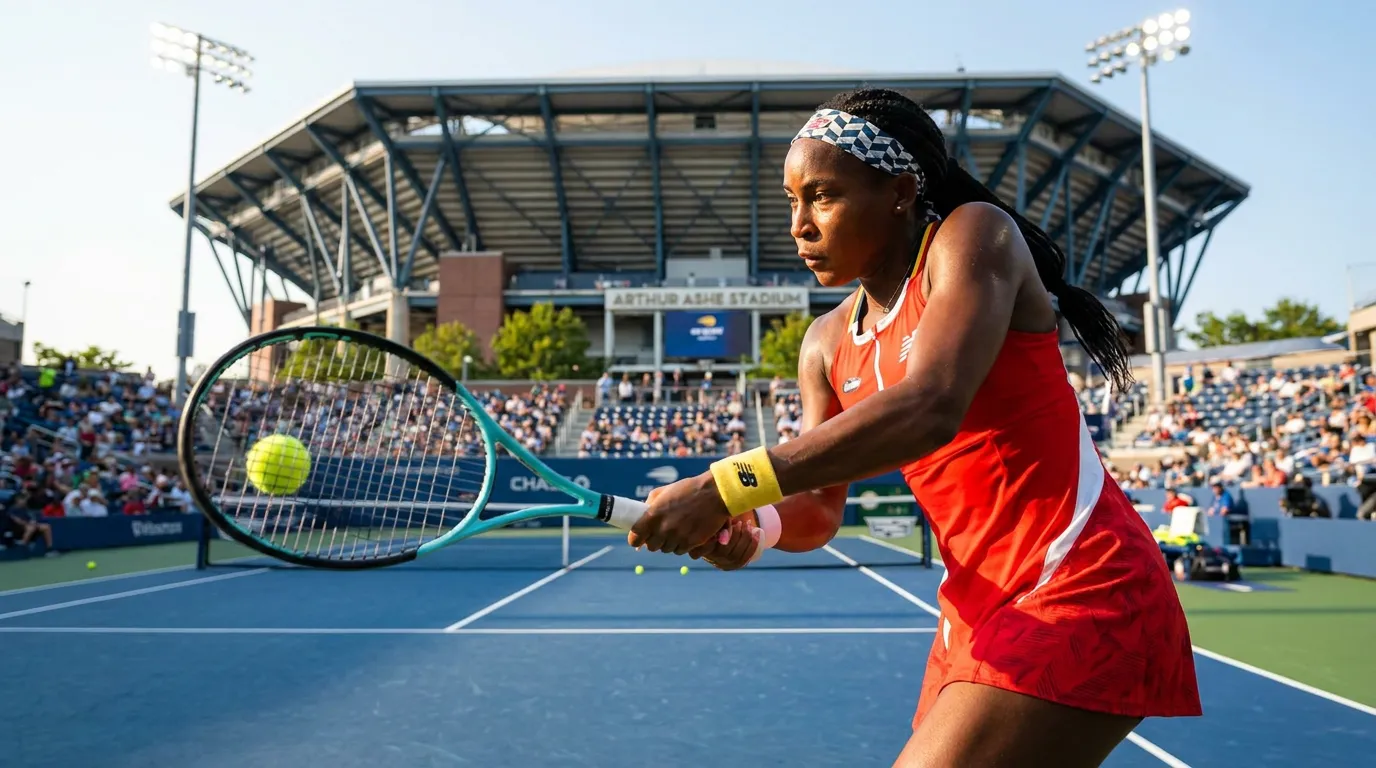
Second Serve Reliability and Variety
Serving at the US Open carries unique pressure, particularly for American players competing in front of home crowds that expect excellence. Gauff's first serve is a genuine weapon when it's landing consistently, but her second serve becomes the tactical fulcrum in tight matches. Opponents who can step inside the baseline and attack her second delivery immediately shift the momentum of service games, turning what should be comfortable holds into protracted battles that drain physical and emotional reserves.
The blueprint here involves both technical refinement and strategic variety. Technically, Gauff's second serve benefits from increased racket-head speed through contact, generating more spin without sacrificing too much pace. The goal is a second serve that lands consistently with enough kick or slice to push returners back or pull them wide. Strategically, varying placement becomes essential—serving exclusively to the backhand becomes predictable, while occasional body serves and wide slice serves to the forehand keep returners honest and prevent them from camping in optimal return positions.
Managing Home Expectations and Energy
Playing a Grand Slam on home soil creates a psychological dynamic that differs fundamentally from competing abroad. Expectations from fans, media, and sponsors intensify, and the energy required to manage those expectations throughout a two-week tournament can be as draining as the physical demands of the matches themselves. The blueprint for managing this pressure involves establishing clear boundaries around media obligations, maintaining consistent daily routines regardless of match schedule, and remembering that success requires the same point-by-point focus that produced her 2023 victory.

Gauff's natural charisma and comfort with public attention serve her well, but even the most media-savvy players need protected recovery time between matches. The US Open's night-session atmosphere at Arthur Ashe Stadium can be intoxicating, but it also means late finishes, disrupted sleep schedules, and less recovery time before the next match. Mental preparation should include visualization work that accounts for both the euphoria of home-crowd support and the pressure of tight moments when that same crowd falls silent with tension. Gauff's ability to embrace big moments rather than shrink from them has been a defining characteristic of her young career, and channeling that quality while managing the unique demands of competing at home will be essential.
Practical Notes
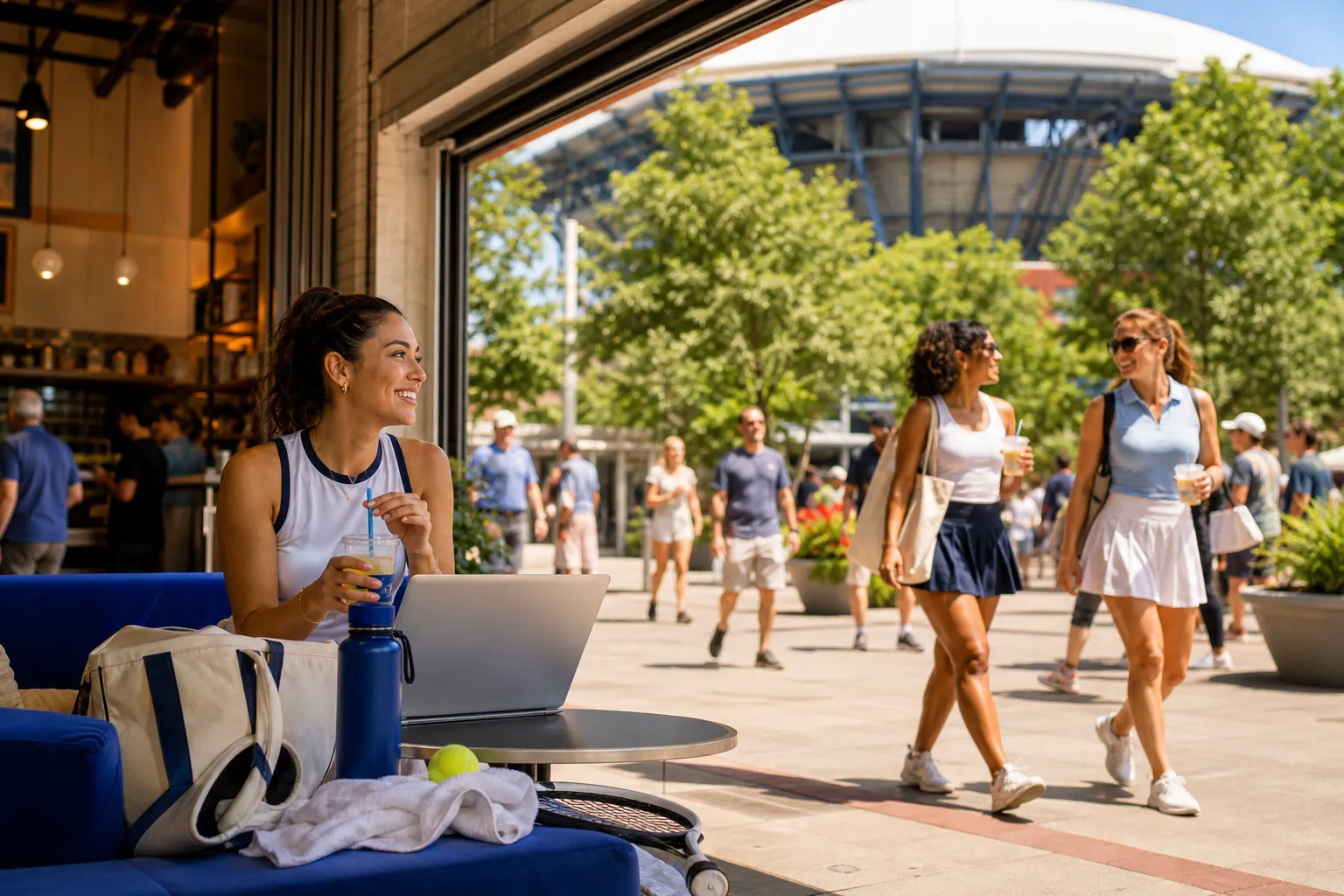
For fans planning to attend the 2026 US Open, the tournament runs from late August through early September at the USTA Billie Jean King National Tennis Center in Queens. Session tickets provide access to multiple courts, allowing flexibility if match schedules shift. Arthur Ashe Stadium offers the most electric atmosphere but also the largest crowds and longest security lines. Arriving at least ninety minutes before a scheduled session start ensures time for entry, food, and finding seats. The outer courts, including the Grandstand and Louis Armstrong Stadium, often provide closer views of early-round matches and a more intimate setting. Weather delays are possible, particularly during the first week, so checking the US Open app for real-time schedule updates helps avoid wasted trips. Comfortable shoes are essential for navigating the sprawling grounds, and sunscreen remains necessary even during late-afternoon sessions when sun angles can be deceptive.
Tags: #USOpen2026 #Tennis #GrandSlam #NewYorkTennis #ArthurAsheStadium #FlushingMeadows #USOpenGuide #TennisFans #SportsTravel #HardCourt #NewYork #KarpoFinds
Sources consulted: usopen.org — Official reference · wtatennis.com — Official reference · usopen.org — Official reference
All trademarks are the property of their respective owners.
Ask Karpo first
Before you lock in tickets or build a full day around an unconfirmed schedule, ask Karpo first. Share your dates, budget, and favorite players, and Karpo can help turn official US Open updates into a practical New York plan.