 Where to Eat Near Penn Station That Isn't a Chain
US Open 2026
Clayton Kershaw Pitching Mechanics Video Analysis Near US Open Queens
How Queens motion-analysis studios and biomechanics labs near Flushing Meadows help baseball players refine delivery, timing, and arm health during the 2026 US Open fortnight.
Clayton Kershaw's pitching mechanics—the hip drive, shoulder sequence, and release point that defined a generation—have been studied frame-by-frame in biomechanics labs around the world. If you're a baseball player, coach, or parent traveling to Queens for the 2026 US Open and want to use downtime between matches to work on delivery, arm health, or video analysis, Flushing and the 7 train corridor offer a practical cluster of sports-science studios, motion-capture facilities, and training centers that cater to athletes looking to refine mechanics. This guide connects the dots between your US Open schedule, local biomechanics resources, and the rhythm of a two-week visit to Flushing Meadows Corona Park.
Text Karpo with your US Open session time and Queens starting point, and we’ll turn this Sports biomechanics studios and motion capture services in Flushing for baseball players attending tennis into a practical local plan.
Why biomechanics studios cluster near Flushing Meadows
Flushing sits at the crossroads of youth sports infrastructure, immigrant athletic communities, and accessible transit. The 7 train connects Long Island City, Woodside, Jackson Heights, Corona, and Flushing in under thirty minutes, and the density of high-school baseball programs, travel teams, and private training facilities has drawn sports-science providers into the corridor. Motion-capture studios that serve baseball pitchers, tennis players, and golfers often share space with physical therapists, strength coaches, and video analysts. During the US Open fortnight, when hotel availability tightens and families look for productive ways to fill morning or late-afternoon gaps, a one-hour biomechanics session becomes a practical anchor for the day.
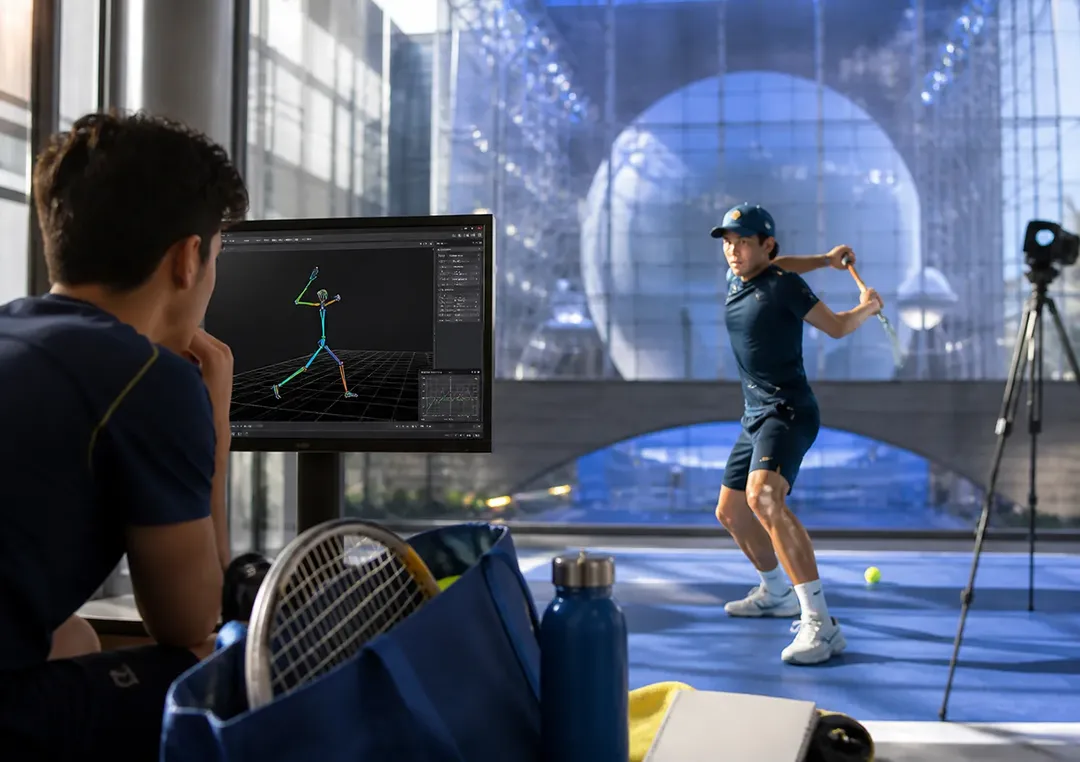
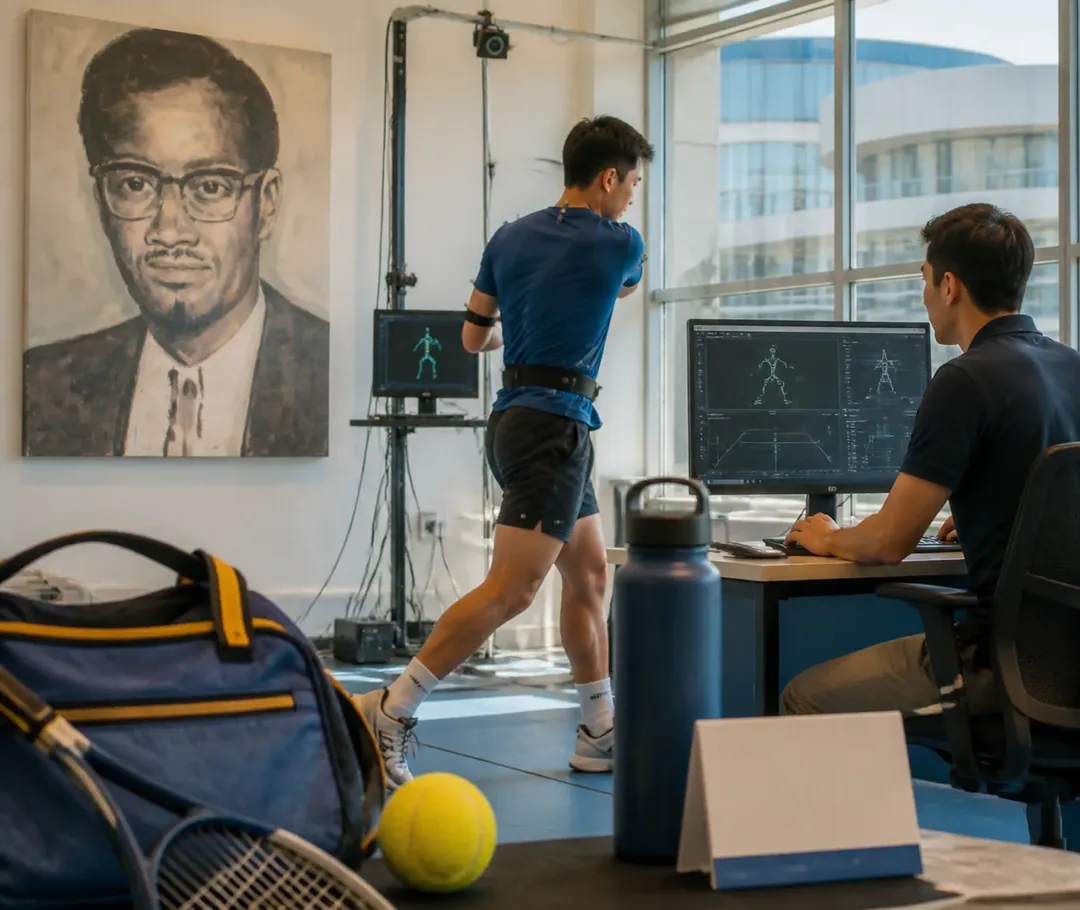
Studios typically offer single-session packages that include high-speed video, joint-angle measurement, force-plate data, and a written report you can share with your home coach. Some facilities use marker-based motion capture; others rely on markerless AI systems that track body segments from multiple camera angles. If you're comparing your delivery to a model like Kershaw's—or simply want to understand why your elbow hurts after forty pitches—these sessions provide objective data that's hard to gather on a home bullpen mound.
Scheduling around US Open session times
The US Open runs daily sessions: day (11 a.m. start) and evening (typically 7 p.m. start on Arthur Ashe). According to the official event schedule at usopen.org, early rounds feature back-to-back matches on outside courts, while later rounds consolidate into marquee night sessions. If you hold an evening ticket, your morning is wide open for a biomechanics appointment in Flushing, a quick lunch in Corona, and a walk through Flushing Meadows Corona Park before gates open. Day-session ticket holders can reverse the sequence: attend morning and early-afternoon matches, then book a late-afternoon or early-evening studio slot after leaving the grounds.
Most studios require advance booking—especially during summer tournament season—so reach out two to four weeks before your trip. Confirm the session length (sixty to ninety minutes is common), what to wear (athletic clothes, cleats or turf shoes), and whether you can bring your own video for comparison. Some labs will overlay your mechanics against archived footage of professional pitchers, including Kershaw's signature curveball sequence, to highlight timing differences in hip rotation or shoulder abduction.
What a motion-capture session looks like
You'll warm up on flat ground or an indoor mound, throw ten to fifteen pitches at game effort, and repeat the sequence while cameras record at 240 or 480 frames per second. The analyst will pause between sets to adjust camera angles or ask you to throw a specific pitch type. After capture, you'll review slow-motion video on a large monitor, often with joint angles, velocity readouts, and center-of-mass traces superimposed. The analyst explains which segments of your delivery match efficient patterns and which introduce injury risk or velocity loss. You leave with video files, a PDF report, and usually a short list of drills or cues to try at home.
Some facilities also offer follow-up remote coaching: you film yourself on a phone, upload the clip, and receive annotated feedback within a few days. That model works well if you're visiting New York for only the US Open fortnight but want ongoing support through the fall season.
Pairing biomechanics work with US Open transit and meals
The MTA's official US Open transit guide at new.mta.info recommends the 7 train to Mets–Willets Point, a short walk to the tennis center's main gate. If your studio appointment is in downtown Flushing, take the 7 to Flushing–Main Street, complete your session, then backtrack two stops to Mets–Willets Point. The ride is eight minutes; the walk from the Flushing station to most training facilities is under ten. Corona and Jackson Heights also host biomechanics providers, and both neighborhoods sit one or two stops west, making them convenient if your hotel is in Long Island City or Astoria.
After your session, grab lunch in Flushing's downtown core: hand-pulled noodles, soup dumplings, or Korean barbecue are all within a few blocks of the Main Street station. Corona's Colombian and Mexican bakeries offer quick, filling pre-match meals. The US Open's official visitor A-Z guide at usopen.org notes that outside food is prohibited inside the tennis center, so plan to eat before you enter or budget for concessions once you're through security.
Connecting biomechanics to other Flushing Meadows activities
Flushing Meadows Corona Park, managed by NYC Parks at nycgovparks.org, surrounds the tennis center and includes the Queens Museum, the New York Hall of Science, and the Unisphere. If you're traveling with family members who aren't attending every match, a biomechanics session for the pitcher can run parallel to a museum visit for siblings or parents. The Hall of Science at nysci.org features hands-on physics exhibits that explain force, motion, and leverage—concepts that translate directly to pitching mechanics. The Queens Museum at queensmuseum.org houses the Panorama of the City of New York, a room-sized scale model that offers geographic context for your week in the borough.
Museum hours and admission policies change seasonally, so check official sites close to your visit. Both institutions are a fifteen-minute walk from the tennis center and offer air-conditioned relief on hot August or September afternoons.
Practical notes for booking and preparing
- Search for "baseball biomechanics Queens," "pitching analysis Flushing," or "motion capture New York" to identify studios; verify current contact information and session availability on official business sites.
- Ask whether the facility provides baseballs, a mound, and video-editing software, or whether you should bring your own ball and USB drive.
- Wear the same shoes and clothes you use for bullpen sessions at home, so movement patterns remain consistent.
- If you're working on a specific mechanical change—hip load, stride length, arm slot—mention it when booking so the analyst can tailor camera angles and metrics.
- Confirm cancellation policies; summer weather and travel delays can disrupt tight schedules during tournament fortnights.
- Plan extra buffer time on the 7 train during evening rush hour; the MTA guide at new.mta.info notes increased service during the US Open, but crowding remains common.
- Check the US Open's official prohibited-items guide at usopen.org before packing your bag; large backpacks and certain electronics are restricted, so leave training gear at your hotel or studio locker.
Long Island City and Astoria options for extended stays
If your hotel is west of Flushing, Long Island City and Astoria also host sports-performance centers that serve baseball players. The 7 train connects both neighborhoods to Mets–Willets Point in under twenty minutes, and the density of cafes, bookstores, and waterfront parks makes pre- or post-session downtime more relaxed. The Museum of the Moving Image at movingimage.org in Astoria explores film and video technology, including the high-speed cameras and motion-analysis software used in sports science. It's a short walk from the Steinway Street or Astoria Boulevard stops and pairs well with a morning biomechanics session before an evening US Open match.
Long Island City's waterfront offers views of the Manhattan skyline, outdoor seating, and quick access to the E, M, and R trains if you need to connect to other parts of the city. Both neighborhoods have grown their sports-training infrastructure in recent years, so you may find newer facilities with the latest markerless motion-capture systems.
Why video analysis matters for youth and amateur pitchers
Professional pitchers like Kershaw have access to daily video review, force-plate data, and biomechanics coaching. Amateur players rarely do. A single motion-capture session won't transform your delivery overnight, but it provides a baseline: objective joint angles, timing sequences, and velocity metrics you can compare against future sessions. Many overuse injuries in youth baseball stem from mechanical inefficiencies—early shoulder rotation, insufficient hip drive, or excessive elbow valgus—that are invisible to the naked eye but obvious in slow-motion, multi-angle video.
If you're already traveling to New York for the US Open, adding a biomechanics session turns a tennis vacation into a cross-sport learning opportunity. You'll return home with video, data, and a clearer sense of what to work on during fall training. And because Queens studios serve a diverse, multilingual athlete population, many analysts are experienced at communicating complex biomechanics concepts to players and parents who are new to motion capture.
clayton kershaw, US Open Queens, sports biomechanics Flushing, motion capture baseball New York, pitching mechanics analysis, Flushing Meadows Corona Park, 7 train sports training, Queens baseball coaching
Tags: #USOpen2026 #Queens #FlushingMeadows #KarpoFinds #Karpo #claytonkershaw #NewYorkLocal #TennisTravel #NYCLocalLife #TennisTravel
Sources consulted: usopen.org — Official event schedule · usopen.org — Official visitor A-Z guide · usopen.org — Official transportation directions · usopen.org — Official prohibited-items guide · MTA — Official US Open transit guide · NYC Parks — Flushing Meadows Corona Park · Queens Museum · New York Hall of Science · Museum of the Moving Image
All trademarks are the property of their respective owners.
Ask Karpo first
Want to know what is actually open, how to time the trip, and where to pause around Queens? Ask Karpo for the latest public US Open context, a respectful visitor plan, and a live route around Flushing Meadows before you head out.
Ask Karpo for more information.
Keep reading
- Where to Eat Near Penn Station That Isn't a Chain
 Andytown Coffee in the Outer Sunset: The Snowy Plover Explained
- Best Things to Do in Chicago: What the City Gives Away