Beneath the feet of everyone hurrying through lower Manhattan lies a subway station that hasn't welcomed a paying passenger since 1945. The original City Hall terminal of the IRT sits under the southern tip of City Hall Park, its Guastavino tile vaults and brass chandeliers preserved in a kind of accidental amber — and the New York Transit Museum runs tours that fill within hours of tickets going live.
A Cathedral Built for Commuters
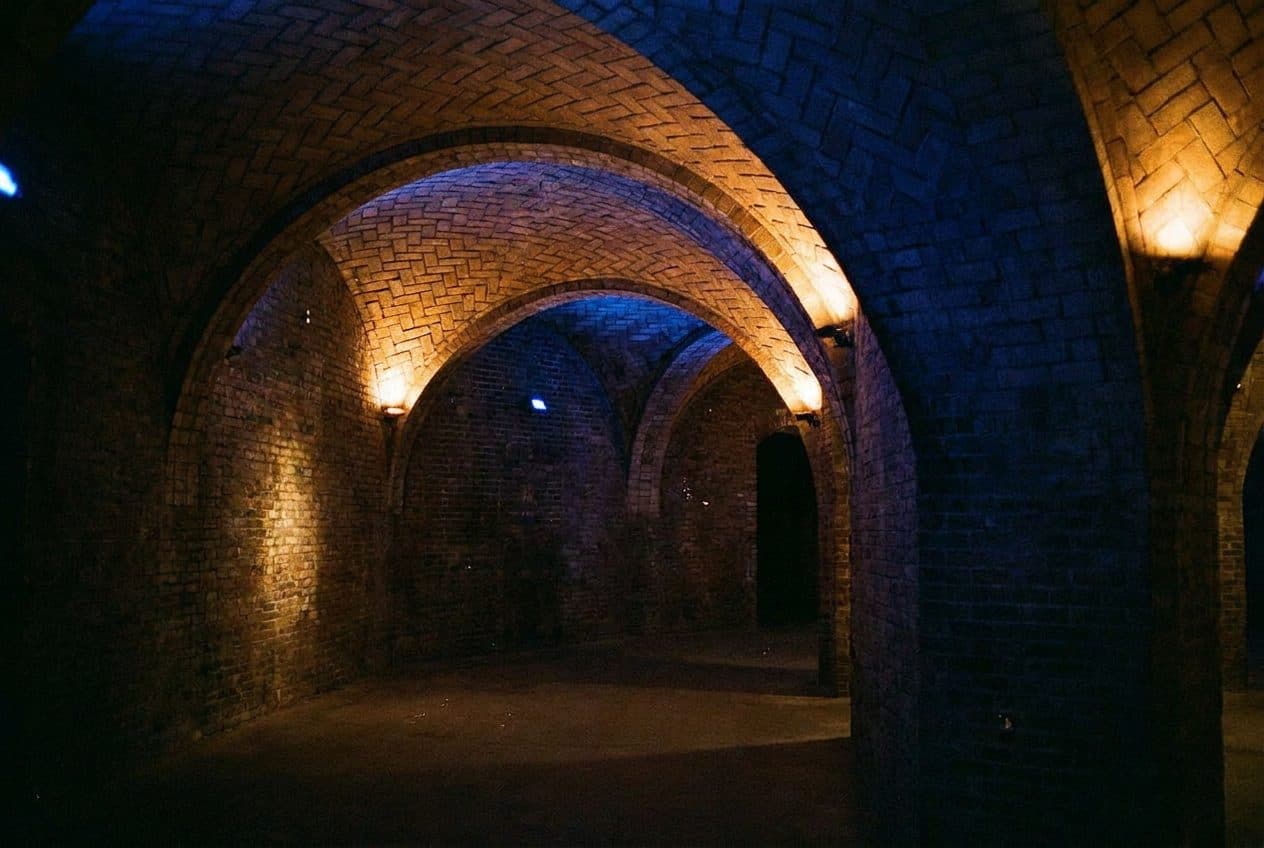
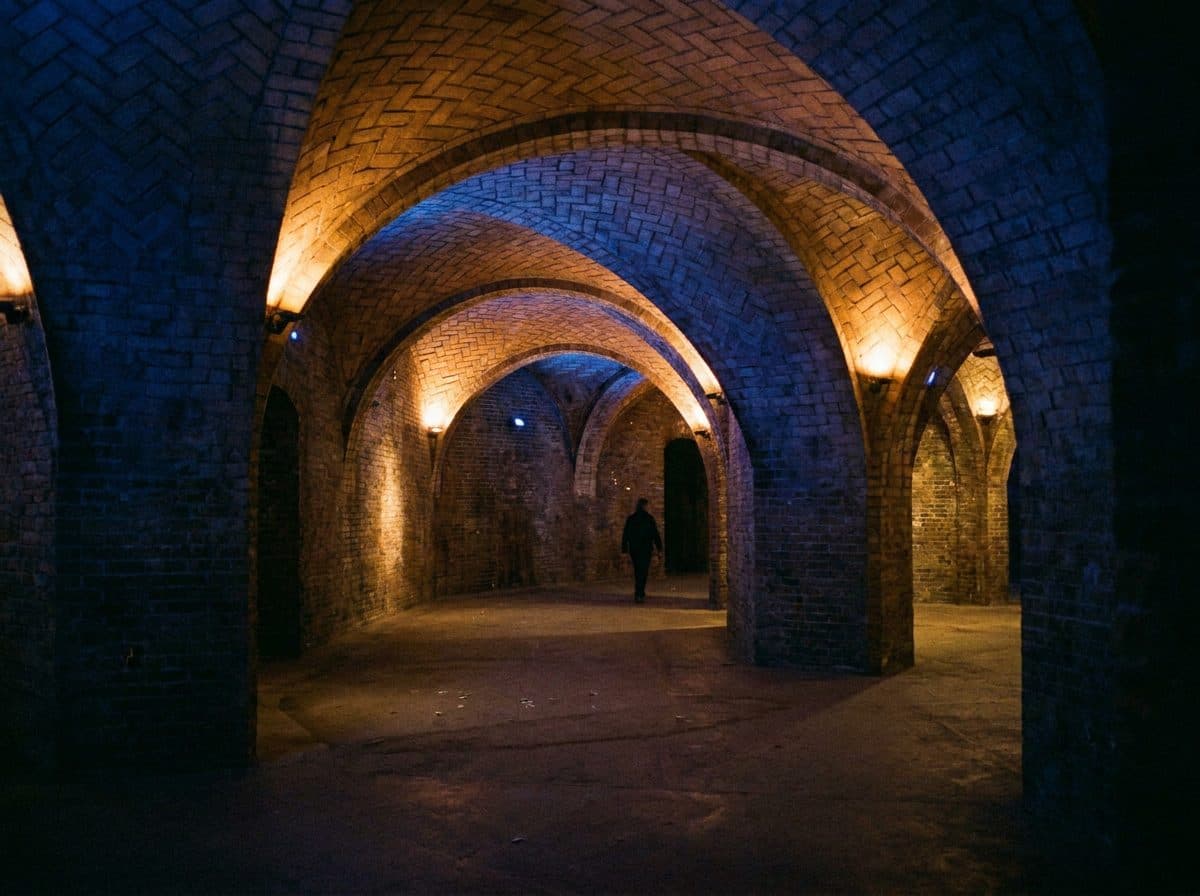
The station opened on October 27, 1904, as the ceremonial southern terminus of the city's first underground railway. Rafael Guastavino, the Catalan architect whose interlocking tile system graces Grand Central's Oyster Bar and the Ellis Island Registry Room, designed the vaulted ceiling here with the same meticulous geometry. The arches span the curved platform in a herringbone pattern, each tile fitted without visible mortar, the whole structure self-supporting in a way that still impresses structural engineers who visit on these tours. Skylights originally flooded the space with natural light from the park above; they've since been paved over, but the brass fixtures remain, and the Transit Museum has restored period-appropriate lighting that catches the cream and ochre glaze of the tilework. The station was built to impress — a public works statement that subway travel could be dignified, even beautiful.
Why the Doors Closed
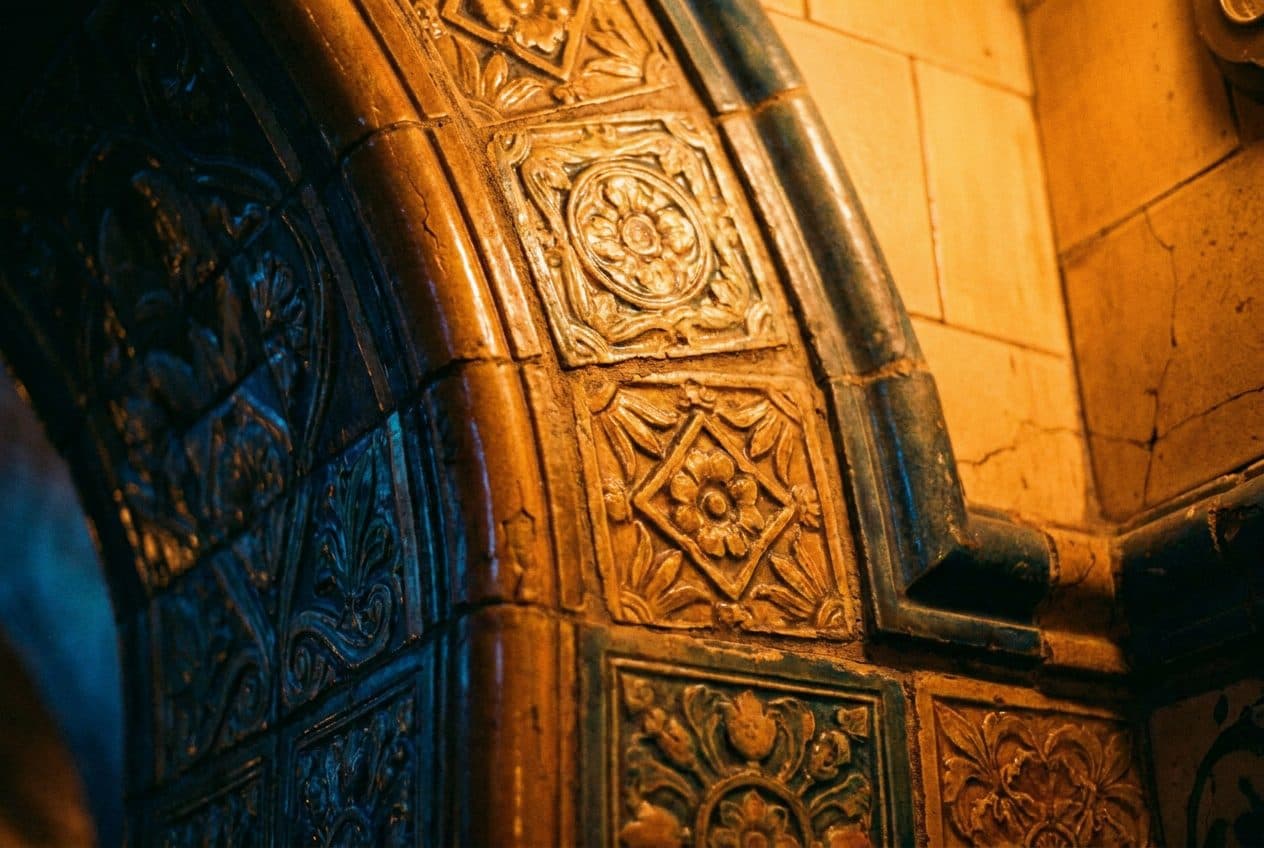
The platform's fatal flaw was its curve. Designed for five-car trains with manually operated doors, the tight loop that allowed trains to reverse direction also meant the platform couldn't accommodate longer consists. By the 1940s, the IRT was running ten-car trains, and only the front cars could safely open at City Hall. Ridership had never been high — nearby Brooklyn Bridge station handled the commuter crush — and in 1945, the city quietly shuttered the terminal. Trains still pass through on the downtown 6 line, using the loop to turn around at the end of the Lexington Avenue run. The station exists in a strange twilight: operational infrastructure, architectural landmark, and ghost all at once.
The Glimpse From the Train
Those who can't secure tour tickets have one option. Riders who stay on a downtown 6 train past Brooklyn Bridge — ignoring the conductor's announcement to exit — will loop through the old City Hall station before heading back uptown. The train slows but doesn't stop. For perhaps forty-five seconds, the vaulted ceiling sweeps past the windows, chandeliers catching the light, the platform empty and silent. It's a strange, almost voyeuristic experience, faces pressed to glass, phones held up against the scratched windows. The glimpse is enough to understand why people wait months for the full tour. The tiles glow. The curve of the ceiling follows the curve of the track. Then the train accelerates into the modern tunnel, and the 21st century reasserts itself.
Securing a Spot
The Transit Museum releases tour tickets on its website, and the pattern rewards those who pay attention. New dates typically drop on Tuesday mornings, often around 10 a.m., though the museum doesn't officially confirm the schedule. Seats vanish within hours, sometimes faster. The tours run sporadically — a handful of dates scattered across spring and fall, rarely in summer or deep winter. Membership in the Transit Museum doesn't guarantee access but does provide earlier notification and occasionally separate member-only dates. The wisest approach involves checking the museum's event page every Tuesday starting in early March and again in September, browser refreshed, credit card ready. Hesitation costs seats.
What the Tour Reveals
Groups gather at the Brooklyn Bridge station, where a museum docent leads them down a service passage and onto the abandoned platform. The first view is always the ceiling — the Guastavino vaults rising in their full span, unobstructed by crowds or movement. The best vantage point comes from standing at the far southern end of the platform, where the curve of the architecture reaches its apex and the tiles seem to ripple outward like the interior of a shell. Docents encourage lingering here, and photographers who know the station position themselves at this spot immediately. The tour lasts roughly ninety minutes, covering the engineering of the loop, the political battles over the original IRT franchise, and the preservationist efforts that have kept the station intact. Questions are welcomed. The docents tend to be transit obsessives themselves, happy to discuss ventilation systems and fare collection with equal enthusiasm.
The Crowd That Gathers
Tour groups skew toward a particular demographic: architecture buffs, urban historians, the kind of New Yorkers who read about Robert Moses for fun. But families appear too, teenagers dragged along who end up genuinely fascinated, tourists who stumbled onto the listing and secured tickets before understanding how rare the opportunity is. The atmosphere is hushed, reverential — people speak in museum voices, even though the space was built for the clatter of arriving trains. There's something church-like about standing in a public works project designed to elevate the daily commute, now preserved precisely because it failed to keep up with the city's growth.
Practical Notes
Tours depart from the Brooklyn Bridge-City Hall station complex, accessible via the 4, 5, 6, J, and Z lines. The museum's main facility sits in downtown Brooklyn, in a decommissioned station at Boerum Place, but City Hall tours meet at the Manhattan site. Tickets run in the range of thirty to forty dollars, with member discounts available. Tours require advance booking — no walk-ups, no exceptions. Comfortable shoes matter; the platform is original, the surface uneven. Photography is permitted, tripods generally discouraged due to space constraints. The museum's website lists upcoming dates when available, though checking Tuesday mornings remains the surest strategy. Accessibility is limited given the station's 1904 infrastructure.
Tags: #CityHallStation #GuastavinoTiles #NYCHiddenGems #TransitMuseum #SubwayArchitecture #AbandonedNYC #IRTSubway #LowerManhattan #UrbanExploration #GildedAgeNYC #SecretNewYork #SubwayHistory #UndergroundNYC #ArchitecturalPreservation
Sources consulted: atlasobscura.com · timeout.com · nytimes.com
All trademarks are the property of their respective owners.
Ask Karpo first
Want to know when the next City Hall station tour tickets drop, whether the brief glimpse from the 6 train loop actually works, and what else in Lower Manhattan is worth combining on the same day? Ask Karpo for a real-time ticket alert and a downtown hidden-layers itinerary.