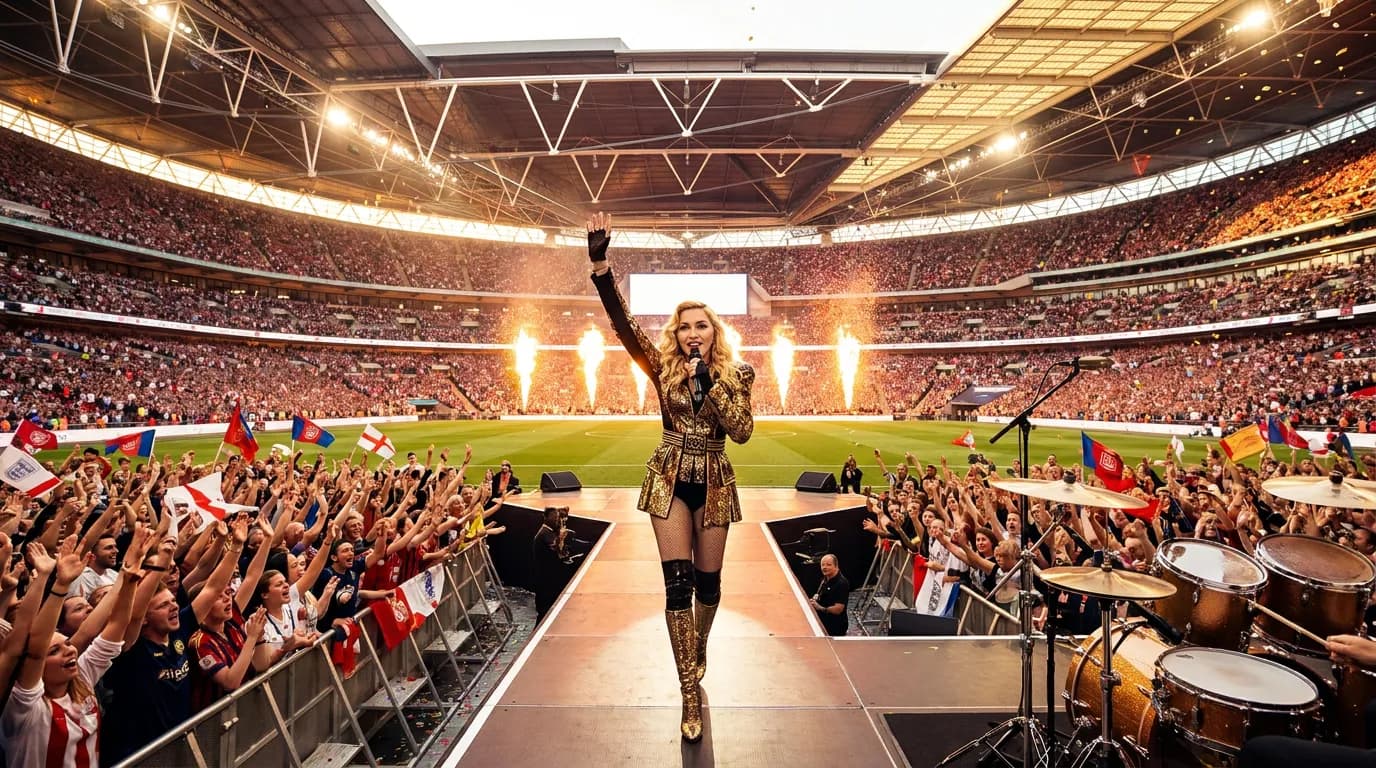
The roar of 100,000 fans at MetLife Stadium. The weight of red, white, and blue scarves draped across millions of shoulders from Seattle to Miami. When the 2026 World Cup kicks off on American soil, Christian Pulisic will carry more than just his country's hopes—he'll shoulder the dreams of a soccer-mad nation finally ready to believe. The Chelsea winger has already rewritten what it means to be an American footballer, but can he script the most audacious chapter yet: a World Cup triumph at home?
The Pulisic Revolution: From Hershey to History
Christian Pulisic didn't just break barriers—he obliterated them. When the Pennsylvania native became the youngest American to score in World Cup qualifying at 17, then the first American to score a Champions League hat-trick, he wasn't just making personal history. He was reshaping American soccer's DNA.
At Chelsea, Pulisic has navigated the brutal realities of Premier League football, transforming from promising prospect to proven match-winner. His explosive pace, clinical finishing, and big-game mentality represent everything the USMNT needs in pressure moments. But leadership at a home World Cup demands more than individual brilliance—it requires elevating an entire generation of American talent.
The statistics tell part of the story: 27 international goals in 69 appearances, crucial strikes in World Cup qualification, and a track record of performing when the spotlight burns brightest. Yet numbers can't capture Pulisic's evolution from talented teenager to the face of American soccer. His journey mirrors the USMNT's own transformation under Gregg Berhalter's tactical revolution.
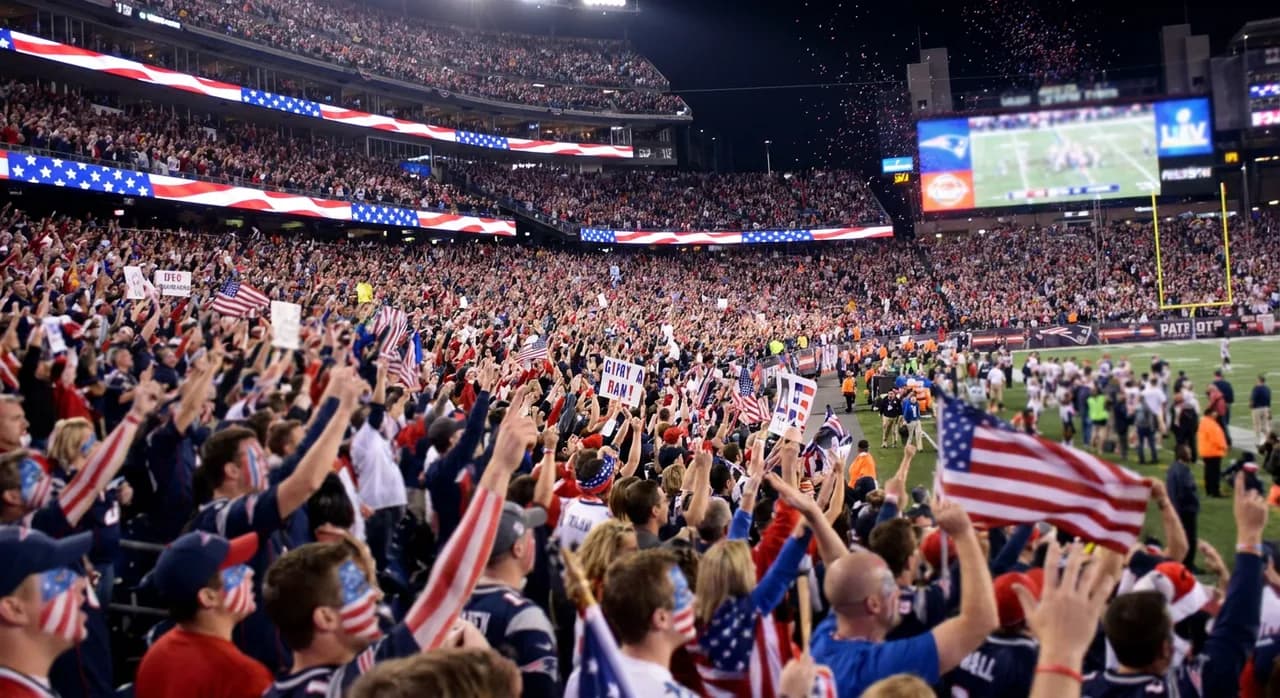
Berhalter's Blueprint: A System Built for Success
Gregg Berhalter inherited a fractured program in 2019 and methodically constructed something unprecedented in American soccer: a cohesive tactical identity. His possession-based system, emphasizing high pressing and quick transitions, maximizes the strengths of players like Pulisic, Yunus Musah, and Tyler Adams.
The 4-3-3 formation places Pulisic in his preferred left-wing role, allowing him to drift inside and create overloads in central areas. This tactical flexibility proved crucial during the 2022 World Cup in Qatar, where the USMNT's dynamic movement troubled elite defenses. Berhalter's emphasis on playing out from the back suits a generation raised on technical soccer, creating the foundation for sustained attacking pressure.
More importantly, this system breeds confidence. When players understand their roles and trust their teammates, individual talent flourishes. Pulisic's connection with central midfielders like Weston McKennie and Musah creates passing triangles that can unlock any defense. The home crowd advantage in 2026 will amplify this tactical cohesion, turning already-dangerous attacks into unstoppable momentum.
The Golden Generation: Supporting Cast Ready to Shine
Pulisic may be the star, but championships require ensembles. The current USMNT roster represents the deepest talent pool in American soccer history, with players excelling across Europe's top leagues. Tyler Adams captains Leeds United and anchors the defensive midfield with tenacious pressing and intelligent positioning. His partnership with Yunus Musah, AC Milan's versatile midfielder, provides the perfect balance of steel and silk.
In defense, Matt Turner's shot-stopping heroics for Nottingham Forest have established him as a reliable last line of defense, while Antonee Robinson's pace at left-back creates additional attacking width. The forward line offers multiple weapons: Folarin Balogun's clinical finishing, Ricardo Pepi's physical presence, and Giovanni Reyna's creative spark from attacking midfield positions.
This supporting cast transforms Pulisic from isolated talent to conductor of a complete orchestra. When defenders focus on stopping the Chelsea star, space opens for Reyna's through balls or McKennie's late runs into the box. The tactical intelligence of this generation allows them to exploit defensive attention, creating multiple scoring threats that stretch opposing teams beyond their limits.
Home Advantage: The Twelfth Man Factor
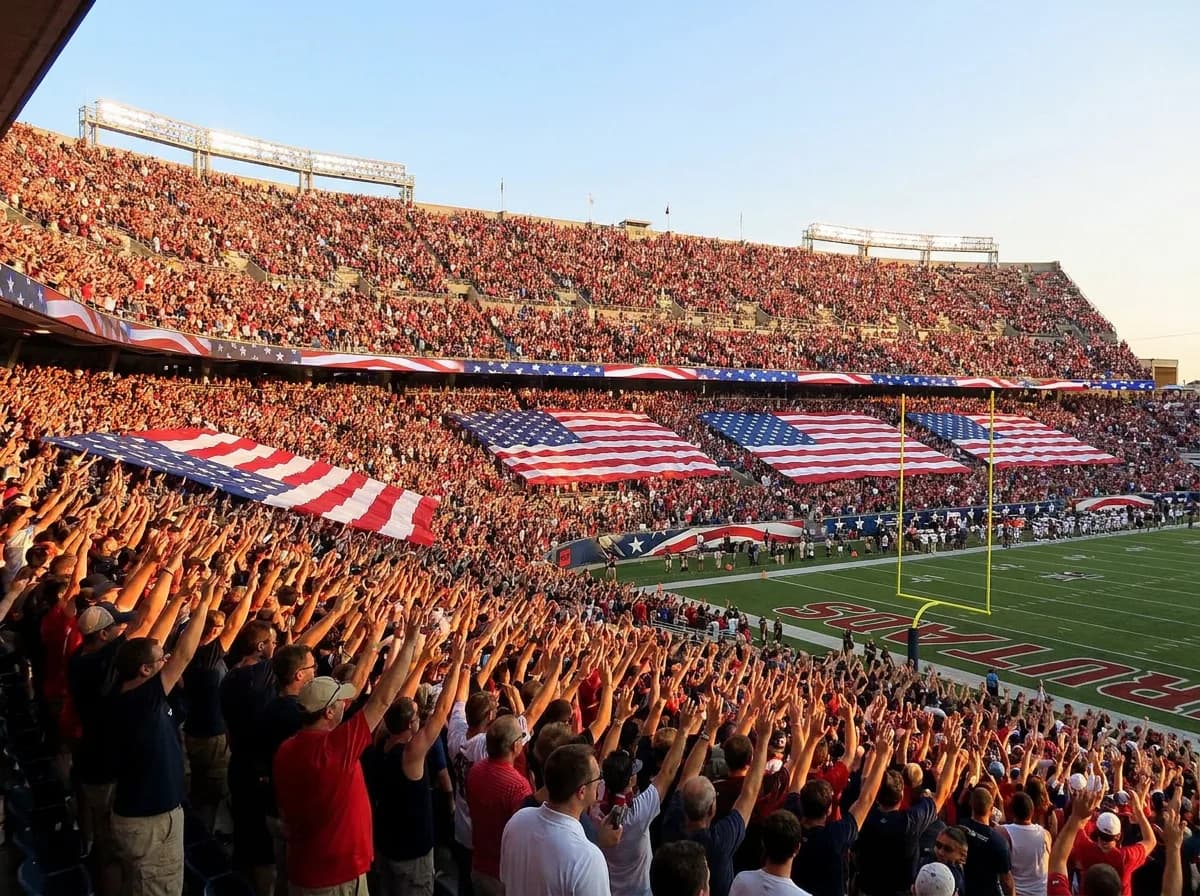
Playing at home changes everything. The 1994 World Cup demonstrated American soccer's potential, drawing massive crowds despite the USMNT's limited expectations. Imagine the atmosphere when a genuinely competitive American team takes the field in 2026, with Pulisic leading the charge through packed stadiums in Los Angeles, New York, and Dallas.
Home advantage extends beyond crowd noise. Familiar time zones, comfortable travel, and supportive media coverage create optimal conditions for peak performance. European-based players won't face jet lag or unfamiliar climates—crucial factors during a month-long tournament. The psychological boost of playing before friendly crowds has historically lifted host nations beyond their normal capabilities.
Consider France in 1998 or Russia in 2018—teams that exceeded expectations by feeding off home energy. The USMNT already possesses superior talent to both those squads. Add passionate home support, and the Americans become genuine contenders rather than plucky underdogs. Pulisic's ability to rise in big moments, combined with deafening crowd support, could produce magical nights that define American soccer forever.
Championship Reality Check: The Path to Glory
Winning the World Cup requires navigating seven matches against the world's best teams. The USMNT's path likely runs through traditional powerhouses like Brazil, France, or England—teams with deeper World Cup pedigree and superior squad depth. Pulisic and company must prove they belong among soccer's elite, not just once but repeatedly over four weeks.
The Americans' best hope lies in their unpredictability and fearless approach. European opponents may underestimate a USMNT team that plays without historical baggage or excessive pressure. Pulisic's pace threatens any defense, while the team's tactical discipline under Berhalter can frustrate more technically gifted opponents.
Tournament soccer rewards teams that peak at the right moment. The USMNT's young core will enter 2026 in their prime years, with most key players between 24 and 28. This represents the sweet spot of physical ability, technical skill, and tactical understanding. If injuries cooperate and team chemistry continues developing, the Americans possess the tools for a deep run.
Practical Notes
The 2026 World Cup spans June 11 to July 19 across 16 cities in the United States, Canada, and Mexico. The USMNT automatically qualifies as co-host, avoiding the stress of qualification campaigns. Key venues include MetLife Stadium, Rose Bowl, and AT&T Stadium—iconic American sporting cathedrals perfect for historic moments.
Fans planning to attend should monitor FIFA's ticketing process, which typically opens 12-18 months before the tournament. Group stage matches will likely be most accessible, while knockout rounds require lottery luck. Television coverage will span multiple networks, ensuring maximum exposure for Pulisic's championship pursuit.
The tournament format expands to 48 teams with 12 groups of four, creating additional opportunities for upsets and Cinderella runs. This expansion actually benefits the USMNT, as more matches mean increased chances for home crowds to influence crucial moments.
Tags: #WorldCup2026 #FIFA2026 #ChristianPulisic #USMNT #USSoccer #AmericanSoccer #HomeAdvantage #GreggBerhalter #TylerAdams #YunusMusah #WestonMcKennie #GiovanniReyna #WorldCupDreams #SoccerUSA
Sources consulted: fifa.com · espn.com
All trademarks are the property of their respective owners.
Ask Karpo first
Want to keep following the World Cup 2026 story? Ask Karpo for personalized bracket, live scores, and match schedule for your teams and city.