 Where to Eat Near Penn Station That Isn't a Chain
US Open 2026
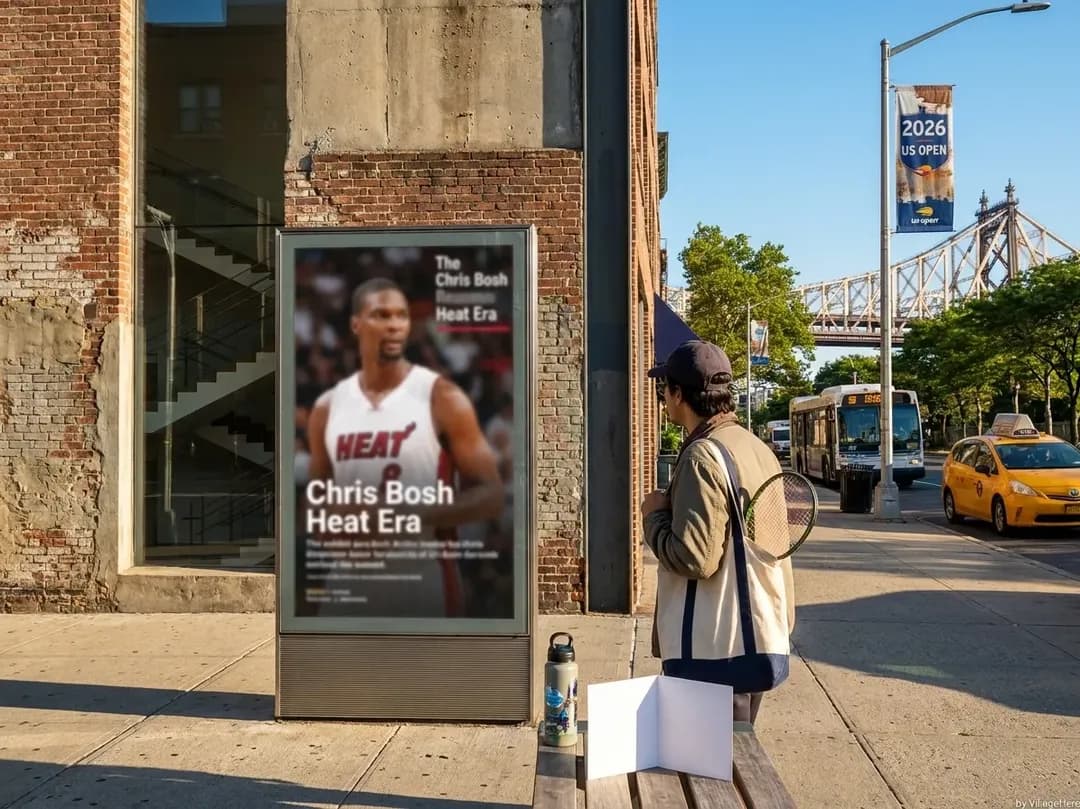
Chris Bosh Heat Era: NYC Basketball Museums Near US Open
How to pair US Open tennis with Queens museums, basketball history exhibits, and 7 train stops that celebrate NBA legends like Chris Bosh during your 2026 tournament visit.
When Chris Bosh trends—whether through Hall of Fame discussions, Miami Heat throwback content, or NBA documentary buzz—it's a reminder that basketball history lives in museums, exhibits, and public spaces across New York. If you're planning US Open days in Flushing Meadows for 2026, you're already on the 7 train corridor that connects tennis, basketball heritage, and Queens cultural institutions. The same transit line that delivers you to the Billie Jean King National Tennis Center also stops at neighborhoods rich with sports history, moving-image archives, and museum collections that honor NBA legends. This guide helps you weave basketball culture into your US Open visit, using the 7 train as your thread through Queens museums, public art, and the sports stories that shaped the city.
Text Karpo with your US Open session time and Queens starting point, and we’ll turn this Sports history museums and exhibits showcasing NBA legends accessible from Flushing into a practical local plan.
US Open Schedule and 7 Train Museum Access
The 2026 US Open runs late August through early September, with day and evening sessions spanning two weeks. According to the official event schedule on usopen.org, early rounds offer the most flexible timing for pairing tennis with off-site exploration. The 7 train is your primary transit tool: the MTA US Open guide confirms express service during tournament hours, and the same line serves Museum of the Moving Image in Astoria, the Queens Museum in Flushing Meadows Corona Park, and the New York Hall of Science just north of the tennis center. If you're attending an evening session, consider a morning or early afternoon museum visit along the 7 corridor. If you have a day session ticket, late afternoon and early evening museum hours—where available—let you bookend tennis with culture. Always check current museum hours and US Open session times on official sites close to your visit, since schedules shift year to year.
Museum of the Moving Image: Basketball Documentaries and Screen Culture
Museum of the Moving Image in Astoria (36-01 35th Avenue, one stop before Queensboro Plaza on the 7 local) holds one of the country's most comprehensive collections of film, television, and digital media artifacts. While it's not a sports museum, its rotating exhibits and permanent collection often include sports documentaries, broadcast history, and the visual culture that made NBA legends household names. Chris Bosh's career, like those of many Heat-era stars, is documented in films, highlight reels, and streaming series that live in the museum's archive and screening programs. Check movingimage.org for current exhibitions and screening schedules—weekend and evening programs sometimes feature sports media retrospectives. The museum's cafe and bookstore are small but thoughtfully curated, and the surrounding Astoria blocks offer Greek bakeries, coffee shops, and quiet side streets for a pre- or post-tennis pause.
Queens Museum and the Panorama: Sports in the City Context
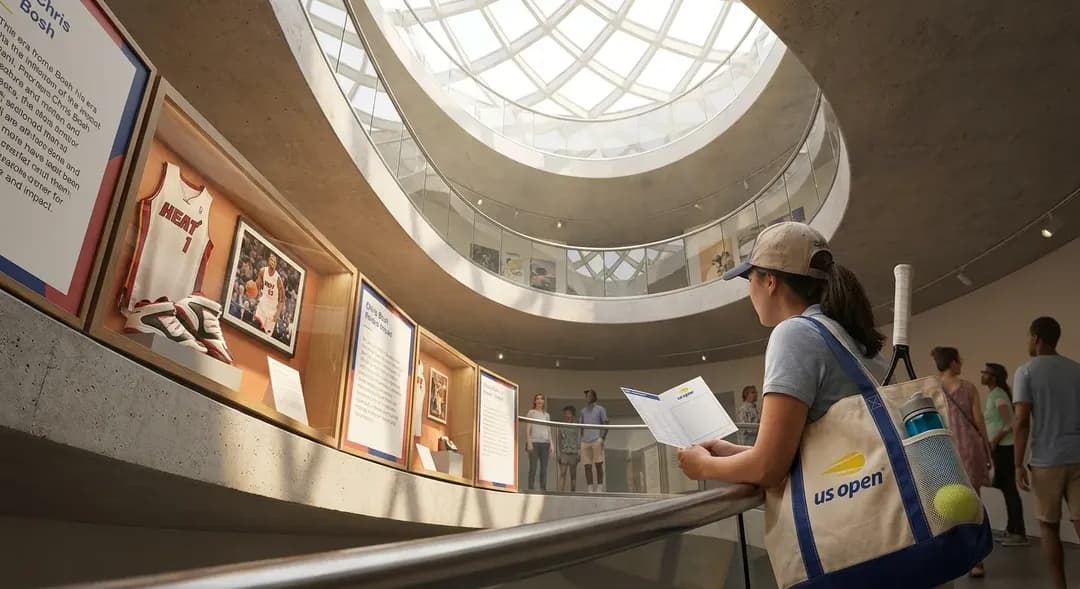
The Queens Museum sits inside Flushing Meadows Corona Park, a short walk from the US Open grounds. Its permanent Panorama of the City of New York—a 9,335-square-foot scale model of all five boroughs—offers a bird's-eye view of every NBA arena, playground, and sports landmark in the city. While the museum's focus is art, history, and community, its exhibitions frequently explore Queens identity, immigration, and the public spaces where sports culture thrives. The museum's location makes it an ideal pre-match stop: you can walk from the 7 train (Mets–Willets Point station) through the park, visit the Panorama, then continue to the tennis center. The Queens Museum site at queensmuseum.org lists current hours, admission policies, and accessibility details. The museum's surrounding parkland includes the Unisphere, playgrounds, and open fields where pickup basketball games unfold on summer evenings—a living extension of the sports history you're exploring indoors.
New York Hall of Science: STEM and Sports Innovation
Just north of the US Open, the New York Hall of Science (47-01 111th Street) focuses on science and technology, but its exhibits on physics, engineering, and human performance intersect with sports innovation. Biomechanics, materials science, and data visualization—all central to modern basketball analytics and player development—appear in interactive displays. The Hall's outdoor Science Playground and Rocket Park offer a break from crowds and a chance to stretch before or after a tennis session. Check nysci.org for current exhibitions, hours, and any special programs tied to sports science or athletic performance. The museum is a short walk or bike ride from the tennis center, and the surrounding Corona neighborhood offers Latin American bakeries, taquerias, and fruit vendors for a quick, energizing snack.
7 Train Corridor: Basketball Courts and Public Memory
The 7 train itself is a museum of sorts. Between Flushing and Times Square, the elevated and underground stations pass playgrounds, schoolyards, and public courts where New York basketball culture is made and remade every day. Stops in Jackson Heights, Woodside, and Sunnyside put you within walking distance of parks and community centers that honor local athletes and host youth leagues. While you won't find formal exhibits dedicated to Chris Bosh or other NBA stars at these stops, the public courts and murals reflect the same passion for the game that fuels professional careers. If you have time between US Open sessions, consider hopping off at 82nd Street–Jackson Heights or 61st Street–Woodside, walking a few blocks to a park, and watching a pickup game. It's informal, free, and deeply connected to the city's sports identity.
Flushing Meadows Corona Park: Sports Landmarks and Public Art
Flushing Meadows Corona Park, home to the US Open, is also the site of two World's Fairs, Citi Field, and the USTA Billie Jean King National Tennis Center. The park's public art, memorials, and historical markers tell overlapping stories of sports, immigration, and civic pride. The Unisphere, visible from many points in the park, anchors a landscape where tennis, baseball, soccer, and basketball coexist. The NYC Parks site at nycgovparks.org offers maps, event calendars, and historical context for the park's sports facilities. Walking between the Queens Museum, the tennis center, and Citi Field, you'll pass courts, fields, and playgrounds that serve as informal archives of New York sports culture. Bring comfortable shoes, a water bottle, and a willingness to wander—the park rewards curiosity.
Practical Notes for Museum and US Open Pairing
- Check museum hours on official sites close to your visit—summer and fall schedules vary, and some institutions close Mondays or Tuesdays.
- The MTA US Open guide at new.mta.info confirms 7 train express service during tournament hours; plan museum stops around express and local service patterns.
- US Open prohibited-items rules (usopen.org) apply to bags and gear; if you're carrying museum purchases or camera equipment, review the list before entering the tennis center.
- Museum admission policies differ—some offer free or pay-what-you-wish hours; confirm current pricing and reservation requirements on each institution's site.
- Flushing Meadows Corona Park is large and can be disorienting; download a park map from nycgovparks.org or pick up a paper copy at the Queens Museum or visitor center.
- If you're visiting multiple museums in one day, consider a morning Astoria stop, midday Flushing Meadows visit, and afternoon or evening US Open session.
- Cafes, delis, and food vendors cluster near 7 train stops in Astoria, Jackson Heights, and Flushing; plan meal breaks around museum and tennis schedules.
- Basketball courts in the park and surrounding neighborhoods are public and free; respect players, ask before photographing, and enjoy the spontaneous culture.
Why Chris Bosh and Heat History Matter in Queens
Chris Bosh's career—especially his Miami Heat championship years—represents a specific era of NBA basketball that coincided with the rise of streaming media, social platforms, and global sports culture. That era is documented in films, exhibits, and digital archives now housed in museums like the Museum of the Moving Image. When Bosh trends, it's often because fans are revisiting that period through documentaries, highlight reels, or Hall of Fame debates. Queens museums don't have dedicated Bosh exhibits, but they hold the tools to understand how sports stories are told, preserved, and remembered. Pairing US Open tennis with these institutions lets you explore the infrastructure of sports memory—the cameras, screens, archives, and public spaces that turn athletes into legends. It's a quieter, more reflective way to engage with basketball history, and it fits naturally into a Queens day built around the 7 train and Flushing Meadows.
chris bosh, US Open 2026, Queens museums, Flushing Meadows, Museum of the Moving Image, Queens Museum, New York Hall of Science, 7 train, basketball history, NBA exhibits, sports documentaries, Flushing Meadows Corona Park, Astoria, Corona, Jackson Heights, USTA Billie Jean King National Tennis Center, New York sports culture, public courts, Panorama of the City of New York, MTA US Open guide, museum hours, transit planning, Queens cultural institutions, sports media archives, pickup basketball, Unisphere, Citi Field, NYC Parks, movingimage.org, queensmuseum.org, nysci.org, usopen.org, new.mta.info, nycgovparks.org
Tags: #USOpen2026 #Queens #FlushingMeadows #KarpoFinds #Karpo #chrisbosh #NewYorkLocal #TennisTravel #NYCLocalLife #TennisTravel
Sources consulted: usopen.org — Official event schedule · usopen.org — Official visitor A-Z guide · usopen.org — Official transportation directions · usopen.org — Official prohibited-items guide · MTA — Official US Open transit guide · NYC Parks — Flushing Meadows Corona Park · Queens Museum · New York Hall of Science · Museum of the Moving Image
All trademarks are the property of their respective owners.
Ask Karpo first
Want to know what is actually open, how to time the trip, and where to pause around Queens? Ask Karpo for the latest public US Open context, a respectful visitor plan, and a live route around Flushing Meadows before you head out.
Ask Karpo for more information.
Keep reading
- Where to Eat Near Penn Station That Isn't a Chain
 Andytown Coffee in the Outer Sunset: The Snowy Plover Explained
- Best Things to Do in Chicago: What the City Gives Away