 Where to Eat Near Penn Station That Isn't a Chain
US Open 2026
Chelsea vs Juventus Soccer Pottery Classes Near US Open Flushing
How to weave ceramic studio sessions, hand-building workshops, and creative downtime into your 2026 US Open tennis schedule across Queens.
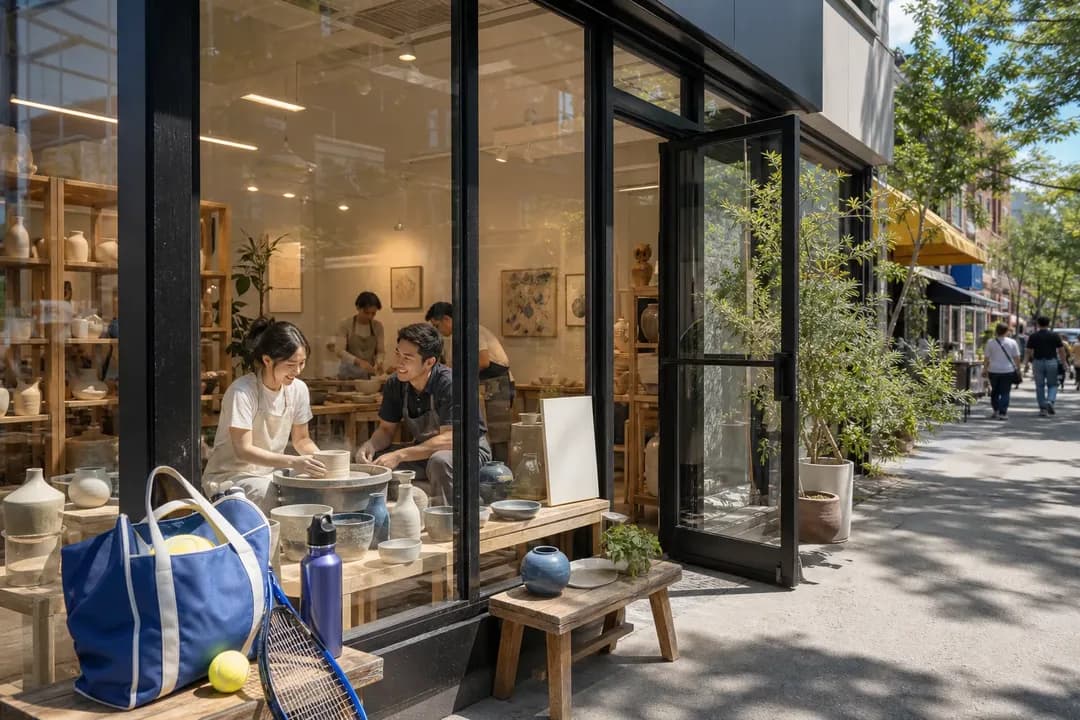
When you search "chelsea vs juventus" during late summer, you're likely tracking international soccer fixtures—but if you're also planning a trip to the 2026 US Open in Flushing, Queens, that same appetite for world-class competition pairs beautifully with the borough's thriving ceramic studio scene. The US Open runs late August through early September, and between day and evening sessions at the Billie Jean King National Tennis Center, you'll find dozens of hand-building workshops, open-studio hours, and drop-in pottery classes along the 7 train corridor. This guide helps you weave creative downtime—wheel throwing, slab building, glazing demos—into your tennis itinerary without inventing studio names, promiseing class availability, or promising same-day firing miracles.
Text Karpo with your US Open session time and Queens starting point, and we’ll turn this Ceramic studios and hand-building workshops in Queens for creative downtime between tennis sessions into a practical local plan.
Why pottery and tennis belong on the same Queens itinerary
The US Open schedule typically offers day sessions starting around the posted time and night sessions beginning at the posted time, leaving gaps for breakfast, lunch, or late-afternoon exploration. Ceramic studios in Long Island City, Astoria, Jackson Heights, and Flushing often run two-hour beginner workshops, open-studio blocks, or walk-in hand-building sessions that fit neatly between matches. You'll ride the same 7 train that delivers you to Mets–Willets Point station for the tournament, hopping off at stops like 61st Street–Woodside, Junction Boulevard, or Court Square to reach neighborhood studios. The rhythm mirrors the tournament itself: focused, tactile, and surprisingly meditative after hours of baseline rallies and tiebreaks.
Queens has been a ceramics hub for decades, thanks to affordable studio space, immigrant craft traditions, and proximity to Manhattan galleries. Many studios welcome drop-ins for hand-building—pinch pots, coil vessels, slab trays—without requiring wheel experience or multi-week commitments. You'll work alongside local artists, teachers, and other visitors who've discovered that shaping clay offers a perfect counterpoint to the high-speed drama unfolding at Arthur Ashe Stadium. Check individual studio websites or social-media pages a few weeks before your visit to confirm summer schedules, workshop fees, and whether reservations are required.
Mapping studios along the 7 train corridor
The 7 train is your ceramic-studio lifeline. Long Island City—one stop from Manhattan, three stops from Mets–Willets Point—hosts the densest concentration of art spaces, including ceramics collectives in converted warehouses near Court Square and Hunters Point. Astoria, two stops further west, offers smaller neighborhood studios tucked above cafés and next to bookstores on Ditmars Boulevard and Steinway Street. Jackson Heights and Woodside, closer to Flushing, feature community arts centers that run affordable weekend workshops and weekday open-studio hours. Flushing itself, walkable from the tennis center or one express stop away, has newer maker spaces blending pottery with printmaking and textile arts.
Use the MTA's official US Open transit guide to plan your route: the 7 runs express during tournament hours, and you can store a small tote with a change of clothes or a sketchbook in a locker at the tennis center if you're bouncing between sessions. Most studios provide aprons, tools, and clay; you'll take home bisque-fired or greenware pieces weeks later, or arrange shipping if you're visiting from out of town. If you're staying in Manhattan, the 7 originates at Times Square–42nd Street and reaches Court Square in under ten minutes, making a morning pottery class before an afternoon match entirely feasible.
What to expect in a drop-in hand-building workshop
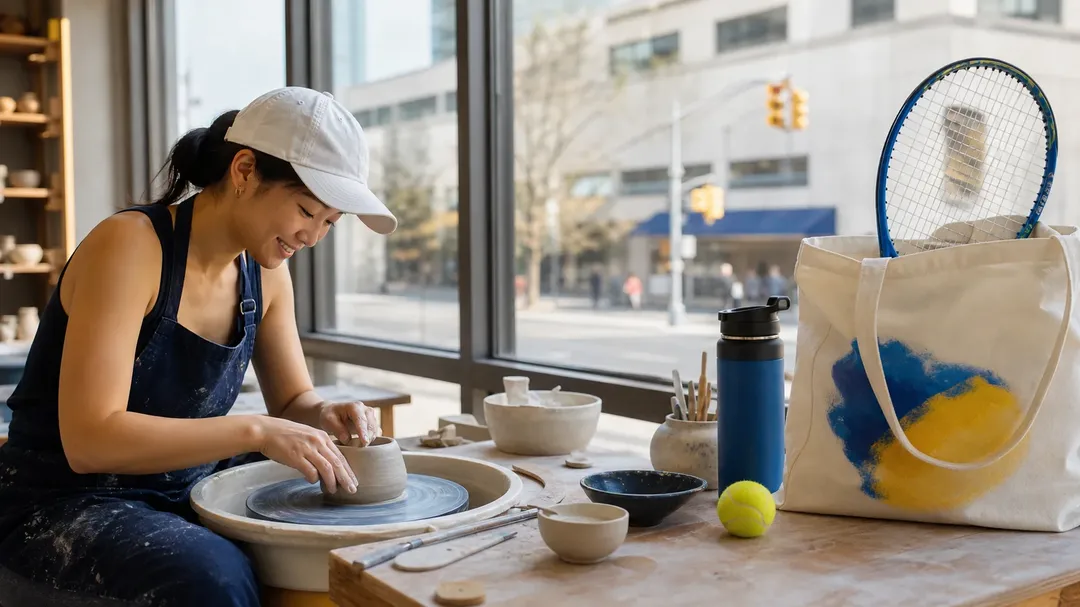
Most beginner-friendly workshops last two to three hours and focus on hand-building techniques: pinching a small bowl, rolling coils into a vase, or cutting slabs for a tray or planter. Instructors demonstrate wedging—kneading clay to remove air bubbles—then guide you through shaping, smoothing, and adding texture with stamps, carving tools, or found objects. You won't glaze or fire your piece the same day; studios typically bisque-fire work within a week, then invite you back for a glazing session or offer mail-back services for a fee. If you're in town only for the tournament, ask whether the studio sells pre-glazed demo pieces or hosts express workshops that let you paint underglazes on leather-hard clay.
Wheel-throwing classes require more time and often a multi-session commitment, but some studios offer thirty-minute taster sessions where an instructor centers the clay and you shape a small bowl under close supervision. If you've never touched a pottery wheel, this is a low-stakes way to try it between a morning quarterfinal and an evening doubles match. Wear clothes you don't mind spattering with slip—clay mixed with water—and tie back long hair. Studios provide hand towels, but bring a small bag for your phone and wallet; clay dust and touchscreens don't mix.
Pairing pottery with Queens food and park breaks
After a two-hour hand-building session in Long Island City, walk five minutes to the waterfront parks along the East River for views of the Midtown skyline, then grab lunch at one of the neighborhood's Colombian, Mexican, or Thai cafés. Astoria studios sit near Greek bakeries on Broadway and Egyptian pastry shops on Steinway Street; pick up a spinach pie or basbousa before heading back to Flushing. Jackson Heights workshops put you steps from the Roosevelt Avenue food corridor—Tibetan momos, Ecuadorian ceviche, Indian dosas—and a short walk to Travers Park, a quiet green square perfect for a pre-match rest.

Flushing Meadows Corona Park itself—home to the US Open—offers more than tennis. The Queens Museum, the New York Hall of Science, and the Unisphere are all within walking distance of the Billie Jean King National Tennis Center, and the park's meadows and playgrounds provide shaded benches when you need a break from both clay and crowds. Check the NYC Parks website for any summer events, concerts, or public-art installations that might overlap with your visit. If you're planning a full day, consider a morning museum visit, a midday pottery class in nearby Flushing or Corona, lunch at the tournament grounds, and an evening session under the lights at Arthur Ashe.
Booking, pricing, and what to ask studios ahead of time
Ceramic studios in Queens typically charge between twenty and sixty dollars for a two-hour drop-in workshop, with clay, tools, and first firing included; glazing and additional firings may cost extra. Some studios require advance registration through their websites or platforms like Eventbrite, while others accept walk-ins if space permits. During the US Open, weekend workshops fill quickly—especially Saturday and Sunday mornings—so book at least a week ahead if your schedule is tight. Weekday afternoon slots, when many locals are at work, often have more availability.
When you contact a studio, ask whether they offer locker or shelf space if you're making multiple pieces across several days, whether they ship finished work, and whether they have partnerships with nearby hotels or tourism offices. Some studios run special "tournament week" promotions or collaborate with local businesses to offer discounts; check their social-media pages or sign up for email lists a month before your trip. Confirm the studio's cancellation policy, especially if rain or a schedule change at the US Open might force you to reschedule.
Practical notes for weaving pottery into your US Open visit
- Check the official US Open schedule at usopen.org a few weeks before your trip; day-session start times and night-session lineups can shift as the tournament progresses.
- Use the MTA's US Open transit guide to plan 7 train trips; express service runs frequently during tournament hours, and the Mets–Willets Point station is steps from the tennis center.
- Wear comfortable, clay-friendly clothes to workshops—cotton or denim, closed-toe shoes—and bring a small bag for valuables; most studios have cubbies but no secure lockers.
- Ask studios about firing timelines and shipping options if you're visiting from out of town; bisque firing typically takes five to seven days, and glazing adds another week.
- Explore the US Open's prohibited-items guide before you pack; large bags, outside food, and certain electronics aren't allowed inside the tennis center, so plan to store workshop supplies at your hotel or in a locker.
- Visit the Queens Museum, New York Hall of Science, or Unisphere in Flushing Meadows Corona Park on the same day as your pottery class for a full creative itinerary.
- Check individual studio websites or call ahead to confirm summer hours, workshop availability, and whether walk-ins are welcome during the tournament's final week.
- Pair your pottery session with a meal along the 7 train corridor—Long Island City, Astoria, Jackson Heights, and Flushing all offer world-class, affordable dining within a short walk of ceramic studios.
Why this combination works for visitors and locals alike
The US Open draws hundreds of thousands of visitors to Queens every summer, but the borough's creative infrastructure—studios, galleries, maker spaces—remains a local secret. Slotting a pottery class into your tennis itinerary lets you experience Queens as residents do: riding the 7, eating in neighborhood cafés, and making something with your hands in a city often defined by speed and spectacle. You'll leave with a tangible souvenir—a bowl, a mug, a small sculpture—that carries the memory of both the tournament and the quieter, slower hours you spent shaping clay between matches. And if you're a New Yorker using the US Open as an excuse to explore your own borough, you'll discover studios and workshops you can return to long after the final is over.
Whether you're tracking soccer fixtures like chelsea vs juventus or planning a Grand Slam pilgrimage, the 2026 US Open offers a rare chance to pair world-class sport with hands-on art in one of the world's most diverse neighborhoods. Check official sources, book your workshop early, and give yourself permission to slow down between sets.
Tags: #USOpen2026 #Queens #FlushingMeadows #KarpoFinds #Karpo #chelseavsjuventus #NewYorkLocal #TennisTravel #NYCLocalLife #TennisTravel
Sources consulted: usopen.org — Official event schedule · usopen.org — Official visitor A-Z guide · usopen.org — Official transportation directions · usopen.org — Official prohibited-items guide · MTA — Official US Open transit guide · NYC Parks — Flushing Meadows Corona Park · NYC Tourism — Queens · NYC Department of Consumer and Worker Protection
All trademarks are the property of their respective owners.
Ask Karpo first
Want to know what is actually open, how to time the trip, and where to pause around Queens? Ask Karpo for the latest public US Open context, a respectful visitor plan, and a live route around Flushing Meadows before you head out.
Ask Karpo for more information.
Keep reading
- Where to Eat Near Penn Station That Isn't a Chain
 Andytown Coffee in the Outer Sunset: The Snowy Plover Explained
- Best Things to Do in Chicago: What the City Gives Away