When FIFA announced that the 2026 World Cup would be jointly hosted by Canada, Mexico, and the United States, football fans immediately began calculating what it would cost to witness history across sixteen host cities. Unlike tournaments confined to a single country, this tri-nation event presents unique opportunities for budget-conscious supporters to compare costs across different economies, currencies, and regional price points. While accommodation and ticket prices will fluctuate as the tournament approaches, understanding the structural cost differences between host cities and learning practical strategies to control expenses can help you plan vacaciones that deliver unforgettable football memories without financial regret.
Planning your World Cup budget requires more than comparing hotel rates. Karpo can build you a personalized cost-control plan that factors in your preferred matches, travel style, and spending priorities. Text us your tournament wishlist and we'll map out accommodation alternatives, food strategies, transport hacks, and neighborhood picks that align with your budget. Whether you're planning a single-match pilgrimage or a multi-city tournament adventure, Karpo turns cost anxiety into confident planning.
Understanding the Three-Country Cost Landscape
The 2026 World Cup's tri-nation format creates three distinct economic zones, each with different baseline costs for accommodation, meals, and local transport. Mexico's host cities operate in pesos with generally lower price points for street food, local restaurants, and mid-range hotels compared to their northern neighbors. Canada's host cities reflect higher costs for accommodation and dining, with prices in Vancouver and Toronto typically exceeding those in most U.S. venues. The eleven U.S. host cities span a wide range, from relatively affordable markets in the South and Midwest to premium-priced coastal destinations.
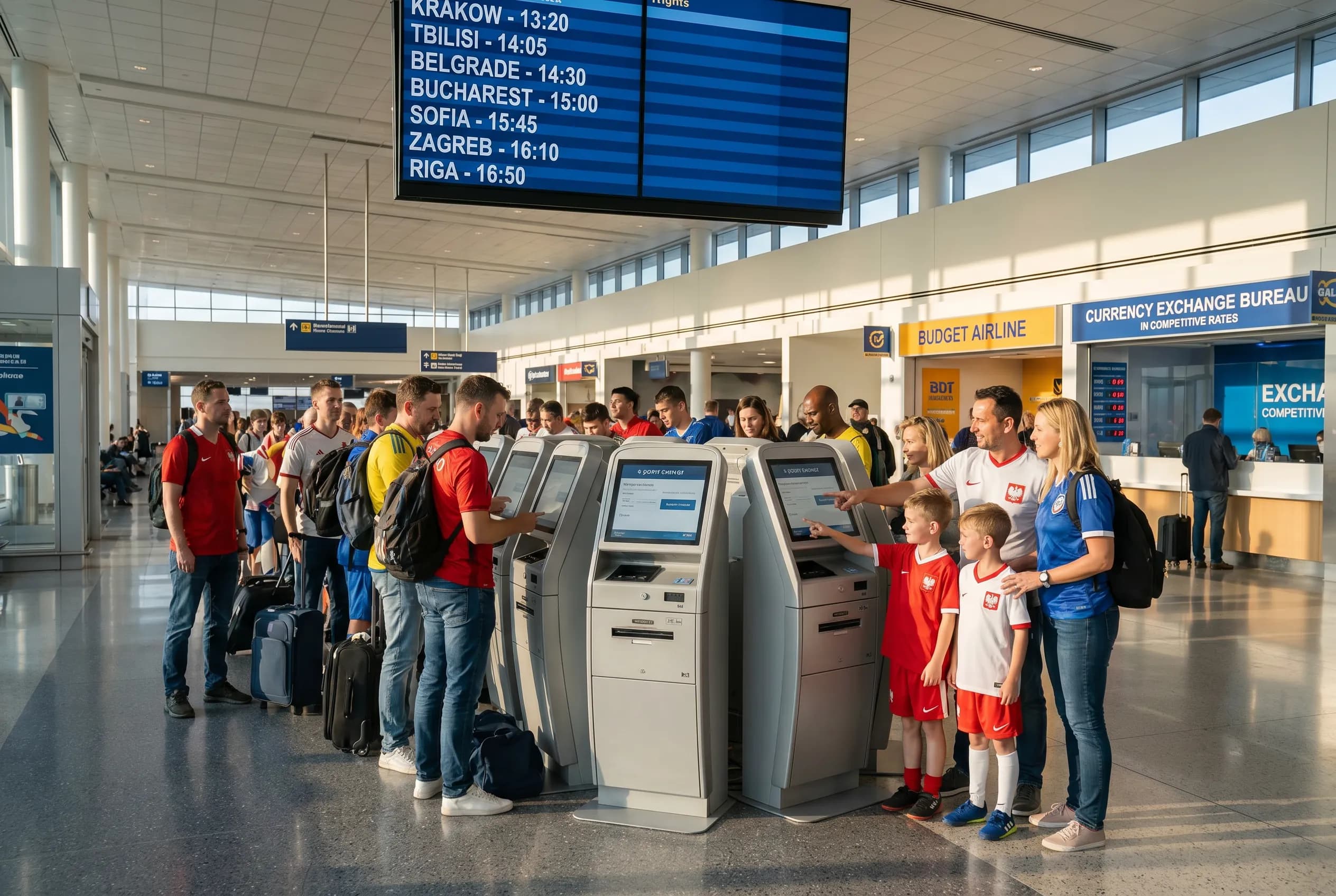
Currency fluctuations will play a meaningful role in your actual costs, particularly if you're traveling from outside North America or planning a multi-city itinerary that crosses borders. Fans holding U.S. dollars may find Mexican host cities offer 30 to 50 percent savings on comparable services, while those with euros or pounds should monitor exchange rates as the tournament approaches. Beyond currency, regional cost-of-living differences within each country matter as much as the border crossings themselves. A strategic approach considers both the national economy and the specific city's position within its own country's price spectrum.
Mexican Host Cities and Value Opportunities
Mexico will host matches in three cities: Mexico City, Guadalajara, and Monterrey. Each offers distinct advantages for budget-minded fans, starting with a favorable exchange rate and a culture of affordable street food that can reduce meal costs dramatically compared to restaurant dining. Mexico City, despite being the capital and largest metropolitan area, maintains competitive hotel rates outside the immediate stadium and tourist zones, and its extensive metro system provides inexpensive transport across the sprawling city. Guadalajara and Monterrey, both major cities with modern infrastructure, typically offer lower accommodation costs than Mexico City while maintaining good access to airports and tournament venues.
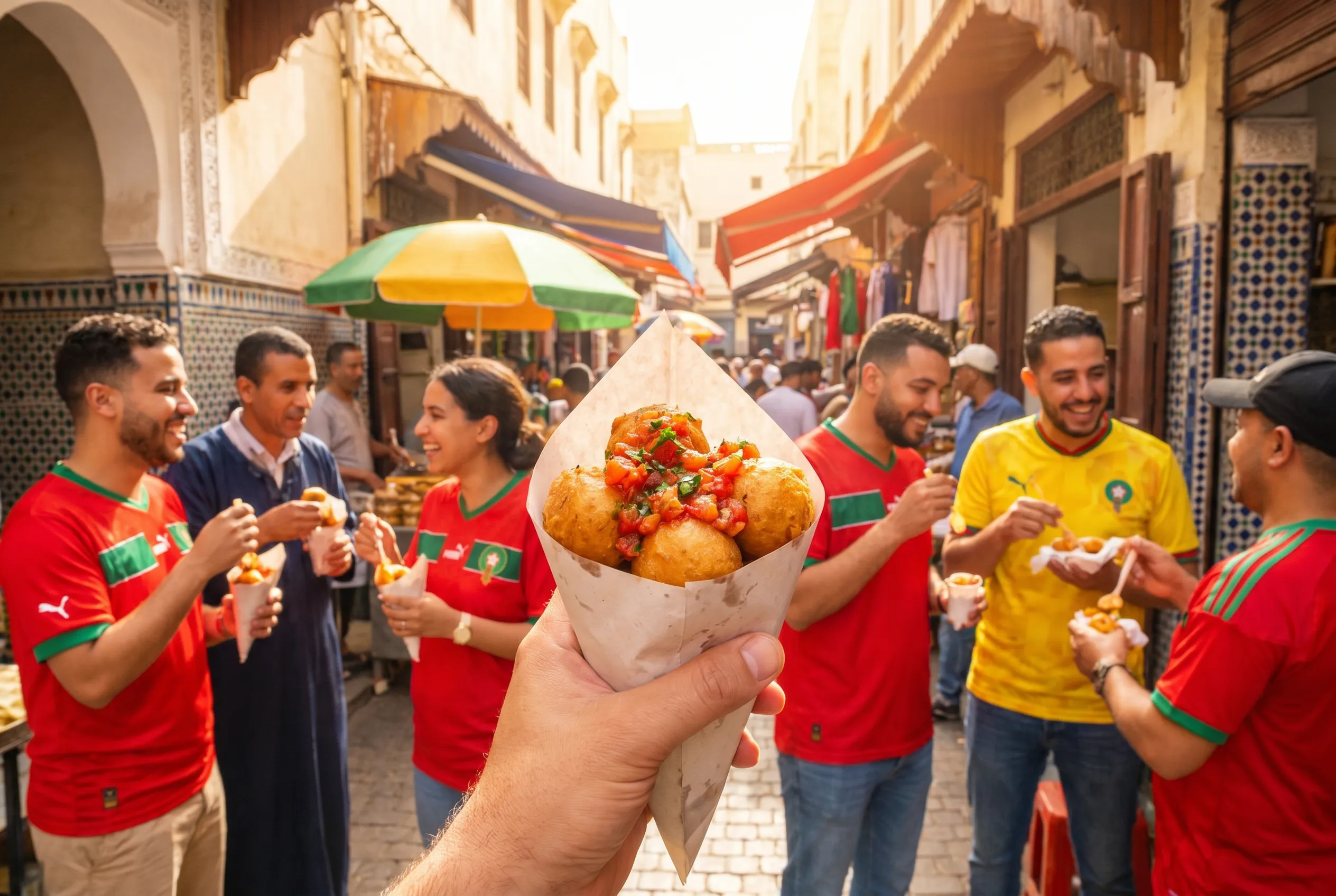
The key to maximizing value in Mexican host cities lies in embracing local dining habits rather than seeking familiar international chains. Tacos, tortas, and market food stalls deliver authentic experiences at a fraction of sit-down restaurant prices. Public transport in all three cities is reliable and remarkably inexpensive, though ride-sharing services also cost significantly less than in U.S. or Canadian cities. Fans willing to stay in neighborhoods popular with locals rather than tourist districts can find comfortable, safe accommodation at prices that leave more budget available for match tickets and celebratory meals.
U.S. Cities with Regional Cost Advantages
Among the eleven U.S. host cities, significant price variation reflects regional economic differences and local accommodation supply. Cities in the South and Midwest, including Atlanta, Dallas, Houston, and Kansas City, generally offer more affordable hotel options than coastal destinations, with greater availability of mid-range chains and apartment rentals within reasonable distance of stadiums. These cities also benefit from car-friendly infrastructure and lower ride-sharing costs, though this advantage assumes you're comfortable driving or splitting vehicle expenses with fellow supporters.
Philadelphia and Boston represent mid-tier pricing among U.S. hosts, with robust public transit systems that reduce the need for rental cars or constant ride-sharing. Seattle, San Francisco, Los Angeles, and Miami sit at the higher end of the U.S. cost spectrum, with accommodation prices that can double or triple those in southern cities during peak tournament periods. However, even expensive cities offer cost-control opportunities through strategic neighborhood selection, advance booking, and willingness to stay further from downtown cores. The key is understanding that a match in Miami doesn't require a South Beach hotel, and a game in San Francisco becomes more affordable when you consider Oakland or other East Bay options.
Canadian Host Cities and Premium Planning
Canada's two host cities, Toronto and Vancouver, rank among the most expensive destinations in the entire tournament. Both cities face housing shortages that drive accommodation costs upward even during normal periods, and World Cup demand will intensify competition for available rooms. Vancouver's geography, bounded by water and mountains, limits expansion and concentrates visitors in a relatively small area. Toronto's vast metropolitan region offers more geographic options, but its stadium location and transit connections favor downtown or near-downtown stays that command premium rates.
Budget-conscious fans targeting Canadian matches should consider alternative accommodation strategies early in the planning process. Both cities have extensive suburbs with transit connections to downtown cores, and staying 30 to 45 minutes outside the city center can yield significant savings. Short-term apartment rentals, booked well in advance, often provide better value than hotels for stays of three nights or longer, particularly when traveling with a group that can split costs. Canadian cities also have higher restaurant and alcohol prices than most U.S. destinations, making grocery shopping and self-catering a more valuable strategy than it might be elsewhere in the tournament.
Accommodation Strategies That Work Across All Cities
Regardless of which host city you target, several accommodation strategies consistently deliver better value than last-minute hotel bookings in stadium neighborhoods. Booking as early as possible, ideally as soon as the match schedule is confirmed, secures lower rates and better selection before tournament demand drives prices upward. Consider staying outside immediate stadium zones and using public transit or ride-sharing for match days; the time investment is usually modest while savings can be substantial. Short-term rentals through established platforms work well for groups of three or more, often providing full kitchens that enable cost-saving meal preparation.
Alternative accommodation types deserve consideration beyond standard hotels and rentals. University dormitories in some host cities may offer summer housing to visitors, providing basic but clean rooms at budget-friendly rates. Hostels exist in most host cities and increasingly offer private rooms alongside traditional dormitory options, appealing to budget travelers who want some privacy without hotel prices. Some fans successfully coordinate home-sharing or home-swapping arrangements with supporters from other countries, though these require advance planning and clear communication about expectations and logistics.
Food, Transport, and Daily Expense Management
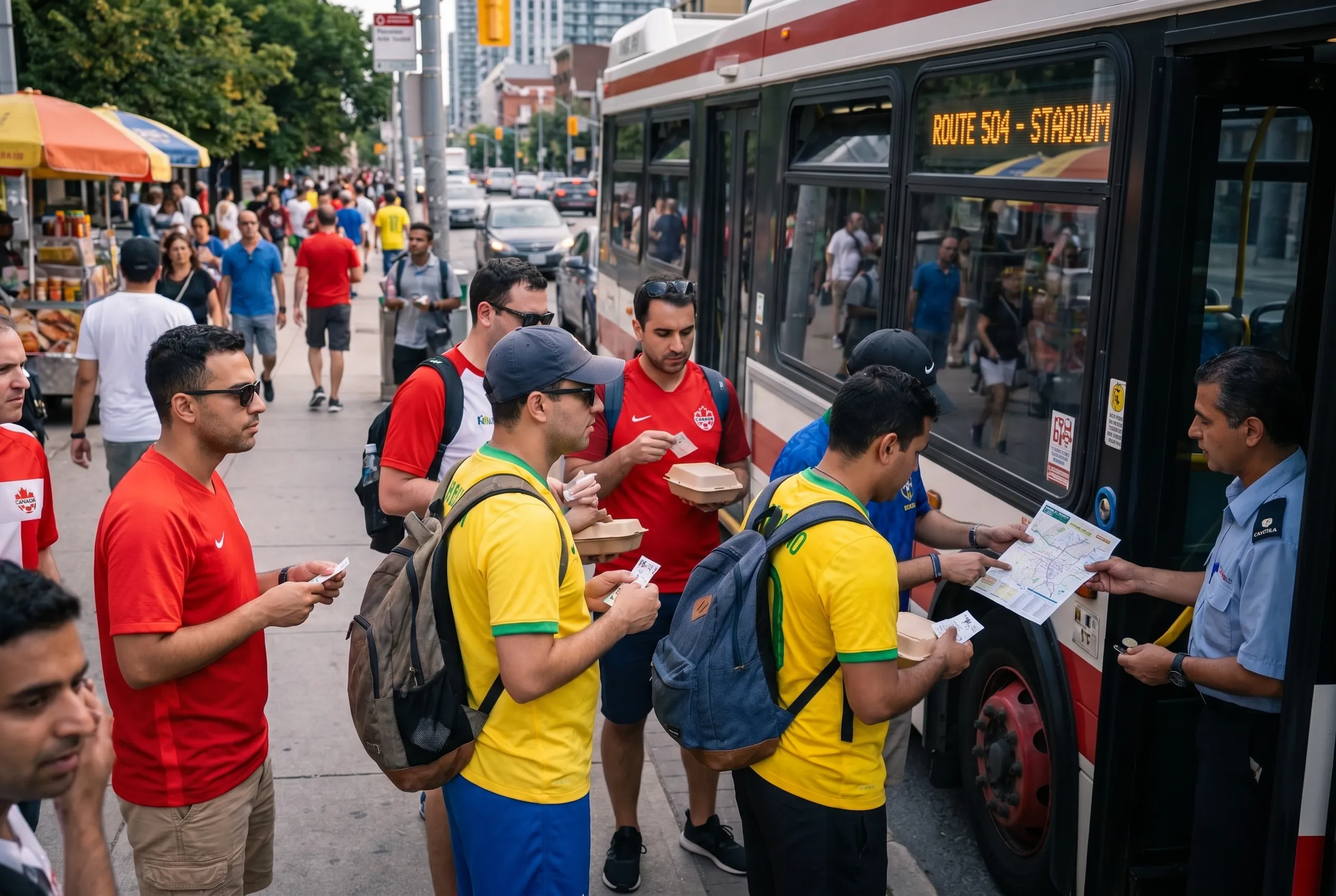
Daily expenses beyond accommodation often exceed what fans anticipate, particularly when eating every meal at restaurants and relying exclusively on ride-sharing for transport. Successful budget management requires intentional choices about when to splurge and when to economize. Breakfast from grocery stores or bakeries costs a fraction of hotel or restaurant morning meals. Lunch from food trucks, markets, or casual spots saves money for a celebratory dinner after the match. Learning each city's public transit system and purchasing multi-day passes typically costs less than two ride-sharing trips per day.
Match-day expenses deserve separate planning since stadium food and beverages command premium prices and nearby restaurants raise rates during events. Eating a substantial meal before heading to the stadium reduces the need for expensive venue food. Bringing an empty water bottle to fill after security screening, where permitted, avoids paying for bottled water. After matches, walking 15 to 20 minutes away from the stadium before stopping for food or drinks usually leads to restaurants with normal pricing rather than inflated event rates. These small tactical choices compound across a multi-day tournament trip, often saving enough to fund an additional match ticket or an extra day in your chosen city.
Tags: #WorldCup2026 #BudgetTravel #NorthAmerica #Mexico #Canada #UnitedStates #TravelPlanning #SportsTravel
Sources consulted: FIFA host destinations
All trademarks are the property of their respective owners.
Ask Karpo First
Every fan's World Cup budget looks different based on match priorities, travel style, and flexibility around dates and cities. Text Karpo with your tournament goals and spending comfort zone, and we'll build a customized plan that identifies your best-value host city options, maps out accommodation alternatives, and creates a daily expense strategy that keeps you on budget without sacrificing the experience. Let's make your 2026 World Cup financially sustainable and unforgettable.