 Where to Eat Near Penn Station That Isn't a Chain
US Open 2026
Ceuta Spanish Moroccan Markets Near 2026 US Open Flushing
How North African grocery traditions in Jackson Heights and Corona connect international tennis fans to Queens culinary culture during the 2026 US Open fortnight.
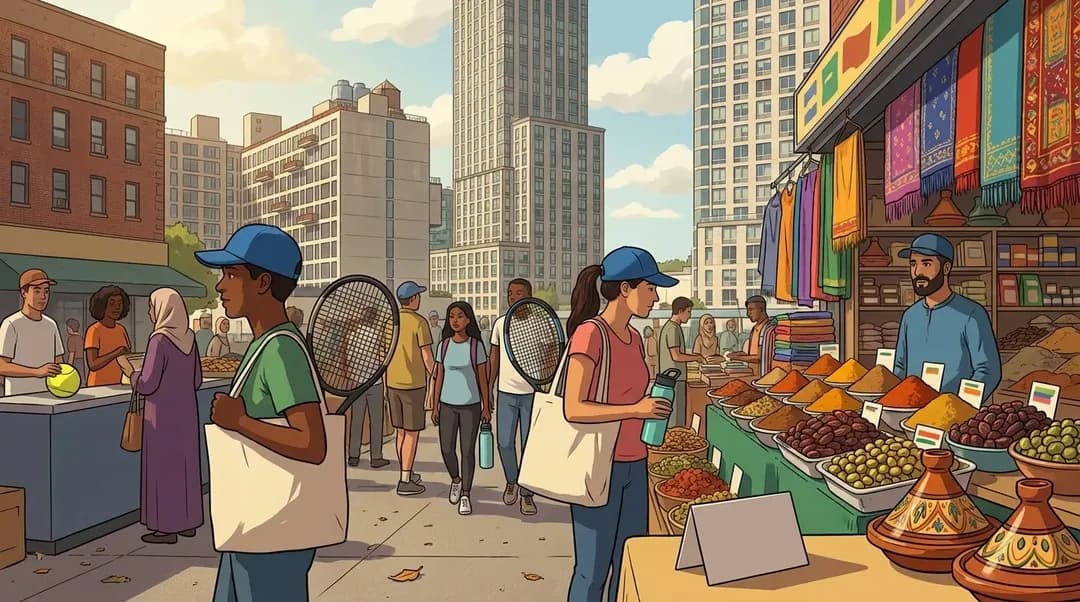
When the 2026 US Open returns to Flushing Meadows from late August through early September, tens of thousands of international visitors will stream through Queens each day—many of them curious about the borough's legendary food diversity. The keyword "Ceuta" has been trending recently, drawing attention to the Spanish-Moroccan enclave and broader North African culture. While that specific news cycle will have moved on by tournament time, the underlying interest in North African culinary traditions offers a practical planning lens: Queens is home to vibrant Moroccan, Tunisian, Egyptian, and Algerian grocery stores, bakeries, and cafés clustered along the 7 train corridor, especially in Jackson Heights and Corona. For tennis fans traveling from Europe, the Middle East, or North Africa—or simply curious New Yorkers—these markets provide familiar ingredients, halal options, and a chance to experience the borough's multicultural fabric between match sessions.
Text Karpo with your US Open session time and Queens starting point, and we’ll turn this North African grocery imports for international tennis fans in Queens into a practical local plan.
Why North African Markets Matter for US Open Visitors
The US Open draws a deeply international crowd—players, coaches, journalists, and fans from every continent. According to the official event schedule at usopen.org, the tournament runs for two weeks with day and night sessions, meaning visitors often spend multiple days in Queens and need meal options beyond stadium concessions. North African grocery stores and prepared-food counters offer halal meats, fresh flatbreads, olives, preserved lemons, harissa, couscous, and familiar spice blends. For travelers from Casablanca, Tunis, or Cairo, these shops provide a taste of home; for curious locals, they're an invitation to explore new flavors. Jackson Heights, just a few stops west on the 7 train from Mets–Willets Point station (the US Open stop), is particularly dense with Moroccan and Egyptian businesses along Roosevelt Avenue and 37th Avenue.
Jackson Heights: The Heart of Queens North African Commerce
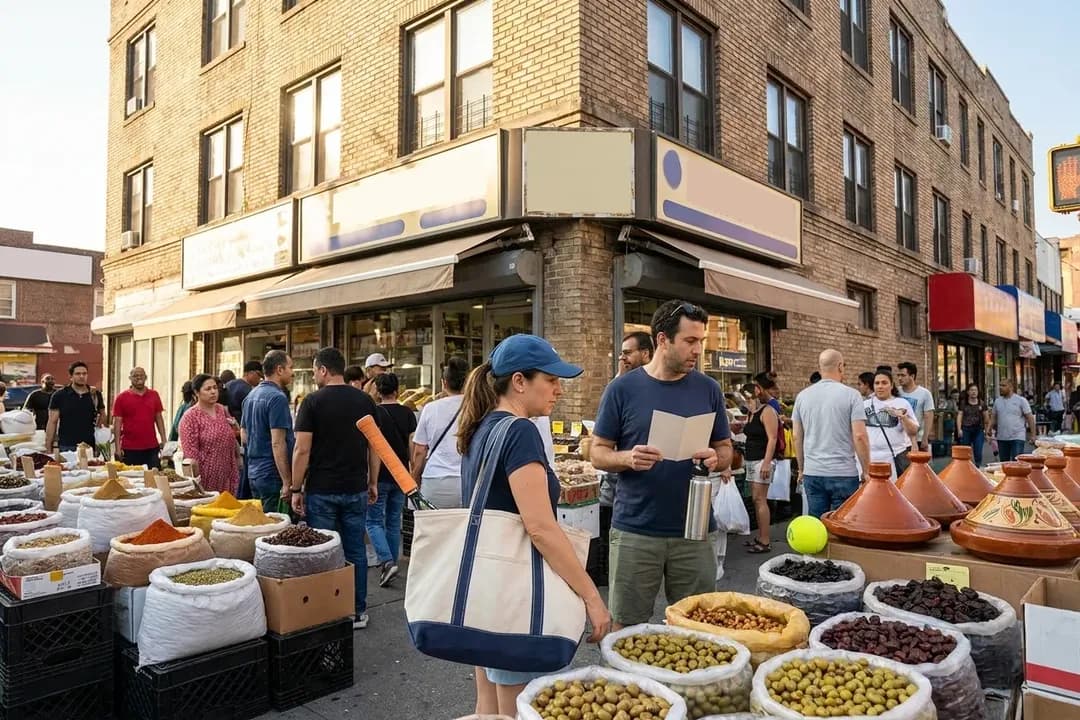
Jackson Heights has been a gateway neighborhood for decades, and its commercial strips reflect waves of immigration from South Asia, Latin America, and North Africa. Roosevelt Avenue between 69th and 82nd Streets is lined with small grocers, halal butchers, and bakeries where you'll hear Arabic, French, and Tamazight. Many shops stock Moroccan mint tea, Tunisian harissa in tubes and jars, Egyptian fava beans, and Algerian semolina. Some also carry fresh dates, rose water, and orange-blossom water for desserts. The neighborhood's density means you can compare prices and selections across several blocks, and the 7 train makes it an easy detour before or after a US Open session. Check the MTA's official US Open transit guide at new.mta.info for real-time service updates and plan for extra crowding on match days.
Corona and the 7 Train Corridor
Corona, the neighborhood immediately west of Flushing Meadows Corona Park, also hosts North African and Middle Eastern businesses, particularly along Roosevelt Avenue and Junction Boulevard. The proximity to the park makes Corona a natural pre- or post-match stop. Some grocers offer prepared foods—stuffed grape leaves, falafel, grilled merguez sausage, and fresh pita—that travel well for a picnic on the park's lawns or a quick meal before heading into the Billie Jean King National Tennis Center. The official NYC Parks page for Flushing Meadows Corona Park at nycgovparks.org notes that outside food is welcome in the park's public areas, though the US Open's prohibited-items guide at usopen.org specifies what you can and cannot bring into the tournament grounds. Always check both sources close to your visit.
What to Look For: Ingredients and Prepared Foods
If you're new to North African groceries, start with a few staples. Harissa—a chili paste with garlic, cumin, and caraway—adds heat and depth to sandwiches, grilled meats, and couscous. Preserved lemons, a Moroccan pantry essential, bring bright, salty complexity to tagines and salads. Ras el hanout, a spice blend that can include a dozen or more ingredients, is versatile for marinades and stews. Many shops also stock fresh or frozen merguez sausage, made with lamb or beef and seasoned with harissa and cumin. For a quick meal, look for prepared couscous, lentil soup, or bastilla—a sweet-and-savory pastry filled with chicken or pigeon, dusted with cinnamon and powdered sugar. Some bakeries offer msemen, a flaky, square flatbread perfect for breakfast or a snack. Prices and availability vary, so it's worth visiting more than one shop if you have time.

Timing Your Market Visit Around Match Sessions
The US Open's official event schedule at usopen.org typically lists day sessions starting around the posted time and night sessions around the posted time, though exact times vary by round and court. If you're attending a day session, consider a morning stop in Jackson Heights or Corona—many grocers open early, and you can pick up ingredients or prepared foods before heading to the tournament. For night-session attendees, an afternoon market visit offers a relaxed pace and a chance to explore the neighborhood without the pre-match rush. The 7 train runs frequently, but expect heavier crowds on match days; the MTA's real-time service updates are your best planning tool. If you're staying in Manhattan or another borough, the 7 train from Times Square–42nd Street to Jackson Heights–Roosevelt Avenue takes about 20 minutes under normal conditions, and another 10 minutes to Mets–Willets Point.
Connecting Food, Culture, and Community
North African groceries in Queens are more than retail spaces—they're community hubs where shopkeepers often speak multiple languages and can recommend recipes or cooking techniques. For international tennis fans, these interactions can make a two-week tournament feel less transactional and more rooted in place. For New Yorkers, they're a reminder of the borough's role as a global crossroads. The official NYC Tourism page for Queens at nyctourism.com highlights the borough's cultural diversity, and the Department of Consumer and Worker Protection at nyc.gov/site/dca offers resources for understanding business practices and consumer rights. If you're planning to cook in a hotel room or short-term rental, ask shopkeepers about shelf-stable items and easy preparations—many are happy to share tips.
Practical Notes for Market Visits
- Check the MTA's official US Open transit guide at new.mta.info for real-time 7 train service updates and crowding alerts on match days.
- Review the US Open's prohibited-items guide at usopen.org before packing any outside food or drink for the tournament grounds.
- Bring cash—many small grocers in Jackson Heights and Corona prefer cash or have minimum card amounts.
- Ask shopkeepers for recommendations; many are multilingual and enjoy sharing recipes or cooking advice.
- Plan extra travel time on match days, especially for evening sessions when both commuters and tennis fans crowd the 7 train.
- Confirm business hours directly with shops close to your visit, as schedules can shift during holidays or summer months.
- Explore beyond groceries: Jackson Heights and Corona also offer sit-down restaurants, bakeries, and cafés with North African and Middle Eastern menus.
Beyond the Markets: Queens Cultural Context
If you have time between matches, Flushing Meadows Corona Park itself is worth exploring. The park, home to the US Open, also hosts the Queens Museum, the New York Hall of Science, and the Unisphere—a 140-foot steel globe from the 1964 World's Fair. The official NYC Parks page at nycgovparks.org offers maps and event calendars. Jackson Heights is also known for its historic garden apartments and vibrant LGBTQ+ community, and the neighborhood's side streets reveal quiet, tree-lined blocks that contrast with the commercial bustle of Roosevelt Avenue. Corona's Louis Armstrong House Museum celebrates the jazz legend who lived there for decades. These cultural layers make Queens more than a tournament stopover—they invite deeper engagement with the borough's past and present.
Tags: #USOpen2026 #Queens #FlushingMeadows #KarpoFinds #Karpo #ceuta #NewYorkLocal #TennisTravel #NYCLocalLife #TennisTravel
Sources consulted: usopen.org — Official event schedule · usopen.org — Official visitor A-Z guide · usopen.org — Official transportation directions · usopen.org — Official prohibited-items guide · MTA — Official US Open transit guide · NYC Parks — Flushing Meadows Corona Park · NYC Tourism — Queens · NYC Department of Consumer and Worker Protection
All trademarks are the property of their respective owners.
Ask Karpo first
Want to know what is actually open, how to time the trip, and where to pause around Queens? Ask Karpo for the latest public US Open context, a respectful visitor plan, and a live route around Flushing Meadows before you head out.
Ask Karpo for more information.
Keep reading
- Where to Eat Near Penn Station That Isn't a Chain
 Andytown Coffee in the Outer Sunset: The Snowy Plover Explained
- Best Things to Do in Chicago: What the City Gives Away