 Where to Eat Near Penn Station That Isn't a Chain
US Open 2026

Caty McNally Underdog Match Guide Around US Open 2026
A practical guide to planning your visit around the 2026 US Open in Queens, with smart transit, neighborhood stops, and respectful fan habits for underdog match energy.
The 2026 US Open returns to the USTA Billie Jean King National Tennis Center in Flushing Meadows Corona Park from August 23 through September 13, with Fan Week running August 23–29 and the main draw beginning August 30. Whether you're drawn by the energy of an underdog story, the chance to watch rising players, or simply the atmosphere of one of New York's biggest sporting events, planning your visit around Queens neighborhoods, transit options, and match-day rhythms will make the experience smoother and more enjoyable. This guide focuses on the practical side: how to arrive, where to pause before or after a session, what to pack for a long day outdoors, and how to move through the tournament grounds and surrounding area with respect and ease.
Text Karpo your match session, neighborhood start point, and appetite, and we will turn this US Open 2026 local scene into a live Queens plan.
Getting to Flushing Meadows: Transit and Timing
The USTA Billie Jean King National Tennis Center sits inside Flushing Meadows Corona Park, accessible via the 7 train to Mets–Willets Point station. The MTA provides a dedicated US Open transit guide each year, and the walk from the platform to the tournament entrance is well-marked and takes about ten minutes. Plan to arrive earlier than you think—security lines, ticket scanning, and crowd flow can add time, especially during evening sessions and weekend matches. If you're coming from Manhattan, the 7 train runs frequently, but check service alerts on the day of your visit. Driving is possible, but parking fills quickly and costs add up; ride-share drop-off zones can be congested during peak hours. The most reliable approach is public transit, a refillable MetroCard or OMNY tap, and a buffer of at least 45 minutes before your session start time.
What to Bring and Wear for a Long Match Day
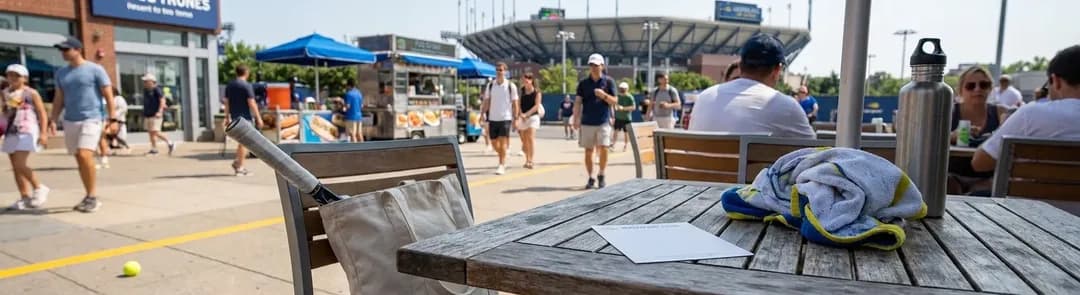
US Open days are long, often hot, and mostly outdoors. Bring a hat, sunscreen, a refillable water bottle, and a portable phone charger. Bags are subject to security screening, so check the official US Open bag policy on USOpen.org before you pack. Comfortable walking shoes are essential—you'll cover ground moving between courts, concessions, and shaded rest areas. Layers help if you're staying into the evening, when temperatures drop and breezes pick up. If rain is in the forecast, know that some courts have retractable roofs, but delays are common; bring patience and a backup plan for nearby indoor spaces or covered areas within the park. Sunglasses, a small towel, and a clear sense of your session's court assignments will make the day more comfortable.
Neighborhood Stops Before or After Your Session
Flushing, Corona, Jackson Heights, and Long Island City all sit along or near the 7 train corridor, offering food, coffee, and places to decompress before or after a match. Flushing's Main Street area is known for its dense concentration of Asian restaurants, bakeries, and food courts—arrive early for a sit-down meal or grab takeaway dumplings, noodles, or bubble tea. Corona has Latin American bakeries, taquerías, and casual spots that fill up during lunch and dinner. Jackson Heights offers a mix of South Asian, Tibetan, and Latin American options, many within a few blocks of the 7 train. Long Island City has waterfront parks, cafés, and quieter streets if you want a post-match walk with skyline views. None of these neighborhoods require a car, and all are accessible with the same MetroCard you used to reach the tournament. Check hours and availability before you go—some spots close early or take breaks between service.
Respectful Fan Behavior and Underdog Match Energy
Tennis etiquette is straightforward: stay seated during points, silence your phone, and hold applause until the point ends. Underdog matches often draw passionate, vocal crowds, but respect for both players is expected. Cheering is welcome, but heckling, coaching from the stands, or disruptive behavior is not. If you're watching a lesser-known player or a qualifier making a deep run, your energy can matter—but keep it positive and fair. Photography is allowed in some areas but not during play; check signage and follow instructions from ushers. If you're attending with kids, plan for breaks, hydration, and realistic expectations about attention spans. The outer courts offer closer views and a more relaxed atmosphere than the big stadiums, and they're often where underdog stories unfold.
- Arrive at least 45 minutes before your session to account for security and crowd flow
- Use the 7 train to Mets–Willets Point and check MTA service alerts on the day of travel
- Pack a hat, sunscreen, refillable water bottle, portable charger, and comfortable shoes
- Review the official US Open bag policy on USOpen.org before you pack
- Explore Flushing, Corona, or Jackson Heights for pre- or post-match meals along the 7 train
- Stay seated during points, silence your phone, and hold applause until the point ends
- Check the weather forecast and bring layers or a rain plan for delays
- Visit outer courts for closer views and a more intimate match atmosphere
Weather, Delays, and Backup Plans
Late August and early September in New York can bring heat, humidity, thunderstorms, and sudden weather shifts. Arthur Ashe Stadium and Louis Armstrong Stadium have retractable roofs, but the outer courts do not. Rain delays are common, and matches can be postponed or moved to different courts with little notice. If you're holding a grounds pass, you'll have flexibility to move between courts, but reserved seats are tied to specific matches. Have a backup plan: a nearby café, a covered area within Flushing Meadows Corona Park, or a museum or library stop along the 7 train. The Queens Museum and the New York Hall of Science are both within the park and offer indoor shelter. Check the official US Open app or website for live updates on match times, court assignments, and weather-related changes.

Photo Spots, Shade, and Rest Areas
The Unisphere, the iconic steel globe from the 1964 World's Fair, sits just outside the tennis center and is a popular photo spot. Arrive early or late to avoid crowds. Inside the tournament grounds, shaded seating areas, water stations, and rest zones are scattered throughout—look for trees, awnings, and covered walkways. The grounds are large, and walking between courts can take ten to fifteen minutes, so pace yourself and plan for breaks. If you're attending multiple sessions or staying all day, know where the quieter zones are and use them. Outside the tournament, Flushing Meadows Corona Park has meadows, playgrounds, and waterfront paths that offer space to decompress. Respect park rules, pack out your trash, and be mindful of other visitors sharing the space.
Karpo™ is a registered trademark. All content is produced independently, without sponsorship, partnership, or endorsement by the US Open, USTA, NYC Parks, MTA, or any athlete, venue, or business mentioned. This guide is informational and does not guarantee athlete appearances, match outcomes, business hours, transit conditions, or event details.
Tags: #USOpen2026 #Queens #FlushingMeadows #KarpoFinds #Karpo #TennisTravel #NYCLocalLife #FanWeek #USTennis #NewYorkGuide #CatyMcNally #Buzz
All trademarks are the property of their respective owners.
Ask Karpo first
Want to know what is actually open, how to time the trip, and where to pause around Queens? Ask Karpo for the latest public US Open context, a respectful visitor plan, and a live route around Flushing Meadows before you head out.
Ask Karpo for more information.
Keep reading
- Where to Eat Near Penn Station That Isn't a Chain
 Andytown Coffee in the Outer Sunset: The Snowy Plover Explained
- Best Things to Do in Chicago: What the City Gives Away