 Salad Near Me in the West Village: Westville's Market-Table Vegetables
Back To School
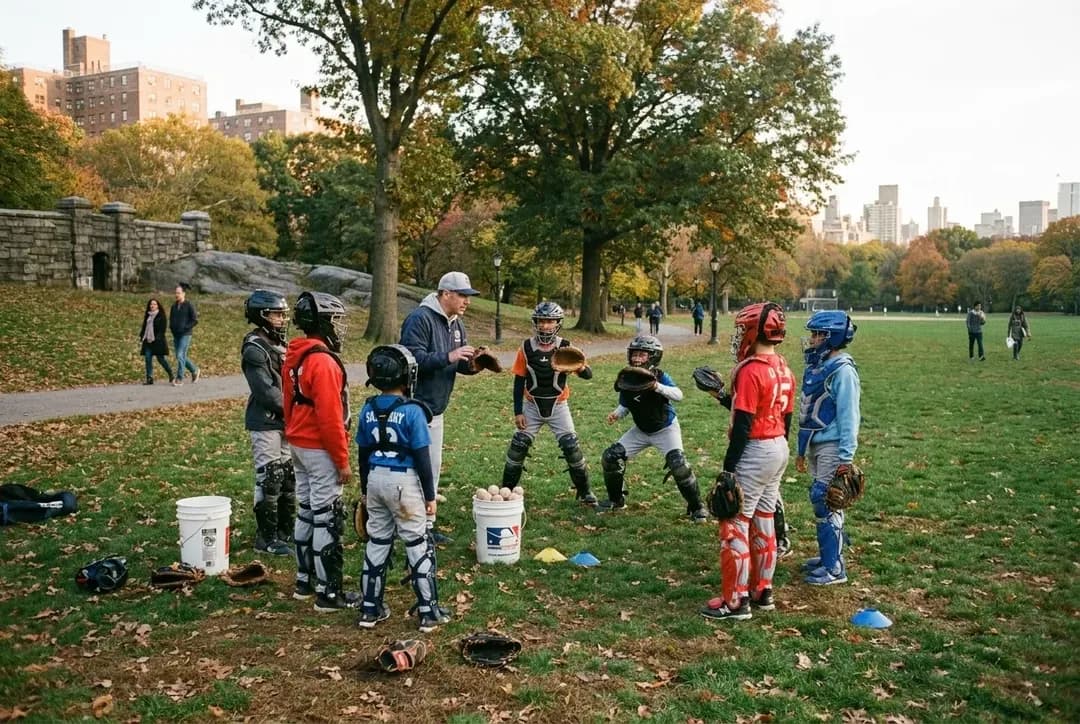
Carson Kelly Catcher Clinics: NYC Youth Baseball Programs This Fall
Finding quality catching instruction for young players requires careful vetting of program credentials, equipment needs, and skill-level fit before fall registration deadlines. NYC families can compare options across boroughs using public transit routes and verification steps that match their child's experience and commitment level.
As August registration windows narrow for fall youth baseball programs, parents across New York City face the hopeful yet cautious task of finding catching instruction that balances skill development with realistic commitment expectations. The search term carson kelly reflects growing interest in catcher-specific training modeled after professional techniques, though families should verify that local programs actually employ instructors with documented catching credentials rather than general baseball coaching backgrounds. This guide walks through the research-intensive process of comparing clinic options across NYC boroughs, understanding what questions to ask about equipment requirements, and determining whether a program suits beginners taking their first steps behind the plate or competitive players refining mechanics before school team tryouts.
Text Karpo your starting point, timing, group size, and priorities for a NYC plan tailored to this exact situation, with one realistic backup before you leave.
Credential Verification and Instructor Background Checks
Before committing to any youth catching clinic, request specific information about instructor qualifications beyond generic baseball experience. Ask whether coaches hold certifications from recognized organizations like USA Baseball or the American Baseball Coaches Association, and whether they have documented experience as catchers rather than position players who occasionally teach catching fundamentals. Programs should provide instructor names in advance so parents can verify backgrounds through public coaching registries or school athletic department records. The tradeoff here involves time investment—thorough vetting takes hours of research—versus the risk of enrolling in clinics led by well-meaning but underqualified staff.
Equally important is understanding the instructor-to-student ratio, which directly impacts the individualized attention young catchers receive when learning blocking techniques or framing mechanics. Programs advertising professional-inspired methods should clarify whether they mean instructors played or coached at higher levels, or simply structure drills around video analysis of major league catchers. Parents researching options can cross-reference instructor claims by contacting local high school coaches or checking whether clinic leaders have verifiable connections to college baseball programs in the metro area. This verification step helps distinguish substantive instruction from marketing language designed to attract registrations during the competitive back-to-school enrollment period.
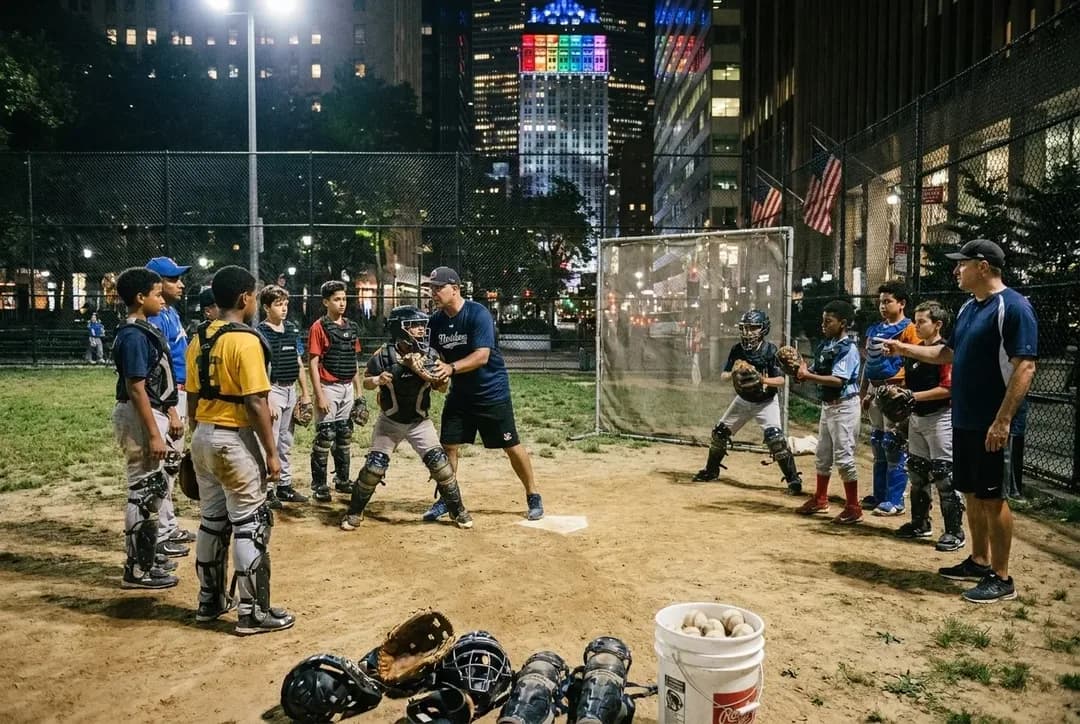
Equipment Requirements and Hidden Cost Considerations
Youth catching programs vary dramatically in what gear they provide versus what families must purchase, creating potential budget surprises after registration. Some clinics include all protective equipment in their fees—chest protectors, shin guards, helmets, and mitts—while others require participants to arrive with personal gear that meets specific safety standards. Before enrolling, ask programs for detailed equipment lists with brand specifications and whether they offer loaner gear for trial sessions, allowing children to test the position before families invest in catcher-specific equipment that can exceed three hundred dollars for entry-level sets. The difficulty lies in balancing upfront costs against the possibility a child may decide catching isn't their preferred position after a few sessions.
Beyond protective gear, consider whether programs require participants to have their own practice baseballs, training aids like blocking pads, or specific footwear designed for catcher stances. Some clinics operate at public parks where field conditions vary, meaning families might need backup equipment if primary gear gets muddy or damaged. Programs hosted at indoor facilities typically maintain equipment inventories, but may charge separate facility fees not included in advertised tuition rates. Parents should request itemized cost breakdowns during initial inquiries, asking specifically about refund policies if a child needs to withdraw before the session concludes—a practical concern for families juggling multiple fall activities as school schedules solidify.
Beginner-Friendly Versus Competitive Track Programs
The most critical program comparison factor involves whether clinics accommodate true beginners or expect participants to arrive with foundational catching skills. Beginner-focused programs should dedicate early sessions to basic stance mechanics, proper mitt positioning, and confidence-building exercises that reduce fear of blocking balls in the dirt. These clinics typically progress slowly, allowing children who've never worn catching gear to acclimate over multiple weeks rather than jumping immediately into game-simulation drills. Parents should ask whether programs group participants by experience level or mix beginners with advanced players—a structure that can either provide mentorship opportunities or leave novices feeling overwhelmed and discouraged.
Competitive track programs, by contrast, assume participants already understand catching fundamentals and focus on refining techniques like pitch framing, throw mechanics to second base, and communication strategies with pitchers. These clinics often require tryouts or coach recommendations before acceptance, and may emphasize performance metrics that suit players preparing for travel team auditions or middle school tryouts. The tradeoff involves intensity versus inclusivity—competitive programs can accelerate skill development for committed players but may create pressure that diminishes enjoyment for children still exploring whether they genuinely enjoy the position. Families should honestly assess their child's current ability and interest level rather than enrolling in advanced programs based on aspirational goals that don't match present readiness.
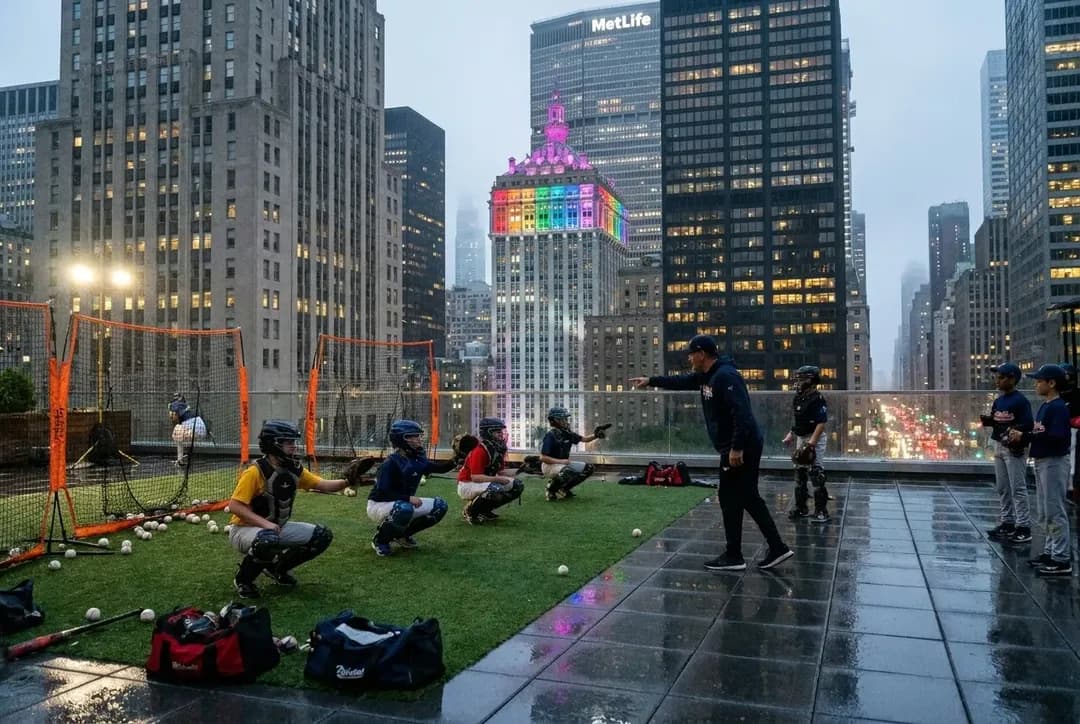
Borough-Specific Logistics and Transit Accessibility
Program location significantly impacts feasibility for families relying on public transportation, particularly when fall clinics schedule weeknight sessions that conflict with rush-hour subway crowding. Parents should map routes from home or school to clinic sites using MTA trip planners, accounting for transfer times and whether programs end late enough that return trips occur after dark—a safety consideration that affects comfort levels differently across neighborhoods. Clinics located near major transit hubs like Grand Central or Penn Station offer convenience for families traveling from outer boroughs, while programs at neighborhood parks may provide shorter commutes but less frequent service options. The research process should include test runs of proposed routes during actual clinic times to assess realistic door-to-door travel duration.
Weather contingency plans also matter when evaluating outdoor programs scheduled through October, when temperature drops and rain become more frequent. Ask whether clinics have indoor backup facilities or simply reschedule sessions, which can create calendar conflicts with other fall commitments. Programs operating at public parks should clarify their field reservation status—whether they hold permits guaranteeing space or operate on first-come availability that might result in last-minute location changes. Families in the Bronx, Queens, or Staten Island may find fewer local options than Manhattan or Brooklyn residents, making borough-specific research essential rather than assuming programs distribute evenly across the city. This geographic reality sometimes means accepting longer commutes to access quality instruction, a tradeoff parents must weigh against convenience and their child's energy levels after school days.
Registration Deadlines and Trial Session Opportunities
Most fall youth baseball programs set registration deadlines in late August or early September, creating time pressure for parents still comparing options during the first week of August. However, rushing enrollment without adequate research often leads to poor program fit, making it worthwhile to contact clinics about waitlist possibilities or mid-session entry if initial research takes longer than anticipated. Some programs offer single trial sessions at prorated costs, allowing children to experience the coaching style and peer group before families commit to full eight- or ten-week sessions. These trial opportunities prove especially valuable for children uncertain about specializing as catchers versus exploring other positions, though not all programs accommodate drop-ins due to liability or curriculum continuity concerns.
When registration deadlines conflict with family vacation schedules or back-to-school preparation demands, ask programs about their refund and withdrawal policies before submitting deposits. Understanding whether fees are fully refundable, partially refundable with administrative charges, or non-refundable regardless of circumstances helps parents make informed financial decisions during an already expensive season of school supply purchases and activity enrollments. Programs with flexible policies may indicate more family-centered operations, while strict no-refund terms might reflect tighter budget margins or higher demand. The cautious approach involves reading all registration fine print, saving email correspondence about policies, and confirming whether sibling discounts or financial assistance options exist for families enrolling multiple children or facing economic constraints that make full-price tuition challenging.
Tags: #youthbaseballNYC #catchingclinics #fallsportsprograms #backtoschoolactivities #youthsportsregistration #baseballinstruction #catchertraining #NYCparksprograms #beginnerbaseball #competitiveyouthsports
Sources consulted: Source 1: nycgovparks.org · Source 2: new.mta.info · Source 3: nypl.org · Source 4: a816-health.nyc.gov
All trademarks are the property of their respective owners.
Ask Karpo first
Ask Karpo to turn this NYC idea into a current plan for your date, budget, companion, transit preference, and energy level. Karpo can narrow the route and flag what to verify before you go.
Ask Karpo for more information.
Keep reading
- Salad Near Me in the West Village: Westville's Market-Table Vegetables
 Lunch Near Me in the Flatiron: S&P Runs a Classic Luncheonette Counter
 Coffee Near Me in the East Village: Abraço Is Standing-Room Only