The Most Italian Brazil Team in History
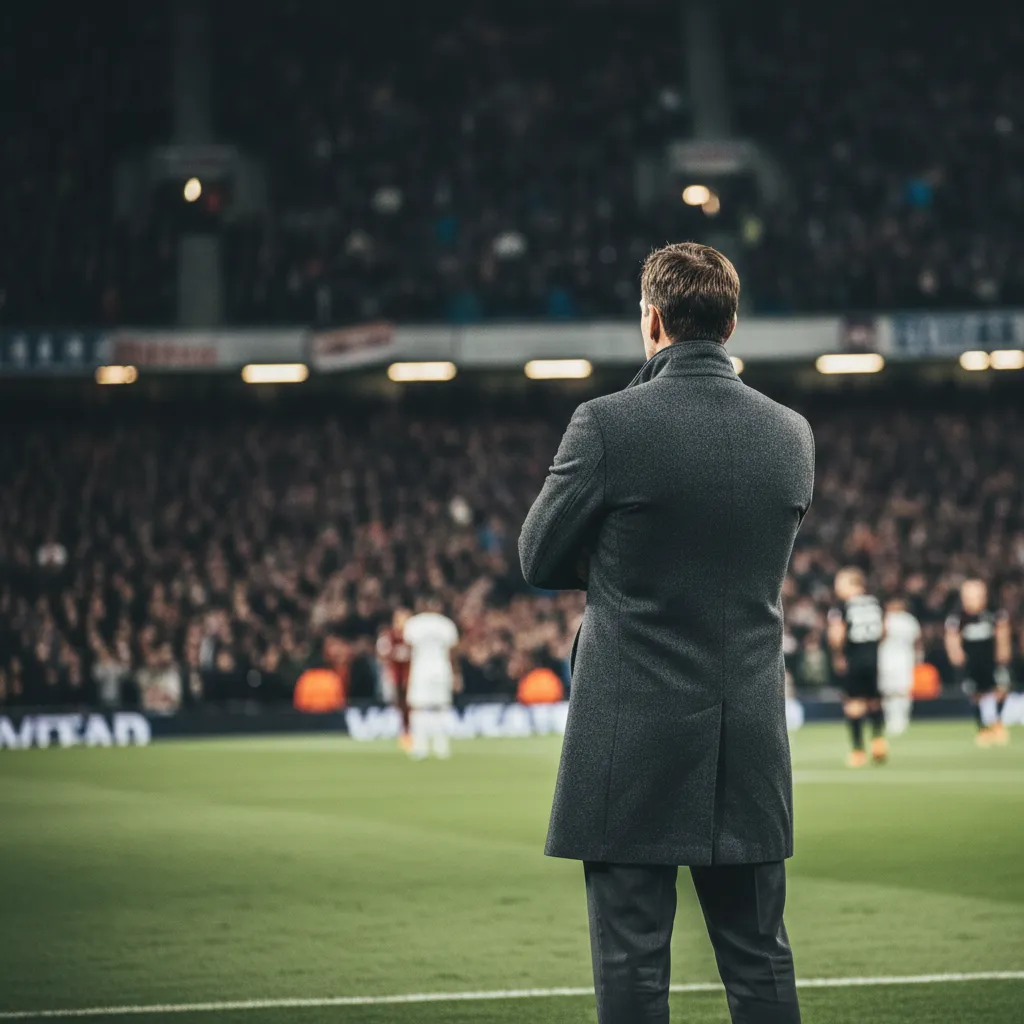
Brazil's performance at the 2026 World Cup has produced a paradox that divides the footballing world. Under Carlo Ancelotti, they have won matches, progressed through the group stage, and survived a terrifying encounter with Japan. They have also played some of the most cautious, structured, un-Brazilian football in the national team's 108-year history. Ancelotti's Brazil defend deep, transition quickly, and rely on moments of individual brilliance rather than the flowing attacking moves that defined previous generations. The possession stats tell the story: Brazil averaged just 48% possession across their group stage matches — the first time since FIFA began tracking the metric that Brazil have been a minority-possession team at a World Cup.
Why Brazil Hired Ancelotti
When Tite departed as Brazil coach after the 2022 World Cup, the Brazilian Football Confederation initially pursued Brazilian candidates. Fernando Diniz, Ramon Menezes, and Andre Jardine were all interviewed. But after a series of poor results under interim management, the CBF made the decision to look abroad. Ancelotti, who had just completed his second spell at Real Madrid winning two more Champions League titles, was the unanimous choice. His appointment in November 2024 was controversial — never before had Brazil been managed by a non-Brazilian at a World Cup — but the CBF's logic was clear: Ancelotti's track record of managing superstar egos at Real Madrid made him uniquely suited to handling a Brazilian squad filled with Premier League and La Liga stars who were accustomed to European tactical sophistication.
The Tactical Blueprint
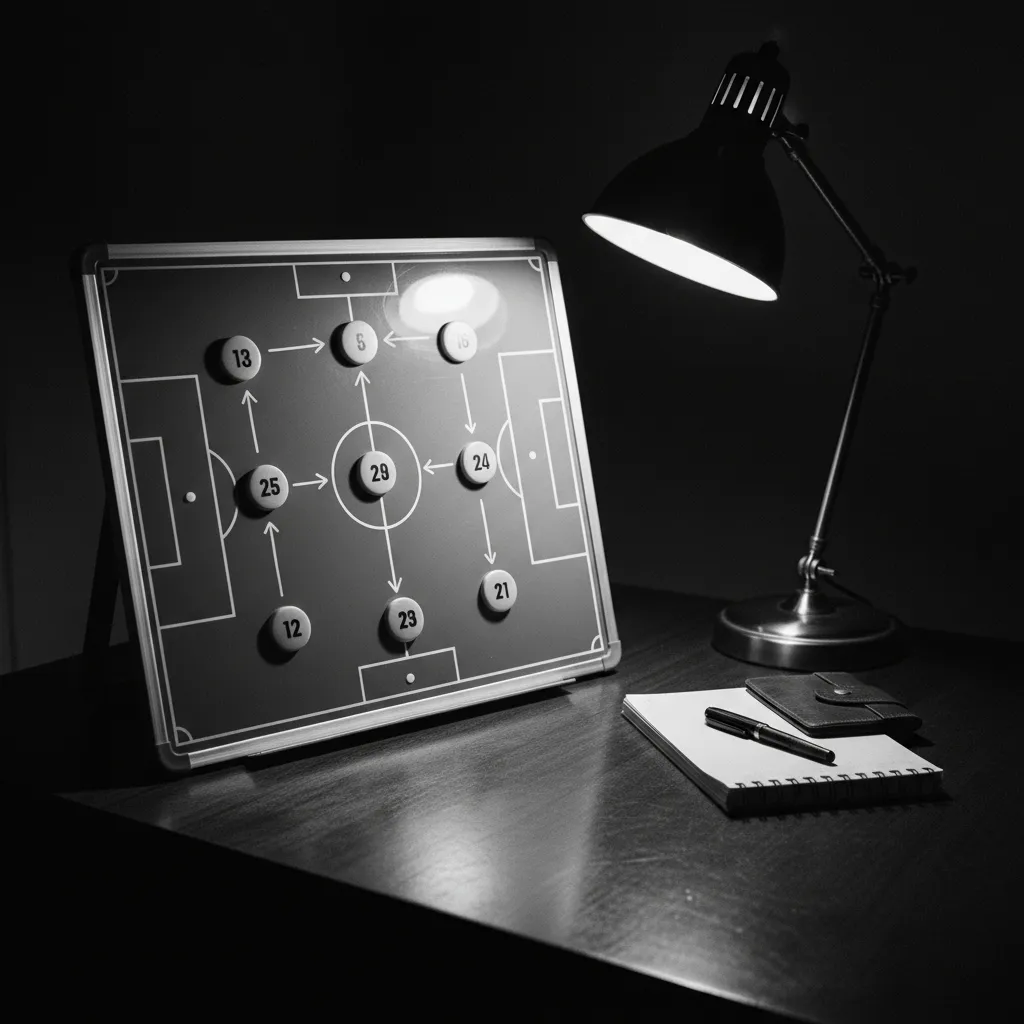
Ancelotti's Brazil play a 4-2-3-1 that bears little resemblance to any previous Brazilian system. The two sitting midfielders — Casemiro and Bruno Guimaraes — form a double pivot that prioritizes defensive stability. The full-backs, traditionally the most attacking players in Brazilian football, are instructed to hold their positions rather than overlap. Vinicius Junior, nominally a left winger, has been given license to roam, but even his freedom is constrained by Ancelotti's insistence on maintaining defensive shape during transitions. The system is designed to concede nothing and capitalize on moments of quality from Brazil's exceptional attackers. It is effective. It is also, by any historical standard, deeply un-Brazilian.
The Fan Reaction
Brazilian fans watching the World Cup from home have been conflicted. Social media analysis by Opta shows that the term "jogo feio" (ugly game) has been trending in Brazil after every match. Yet the same polls show that 67% of Brazilian fans would accept ugly football if it meant winning the World Cup — Brazil's first since 2002. Ancelotti has addressed the criticism directly: "I respect the tradition. But tradition without trophies is just nostalgia. Brazil have not won the World Cup in 24 years. The players deserve a coach who gives them a chance to win, not a coach who gives them permission to entertain." It is a statement that would have been unthinkable from a Brazilian coach. From an Italian with four Champions League titles, it carries undeniable authority.
The Japan Match as a Test Case
The Japan game exposed both the strengths and weaknesses of Ancelotti's approach. Brazil's deep defensive block successfully contained Japan's attacking threat for 62 minutes. But when Japan scored through a brilliant Takefusa Kubo finish, Brazil's system offered no clear mechanism for chasing the game. Ancelotti's substitutions — bringing on Martinelli and Endrick — were reactive rather than strategic. The winning goal came from a moment of individual inspiration from Casemiro and Martinelli, not from a tactical adjustment. It raised a question that will define Brazil's World Cup: can a system built to protect leads find goals when it falls behind?
Ancelotti's Legacy at Stake
At 67, this World Cup represents Ancelotti's final major tournament as a manager. He has said publicly that he will retire after the tournament, regardless of the result. The stakes could not be higher. A World Cup victory would cement him as arguably the greatest club-and-country manager in football history — the only man to win the Champions League four times and the World Cup. An early exit would fuel the narrative that his pragmatic approach was wrong for Brazil, that he failed to unlock the full potential of one of the most talented squads in the tournament. For now, the results are on his side. Whether the football is worthy of the yellow shirt remains the tournament's most contentious debate.
Tags: Carlo Ancelotti, Brazil, World Cup 2026, tactics, jogo bonito, pragmatic football, 4-2-3-1, Casemiro, Vinicius Junior, Italian manager
Sources consulted: ESPN · CBS Sports · FIFA · Yahoo Sports
All trademarks, team names, league names, and player likenesses mentioned in this article are the property of their respective owners and are used here for informational and editorial purposes only.
Ask Karpo First
Interested in Carlo Ancelotti's tactical approach or Brazil's path through the knockout rounds? Ask Karpo for a deep dive into Ancelotti's formation choices, Brazil's match-by-match statistics, and a comparison with past Brazilian World Cup teams.