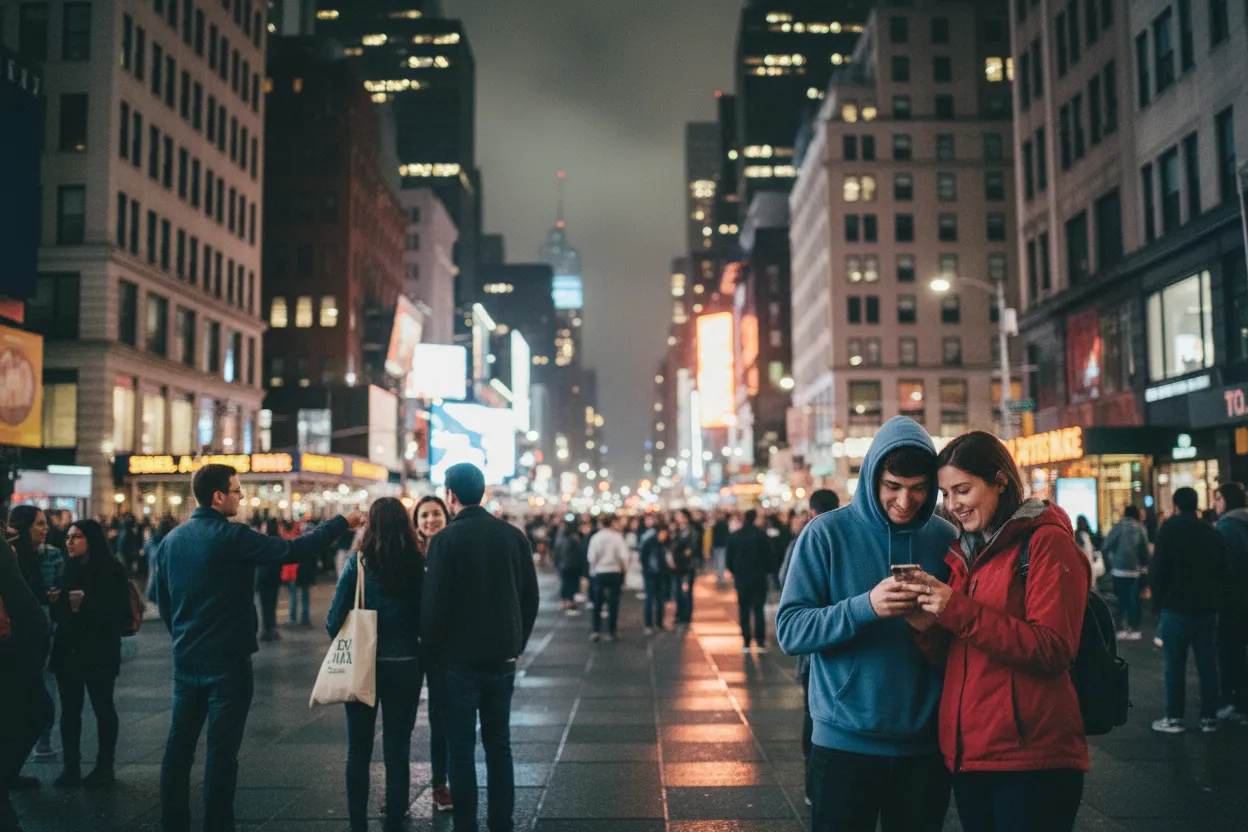
The drums start before the whistle. Inside a sports bar on a stretch of Merrick Boulevard where storefronts toggle between Caribbean grocers and cell phone repair shops, the energy for a midday World Cup match builds like a thunderstorm rolling in from the Atlantic. This is where Jamaican and Guyanese crowds converge during group stage play, turning what might be a casual viewing elsewhere into something closer to a street carnival relocated indoors.
Flags Draped Over Barstools and Shoulder Blades
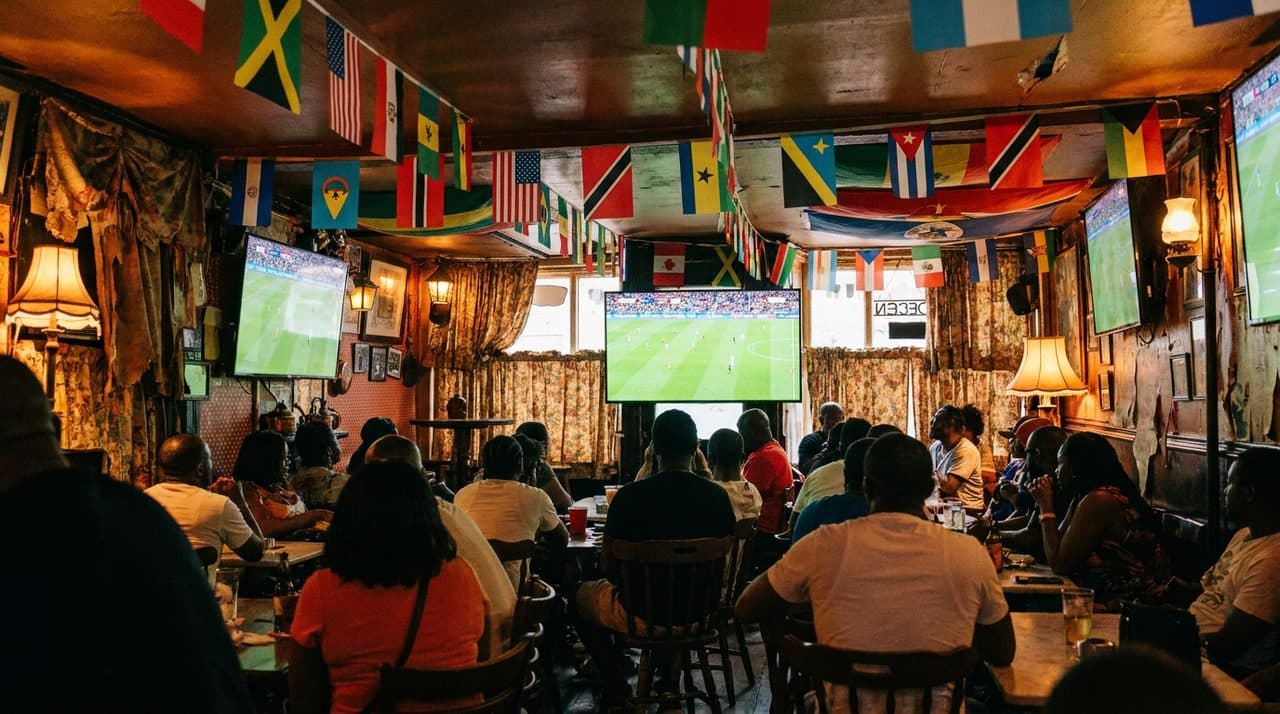
The bar fills an hour before kickoff, sometimes earlier if the matchup involves a CONCACAF team or a squad with heavy Caribbean diaspora support. Regulars claim their territory near the large screens mounted at both ends of the narrow room, draping flags over chair backs and spreading out jerseys like territorial markers. The Guyanese contingent tends to gather near the left corner where the sightlines are cleanest, while Jamaican supporters stake out the bar itself, close to the taps and the kitchen window. By the time the anthems play, there's barely room to navigate between tables without brushing past someone's shoulder or stepping over a drum case.
The walls absorb decades of sports history—faded team scarves, signed photos of cricket legends, a few boxing posters curling at the edges. But during World Cup season, all of it becomes backdrop. The room belongs to whoever showed up earliest and loudest.
Roti and Jerk Before the First Half
The kitchen runs a tight operation that doesn't pause for match drama. Plates of curry goat and roti emerge through a small service window in steady rhythm, carried by servers who've learned to dodge sudden eruptions of celebration without spilling a drop. Jerk chicken comes piled over rice and peas, the char on the meat still crackling, the scotch bonnet heat creeping up slowly enough that the first bite feels deceptive. The smell of allspice and thyme hangs thick near the kitchen, mixing with the sharper notes of fried plantain and the yeasty exhale from the beer taps.
Regulars know to order before the match starts. Once the whistle blows, the kitchen gets slammed, and anyone waiting for food during a tense second half learns patience they didn't know they had. The bartender, a woman who's worked this counter long enough to predict crowd size by the weather and the kickoff time, keeps a cooler stocked with bottled Ting and sorrel drink for those who aren't drinking beer.
The Drum Line That Isn't Official But Always Shows Up
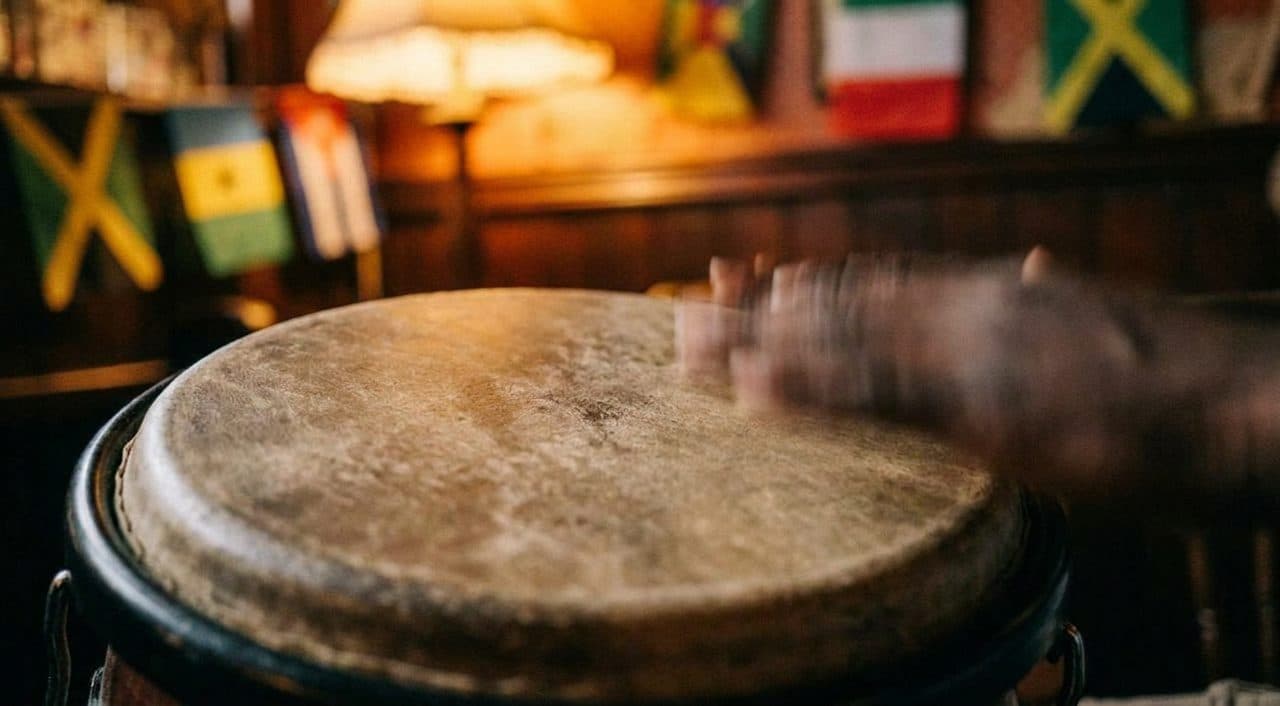
No one's quite sure who organizes it, but a small percussion section materializes for big matches. Three or four regulars bring hand drums—djembes, congas, a steel pan that gets played sparingly but with devastating effect when the moment calls for it. They set up near the back wall, just out of the main traffic flow, and lay down a rhythm that syncs with the chants rippling through the crowd. When a goal goes in—or when a near-miss sends everyone to their feet—the drums answer immediately, driving the celebration into something louder and more layered than a typical sports bar roar.
The drummers don't perform. They participate. They watch the match like everyone else, reacting in real time, their rhythms shifting with the game's momentum. During halftime, the drums go quiet, and the room drops into a different register: conversations about tactics, arguments over referee calls, someone's cousin texting updates from a bar in Kingston.
Strangers Becoming Loud Friends in Ninety Minutes
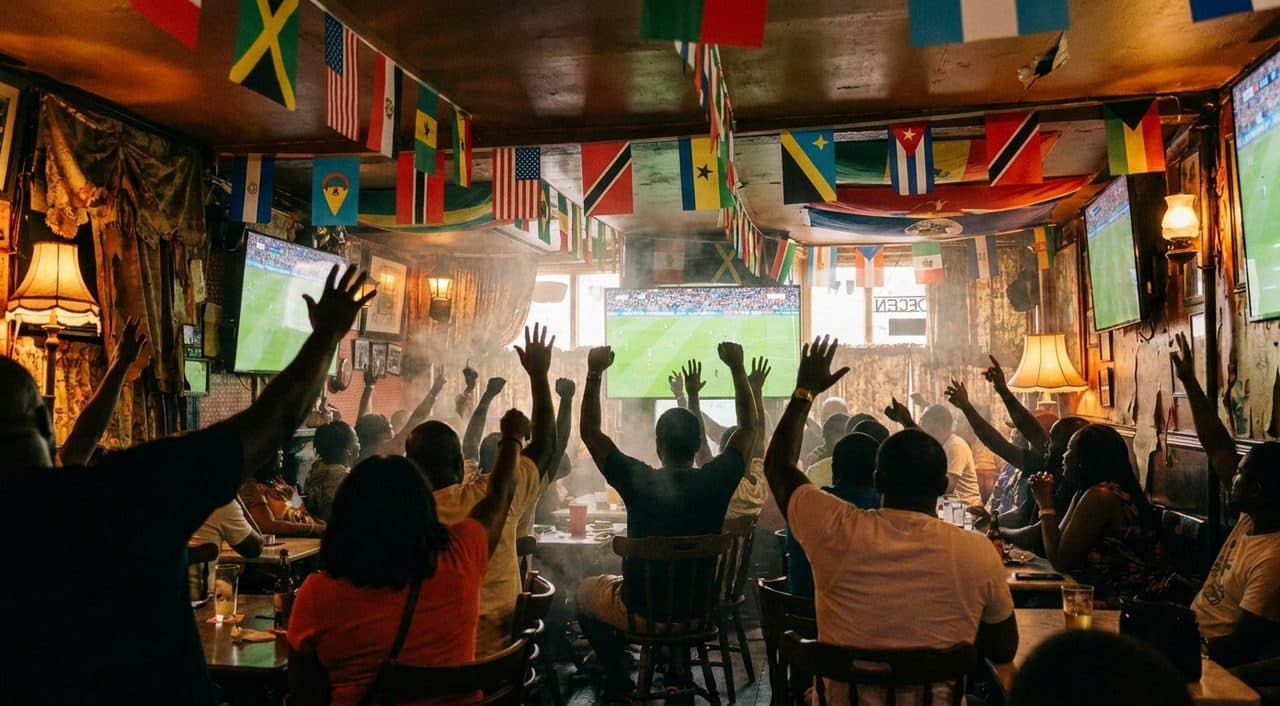
The crowd skews intergenerational. Older men in guayaberas sit beside younger guys in fresh sneakers and fitted caps. Women arrive in groups, claiming tables and settling in with the confidence of people who know exactly how loud this is about to get. There's a fluidity to the social fabric here—strangers bond over a controversial penalty call, share plates of festival and fried dumplings, exchange phone numbers to coordinate for the next match.
During a particularly tense knockout-stage-caliber group game, the entire bar held its breath through a penalty shootout, then exploded into a single mass of noise and motion when the final kick found the net. High-fives turned into hugs. Someone bought a round for a table of people they'd met an hour earlier. The drums didn't stop for ten minutes.
The Betting Pool That Runs on Trust and Cash
A low-key betting pool operates from a notebook kept behind the bar. Nothing elaborate—just a list of names, predicted scores, and cash held in a worn envelope. The woman running it has been doing this for years, and her word is law. Regulars trust her to settle disputes and distribute winnings without drama. The stakes stay modest, just enough to make every goal feel personal.
The pool fills up fast for group stage openers and any match involving teams with strong Caribbean ties. Even people who don't usually bet throw in a few bills, less for the money than for the added investment in the outcome. When someone wins, there's applause and mock envy. When everyone loses because the match ends in an unexpected draw, the groaning is theatrical and brief.
The Post-Match Decompression That Lasts Until Dinner
After the final whistle, the energy doesn't vanish—it shifts. The drums get packed away. The flags come down, folded carefully and tucked into bags. But people linger. They order another round, another plate, dissecting what just happened and previewing what comes next. The bar transitions from event space back to neighborhood hangout, though the buzz lingers in the air like smoke.
Some regulars stay through the next match, staking their claim for the evening kickoff. Others head out into the Jamaica afternoon, back onto Merrick Boulevard where the shops are still open and the sidewalks hum with a different kind of energy. The bar will be here tomorrow, and the day after, ready to do it all again when the next match demands it.
Practical Notes
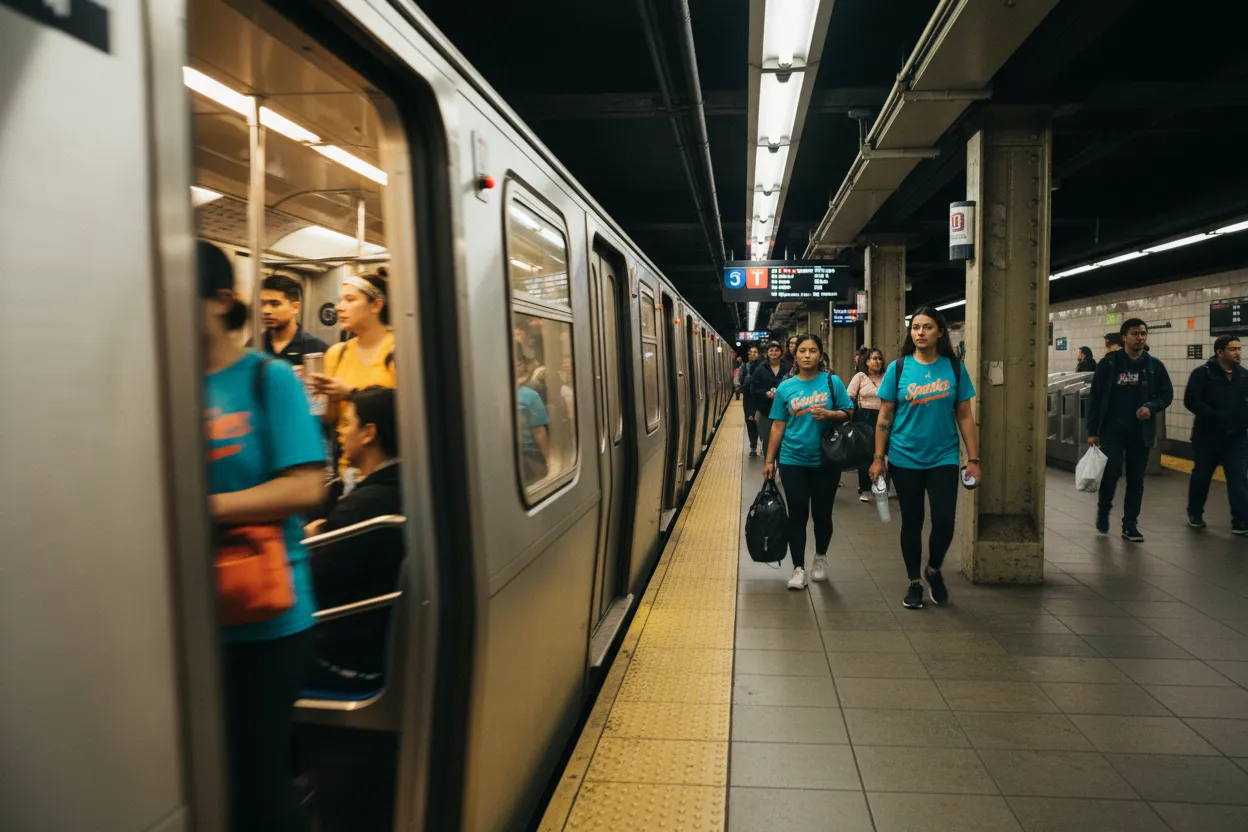
The bar opens late morning on match days, earlier than its usual hours, to accommodate international kickoff times. Getting there via the E train to Jamaica Center and a short walk west puts anyone within easy reach. Arriving at least an hour before major matches is the move—seating fills fast, and the best sightlines go to those who claim them early. No reservations, no table service for groups. It's first-come, full-throttle from there. Cash is king for the betting pool, though the bar itself takes cards. Parking exists on the side streets, but it's tight and competitive on match days.
Tags: #CaribbeanSportsBar #JamaicaQueens #WorldCupViewing #DiasporaCulture #QueensFoodie #CaribbeanFood #JerkChicken #SportsBarCulture #NYCHiddenGems #MerrickBoulevard #ConcacafFootball #NeighborhoodBars #NYCCaribbeanCommunity #GroupStageEnergy #RightOnTime
Sources consulted: timeout.com · secretnyc.co · thrillist.com
Please drink responsibly. Must be of legal drinking age.
All trademarks are the property of their respective owners.
Ask Karpo first
Want to know which nights the drum crew shows up and how to get on the WhatsApp group?
Ask Karpo for the jerk chicken special schedule and the corner table strategy before you head out.