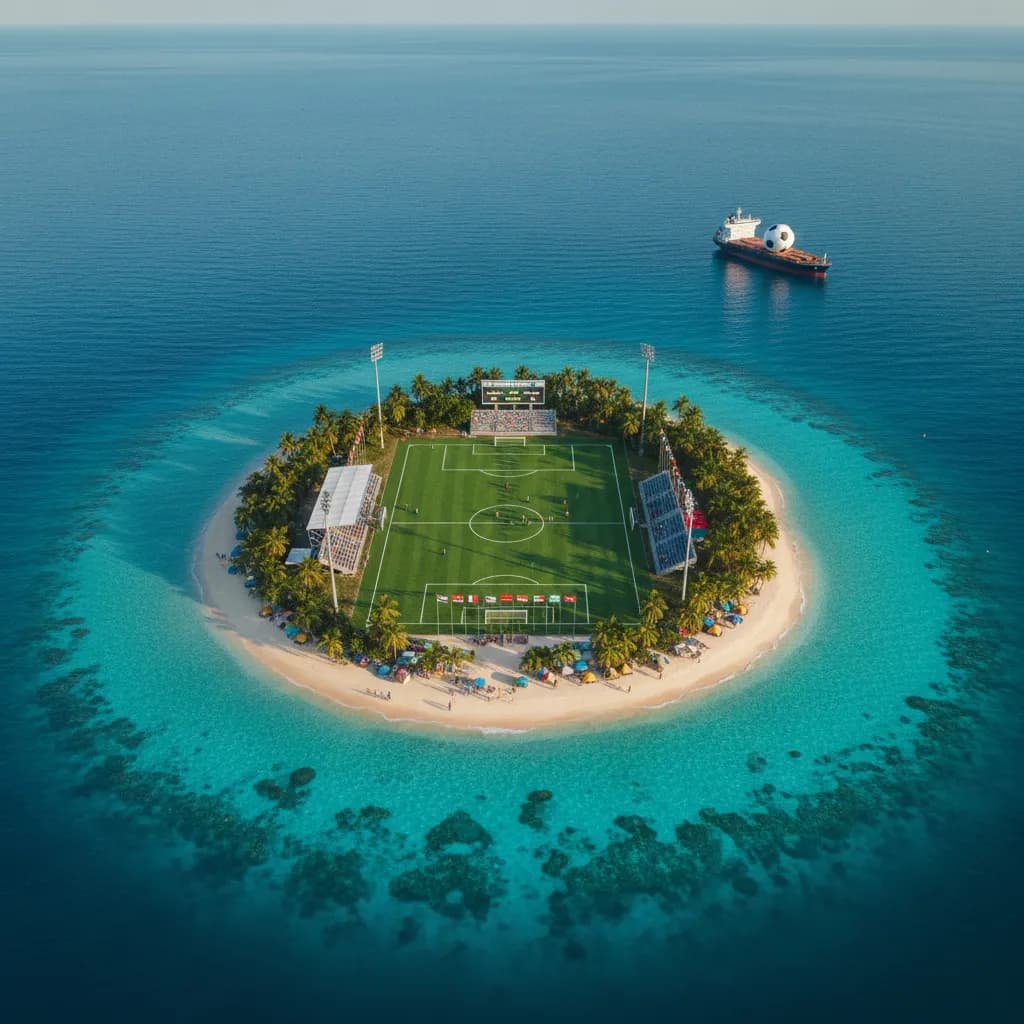
The Island Nation That Stunned the World
Cape Verde's population is 600,000. Their football association has 4,200 registered players. Their national stadium seats 8,000. They have never appeared at a World Cup before 2026. And yet, on the evening of June 22 at NRG Stadium in Houston, they held Spain — the European champions, the pre-tournament favorites, a team with four times more registered players than Cape Verde has citizens — to a 1-1 draw that ranks among the most remarkable results in World Cup history. The match was not a fluke. Cape Verde did not park the bus. They played with ambition, courage, and a technical quality that belied their status as the tournament's smallest nation.
Cheering for the underdogs? Text Karpo for Cape Verde's incredible story, World Cup newcomer highlights, and fairy tale moments.
How Cape Verde Qualified
Cape Verde's path to the World Cup is itself an extraordinary story. Under Portuguese coach Pedro Brito, the team navigated a qualification campaign that included victories over Nigeria and Cameroon — both significantly more established African football nations. The expanded 48-team format, which increased Africa's allocation from 5 to 9.5 spots, created a pathway that would not have existed under the previous format. Brito's pragmatic 5-3-2 system, built around collective organization rather than individual talent, proved perfectly suited to the qualification format. Cape Verde qualified with one match to spare, prompting celebrations across the archipelago that lasted for three days.
The Spain Match: 90 Minutes of Perfection
Cape Verde's 1-1 draw against Spain was the product of meticulous tactical preparation. Brito deployed a 5-4-1 formation that denied Spain's midfield trio (Rodri, Pedri, Gavi) the central spaces they typically exploit. When Spain moved the ball wide, Cape Verde's wing-backs dropped to form a back seven, creating a defensive wall that Spain struggled to penetrate. The goal — scored by Ryan Mendes from a counter-attack in the 53rd minute — was the plan working perfectly: absorb pressure, win the ball high, and release Mendes into the space behind Spain's high defensive line. Spain equalized through Oyarzabal in the 71st minute, but Cape Verde held on for a draw that earned them worldwide admiration.
The Players: Part-Time Professionals, Full-Time Heroes
The most remarkable aspect of Cape Verde's World Cup campaign is the composition of their squad. Only 8 of the 26 players are contracted to clubs in Europe's top five leagues. The remainder play in the Portuguese second division, the Cape Verdean league, or the lower divisions of French, Belgian, and Dutch football. Several players hold second jobs outside football. Midfielder Jamiro Monteiro, who plays for Portuguese second-division club Gil Vicente, works part-time as a youth football coach during the off-season. Goalkeeper Vozinha, who plays for Cape Verdean club CS Mindelense, is a physical education teacher. The squad's ability to compete against full-time professionals with multi-million-dollar contracts is a testament to collective organization and shared purpose.
The Emotional Impact at Home
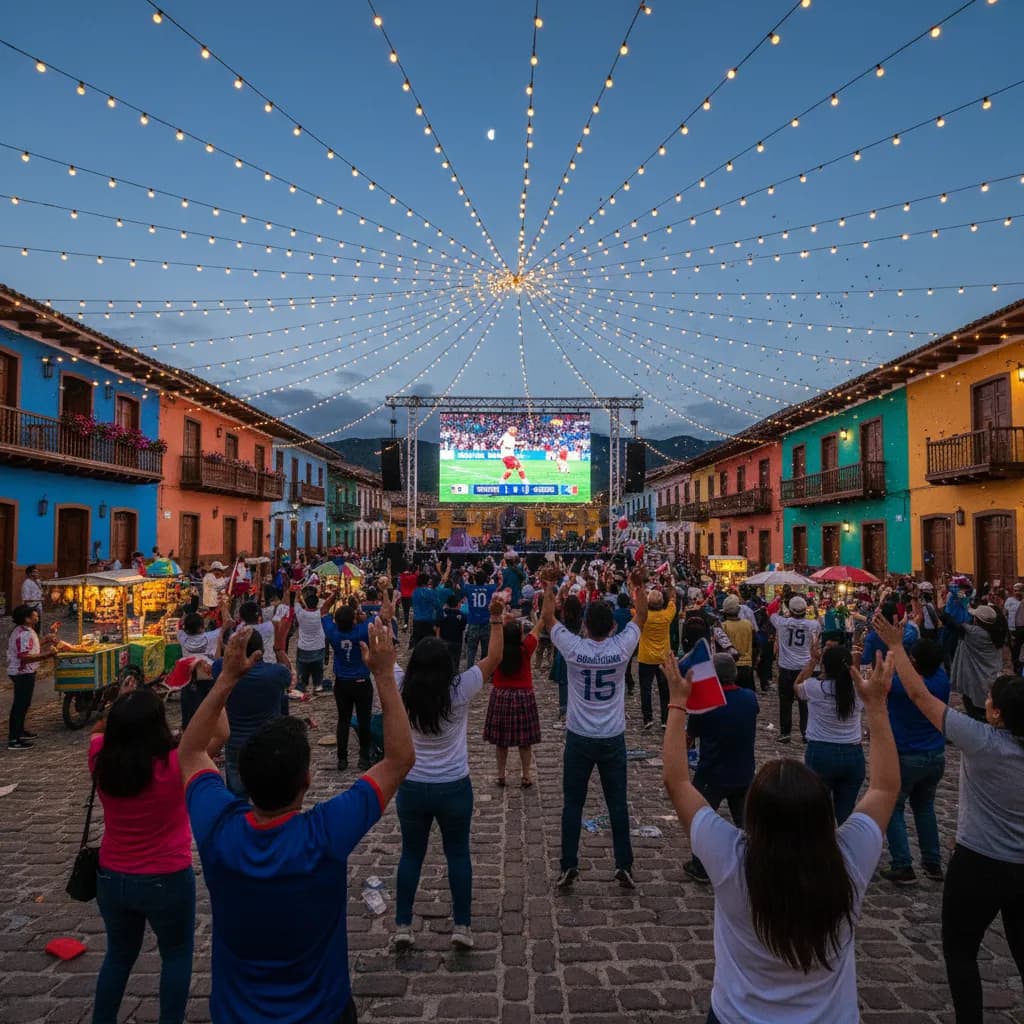
Cape Verde's World Cup matches have been watched by virtually the entire nation. On the islands, large screens have been erected in town squares, on beaches, and in community centers, with the government declaring match days as unofficial national holidays. The draw against Spain produced scenes of jubilation that were broadcast worldwide: elderly residents weeping in the streets, children dancing on rooftops, fishing boats sounding their horns in Mindelo harbor. The emotional impact extends beyond sport — for a small island nation that is rarely visible on the global stage, the World Cup has provided a moment of collective pride and international recognition that no amount of tourism marketing could achieve.
Reaching the Round of 32
Cape Verde's group-stage campaign produced one win (2-0 against Saudi Arabia), one draw (1-1 against Spain), and one defeat (0-3 against Argentina), finishing third in their group with 4 points. Under the expanded format's third-place qualification system — where the best third-placed teams advance to the Round of 32 — Cape Verde's four points and +0 goal difference were sufficient to secure their place in the knockout rounds. The Round of 32 match against France, a 4-0 defeat, was a step too far for a squad whose resources had been stretched to their limit. But the result did nothing to diminish the achievement: Cape Verde had competed at a World Cup, drawn with the European champions, and reached the knockout rounds.
The Legacy for Small Island Nations
Cape Verde's World Cup journey carries significance that extends beyond their own borders. For small island developing states (SIDS) — a United Nations category that includes nations like Trinidad and Tobago, Jamaica, Iceland, and Malta — Cape Verde's success provides proof that World Cup participation is achievable with limited resources, provided the tactical approach is calibrated to the squad's strengths. The expanded 48-team format has created pathways that make the World Cup accessible to nations that were previously excluded by the mathematics of qualification. Cape Verde's success is not just their own — it belongs to every small nation that has ever dreamed of playing on football's biggest stage.
Tags: Cape Verde, Spain, World Cup 2026, newcomers, Round of 32, small island nation, first World Cup, draw against Spain, Pedro Brito, upset
Sources consulted: ESPN · BBC Sport · The Guardian · FIFA.com
All trademarks, team names, league names, and player likenesses mentioned in this article are the property of their respective owners and are used here for informational and editorial purposes only.
Ask Karpo First
Inspired by Cape Verde's World Cup story? Ask Karpo for the complete list of World Cup debutants at the 2026 tournament, Cape Verde's qualification path, and how the expanded 48-team format has changed the landscape for small football nations.