 Where to Eat Near Penn Station That Isn't a Chain
US Open 2026
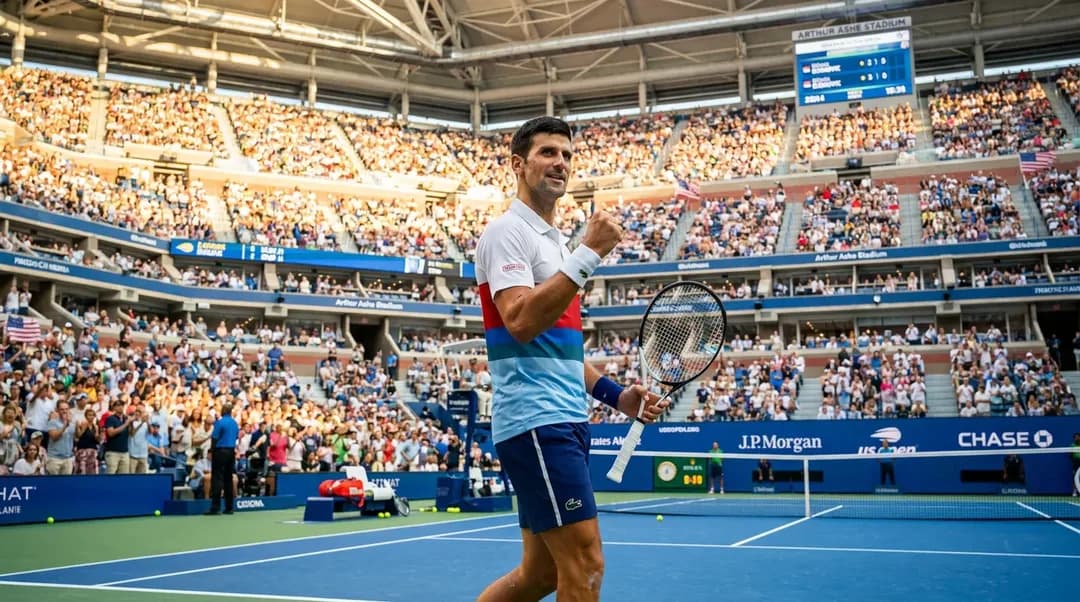
Can Novak Djokovic Win Another US Open in New York
At 39, the four-time champion brings hard-court mastery and tactical depth to Flushing Meadows, but faces a tighter window against younger rivals.
Novak Djokovic arrives at the 2026 US Open with a compelling case for contention and equally valid reasons for skepticism. The Serbian champion, who will turn 39 during the tournament, last hoisted the trophy in New York in 2023, capturing his 24th Grand Slam title in a dominant performance. His recent run to the Wimbledon semifinals, where he fell to Jannik Sinner, demonstrates that his game remains sharp enough to challenge the sport's elite. Yet the question facing tennis fans and analysts alike is whether Djokovic can marshal his resources on the hard courts of Flushing Meadows, navigating a grueling two-week gauntlet against opponents who may be a decade or more his junior. The answer lies in examining how his specific strengths align with the unique demands of the US Open, and whether his late-career adjustments can offset the inevitable physical constraints of age.
Updated August 2026: US Open policies, grounds access, ticket rules, weather procedures, and daily schedules can change. Use the linked US Open official sources as the final reference before packing, booking, or choosing seats.
Text Karpo Now: Tell us what you want from Can Novak Djokovic Win Another US Open in New York, and Karpo can track official updates, match timing, tickets, transit, and the easiest way to plan your US Open day.
Hard Court Mastery Remains Intact
Djokovic's hard-court credentials are beyond dispute. His four US Open titles span from 2011 to 2023, a twelve-year window that itself speaks to sustained excellence on this surface. The DecoTurf courts at the USTA Billie Jean King National Tennis Center reward players who can control the baseline, absorb pace, and redirect power with precision. These have been hallmarks of Djokovic's game throughout his career, and his recent Wimbledon semifinal appearance suggests the fundamental mechanics remain sound. His return of serve, arguably the finest in tennis history, is particularly devastating on hard courts where the ball comes through more predictably than on clay or grass. This allows him to neutralize big servers and turn defense into offense within a single stroke, a capability that grows more valuable as rallies become more physically taxing.
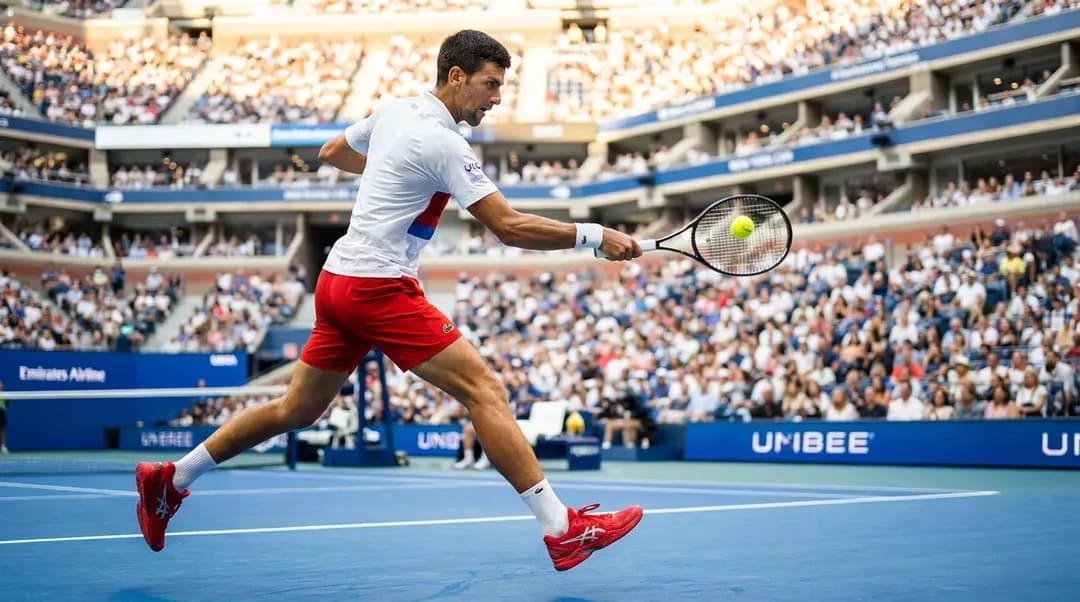
The US Open's medium-fast surface also suits Djokovic's sliding technique, which he adapted from clay courts to hard courts earlier in his career. This allows him to reach wide balls without sacrificing balance or recovery position, extending rallies that opponents expect to win. While younger players may possess greater raw speed, Djokovic's court positioning and anticipation often place him in the right spot a split-second earlier, reducing the distance he needs to cover. His ability to take the ball early on the rise, particularly on the backhand side, compresses time for opponents and disrupts their rhythm. These technical advantages do not diminish significantly with age, provided his movement remains within a functional range.
Scheduling and Recovery Considerations
The US Open's late-summer timing presents both opportunities and challenges for an aging champion. By late August, Djokovic will have had several weeks to recover from Wimbledon and prepare specifically for hard courts. This focused preparation window allows him to fine-tune his game without the accumulated fatigue of a packed spring and early summer schedule. Elite players in their late thirties often adopt a more selective calendar, prioritizing major championships over other events. This approach can leave them fresher for the tournaments that matter most, though it may also mean less match practice heading into critical moments.
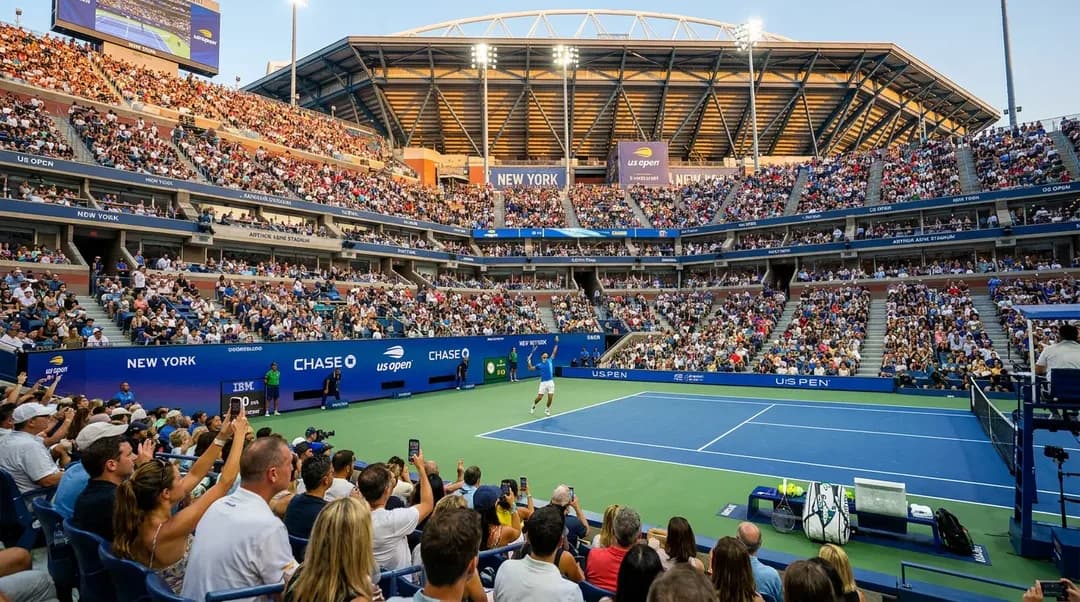
The tournament's best-of-five format, while physically demanding, actually favors experienced players who excel at tactical adjustments. Djokovic has built a career on solving problems mid-match, identifying opponent weaknesses, and shifting strategies between sets. Younger players may have the edge in pure athleticism, but they often lack the pattern recognition and emotional control that comes from two decades of professional competition. The US Open's day and night sessions also create scheduling variables that can work in favor of a veteran who understands how to manage energy across a fortnight. Night matches under the lights in Arthur Ashe Stadium, with cooler temperatures and slower conditions, may suit Djokovic's defensive skills better than afternoon heat.
Efficiency and Point Construction
One of Djokovic's most underrated late-career adaptations has been his increasing efficiency in point construction. Rather than engaging in extended baseline wars on every point, he has become more selective about when to defend and when to attack. His serve, while never the weapon it is for some contemporaries, has improved in placement and variety, allowing him to start points on his terms more often. First-serve percentage becomes crucial for older players, as it reduces the number of physically demanding rallies required to hold serve. Djokovic's ability to hit spots on big points, particularly out wide in the deuce court and into the body on the ad side, keeps opponents off balance without requiring excessive pace.
His return games showcase similar efficiency. Rather than simply getting the ball back in play, Djokovic targets specific return locations designed to prevent opponents from establishing their preferred patterns. Against big servers, he often chips returns low and deep, forcing them to hit up on their first groundstroke and negating their height advantage. Against players who prefer to dictate from the baseline, he takes returns early and flat, rushing them before they can set up. These tactical choices conserve energy while maintaining pressure, a critical balance for a player who may not be able to sustain maximum intensity for five sets across seven matches.
Experience in Pressure Moments
The mental dimension of Grand Slam tennis grows more significant in the second week, when physical fatigue accumulates and the stakes intensify. Djokovic's experience in navigating these moments is unmatched in the current era. He has played in numerous Grand Slam finals, faced match points and saved them, and won matches where he appeared physically compromised. This psychological resilience becomes a tangible advantage when opponents, even talented ones, face him across the net in a US Open quarterfinal or semifinal. The weight of the occasion, the crowd dynamics in New York, and the awareness of facing a champion with nothing left to prove can subtly affect decision-making and shot selection.
Djokovic's ability to compartmentalize points and games also serves him well in long matches. Younger players sometimes allow a lost set or a bad game to spiral into broader frustration, while Djokovic has demonstrated remarkable capacity to reset emotionally and tactically. His team, including longtime coaches and fitness staff, understands his patterns and can provide targeted guidance during changeovers. This infrastructure of support, built over years of collaboration, gives him an edge in making real-time adjustments that less experienced players might miss.
Practical Notes
The US Open runs from late August through early September at the USTA Billie Jean King National Tennis Center in Queens. Arthur Ashe Stadium, the tournament's main venue, typically hosts the highest-profile matches, including those featuring major champions. Session tickets grant access to the stadium for either day or evening sessions, while grounds passes allow entry to outer courts where early-round matches occur. The tournament's official website provides the most current scheduling information, though specific match times are usually announced one day in advance. New York's late summer weather can be hot and humid, so plan for sun protection and hydration. The facility is accessible via subway, with the Mets-Willets Point station serving the venue directly.
Tags: #USOpen2026 #Tennis #GrandSlam #NewYorkTennis #ArthurAsheStadium #FlushingMeadows #USOpenGuide #TennisFans #SportsTravel #HardCourt #NewYork #KarpoFinds
Sources consulted: usopen.org — Official reference · atptour.com — Official reference · usopen.org — Official reference
All trademarks are the property of their respective owners.
Ask Karpo first
Before you lock in tickets or build a full day around an unconfirmed schedule, ask Karpo first. Share your dates, budget, and favorite players, and Karpo can help turn official US Open updates into a practical New York plan.
Ask Karpo for more information.
Keep reading
- Where to Eat Near Penn Station That Isn't a Chain
 Andytown Coffee in the Outer Sunset: The Snowy Plover Explained
- Best Things to Do in Chicago: What the City Gives Away