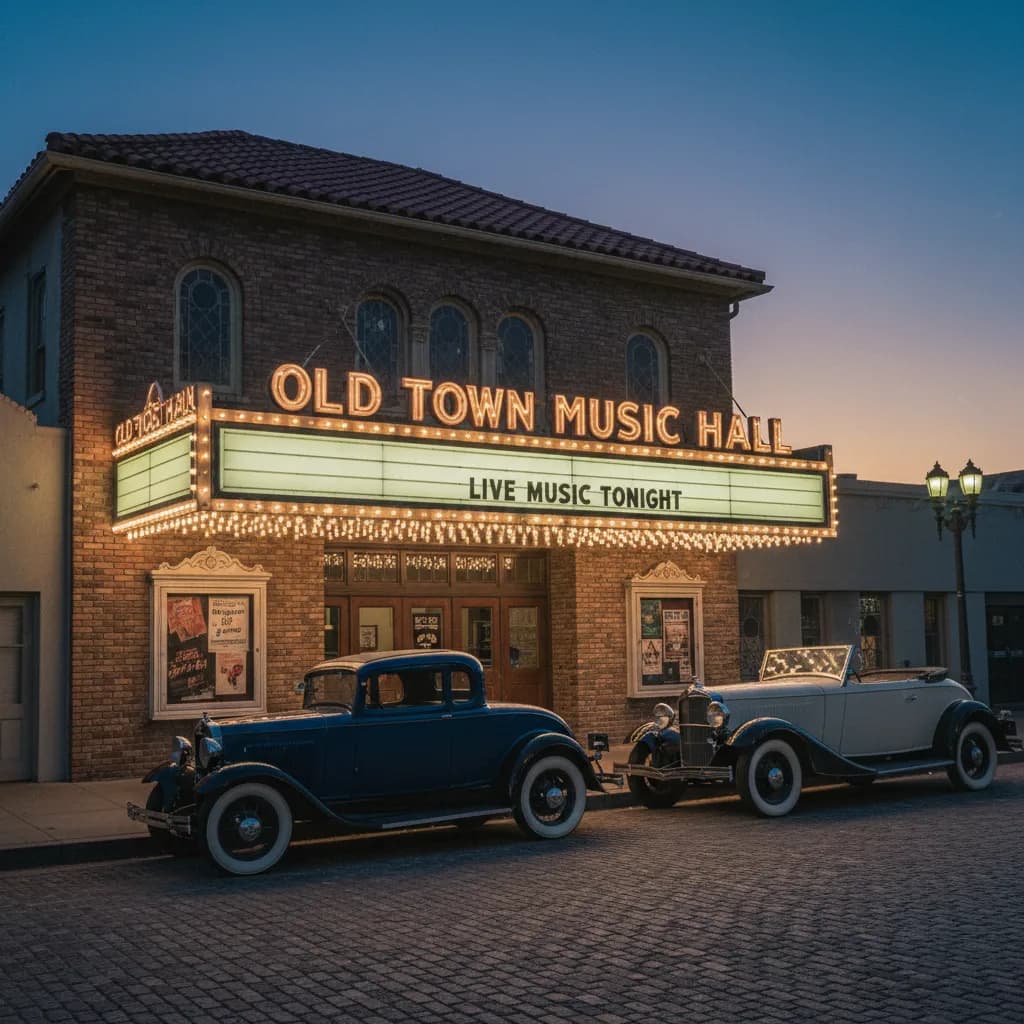
 Old Town Music Hall El Segundo Concerts: Silent Films and Mighty Wurlitzer Magic
Weekend Plans
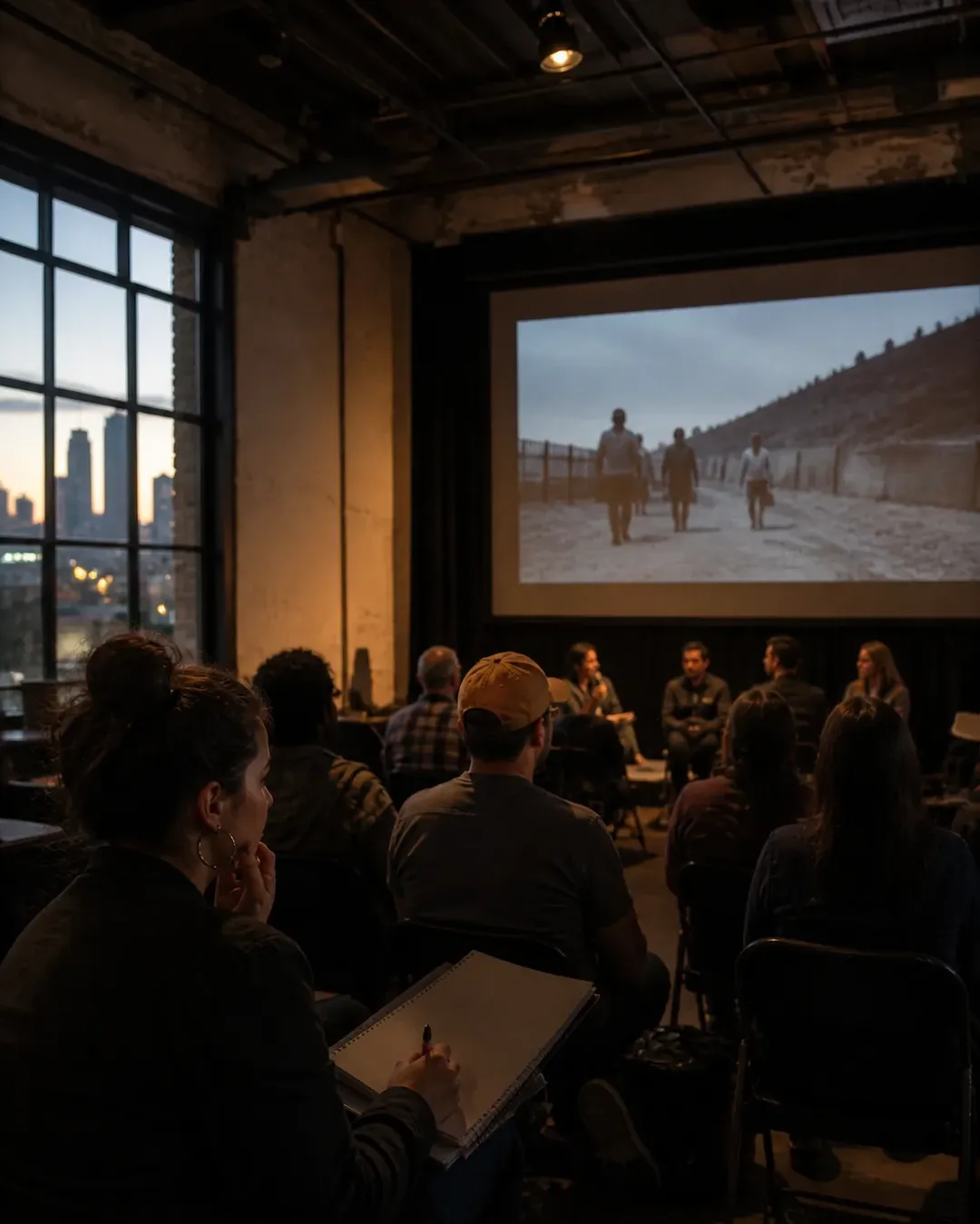
cártel de jalisco nueva generación: LA Weekend Documentary Screening Centers
For a solo weekend afternoon in Los Angeles, this guide helps serious readers turn cartel-news curiosity into a verified screening plan. It focuses on public calendars, library media programs, cultural nonprofits, university-style research habits, and backup online learning paths.
Search interest around cártel de jalisco nueva generación can pull journalists, students, and researchers toward urgent headlines, but a useful Los Angeles weekend plan should start with verification, not assumption. Treat the phrase as a research hook for documentary, border-issues, journalism, and media-literacy programming, then check official calendars before committing your afternoon. Los Angeles has a broad public-events ecosystem: Discover Los Angeles lets users filter events by categories such as Film, Educational, Museums, Arts, and regions, while the Los Angeles Public Library says it hosts free events every day across many branches. LA Metro connects the county by bus, rail, bike, van, and more, with rider tools for trip planning, real-time arrivals, alerts, maps, and schedules. The goal is a grounded route: identify credible screenings, confirm details directly, and keep an online journalism-learning backup ready.
Text Karpo your research focus (journalism, border studies, media literacy), preferred LA area, weekend availability, and whether you want screenings or discussions. We'll find a documentary event with expert context and suggest a backup university film series.
Start With Calendars, Not Headlines
For this topic, the first decision is whether the afternoon needs a film screening, a panel, a workshop, or a quieter research session. Discover Los Angeles is useful because its event calendar separates listings by categories including Film, Educational, Museums, Arts, Bookstore Events, and Cultural Heritage, and also lets visitors filter by region. That structure matters when a search term like cártel de jalisco nueva generación is too narrow for a local calendar. Instead of expecting the exact phrase to appear, search adjacent programming: documentary film, border journalism, organized crime reporting, migration, media literacy, archives, Latin America, and public policy. If a listing does not explicitly mention the subject, do not treat it as relevant proof.
A solo researcher should build a shortlist in two passes. First, scan the official city-facing calendar for weekend entries in Film, Museums, Educational, Arts and Theatre, and Bookstore Events, because those buckets are where documentary screenings, talks, and public discussions are most likely to surface. Second, open each host page directly and verify title, format, date, reservation rules, venue, and whether a discussion follows the screening. The supplied Los Angeles listings for the August 7 to August 9, 2026 weekend show that calendars can mix music, film, museums, festivals, talks, and food events together, so precision matters. A promising category is not enough; the page needs explicit program language.
Use Libraries as Low-Friction Screening Bases
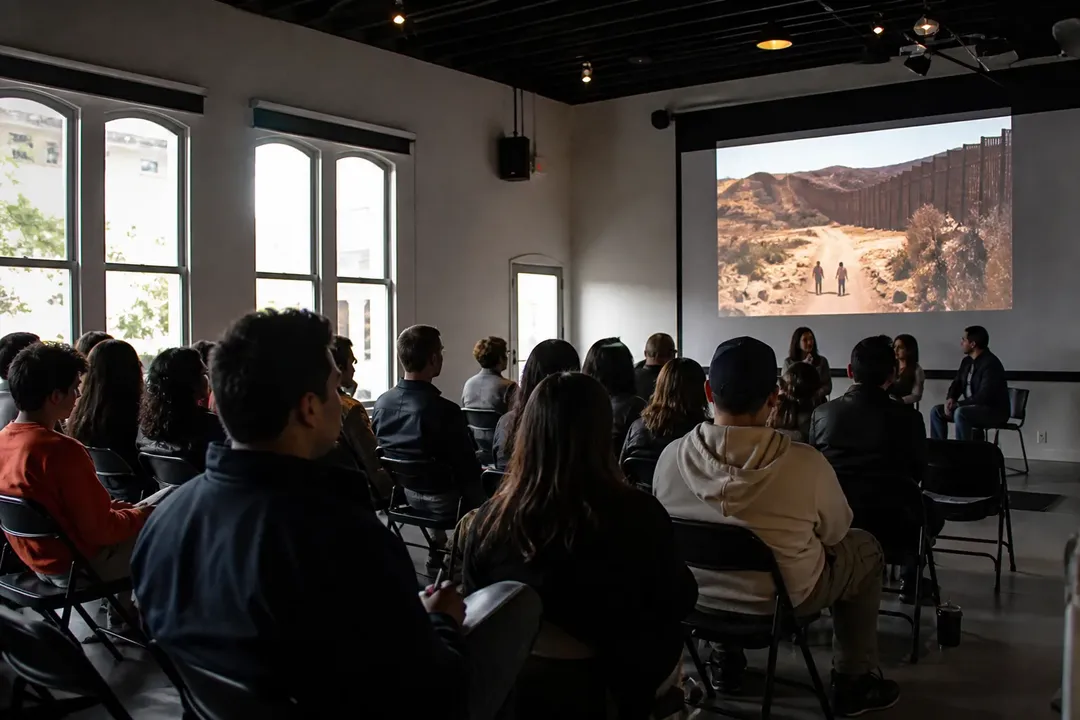
Los Angeles Public Library is the strongest low-friction anchor in this plan because its official events page says the library hosts free events every day and lets users browse by branch, audience, ZIP code, date range, and event type. For advanced research, that makes LAPL more than a fallback place to read. It is a public-space network where documentary-adjacent programming, author talks, archival media sessions, literacy events, and civic conversations can appear without the commercial pressure of a ticketed venue. The calendar includes many branch locations, from Central Library and Westwood to North Hollywood, Pico Union, Venice, Watts, Wilmington, and others, which helps a solo visitor choose a public, familiar route.
For the weekend beginning August 8, 2026, the official LAPL extract lists Home Video Day at Central Library from 12:00 PM to 4:00 PM, featuring home videos on the big screen, an archivists talk, highlights from home media archives, and more. That is not a cartel documentary program, and it should not be described as one. It is useful because it shows the library system can host screen-based, archive-aware public programming suitable for people thinking about media evidence, preservation, and source context. If no border-issues documentary is listed, use a library visit to review sources, check databases, ask about future film programs, and save the screening search for another verified weekend.
Screen Cultural Centers for Civic Fit
Nonprofit cultural centers are worth checking because the LA County Department of Arts and Culture describes a countywide ecosystem that supports arts, culture, and creativity through grants, technical assistance for nonprofit organizations, professional development, civic artworks, arts education, research and evaluation, career pathways, free community programs, and cross-sector creative strategies that address civic issues. That official language does not identify a specific screening, but it does explain why nonprofit and community arts venues can be relevant to complex public topics. For a subject connected to cartel news trends, the fit is strongest when a program frames documentary work through journalism, civic education, community safety, history, or cross-border context.
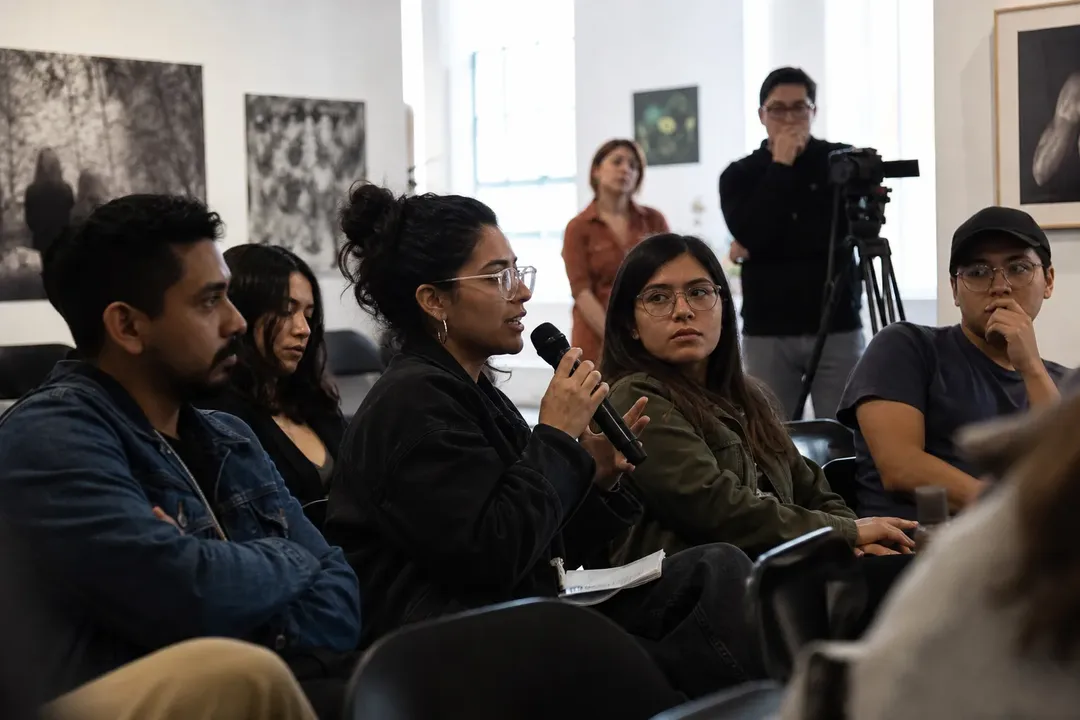
The tradeoff is that cultural centers often publish programs in different places: their own websites, newsletter calendars, partner pages, and citywide event listings. A careful solo plan should avoid assuming that a center is hosting a panel simply because it works on civic issues. Verify the exact program title, partner names, moderator bios, registration process, accessibility information, and whether the event is a screening, discussion, workshop, or exhibition. If the language sounds promotional but gives no documentary title or speaker role, treat it as weak evidence. For advanced users, the best choice is a venue that clearly separates artistic presentation from public-interest analysis and gives enough detail to prepare questions responsibly.
Map the Afternoon Before You Reserve
Once a candidate program is verified, map the afternoon around public-space routes and realistic arrival buffers. LA Metro says it connects Los Angeles County by bus, rail, bike, van, and more, and its rider tools include a trip planner, real-time arrivals, the official app, alerts, maps, and schedules. Those tools are especially useful for solo visitors moving between a library, campus-adjacent event, or cultural venue. Use alerts before leaving, then recheck arrivals when transferring. If the screening topic is serious or emotionally heavy, choose a route that leaves time afterward for notes, a meal, or a quiet library stop instead of stacking multiple events tightly.
Metro’s published fare facts help with cost planning without inventing venue details. The regular fare is listed as $1.75, the daily cap means riders never pay more than $5 in one day after paying for three rides, and free transfers are available within two hours when using TAP, credit, or debit card. Metro also notes that all buses and trains are wheelchair accessible, with elevators and accessibility features at rail stations, and that riders can use Transit Watch or Customer Care to report concerns. For hot weekend afternoons, its heat guidance is practical: review routes to avoid long outdoor waits, stand in shade, and consider cooling and hydration locations.
Keep an Online Journalism Backup
A serious screening guide needs a backup because niche documentary programs can be sparse, cancelled, full, or unrelated after closer reading. If the exact cártel de jalisco nueva generación query does not produce a verified Los Angeles screening, shift the goal from attendance to learning: build an online journalism course block for the same weekend afternoon. The backup can focus on source verification, conflict-sensitive reporting, organized-crime terminology, public-records habits, and how to distinguish primary reporting from recycled commentary. Do not use a course, video, or article as proof of a local event. Use it as preparation, then return to official LA calendars for future screenings and panel discussions.
The best weekend plan is therefore tiered. Tier one is a verified film, panel, or media-literacy workshop from an official venue page. Tier two is a library or archive-related public program that strengthens media judgment even if it is not about cartel reporting. Tier three is an online journalism-learning session paired with a saved calendar search for the next weekend. This structure fits an advanced solo researcher because it protects the afternoon from weak claims while still producing value. You leave with notes, cleaner search terms, and a list of credible venues to monitor: public libraries, nonprofit cultural centers, university film series, museum calendars, and citywide event listings that can be checked again before each weekend.
Tags: #LosAngeles #WeekendPlans #DocumentaryScreenings #MediaLiteracy #PublicLibraries #CulturalCenters #SoloResearch
Sources consulted: Source 1: metro.net · Source 2: discoverlosangeles.com · Source 3: lapl.org · Source 4: lacountyarts.org
All trademarks are the property of their respective owners.
Ask Karpo first
Ask Karpo to turn this Los Angeles idea into a current plan for your date, budget, companion, transit preference, and energy level. Karpo can narrow the route and flag what to verify before you go.
Ask Karpo for more information.
Keep reading
- Old Town Music Hall El Segundo Concerts: Silent Films and Mighty Wurlitzer Magic
 Searching Dinner Near Me: Dear John's, Culver City's Retro Gem
 Messhall Kitchen Los Feliz: Your Perfect Dinner Near Me Destination