 Haaland Has Seven Goals and Norway Runs Entirely Through Him
⚽️2026 FIFA WORLD CUP
BTS and Bieber Brought Pop Fandom Into Football’s Final
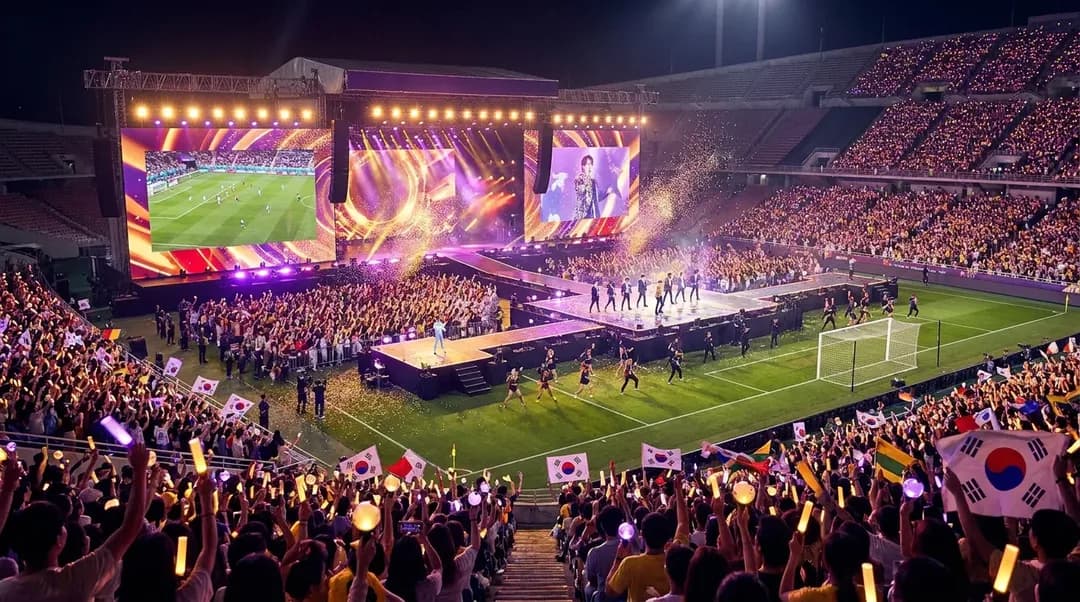
FIFA's 2026 final halftime show paired K-pop sensation BTS with pop icon Justin Bieber in an 11-minute performance that bridged global music communities. The lineup demonstrated how football's biggest stage now actively courts the passionate engagement models perfected by modern pop fandom.
When BTS and Justin Bieber took the stage as co-headliners for the 2026 World Cup final halftime show in East Rutherford, they brought more than entertainment to the world's most-watched sporting event. The 11-minute performance represented FIFA's deliberate strategy to merge football's traditional viewership with the organized, digitally fluent communities that power contemporary pop music. By selecting artists with distinct but equally passionate global followings, FIFA transformed the final into a convergence point for multiple cultural phenomena, with proceeds supporting the FIFA Global Citizen Education Fund.
Text Karpo to explore how music partnerships are reshaping major sporting events, or ask about the intersection of entertainment strategy and global competition formats. We'll help you understand how organizers are building broader audiences through cross-cultural programming.
The Strategic Pairing of Two Fandom Ecosystems
The decision to pair BTS and Justin Bieber as co-headliners reflected careful audience mathematics. BTS brought ARMY, the meticulously organized K-pop fandom known for coordinating streaming campaigns, trending hashtags, and synchronized social media activity across time zones. Bieber contributed a Western pop audience cultivated over more than a decade, spanning multiple generations from his teenage YouTube emergence to his current status as an established recording artist. Neither fanbase typically overlaps completely with football's core supporters, making the pairing a calculated expansion play rather than a simple entertainment booking.
This co-headliner structure acknowledged that no single artist could deliver FIFA's apparent goal of maximum global attention. By splitting the stage, the organization doubled its entry points into social media ecosystems where football traditionally struggles to maintain year-round visibility. Each artist's presence gave their respective fanbases a reason to engage with content they might otherwise scroll past, transforming the final from a purely sporting event into a cultural moment requiring participation from multiple communities.
Why FIFA Courted Pop Music's Engagement Infrastructure
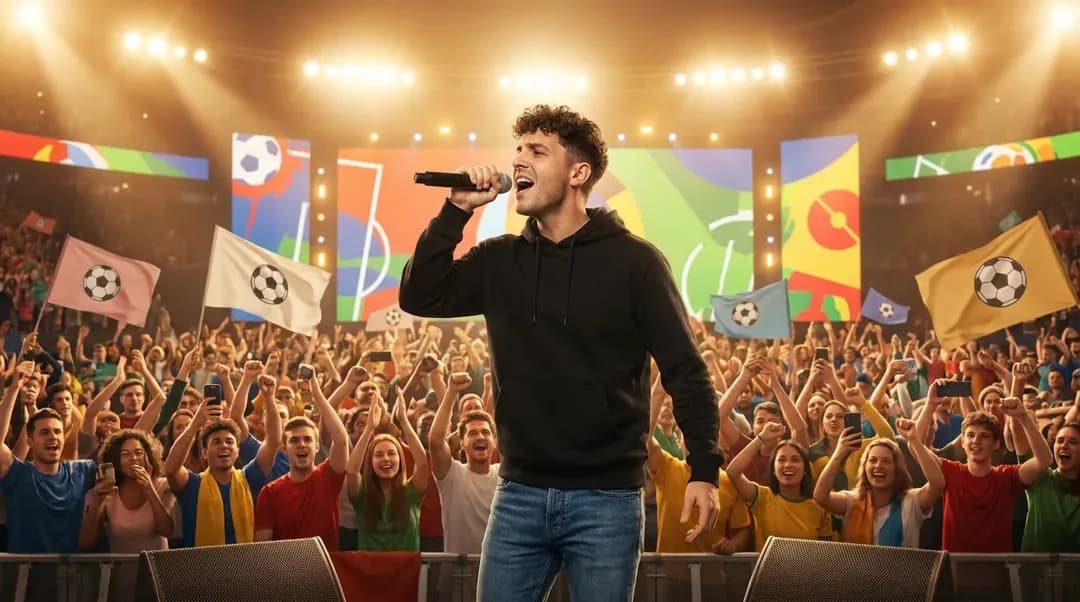
Modern pop fandom operates as a distributed marketing apparatus that most sports properties can only approximate. BTS fans, in particular, have demonstrated the ability to drive measurable commercial outcomes through coordinated digital action, from chart manipulation to product launches. FIFA's selection acknowledged that these engagement patterns—constant content creation, algorithmic manipulation expertise, and sustained attention between major moments—represent skills that football's traditional audience exhibits primarily during tournament windows. By inviting these communities into the final, FIFA essentially borrowed their operational infrastructure for a day.
The choice also reflected FIFA's awareness that younger demographics increasingly fragment their attention across competing entertainment options. Where previous generations might have watched the World Cup final regardless of ancillary programming, today's audiences make minute-by-minute decisions about where to direct their limited attention. The presence of BTS and Bieber created appointment viewing for audiences who might otherwise catch highlights later or skip the match entirely in favor of content aligned with their established interests. In this context, the halftime show functioned less as intermission entertainment and more as a strategic retention tool.
The Compressed Timeframe Challenge
An 11-minute halftime show presents unique creative constraints compared to typical concert formats. Neither artist could develop narrative arcs or perform complete setlists, forcing the production to function as a highlight reel rather than a comprehensive performance. This brevity suited FIFA's needs—maintaining broadcast momentum while delivering the promotional benefits of marquee names—but required both acts to compress their identities into abbreviated sets designed primarily for viral clip extraction rather than sustained artistic expression.
The time constraint also shaped how each fanbase could engage with the performance. Traditional concert analysis, deep cuts, and extended fan theories found limited material to examine. Instead, the format encouraged the kind of rapid-response content creation that dominates social platforms: reaction videos, screenshot aesthetics, and comparison compilations. This aligned with FIFA's likely objectives, prioritizing immediate digital circulation over lasting artistic legacy. The performance was engineered for the social media feed, where 11 minutes translates to dozens of shareable moments rather than a single cohesive work.
Education Fund as Legitimizing Framework
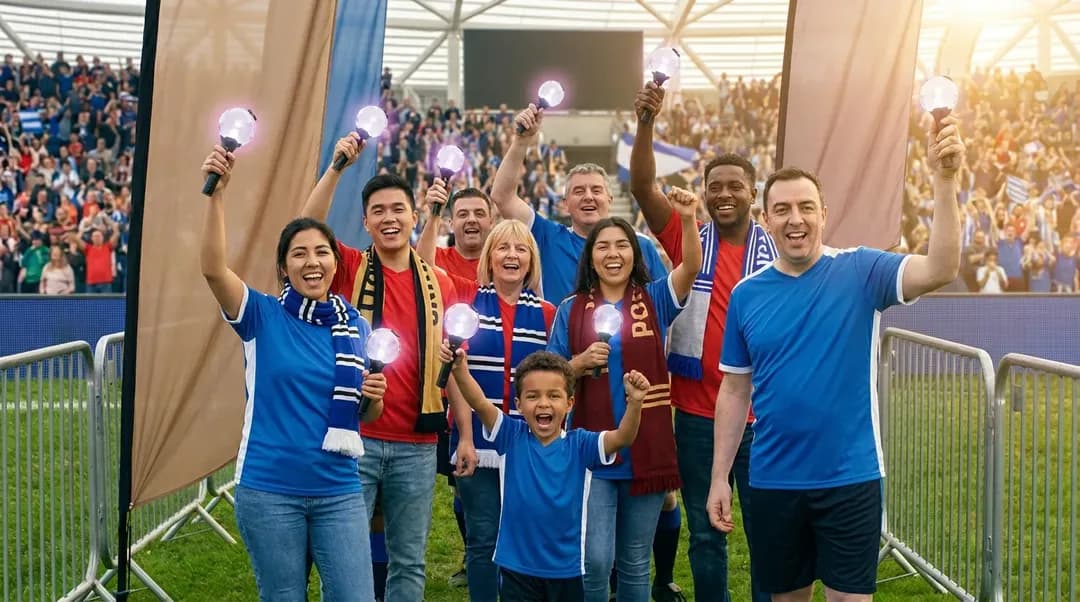
The connection to the FIFA Global Citizen Education Fund provided institutional justification for the entertainment spectacle. By framing the performance as supporting educational initiatives, FIFA positioned the halftime show within a legacy of cause-oriented global events where entertainment serves ostensibly altruistic purposes. This framework has become standard practice for major sporting organizations seeking to deflect criticism about commercialization or cultural appropriation, offering a values-based narrative alongside the obvious promotional objectives.
For both artist camps, the education fund association offered similar benefits. Pop stars performing at major sporting events often face skepticism from their core audiences about artistic compromise or commercial calculation. The charitable connection provides narrative cover, allowing participation to be framed as platform leverage for social good rather than straightforward brand partnership. Whether the fund ultimately represents meaningful educational impact or primarily functions as rhetorical positioning remains a separate question from its effectiveness as a storytelling device during the event itself.
Broadening Attention Without Diluting Identity
FIFA's challenge was attracting new audiences without alienating existing ones. Football purists who regard halftime shows as unnecessary American imports needed to feel that the game remained central, while music fans required sufficient production quality to justify their attention. The co-headliner approach allowed FIFA to claim expansive reach while giving traditional broadcasters the option to minimize coverage for markets where the musical acts held less appeal. Different regions could emphasize different elements of the same event, customizing the final's presentation to match local audience priorities.
This flexibility represents the ultimate goal of such programming: creating a modular event that functions simultaneously as pure football match, pop music showcase, and charitable initiative depending on which audience segment you're addressing. East Rutherford hosted a single physical event, but the digital distribution created multiple parallel experiences. BTS fans could watch for their artist and skip the match. Football traditionalists could ignore the halftime entirely. And casual viewers could sample both, potentially converting into ongoing followers of either football or the musical acts. The lineup didn't just broaden attention—it created multiple legitimate ways to engage with the same moment.
Precedent for Future Tournament Programming
The 2026 final halftime show will likely influence how FIFA and other sports organizations approach major event programming in subsequent tournaments. If measurable audience expansion occurred—through social media metrics, broadcast ratings in non-traditional markets, or commercial outcomes—expect similar cross-cultural programming to become standard rather than experimental. The co-headliner model offers particular appeal because it distributes risk while multiplying promotional channels, making it attractive even if individual artist performance delivers mixed results.
The strategy also signals that major sporting events increasingly view themselves as competing not just with other sports but with the entire entertainment landscape. When FIFA books BTS and Justin Bieber, the organization acknowledges that its real competition for audience attention includes streaming platforms, social media, and any other activity occupying the limited hours humans allocate to leisure consumption. This expanded competitive understanding will likely drive continued experimentation with programming designed to pull audiences from adjacent entertainment categories, transforming major finals into increasingly complex multimedia productions that transcend their sporting origins.
Tags: #WorldCup2026 #BTS #JustinBieber #FIFAFinal #HalftimeShow #PopCulture #FootballEntertainment #GlobalFandom #SportsMarketing
All trademarks are the property of their respective owners.
Ask Karpo First
Whether you're tracking how entertainment properties evolve or analyzing audience development strategies across industries, Karpo helps you understand the strategic decisions behind major cultural moments. Reach out when you need clarity on how organizations are adapting traditional formats to capture fragmented modern attention.
Ask Karpo for more information.
Keep reading
- Haaland Has Seven Goals and Norway Runs Entirely Through Him
 World Cup Trophy Ceremony Timing Medals and Postmatch Celebrations
 Olise and France's Attack: The Semifinal Tactical Question