There are approximately ten days each spring when Brooklyn Botanic Garden transforms into the sort of place that justifies rearranging weekend plans and setting an alarm before seven. The Cherry Esplanade—a double-row allee of Kanzan cherries flanked by Yoshino and weeping varieties—reaches peak bloom during a narrow April window, and the spectacle draws crowds dense enough to obscure the trees themselves. The calculus is straightforward: you want maximum petals, minimum people, and light that does justice to both. All three variables align only if you understand the bloom cycle, the entry schedule, and which paths the majority of visitors never find.
The bloom calendar and why the garden's predictions lag reality
Bloom peak typically arrives between April 18 and 28, the exact date hinging on March temperatures and the whims of a late cold snap or an early warm spell. The garden's horticulture team posts daily bloom-status updates on their website, a service that seems helpful until you realize the official forecast often lags behind the trees themselves. Peak frequently arrives two or three days earlier than predicted, which means the casually prepared arrive just as the first petals begin their drift to the grass.
The bloom window lasts seven to ten days, weather permitting. A single rainstorm can shorten it; a cool stretch can extend it. If you're planning spring travel around the cherries, build in flexibility. Monitor the updates, yes, but also watch for user-posted photos on social channels starting mid-April—crowdsourced intelligence beats institutional caution every time.
The 7:30am member entry advantage
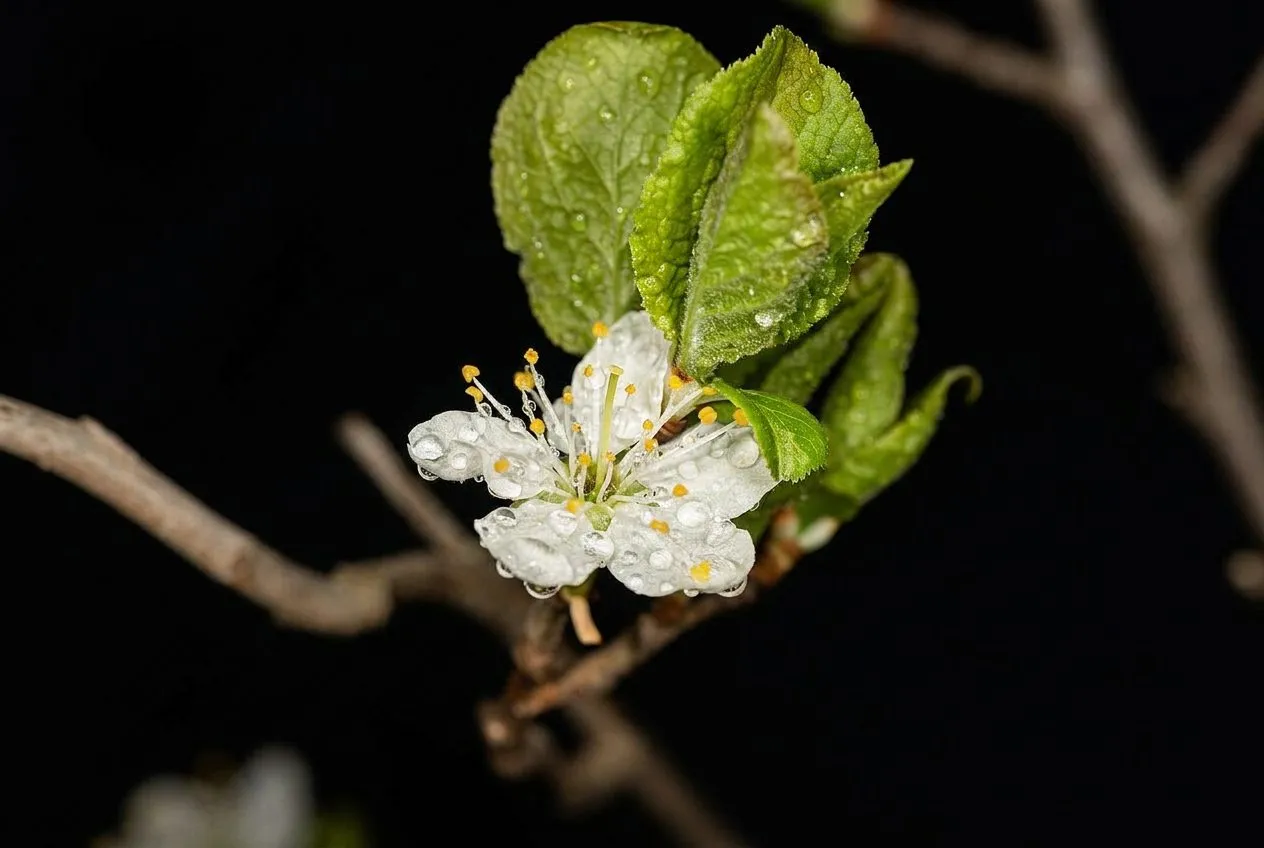
Brooklyn Botanic Garden members can enter at 7:30 on weekend mornings during bloom season, a full two and a half hours before general admission opens at 10 a.m. on Wednesdays, Fridays–Sundays, and on Tuesdays/Thursdays the garden has later hours; verify the day-specific schedule before publishing. The Cherry Esplanade remains nearly empty until around 9:15, when the second wave of members trickles in and the light begins to flatten.
Arrive by 7:30 and you'll have the allee to yourself—or close enough that the handful of other early risers becomes part of the composition rather than an obstacle to it. The air is cooler, the petals still hold dew, and the only sound is gravel underfoot and the occasional shutter click. By 9:30 the spell breaks. If membership seems like an extravagance for a single visit, consider that the annual fee pays for itself in two or three entries, and the early-access perk alone justifies the expense during bloom season.
Morning side-light and the geometry of the Esplanade
The Esplanade runs roughly east-west, which means morning light rakes across the branches rather than backlighting them into silhouette. Between 7:45 and 8:30 the angle is ideal—low enough to model each cluster of blossoms, high enough to avoid harsh shadows on faces if you're photographing people beneath the canopy. The cherry's pale pink reads almost white in full sun, so the gentler morning illumination preserves the subtle gradations between Yoshino's blush and Kwanzan's deeper rose.
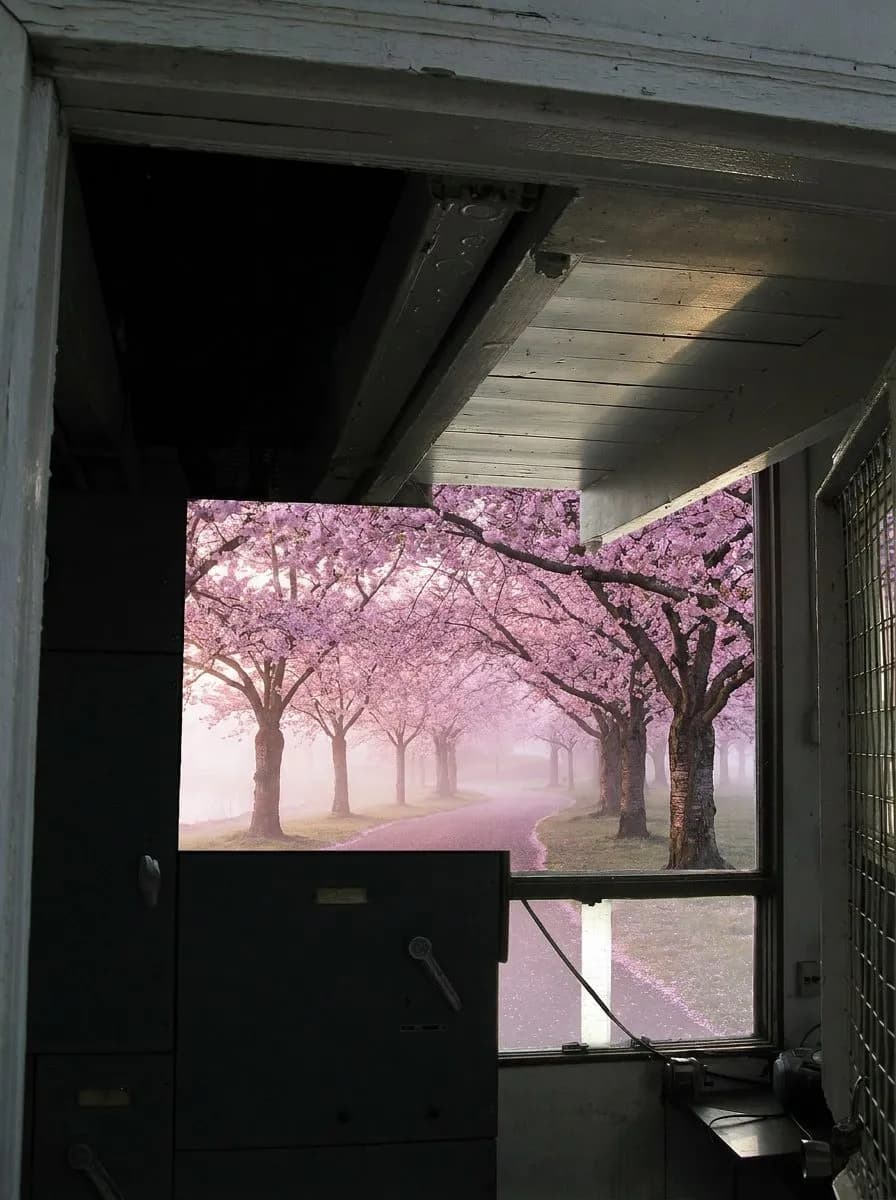
Stand at the eastern end of the Esplanade and shoot west, and you'll catch the trees receding in soft focus, each rank of trunks framing the next. Walk the path slowly—it's only a few hundred feet long—and note how the weeping varieties create natural archways at the margins, their branches forming curtains you can step through for a more enclosed perspective. The scent is faint, more green than sweet, a whisper rather than the cloying perfume of some ornamental blooms.
The upper rim path and the view the crowds miss
If the Esplanade starts to feel claustrophobic—or if you arrive after nine and find it already thronged—the path along the Japanese Hill-and-Pond Garden's upper rim offers an elevated cherry-viewing angle without the scrum below. The trail rises gently above the pond, and from several vantage points you can see across to cherry trees on the opposite slope, their branches silhouetted against the water or, if you time it right, reflected in the still surface.
This secondary loop catches the same morning side-light between 8:00 and 9:30, and because most visitors beeline for the Esplanade and stay there, the upper path remains comparatively serene even on peak weekends. You'll trade the immersive tunnel effect of the allee for a more contemplative, composed view—the cherries as part of a larger scene rather than the sole subject. It's a different aesthetic, quieter and less Instagrammable, which is precisely why it works.
Weekday versus weekend crowd calculus
Weekdays are predictably less crowded, though not empty. Arrive at opening on a Tuesday or Wednesday and you'll share the garden with school groups, retirees, and a scattering of remote workers who've chosen a bench under the cherries as their office for the morning. The atmosphere is more relaxed, the pace less frantic. If you can't swing the early member entry, a weekday general-admission visit at ten yields a better experience than a Saturday at noon.
Weekend afternoons during peak bloom approach theme-park density. Hanami picnics spread across every available patch of lawn, tripods stake out prime angles, and the Esplanade becomes a slow-moving queue rather than a contemplative stroll. There's a certain festive energy to it—spring fever made manifest—but it's not conducive to the quiet observation the garden otherwise invites. If your schedule forces a weekend visit, commit to the early window or accept that you're attending a cultural event as much as a horticultural one.
What to bring and what to skip
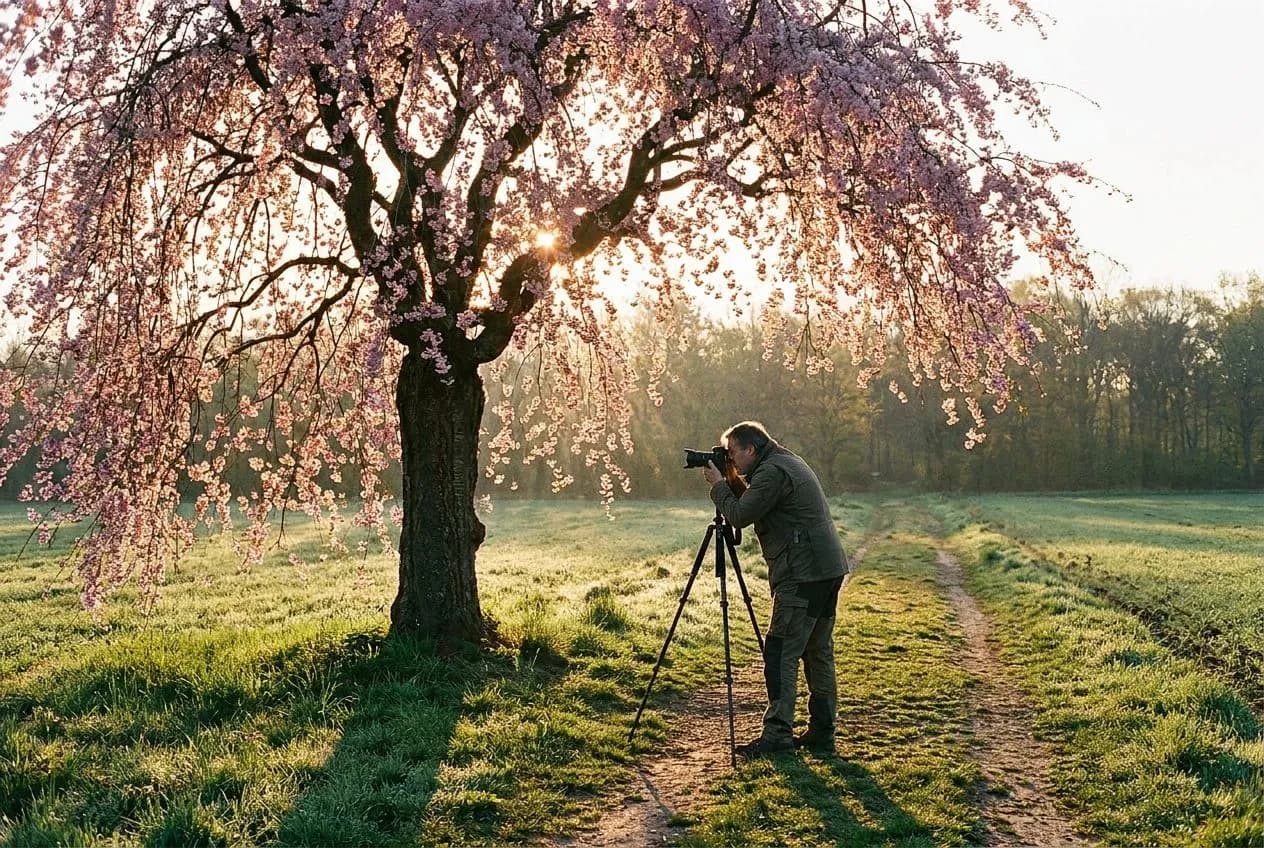
A camera, obviously, though your phone will suffice if you understand its limitations in mixed light. A lightweight jacket—mornings in early spring are cooler than the afternoon forecast suggests, and once you're standing still under the trees the chill settles in. Water, because the garden's cafés don't open until mid-morning and you'll want to stay through the best light. Skip the tripod unless you're a member arriving at 7:30; hauling gear through weekend crowds is more trouble than it's worth, and you'll spend more time defending your setup than shooting.
Binoculars are a niche recommendation, but useful if you want to study the blossoms up close without jostling for position beneath the lowest branches. And if you're planning to picnic, note that food is permitted on the lawn but not under the cherry canopy itself—a rule enforced gently but consistently during bloom season to protect the root zones from compaction.
Practical notes
Brooklyn Botanic Garden’s main listed address is 990 Washington Avenue, Brooklyn, NY 11225. Nearest subway: Eastern Parkway–Brooklyn Museum (2, 3) or Prospect Park (B, Q, S). Street parking is scarce; the lot at the Brooklyn Museum fills early on weekends. General admission hours during bloom season typically run 10:00am to 6:00pm; member early entry begins at 7:30am on weekends. Verify current hours and ticket availability on the garden's website before traveling. The Cherry Esplanade and Japanese Hill-and-Pond Garden paths are paved and accessible, though some secondary trails involve stairs or uneven terrain. Restrooms near the Visitor Center; water fountains along main pathways.
Tags: #BrooklynBotanicGarden #CherryBlossoms #BBG #SakuraSeason #SpringTravel #WeekendPlans #CherryEsplanade #ProspectPark #BrooklynParks #NYCSpring #BloomWatch #RightOnTime #NYCNature #SpringInNYC #HanamiNYC
Sources consulted: Brooklyn Botanic Garden - Wikipedia · Japanese Cherry - Wikipedia · Brooklyn Botanic Garden Official Site · MTA Trip Planning · Time Out New York Cherry Blossoms Guide
All trademarks are the property of their respective owners.