Highbridge Water Tower is the kind of New York plan that rewards precision. The restored stone tower in Highbridge Park offers a rare mix of public-works history, Harlem River views, and uptown park texture, but it should not be treated like a viewpoint with everyday walk-up access. As of July 16, 2026, I could not confirm a standing official open-hours schedule from accessible source material, and terminal web requests to NYC Parks and MTA pages failed because DNS resolution was blocked. That makes verification part of the plan itself. Go only if the current NYC Parks listing, weather, stair tolerance, and transit route all line up that day.
Want a sharper call before you head uptown? Text Karpo with your start point, time window, and stair tolerance, then compare the reply against the current official listing.
Start With the Official Clock
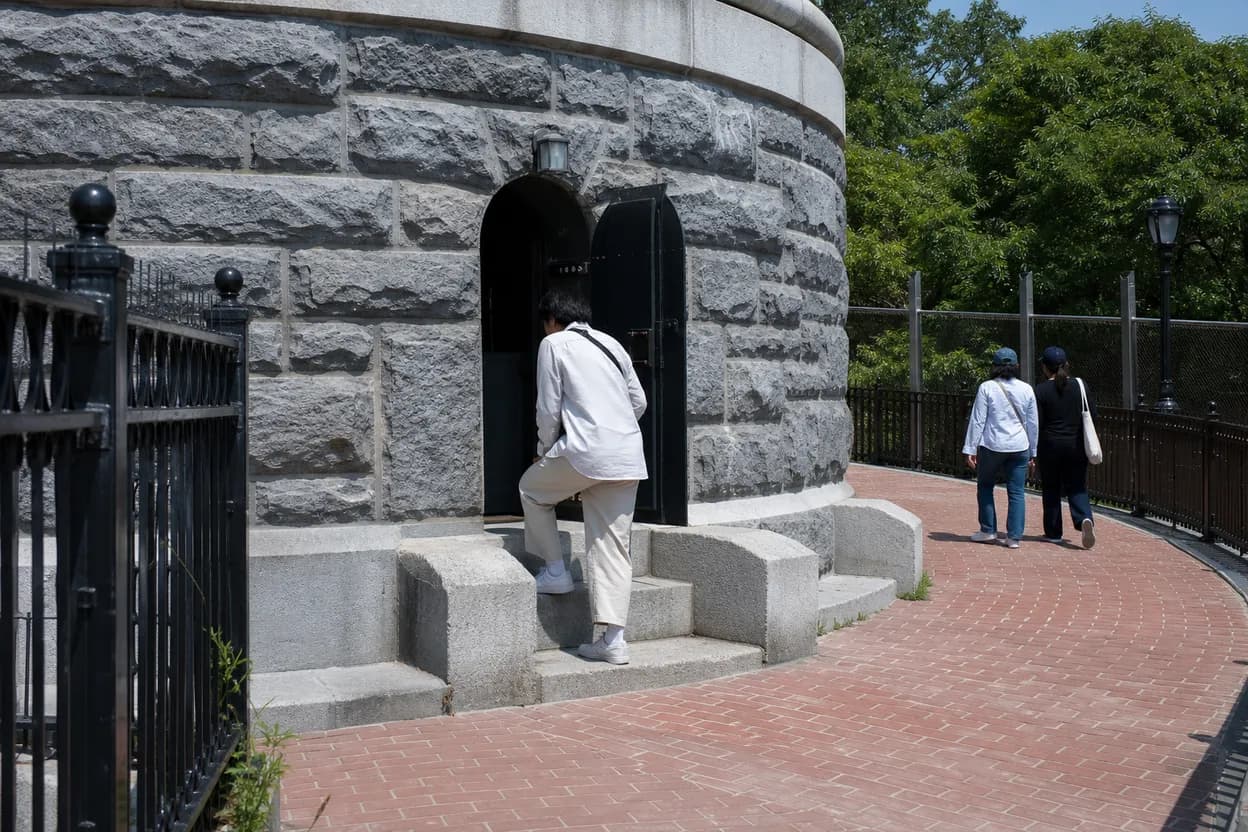
Treat the tower as a timed public program, not a casual park feature. The first stop should be the current NYC Parks event calendar or a live Highbridge Park notice that names Highbridge Water Tower, your date, and the access window. Earlier restoration coverage and historical references confirm tours have happened after reopening, but they do not prove a standing July 2026 schedule. If the listing is absent, expired, or vague, plan for exterior viewing only.
Once a valid listing exists, build the whole outing backward from it. Leave room for subway delays, the uphill approach, wayfinding inside Highbridge Park, possible capacity control, and any registration instructions. The plan breaks when guests arrive at the posted start minute and expect flexibility. Its appeal is that it is finite: a historic object, a climb if available, a view, and an exit before the day gets overbuilt.
Understand the Real Payoff
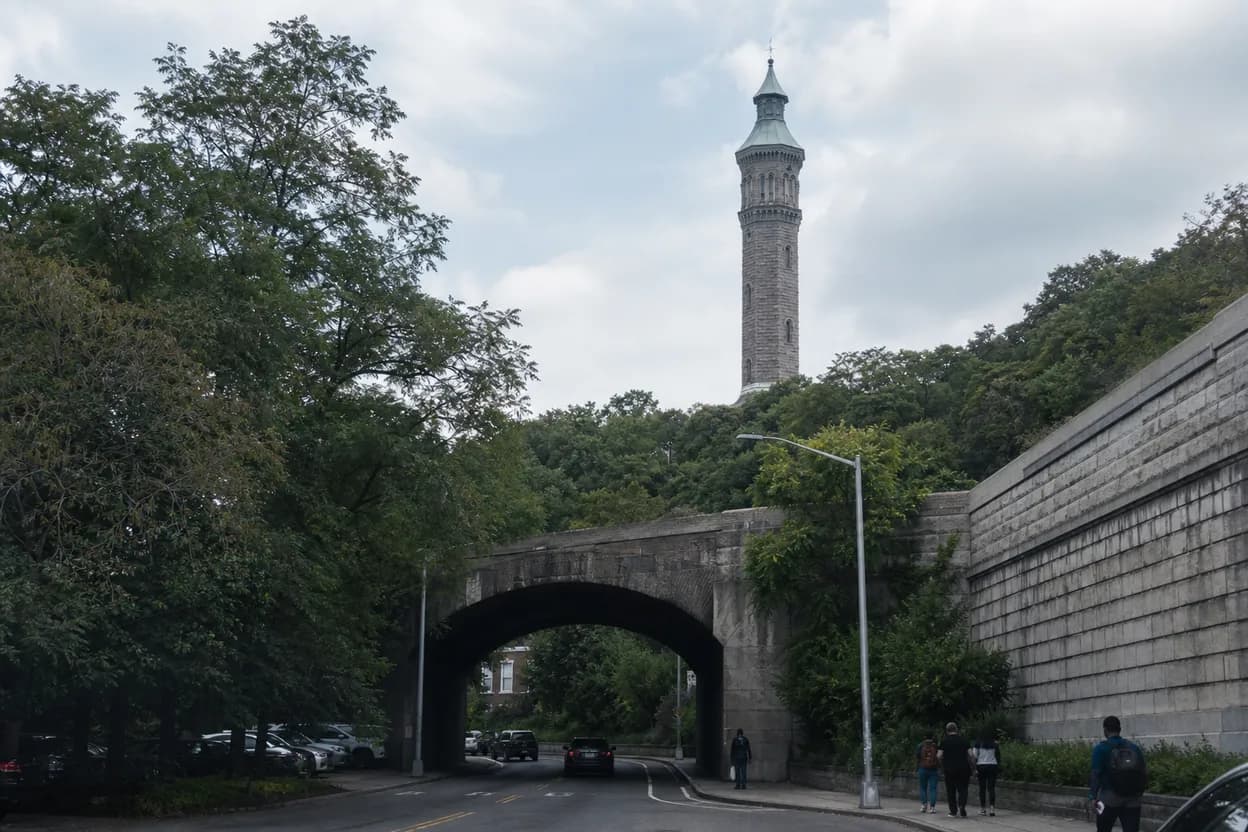
The draw is infrastructure, not observatory polish. High Bridge Water Tower stands near West 173rd and West 174th Streets by the Manhattan end of the High Bridge, tied to the city’s former Croton water system. Historical summaries identify it as an octagonal stone tower associated with engineer John B. Jervis and construction in the late 1860s and early 1870s. It is a landmark first, and a view platform only when access is officially offered.
That makes the best companion someone who likes civic architecture, old systems, masonry, bridges, staircases, and the way utility becomes monument. An architecture-minded friend has plenty to notice even if the interior is closed. Someone expecting a guaranteed skyline deck, elevators, climate control, long dwell time, or a museum-style interpretive visit may find the friction annoying. Frame the outing as a compact uptown field trip with a conditional climb, not a guaranteed attraction.
Let Weather Make the Call
A clear mild morning is the strongest version of this plan. It improves the Harlem River view, makes the park approach easier, and reduces the physical cost of stairs. Heat, rain, lightning risk, wet steps, poor air quality, or high wind can turn a tidy outing into a bad bet. Outdoor public programming can also change when conditions make access difficult, so the forecast is not background information. It is part of admission logic.
Check conditions before leaving, then check the official Parks listing again. If the weather is borderline, downgrade the tower interior from the reason for going to a possible bonus. Walk the High Bridge, look at the tower exterior, and leave while the morning still feels controlled. Do not push for interior access just because you traveled uptown. The right question is whether the climb and view will actually reward the effort.
Be Honest About Stairs
The difficulty is moderate because of vertical movement, timing, and park terrain, not because the mileage is long. Highbridge Park includes steep approaches, and tower access, when offered, should be assumed to involve stairs unless the current official description says otherwise. Anyone with knee, balance, stamina, vertigo, respiratory, heat-sensitivity, or mobility concerns should verify access details directly before committing. A vague event blurb is not enough for a group with real constraints.
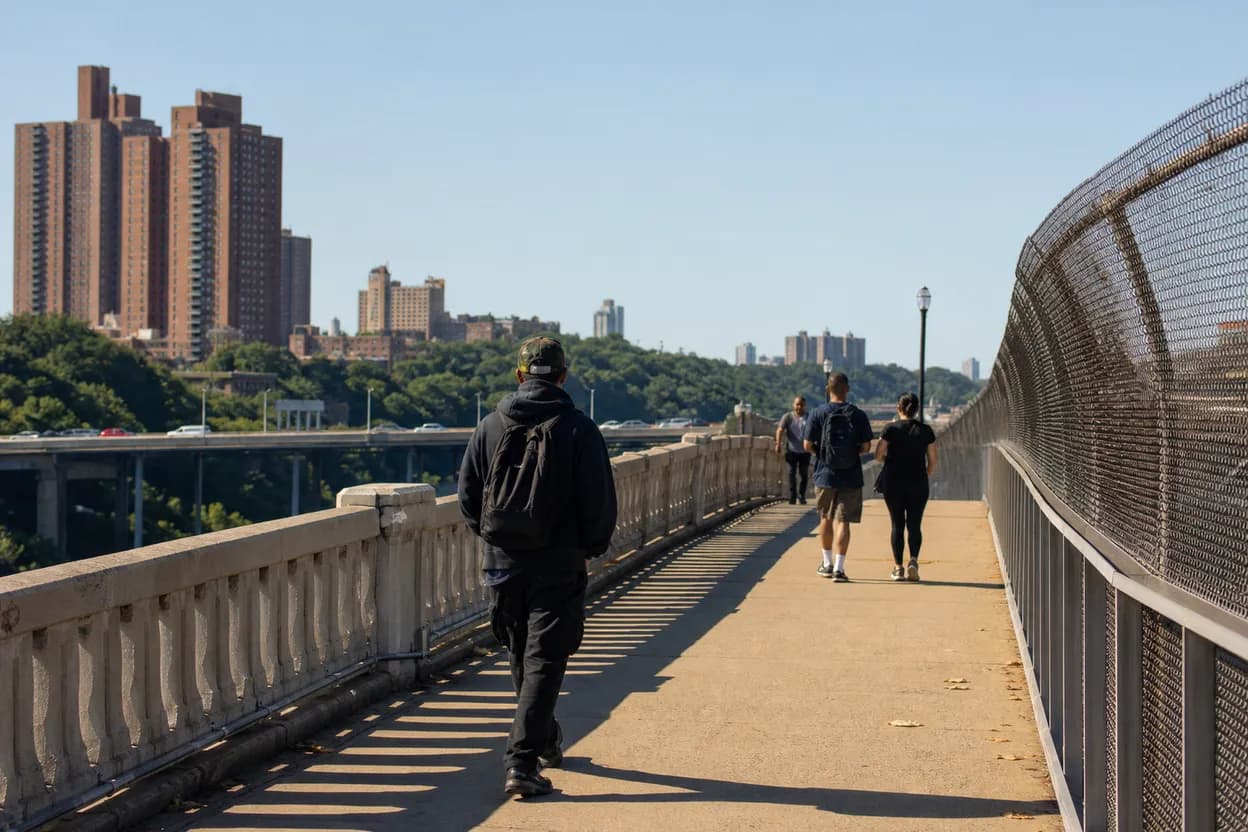
The accessibility fallback is to separate the landmark from the ascent. The High Bridge crossing, park edges, and tower exterior can still make a worthwhile short outing for someone who wants context without stair risk. If step-free travel matters, check MTA elevator and escalator status the same day, along with planned service changes. A station can appear workable on a map while an outage, detour, or uphill approach changes the practical route.
Route Like the Hill Matters
For many visitors, the A train at 175th Street is a practical transit anchor, with other Washington Heights stations possible depending on origin and service. The common mistake is reading the map as if the final approach were flat. Elevation, summer heat, park entrances, and unclear internal paths can slow the last segment. Give yourself a buffer that would feel unnecessary for a Midtown errand, especially if access is first come, first served.
Plan the exit before you enter the park. After stairs, sun, or a longer approach than expected, the return can feel more taxing than arrival. Check MTA planned service and elevator status before leaving, particularly for anyone relying on accessible routing. If tower access is uncertain, choose the route that best supports the backup bridge walk. Do not optimize only for a tower door that may not open on your date.
Name the Backup Beforehand
This outing has predictable failure modes: the event listing is gone, access is canceled, capacity fills, registration was required, weather turns, or the climb feels wrong once you arrive. None of that needs to ruin the morning if the backup is named early. The clean pivot is High Bridge, exterior tower viewing, a short Highbridge Park walk, and a Washington Heights coffee or meal stop after the park portion ends.
Set a go-or-no-go rule before departure. Go for interior access only if the official page is current for your date, names the tower, gives usable instructions, and the weather supports stairs. If one condition fails, do not build the day around a locked door. Keep the plan finite by setting a return time, and do not promise guests a tower view unless that morning’s official information supports it.
What to verify for Highbridge Water Tower, Manhattan
Before leaving on July 16, 2026 or any later weekend, verify five items from official sources: current NYC Parks access for Highbridge Water Tower, whether registration or capacity limits apply, exact start and end time, weather suitability for outdoor programming and stairs, and MTA route status. If the listing cannot be found or does not clearly cover your date, write the plan as bridge-and-park first, tower interior only if confirmed onsite.
Bring water in warm weather, wear shoes that handle stairs and uneven park approaches, and keep the group small enough to move on schedule. This is best for a curious visitor who wants a finite outing with a real historic object at the center. It is a poor fit for anyone needing guaranteed accessibility, guaranteed indoor comfort, or a plan that works without same-day verification from NYC Parks and transit sources.
Tags: #AskKarpo #BeforeYouGo #HighbridgeWaterTower #HighbridgePark #WashingtonHeights #NYCParks #HighBridge #UptownNYC #NYCWeekend #HistoricNYC #HarlemRiver #ArchitectureWalk #NYCTransit #WeekendPlans
All trademarks are the property of their respective owners.
Ask Karpo first
Tell Karpo your date, group size, budget, and starting neighborhood. We’ll check current access, timing, transit, and the cleanest plan for Highbridge Water Tower, Manhattan before you head out.