 Haaland Has Seven Goals and Norway Runs Entirely Through Him
⚽️2026 FIFA WORLD CUP
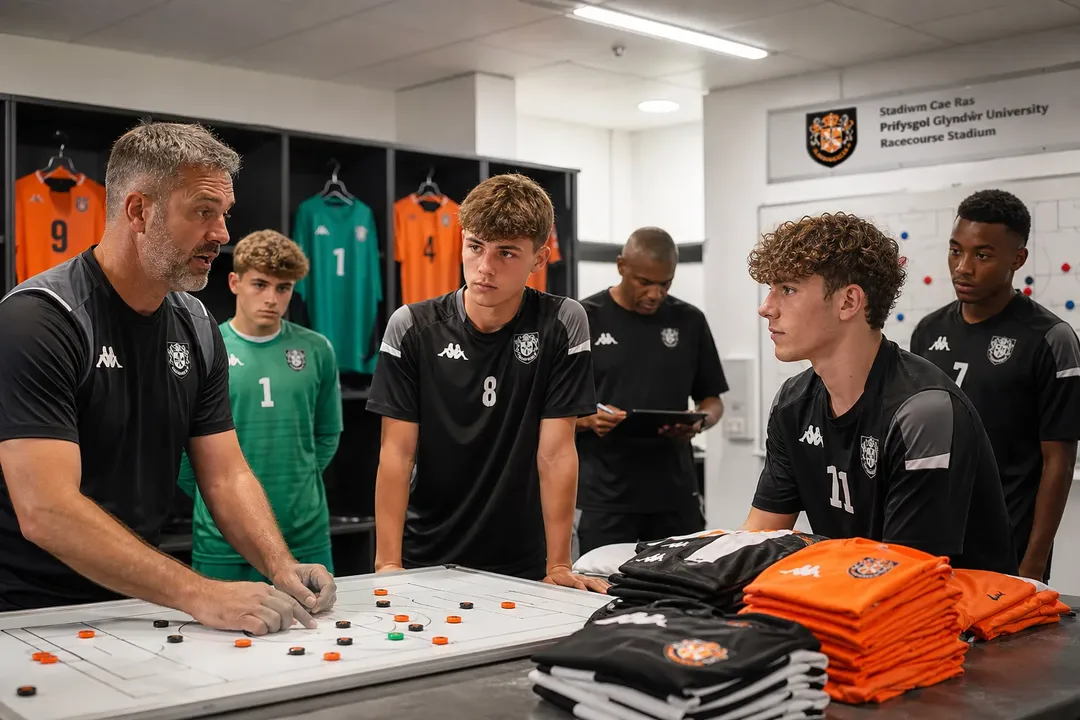
Bronze Match Lineup Confirmation Rotation Choices and Young Players
The bronze match lineup will not be fully confirmed until the semifinal results are official. Until then, Miami planning depends on live variables such as participants, squads, rotation choices and coach decisions.
The bronze match in Miami on July 18 is now one of the clearest fixed points in the remaining tournament calendar, but the lineup story around it is still a live file. The confirmed sequence is straightforward: the second semifinal is scheduled for July 15, the bronze match follows in Miami on July 18, and the final is set for New York New Jersey on July 19. What is not yet confirmed is just as important for fans and planners: the bronze match participants, starting elevens, squad rotation patterns and any young players who may be trusted with meaningful minutes.
Text Karpo before you lock in your Miami plan. Once the bronze match teams are confirmed, Karpo can help you shape a personalized route, viewing plan, food stop list or match-day schedule based on where you are staying, how early you want to arrive and whether you are traveling from Atlanta, Miami or New York.
What Is Fixed Before Miami
The fixed schedule gives supporters a reliable planning spine, even while the football details remain pending. The next confirmed step is the second semifinal on July 15. After that result is official, the bronze match field in Miami on July 18 will be complete, followed by the final in New York New Jersey on July 19. Those dates are the stable information fans can use now without guessing.
Everything beyond that must be treated as a live variable. The bronze match cannot have confirmed participants until the relevant semifinal outcomes are known, and the lineups cannot be confirmed until teams release them on match day through official channels. Any current claim naming bronze match starters, tactical changes or young players guaranteed to appear would be speculation, not verified information.
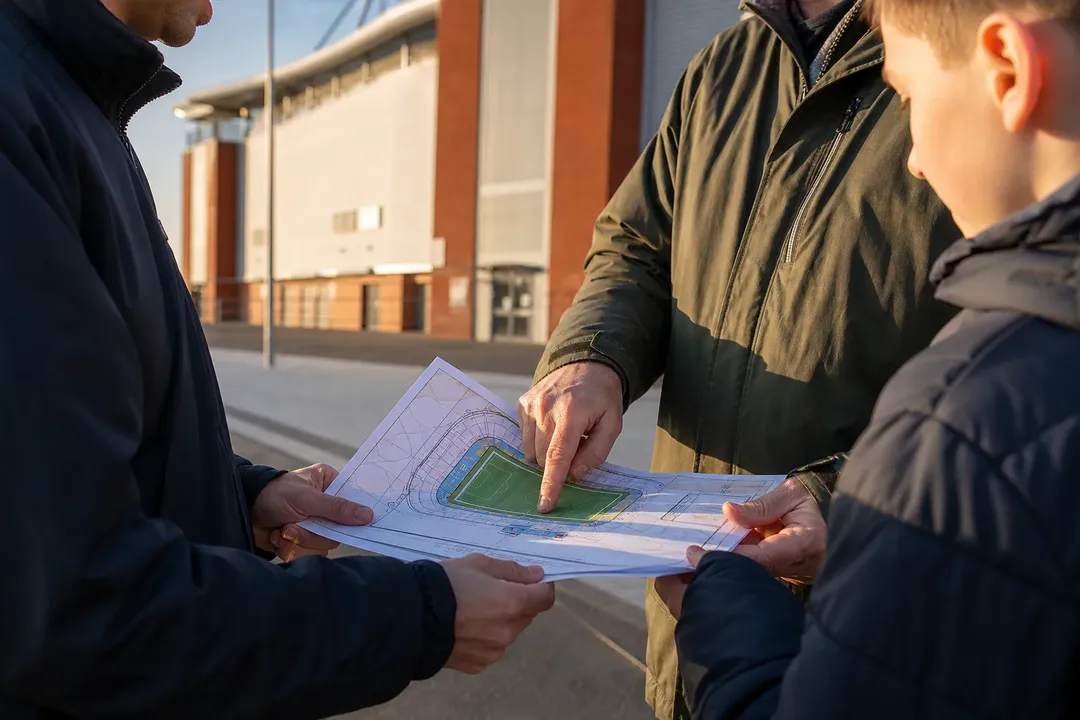
Why Bronze Match Lineups Are Different
A bronze match often creates a different selection conversation from a semifinal or final because the competitive emotion changes quickly. Teams are coming out of a semifinal loss, managing physical fatigue and trying to close the tournament with dignity. That can open the door to lineup adjustments, but it does not automatically mean wholesale rotation or youth selection will happen.
Coaches may balance experience, recovery and opportunity in several ways. Some may keep a strong core together to finish with authority, while others may give minutes to players who trained well but had limited tournament roles. Young players can benefit from that context, yet their involvement remains analysis until the official team sheet confirms it.
Rotation Choices To Watch
The first rotation question is recovery. Teams that played intense semifinal minutes may need to manage legs, especially in positions that demand repeated sprints, pressing or defensive coverage. Fullbacks, wide forwards and central midfielders are often watched closely in this kind of turnaround, but no specific change should be assumed before official confirmation.
The second question is emotional and tactical response. A coach may want continuity after a painful defeat, or may decide that fresh energy is the best way to reset the group. Supporters should watch for whether the bronze match side is built around senior leadership, tournament fringe players, emerging prospects or a blended structure designed to respect both performance and development.
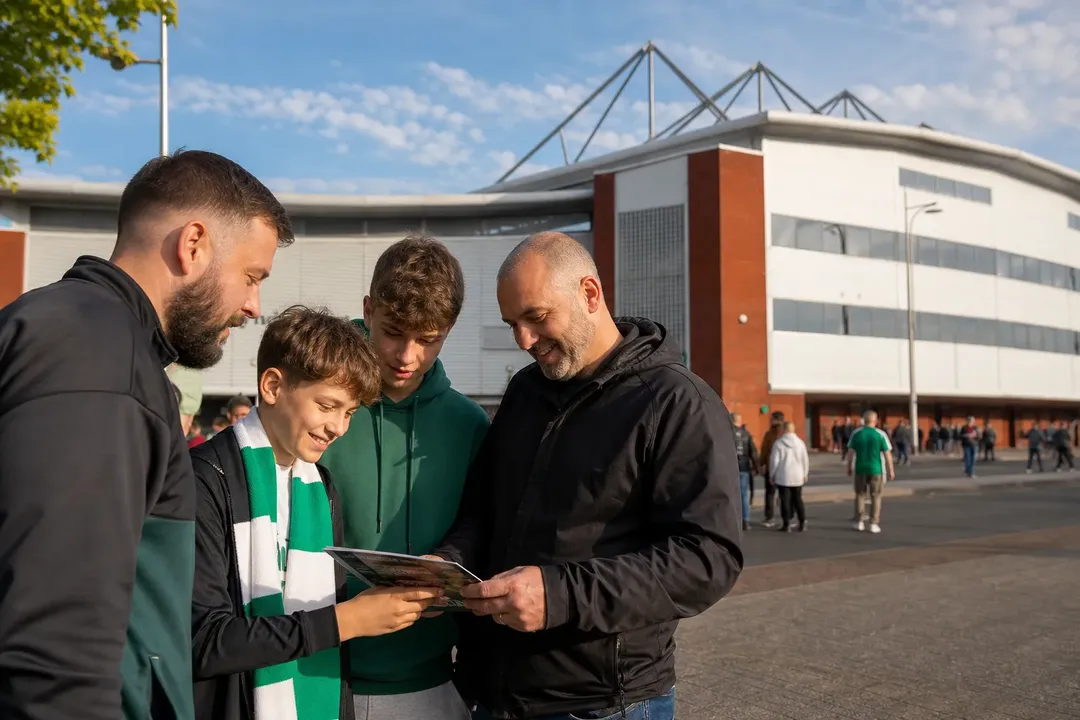
Young Players And The Opportunity Window
Young players can become one of the most interesting stories of a bronze match because the setting may offer high-level pressure without the same stakes as a final. For a coach, giving a younger player minutes can test composure, tactical discipline and adaptability against elite opposition. Still, opportunity is not entitlement, and selection depends on training, availability and tactical fit.
Fans should separate a realistic opportunity window from a confirmed plan. A young substitute warming up, a player praised in general discussion or a prior appearance earlier in the tournament does not confirm a start in Miami. The only reliable checkpoint is the official lineup release, followed by the match itself for actual appearances and roles.
Atlanta, Miami And New York Planning Context
Atlanta, Miami and New York now sit in different parts of the planning picture. Atlanta remains relevant for travelers and supporters moving between tournament cities, Miami is the fixed bronze match host on July 18, and New York New Jersey is the confirmed final destination on July 19. The schedule is fixed, but individual fan decisions depend on who qualifies for each match.
For Miami, the smartest approach is to plan around the confirmed date while staying flexible on team-specific choices. Do not assume fan zones, viewing demand, restaurant timing or travel pressure based on an unconfirmed matchup. Once the second semifinal is complete and the bronze match participants are official, fans can update plans around supporter interest, kickoff routines and preferred neighborhood flow.
How To Verify The Live Variables
The cleanest way to verify the bronze match picture is to separate schedule facts from match-day facts. The schedule sequence can be checked through FIFA’s official World Cup 26 schedule and tournament hub. Participants become official only after semifinal results are confirmed, while lineups become official only when the teams release their match-day selections.
Until those updates arrive, treat predicted lineups as analysis rather than certainty. Responsible coverage can discuss likely rotation logic, possible youth opportunities and coaching incentives, but it should not invent starters, injuries, cards, statistics or team news. The key phrase for the next phase is simple: Miami is fixed, but the football details are pending.
Tags: #WorldCup2026
Sources consulted: FIFA World Cup 26 schedule and results · FIFA World Cup 26 tournament hub
All trademarks are the property of their respective owners.
Ask Karpo First
Ask Karpo to build your Miami bronze match plan once the teams are confirmed, including your route, viewing option, food stops and timing from your exact starting point.
Ask Karpo for more information.
Keep reading
- Haaland Has Seven Goals and Norway Runs Entirely Through Him
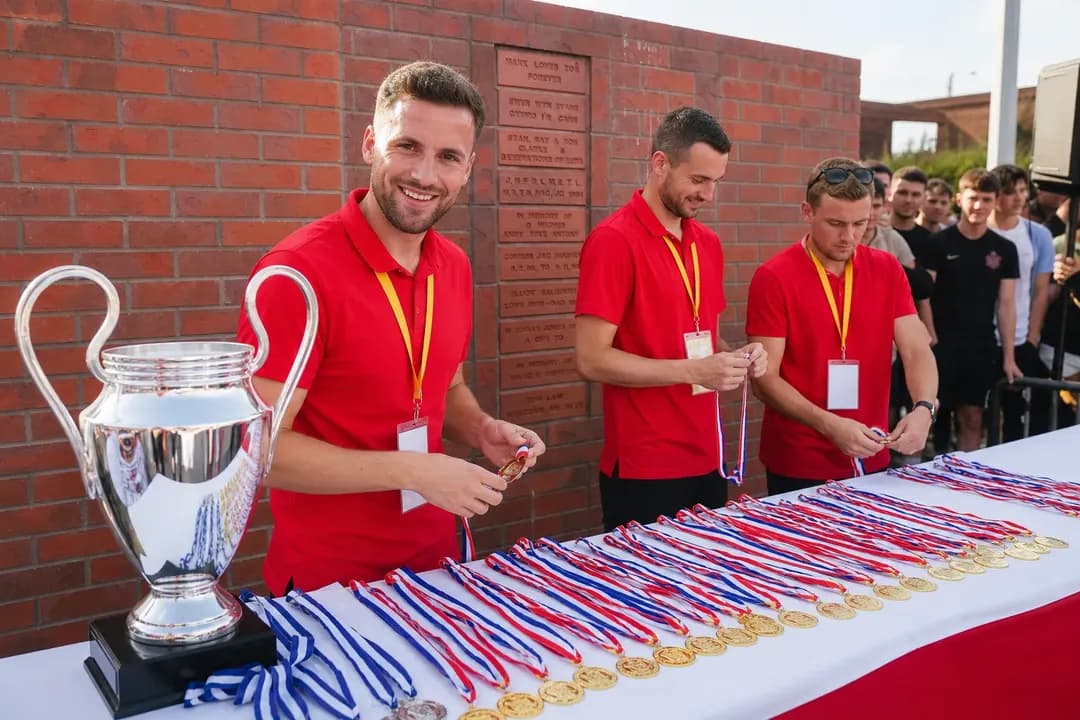 World Cup Trophy Ceremony Timing Medals and Postmatch Celebrations
 Olise and France's Attack: The Semifinal Tactical Question