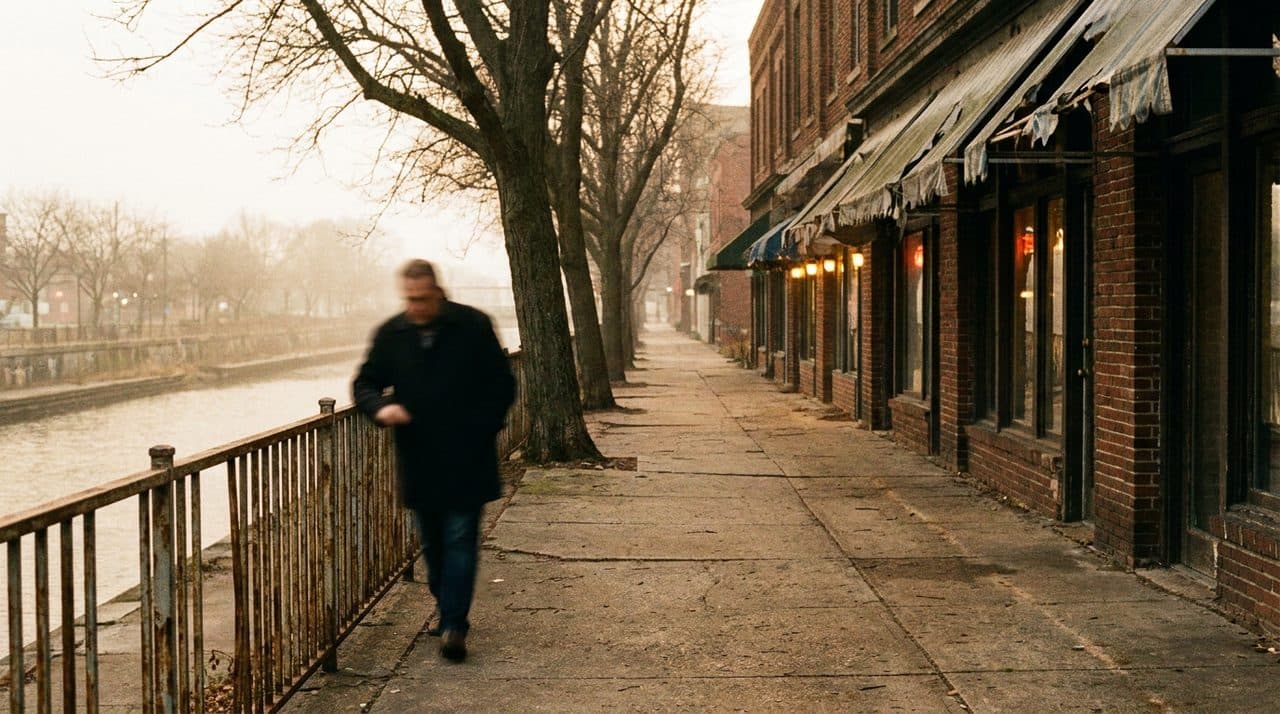
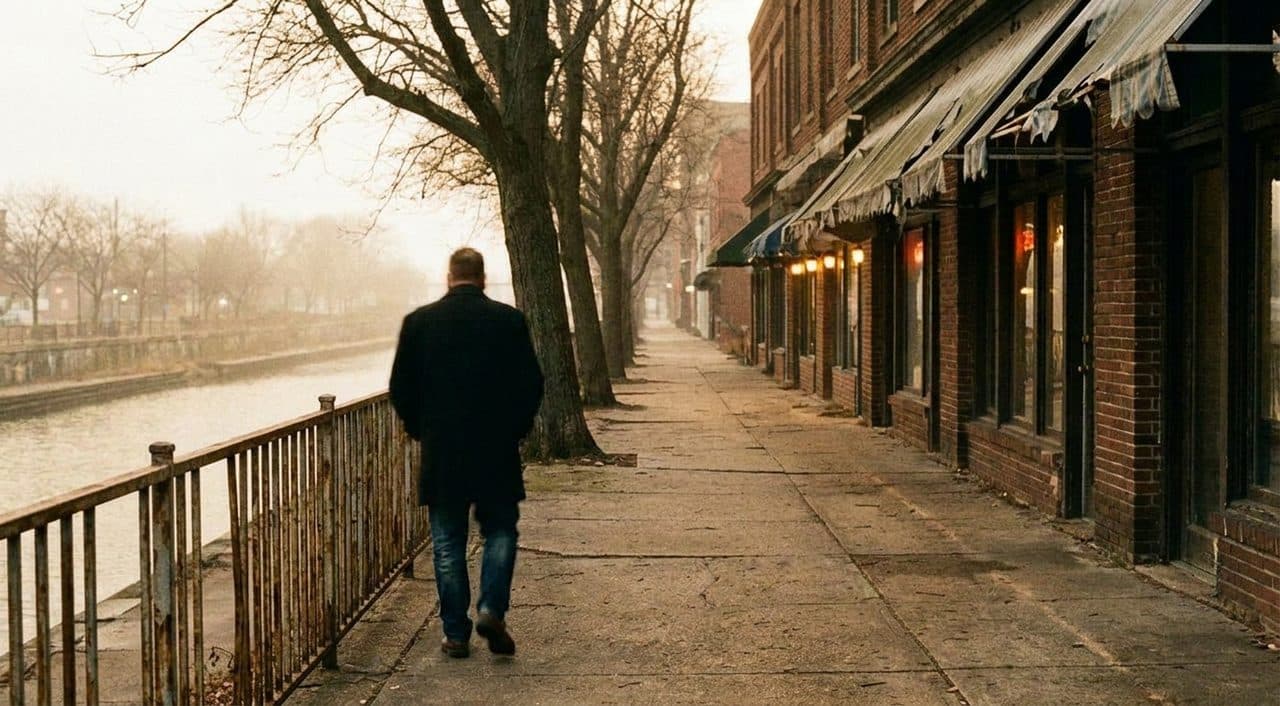
You know how Brazilians handle heat? They don't fight it with air conditioning and iced coffee runs—they architect their entire day around shade, breeze, and the understanding that movement generates its own weather. This Gowanus walk takes that logic and applies it to a neighborhood most people still think is just a canal and some warehouses, right when the summer concrete starts radiating back at you.
The Setup Happens Before You Even Leave
Start at the Third Avenue edge where Gowanus bleeds into Park Slope, late morning when the Brazilian cafés along the commercial strip are hitting their second-wind service rhythm. You're not looking for the trendy spots with lines—you want the tiled-floor places where the pastry case has been running since dawn and the air smells like sweet condensed milk and espresso pulled tight. The ceiling fans here move slow, almost decorative, because the real cooling comes from the high ceilings and the fact that the front door props open to create a cross-breeze with the back kitchen. Order something cold and milky, drink half, and pocket a wrapped pão de queijo for later. The walk works better with a prop.
Where the Industrial Shade Actually Lives
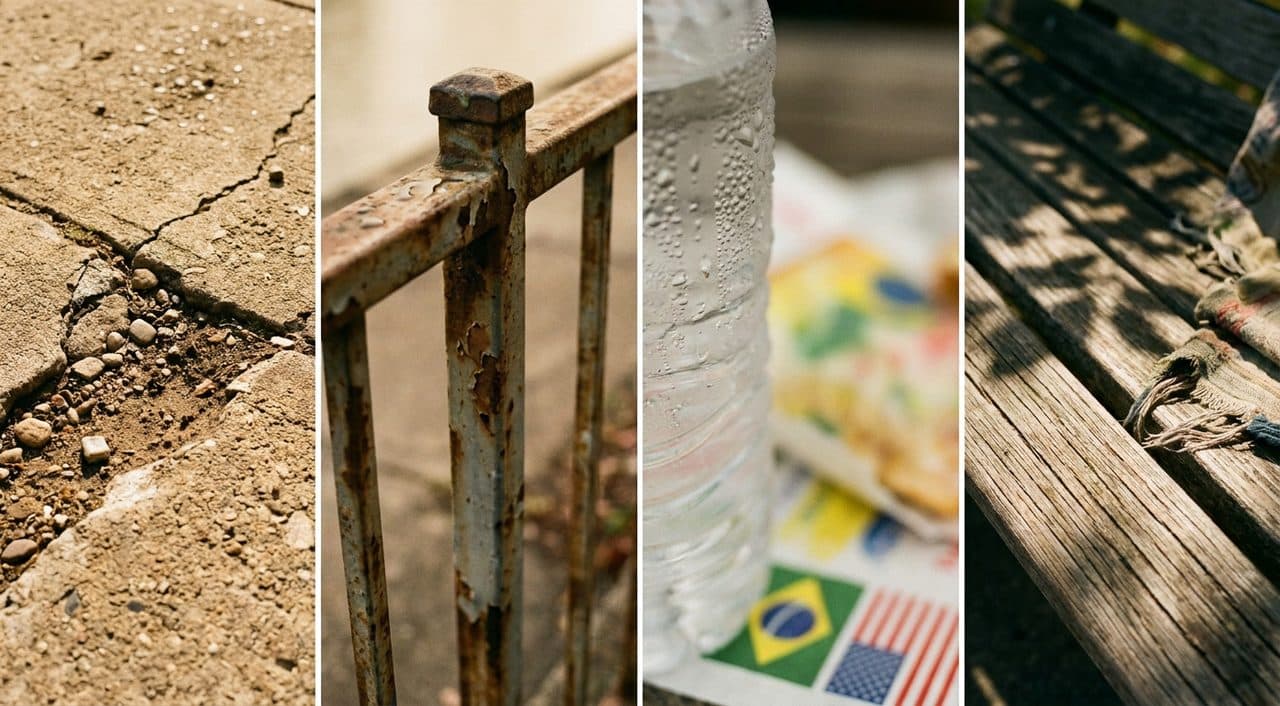
Head toward the canal but take the side streets, not the main drags. The magic of this neighborhood's heat management is entirely accidental—all those converted warehouses and storage facilities created these narrow passages where buildings lean in close enough that by eleven in the morning you're walking through corridors of shade that'll last until three. The brick here holds cold from the night before, and you'll feel the temperature drop five degrees as soon as you step between buildings. Pay attention to the loading dock alcoves, the recessed doorways where metal shutters create little wind tunnels. This is where the delivery guys and studio assistants take their breaks, backs pressed against cool corrugated steel, and they're not standing there by accident.
The Canal Moment Everyone Gets Wrong
Everyone walks right up to the railing at the Carroll Street bridge, stares at the water for ninety seconds, takes a photo, and leaves. That's the tourist version. The local move is to approach from the south side where a thin strip of new-ish park runs along the water, but instead of stopping at the overlook, you keep walking to where the path dips below street level. Down there, the canal smell is different—less sewage-historic, more salt-and-mineral, almost tidal. There's a specific bench, green paint peeling, that sits in permanent shade from an overhanging maple that somehow thrives in this post-industrial soil. You'll see the same two or three people here every weekend, doing absolutely nothing, and that nothing is the point. The water moves slower than you think. The light on it around noon goes flat and metallic. Stay longer than feels normal.
The Soccer Logic Cuts Through Everything
When there's a match on—doesn't matter which teams, doesn't matter the tournament—the whole rhythm of the neighborhood shifts. The Brazilian spots that were quiet during your morning stop are suddenly vibrating, literally vibrating, with sound systems that were hidden until someone flipped a switch. You can navigate by audio alone: follow the commentary echoing off brick, the sudden collective groan that means someone missed, the horn blasts that mean someone didn't. The heat inside these places is different from outside heat—it's body heat, celebration heat, the kind that makes the windows fog even in summer. But here's the thing: the energy is so high that you don't notice you're sweating until you step back outside and the ambient ninety degrees feels cool by comparison. The matchup becomes the memory, but the walk afterward, when your body's still buzzing and the neighborhood's returning to its regular frequency, that's what you'll actually remember.
The Studio Openings Nobody Advertises
The warehouse conversions along Second Avenue aren't just residential—they're working studios, and on summer weekends, a handful of them prop their industrial doors open to let air move through. You're not crashing anything; this is the informal open-studio culture that happens when it's too hot to work and too expensive to cool these massive spaces. Glassblowers, metal fabricators, painters working at a scale that requires ceiling hoists. The heat from a glass furnace in July sounds insane until you understand that the artists here have already made peace with temperature—they're just redistributing it, channeling it, working with it instead of against it. The concrete floors stay cool. The shade inside goes deep and blue. You can walk through, nod, keep moving. No one expects you to buy anything or even comment. The open door is the invitation.
Where the Route Doubles Back on Itself
The final stretch takes you back toward Third Avenue but on a parallel track, through the residential blocks where rowhouses have stoops just deep enough to create shade pockets. This is where you see the real heat-survival tactics: oscillating fans in open windows, kiddie pools on patios, someone's grandmother in a folding chair positioned exactly where the building shadow will be for the next two hours. The sidewalk trees here are older, thick enough that their canopy actually does something. You're walking under a patchwork of light and dark, temperature shifting every few steps. By the time you're back where you started, the café from the morning is winding down, the lunch crowd thinning, and the whole neighborhood is entering that early-afternoon suspension where everyone who can be inside is inside, and everyone outside has a specific reason for being there.
Practical Notes
The walk covers roughly two miles and takes anywhere from ninety minutes to three hours depending on how many times you stop. Weekends offer the best studio-door and café energy, especially when there's a match drawing crowds. The canal path is accessible year-round but genuinely pleasant only in the shoulder seasons and summer mornings. Public transit access is straightforward via the F, G, and R trains—choose your entry point based on which direction you want to walk. No reservations needed for anything on this route; the whole point is ambient discovery. Bring water, wear a hat if you burn easily, and don't expect pristine infrastructure—this is still Gowanus, which means you're walking through a neighborhood mid-transformation, all the interesting friction that comes with it still visible.
Tags: #TheLongWayHome #GowanusWalking #BrooklynHeatLogic #CanalCulture #IndustrialShade #NeighborhoodRhythm #SoccerDiaspora #StudioCrawl #NewYorkSummer #WalkingCulture #BrazilianBrooklyn #UrbanCooling #PostIndustrialPeace #GowanusNYC #CityDiscovery
Sources consulted: timeout.com · atlasobscura.com · nycgo.com
All trademarks are the property of their respective owners.


