The industrial blueberry supply chain, with its packing houses and multi-state distribution networks, becomes a liability the moment a recall notice goes out. Shoppers stare at supermarket shelves wondering which lot number matches the alert, which state the berries came from, and whether the pint in their hand is safe. That confusion is driving a late-summer surge at Los Angeles farmers markets, where the person selling you blueberries is often the same person who picked them hours earlier—and can tell you exactly which field they grew in.
Karpo tracks live vendor schedules and lot-verification practices at both Santa Monica and Hollywood farmers markets, so you know which growers offer same-day harvest details before you leave home.
Why direct-from-grower matters right now
When recall notices hit the news, the industrial food chain shows its weak points. Berries pass through packing houses, distributors, and warehouses before reaching supermarket shelves, making it nearly impossible for a shopper to trace a specific pint back to the field where it grew. That opacity creates anxiety—and it's sending Angelenos to farmers markets in higher numbers this late summer.
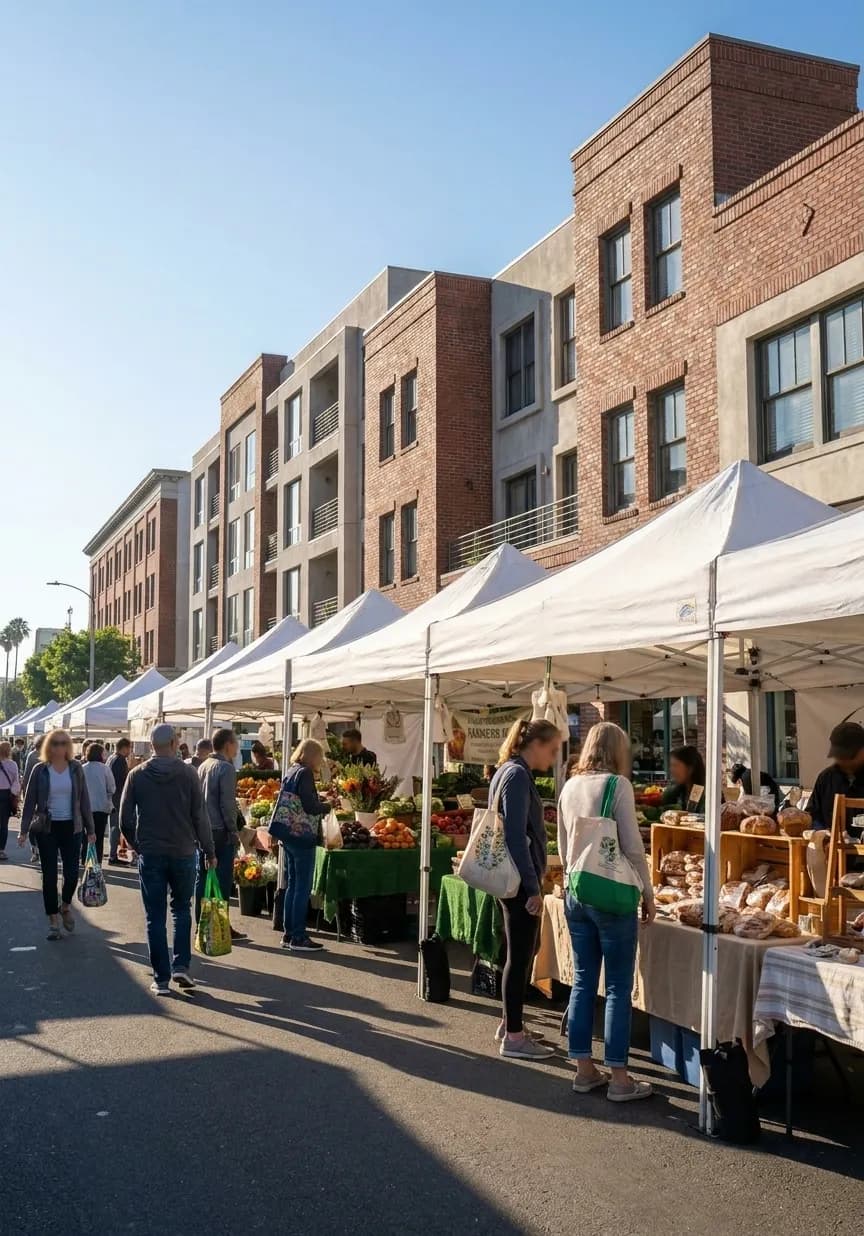
At both Santa Monica and Hollywood farmers markets, the person selling you blueberries is often the same person who picked them that morning. Ask about harvest date, field location, or organic certification, and you'll get an answer rooted in firsthand knowledge rather than a corporate hotline. That transparency isn't just reassuring—it's a fundamentally different supply chain, one where accountability lives at a human scale.
The difference shows up in practical ways. Harry's Berries, a fixture at Santa Monica's Wednesday market since the early days, knows which flat went to which customer. Amanda Iwamoto and her team track preferences, set aside varieties for regulars, and can tell you exactly when a batch was picked. If something were ever wrong, they'd know within hours, not weeks. That's the kind of traceability supermarkets can't replicate, no matter how sophisticated their barcodes.
Santa Monica's Wednesday and Saturday markets
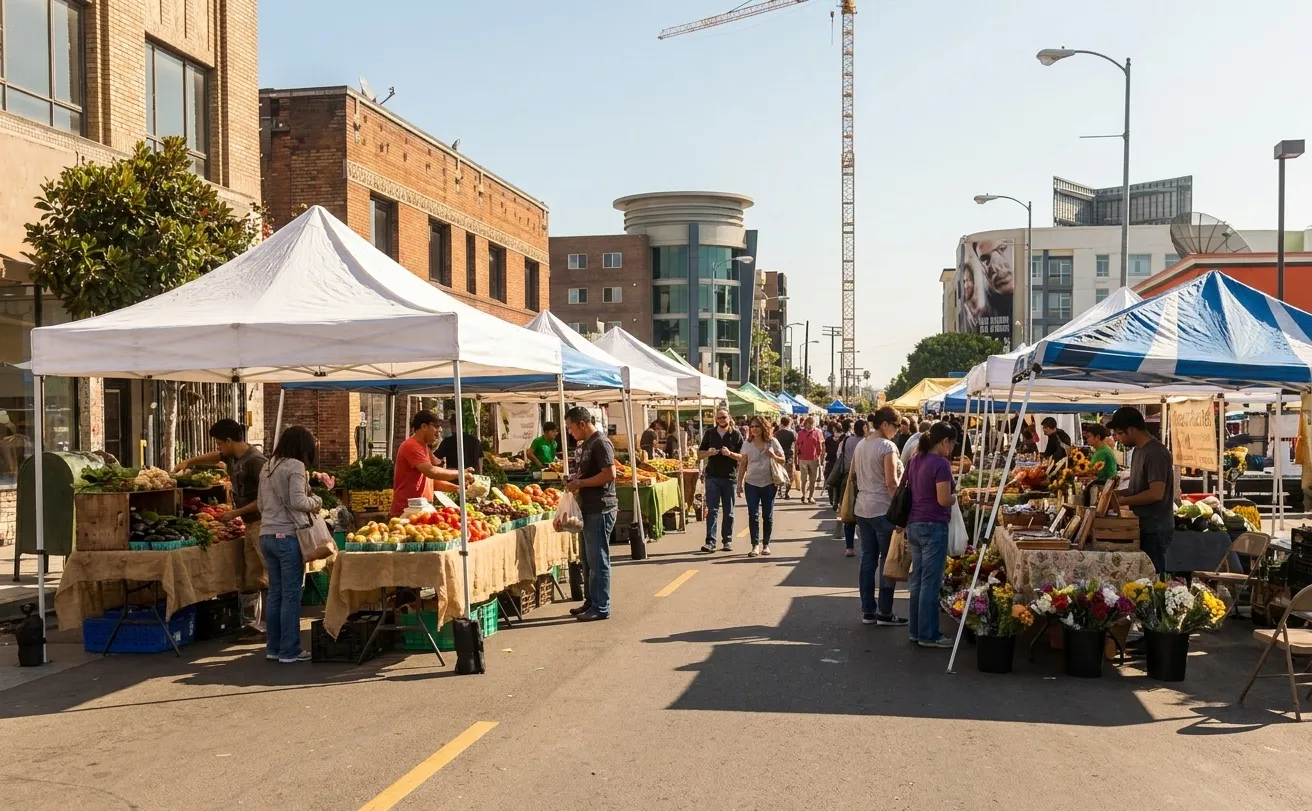
Santa Monica operates four weekly farmers markets, but the Wednesday and Saturday Downtown markets anchor the city's farm-to-table culture. The Wednesday market, established in 1981, runs year-round on Arizona Avenue between 4th and Ocean from 8:00 a.m. to 1:00 p.m., rain or shine. It's one of the largest certified farmers markets in the nation, with over sixty California farms represented and a client list that includes some of Los Angeles' best-known chefs and restaurants.
The Saturday market, launched in 1991, occupies Arizona Avenue between 4th and 2nd Streets with the same 8:00 a.m. to 1:00 p.m. window. It presents the highest percentage of certified organic growers among Santa Monica's four markets, with over forty farm stands. That concentration matters if you're seeking not just traceability but also organic certification—a second layer of verification that many shoppers prioritize after recall news breaks.
Forbidden Fruit Orchards brings seasonal blueberries, wine, and vinegar to the Wednesday market. Harry's Berries offers strawberries and jam year-round, with blueberries when in season. Both vendors accept CalFresh EBT, and the markets don't charge sales tax, offering close to a ten percent savings compared to conventional grocery. Arrive before 9:30 a.m. for the widest selection; popular vendors sell out by mid-morning, especially on Saturdays when weekend crowds converge.
Hollywood's Sunday gathering on Ivar Avenue
The Hollywood Farmers Market, founded in 1991 at the corner of Ivar and Selma Avenues, opens each Sunday from 8:00 a.m. to 1:00 p.m. with a bugle call. It's the largest farmers market in Los Angeles by vendor count, hosting over 150 farmers, producers, food vendors, and artisans. That scale brings diversity—not just in crops but in the range of farming practices and certifications represented.
Chuy Berry Farms specializes in berries. Forbidden Fruit Orchards makes a Sunday appearance with seasonal blueberries alongside their wine and vinegar. Finley Farms brings organic vegetables, and the market's sheer size means you can compare practices across multiple growers in a single visit. If one farm's blueberries are sold out or if you want to cross-reference harvest dates, you have options within a two-block radius.
The Hollywood market accepts EBT benefits, matched through the GUSNIP and LA County ARP Market Match program up to fifteen dollars per week for fresh fruits and vegetables. WIC and Senior Farmers Market Nutrition Program checks are also accepted. Validated parking is available at three nearby structures: Sunset & Vine (accessible from Morningside Court) for six dollars until 2:30 p.m., Sunset & Ivar for seven dollars until 2:00 p.m., and Arclight for three dollars per two hours. All validations come from the Food Access LA info booth on-site.
Transit riders can take the Metro B Line to Hollywood/Vine and walk two blocks, or catch bus lines 180, 2/302, 210, 217, or 222. The market also operates Zero Waste Initiatives funded by Council District 13 and Supervisorial District 3, including compost drop-off with LA Compost on Cosmo Street and a free "Take A Bag, Leave A Bag" program at the info booth for shoppers who forgot reusables.
What to ask at the stand
Farmers appreciate educated questions, but there's a balance. Asking when berries were picked, which field they came from, or whether the farm is certified organic demonstrates genuine interest and helps you make informed decisions. Haggling over price, however, undercuts the farm's viability—something vendors like Charlie Samos of Tutti Frutti Farm point out when comparing market dynamics to big-box grocery behavior.
"Every time you knock our price down, you're essentially hurting the farm," Samos told the Santa Monica Daily Press in August. "When they go to Whole Foods, they would never do that, right? And there's always rounding down anyways." The price may not always be the lowest, he acknowledges, but "you get what you pay for." That premium reflects not just quality but also the cost of small-scale, often organic production—and the traceability that comes with it.
Respecting the line, offering exact change, and resisting the urge to swipe your own samples all qualify as gold-star behavior. Self-serve sampling violates California food safety law and costs farmers real money. At a market the size of Santa Monica's Wednesday event, giving away a hundred strawberries equals a whole flat—$128 in lost revenue, according to Amanda Iwamoto. Vendors want you to sample because they carry different varieties, but they need to control the process to stay viable.
Seasonal rhythm and storage logic
Late August in Southern California sits at the tail end of peak blueberry season for many local farms, though some varieties and microclimates extend the harvest into early fall. If a vendor is sold out of blueberries by the time you arrive, ask when they'll have the next harvest—or whether they recommend a neighboring stand. Farmers know each other's offerings and will often direct you to a colleague rather than lose your business entirely.
The selection at any farmers market shifts as the growing season progresses. Early season brings cool-weather crops; peak summer delivers the widest variety of stone fruits, berries, and vegetables; fall transitions toward storage crops, apples, pears, and preserves. That rhythm is something you feel at a farmers market in a way you never do in a supermarket, where blueberries appear year-round regardless of local growing conditions. The seasonal constraint is a feature, not a bug—it's what keeps farms focused on varieties that thrive in their specific soil and climate, rather than chasing global supply chains.
Practical notes
Santa Monica's Wednesday and Saturday Downtown markets run 8:00 a.m. to 1:00 p.m. year-round at 155–199 Arizona Avenue (Wednesday between 4th and Ocean, Saturday between 4th and 2nd). Hollywood Farmers Market operates Sundays 8:00 a.m. to 1:00 p.m. at 1600 Ivar Avenue, corner of Ivar and Selma. All three markets accept CalFresh EBT, and no sales tax applies. Bring reusable bags; Hollywood offers a free bag-exchange program at the info booth if you forget. Arrive before 9:30 a.m. for best selection. Validated parking at Hollywood costs $3–$7 depending on structure; Santa Monica has metered street parking and nearby lots. Metro B Line to Hollywood/Vine puts you two blocks from the Sunday market. Both cities may close markets on select holidays or for extreme weather, so verify schedules on market day.
Tags: #BlueberryRecall #FarmersMarketLA #SantaMonicaFarmersMarket #HollywoodFarmersMarket #FoodSafety #DirectFromGrower #OrganicBerries #WeekendPlans #LosAngelesFarmersMarkets #HarrysBerries #ForbiddenFruitOrchards #CertifiedOrganic #FarmToTable #LAFoodScene #TraceabilityMatters
All trademarks are the property of their respective owners.
Ask Karpo first
Need to know which Santa Monica or Hollywood market vendors are set up this weekend, or whether Harry's Berries will have your preferred strawberry variety alongside their blueberries? Ask Karpo in iMessage for real-time vendor lineups, lot-verification practices, and validated parking details before you head out—so you can shop with confidence and skip the guesswork.