Two of San Francisco's most trusted grocery names moved quickly when federal regulators announced a multi-state blueberry recall in mid-August 2026. Rainbow Grocery Cooperative in SoMa and Bi-Rite Market in the Mission pulled potentially contaminated berries from shelves within hours, but the response revealed how differently a worker-owned co-op and a farm-focused independent grocer handle food safety crises. Both stores now offer detailed batch tracking and liberal return policies, yet shoppers still face confusion about which products carry risk and whether their home inventory needs checking. The recall affects berries processed between June and early August at specific West Coast facilities, but the stamped codes identifying problem batches remain difficult for most consumers to locate and interpret.
Karpo tracks real-time product recalls and store responses across San Francisco, so you know exactly which batches to check and where local grocers stand on safety.
What triggered the recall
Federal regulators issued a widespread blueberry recall in August 2026 after routine testing detected potential contamination in berries distributed across multiple states. The recall affects both fresh and frozen blueberries processed at specific facilities between June and early August. While the investigation continues, the precautionary removal targets batches that may carry risk of foodborne illness, particularly for vulnerable populations including children and older adults.
San Francisco grocers received notification through their distribution networks within 48 hours of the federal announcement. The contamination concern centers on berries that moved through regional processing hubs serving West Coast retailers. Unlike single-farm recalls that can be traced to one source, this situation involves berries from multiple growing regions that passed through the same packing facilities, complicating the identification process for consumers checking their home inventory.
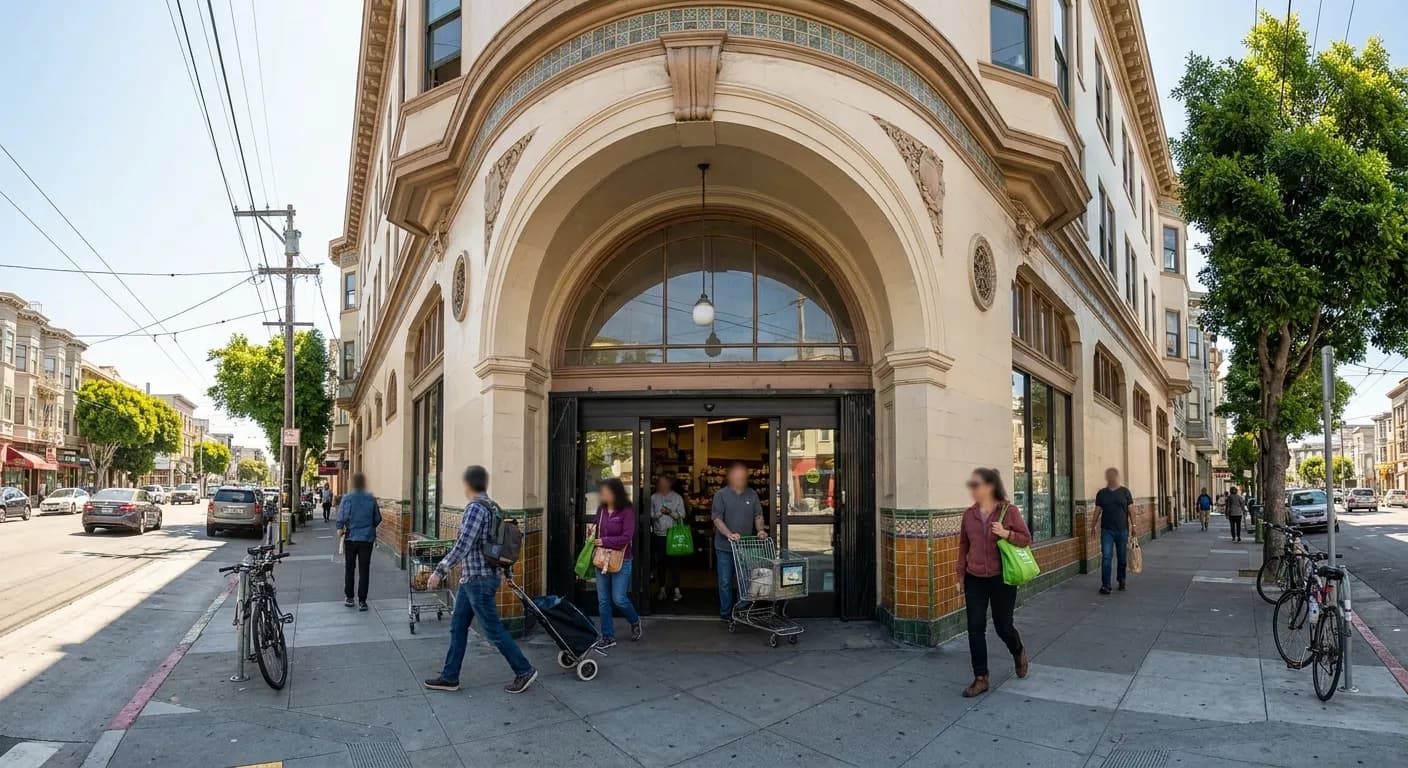
Rainbow Grocery at 1745 Folsom Street responded immediately by pulling all potentially affected blueberry products from its bulk and packaged sections. The worker-owned cooperative's decentralized structure meant that department collectives coordinated the removal across produce, bulk, and frozen sections simultaneously. By the morning after notification, the store had cleared shelves and posted detailed lot information at checkout stations and near the 13th Street entrance where most foot traffic enters from the parking garage.
Which products SF stores removed
Rainbow Grocery removed fresh blueberries sold in bulk between July 15 and August 10, along with several organic frozen blueberry brands that source from the implicated facilities. The store's bulk section, which typically allows customers to fill their own containers and receive five cents off per reused container, saw complete clearance of loose blueberries. Packaged organic pints from two regional suppliers also came off shelves, representing roughly 15 percent of the store's typical blueberry inventory during peak season.
Bi-Rite Market, with locations in the Mission, Divisadero, and Noe Valley, took a broader approach by temporarily suspending all blueberry sales until farm-by-farm verification could be completed. The grocer's relationship with 25+ local farm partners allowed staff to contact suppliers directly and confirm which farms had no connection to the affected processing facilities. By August 24, Bi-Rite had restored blueberries from six verified-safe farms to its shelves, each labeled with farm name and harvest date.
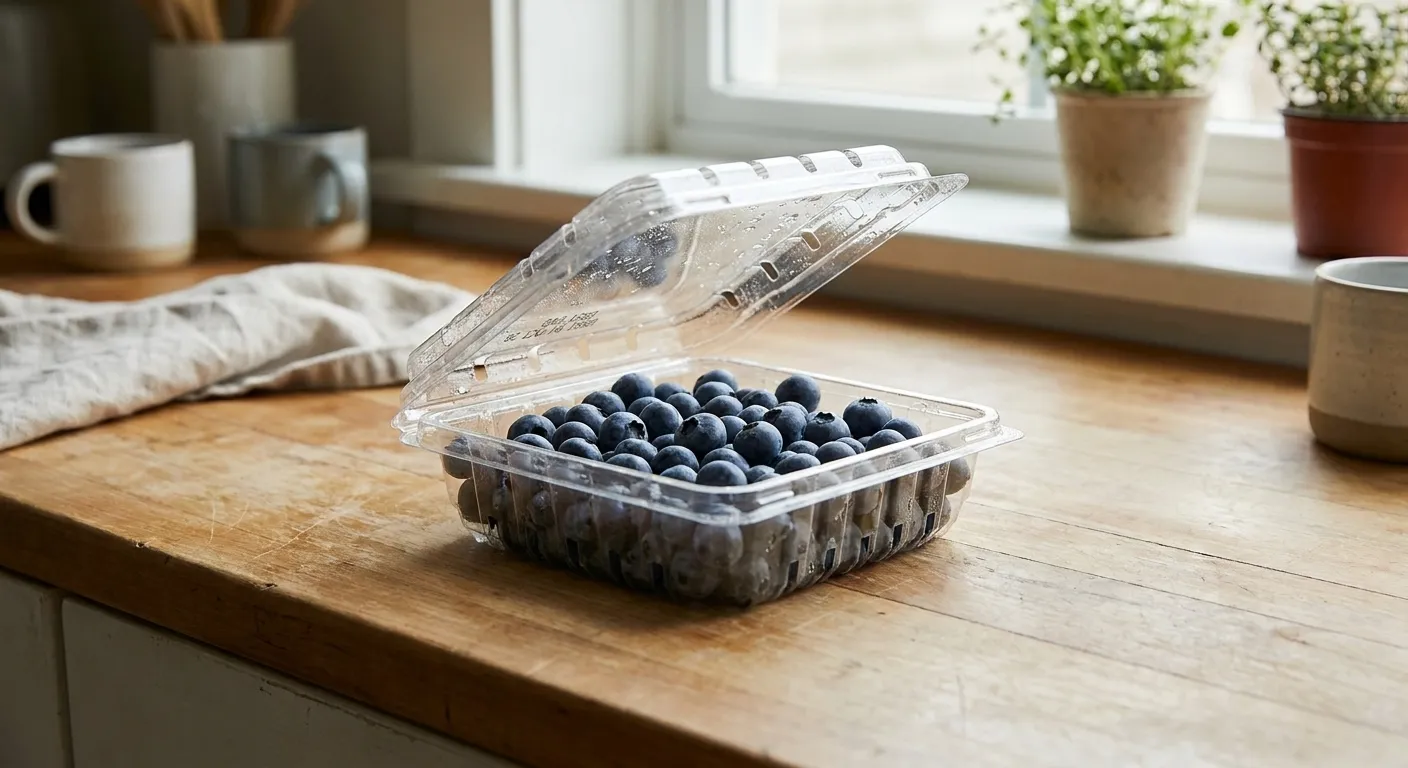
The recall specifically targets berries packed in clamshell containers with Julian date codes between 196 and 220, corresponding to mid-July through early August harvest dates. Frozen products carry lot numbers beginning with the prefix 'WC26' followed by facility codes. Both stores posted enlarged photos of the packaging codes at customer service desks and cash registers, though many shoppers still needed staff assistance to locate the tiny stamped numbers on plastic containers.
How to check products at home
Blueberries purchased from San Francisco grocers in the past six weeks should be checked against recall batch numbers before consumption. Fresh berries typically carry a small sticker or stamped code on the bottom or side of plastic clamshells. The Julian date appears as a three-digit number representing the day of the year—for instance, 210 indicates July 29. If the container lacks visible coding or the numbers have worn off, the safest approach is to discard the berries or return them to the purchase location for a refund.
Frozen blueberries require checking the bag's back panel for a lot code, usually printed near the nutritional information or bottom seal. The relevant codes begin with 'WC26' and include a facility identifier. Bags without this prefix are not part of the recall. Both Rainbow Grocery and Bi-Rite accept returns of recalled items without receipts, asking only that customers provide an approximate purchase date to help track inventory movement.
Products made with blueberries as an ingredient present a trickier situation. Bi-Rite's housemade items, including its Blueberry Morning ice cream that combines Triple Delight blueberry jam and house-baked blueberry muffins with Greek yogurt, were reformulated using verified-safe berries from Dirty Girl Produce in Santa Cruz. The ice cream, available at Bi-Rite Creamery locations, now carries a small shelf tag indicating the berry source and harvest date. Rainbow Grocery's prepared foods section similarly added source tags to blueberry muffins and fruit salads.
Store policies and refund process
Rainbow Grocery extends its standard return policy to all recalled items, offering full refunds at the customer service area near the 13th and Folsom entrance. The store opens at 9 AM daily, and the morning window before 11 AM typically sees lighter traffic for returns. Seniors aged 60 and older receive an additional 10 percent discount on replacement purchases, a policy that stacks with the existing everyday senior discount. NOBAWC members and Helping Hands cardholders also maintain their 10 percent discount when buying alternative berry options.
Bi-Rite processes recall returns at any register in its three market locations. The Mission store at 3639 18th Street, open daily, handles the highest volume of returns given its proximity to residential neighborhoods. Staff report that most customers bringing back recalled berries purchase replacements from the verified-safe inventory, often choosing strawberries or raspberries from the same farms now supplying blueberries. The store's online ordering system at biritemarket.com temporarily removed all blueberry products during the initial recall period but has since restored items with confirmed safe sourcing.
Both grocers emphasize that returns are accepted regardless of how much of the package has been consumed. Customers who ate some berries before learning of the recall can still return partial containers. Neither store requires the original packaging if the purchase was made from bulk sections, though providing an approximate date helps staff identify which lots moved through the store during the affected period. The cooperative structure at Rainbow means that worker-owners in each department have authority to process returns immediately without manager approval.
Alternative berry sources in SF
Shoppers looking for recall-free blueberries can find verified options at both stores, though selection remains tighter than typical late-summer availability. Bi-Rite's farm-direct relationships provide the clearest path to traceable berries, with current inventory sourced from Dirty Girl Produce, Full Belly Farm, and four other growers who process and pack on-site rather than using regional hubs. These berries cost between $6.99 and $8.99 per pint, slightly higher than pre-recall prices due to limited supply and increased demand for verified sources.
Rainbow Grocery has resumed limited blueberry sales from certified organic farms that maintain independent processing facilities. The produce section now displays a small map showing farm locations and processing methods, an unusual level of transparency that reflects member-owner concerns about supply chain visibility. Bulk blueberries have not yet returned, as the store's bulk suppliers typically aggregate from multiple farms, making verification more complex.
The Ferry Plaza Farmers Market on Saturdays offers another option for shoppers willing to buy directly from growers. Several berry farms from Sonoma and Santa Cruz counties sell at the market, and vendors can provide immediate information about their processing methods and facility locations. This direct-sale model eliminates the intermediary steps where contamination risk increases, though prices reflect the premium for face-to-face traceability and smaller-scale production.
Practical notes
Rainbow Grocery at 1745 Folsom Street is open 9 AM to 9 PM daily except holidays, with free two-hour parking in the garage at the 13th Street entrance. The 12 Folsom and 27 Bryant Muni lines stop within two blocks. Bi-Rite's Mission market at 3639 18th Street keeps the same daily hours and is accessible via the 22 Fillmore and 33 Ashbury lines. Both stores post updated recall information near entrances and at customer service areas. For specific lot-number verification, bring packaging to the customer service desk rather than attempting to decode stamps yourself—staff have access to complete recall lists and can confirm status immediately. Current wait times for returns average under five minutes at both locations during mid-morning hours.
Tags: #BlueberryRecall #SanFranciscoGrocery #FoodSafety #RainbowGrocery #BiRiteMarket #MissionDistrict #SoMaShopping #RecallAlert #GrocerySafety #LocalFood #SF2026 #ConsumerProtection #FoodTraceability #WorkerOwned #OrganicProduce
All trademarks are the property of their respective owners.
Ask Karpo first
Need to verify whether a specific product batch is affected, or looking for alternative blueberry sources that aren't part of the recall? Ask me which SF markets have confirmed safe inventory, what the recall timeline looks like for your neighborhood, or where to find locally grown berries with full farm traceability. I'll check current stock status and give you the most direct route to recall-free shopping.