 Where to Eat Near Penn Station That Isn't a Chain
US Open 2026

Best US Open Practice Courts for Seeing Top Players
Use Fan Week as a flexible scouting trip: check official schedules, arrive early for key courts, and build backup plans around qualifying and practice changes.
Seeing a top player practice at the US Open can be one of the best Fan Week moments because it often feels closer, looser, and more spontaneous than a stadium match. The trick is to treat practice watching as a flexible plan, not a reservation. For 2026, the confirmed planning window is clear: US Open Fan Week runs August 23-30, before the main draw begins August 30. During that period, fans should use the official US Open schedule, event information, and visit guidance to decide when to enter the grounds, where to queue, and how to pivot when a player changes courts or cancels a hit. The goal is not to chase one name blindly. It is to create a route that gives you repeated chances at good viewing while still enjoying qualifying, open courts, food breaks, and the New York energy around the site.
Text Karpo Now: Tell us what matters most for Best US Open Practice Courts for, and Karpo can turn current US Open updates into a practical plan before you go.
How Fan Week Access Works
The most important confirmed fact is the date range: Fan Week is August 23-30, 2026, and it comes before the main draw begins on August 30. That makes it the key period for visitors who care about practice sessions, qualifying matches, and a lower-pressure first look at the grounds. Do not assume every day works the same way. Check the official Fan Week page, event schedule, and visit information before you travel and again before you enter, because access rules, gate procedures, special events, and court usage can vary.
Player practice information is helpful, but it is not a promise. Assignments, appearances, and orders of play can change, sometimes late, because players adjust training, recovery, weather plans, media obligations, and match preparation. That is normal at a major tournament. A smart fan reads the official schedule as a live guide, then builds a morning plan, a midday backup, and an afternoon reset. If a favorite player appears on a practice listing, arrive early and still know which nearby court or qualifying match you would watch if that session moves.
Best Practice Court Strategy
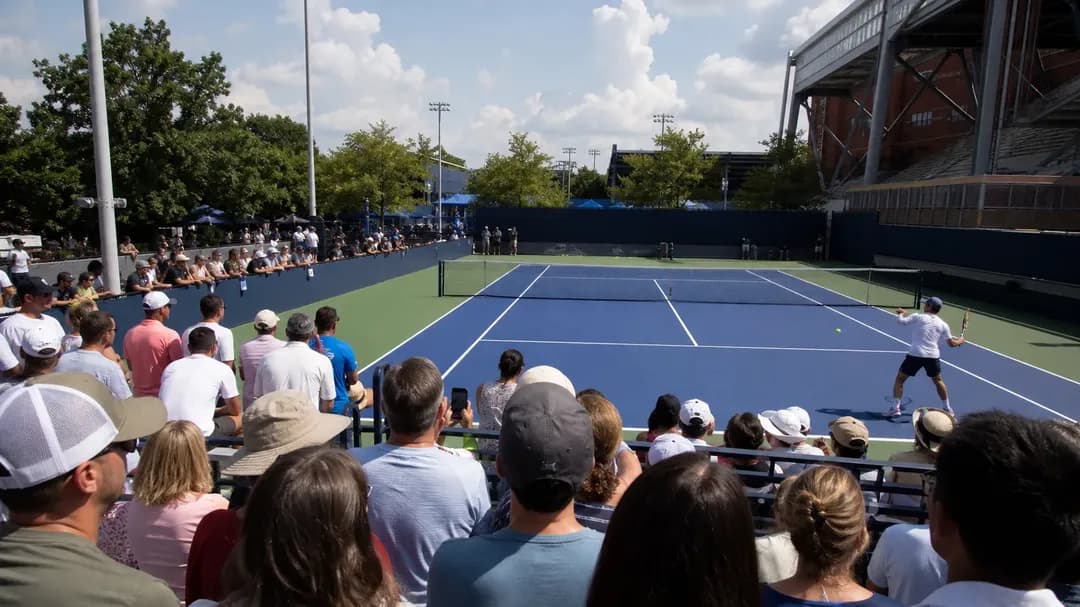
The best practice court is not always the one with the biggest name. For most fans, the best court is the one where you can actually see the ball, understand the session, and exit without losing half the day. A top player behind a packed fence can be exciting for five minutes, but a slightly less crowded court may give you a clearer view of footwork, serve rhythm, coaching conversations, and point patterns.
Dedicated practice courts usually attract the most attention when a star is listed, while outer match courts during qualifying can offer a different kind of value. You may see established tour habits up close in practice, then watch hungry players compete for main-draw opportunities nearby. That combination is the Fan Week advantage: you are not choosing only between famous names and live tennis. You can blend both, as long as you keep your route compact and avoid crossing the grounds every time a rumor spreads.
- Prioritize courts with clear sightlines over courts with only a famous name and a deep crowd.
- Stand where you can leave politely if the session changes, rather than trapping yourself at the front.
- Use nearby qualifying courts as your default backup when a practice court fills or empties.
- Watch movement patterns, not just winners; practice reveals serve targets, return positions, and comfort levels.
Timing Your Court Hops
Timing matters more than luck. Early arrival gives you the best chance to settle near a court before crowds thicken, especially if the official practice schedule lists a major name. Late morning and early afternoon can become more fluid, with fans moving between qualifying matches, food areas, and posted practice sessions. If you arrive after the first wave, do not waste energy trying to force your way into the most crowded viewing spot. Circle once, check the official information, then choose a court where you can watch comfortably.

A useful rhythm is to plan in blocks. Start with one target practice session, then choose a nearby qualifying match or court cluster as your second stop. After that, reassess instead of following the crowd automatically. The players most worth watching in practice are not only the obvious headliners. Big servers make short sessions educational because you can study toss height and location. Elite returners show split-step timing. Younger players and qualifiers often practice with high intensity because court time and momentum matter.
Weather and heat can also shape your timing, even when the official schedule is intact. New York in late August can feel tiring for visitors who spend hours standing, so pace yourself. Shade, water breaks, and shorter court hops help you stay alert enough to enjoy the afternoon. The best fan is not the person who sprints after every update; it is the person who keeps enough energy to take advantage when a good session opens unexpectedly.
Qualifying As Your Backup
Qualifying and practice reward different fan instincts. Practice is best for proximity, technique, and the thrill of catching a familiar player in a less formal setting. Qualifying is best for match tension, scoreboard pressure, and discovering players before the main draw spotlight gets brighter. During Fan Week, the strongest experience usually combines the two. Start with practice if an official listing gives you a realistic target, then shift to qualifying when you want guaranteed competitive points rather than waiting at a fence.
Do not underrate qualifying as a contingency plan. If a practice session is delayed, moved, or too crowded to enjoy, a qualifying court can rescue the day immediately. You get real match tactics: players protecting second serves, managing nerves, testing drop shots, and deciding when to attack. For tennis fans, that can be more satisfying than a distant glimpse of a famous player stretching. For New York visitors, it also reduces stress because you are still using your time well instead of treating every schedule change as a disappointment.
- Choose practice when you want close-up technique and a looser atmosphere.
- Choose qualifying when you want competitive points and a clearer beginning-to-end story.
- Switch to a match court when a practice crowd blocks sightlines or movement.
- Return to practice areas between match sets or after a completed qualifying match.
Practical Notes
A strong Fan Week plan begins the night before. Check the official event schedule and Fan Week information, then identify two or three realistic priorities rather than a full-day checklist. On the morning of your visit, check again. Once on site, let the official information and visible crowd conditions guide your choices. If a listed practice looks manageable, commit early. If it already feels congested, take a quick look, enjoy the atmosphere, and move on before you lose prime viewing time elsewhere.
For groups, agree on decision rules before entering. Some fans want autographs or photos, while others want uninterrupted tennis. Those goals can conflict near practice courts, where stopping, waiting, and moving are part of the experience. Pick a meeting point, set a time to regroup, and avoid making every person follow the most determined star-chaser. Families and first-time visitors should especially avoid overloading the day. One good practice view, one qualifying match, and a relaxed walk through the grounds can be more memorable than six rushed stops.
Before leaving your hotel or apartment, check the official Fan Week page, event schedule, and visit guidance for that day’s access details. Build your route around clusters, not single courts, so a changed practice assignment does not force a long walk. Arrive earlier for any high-interest listing, but set a cutoff time: if the view is poor after one pass, move to qualifying or another practice area. Because player assignments and orders of play can change, treat every posted time as useful but conditional until confirmed on official channels at the site.
Tags: #USOpen2026 #Tennis #GrandSlam #NewYorkTennis #ArthurAsheStadium #FlushingMeadows #USOpenGuide #TennisFans #SportsTravel #HardCourt #NewYork #KarpoFinds
Sources consulted: usopen.org — Official reference · usopen.org — Official reference · usopen.org — Official reference
All trademarks are the property of their respective owners.
Ask Karpo first
Want to know what is confirmed, when to show up, and how to make best us open practice courts for work for your day? Ask Karpo for current US Open updates, a respectful fan plan, and a live route around Flushing Meadows.
Ask Karpo for more information.
Keep reading
- Where to Eat Near Penn Station That Isn't a Chain
 Andytown Coffee in the Outer Sunset: The Snowy Plover Explained
- Best Things to Do in Chicago: What the City Gives Away