A first visit to Los Angeles almost always goes wrong the same way. Someone lists ten things spread across four hundred and seventy square miles, attempts them in three days, and spends most of the visit on the 405 concluding that the city is a disappointment. The fix is structural: choose three areas, do each properly, and accept that you will not see the rest. Done that way, Los Angeles is one of the most rewarding cities in the country.
The whole city is not seeable in a weekend and the good version is three areas done properly. Ask Karpo to build it around where you are staying.
The three-area rule
Where you stay determines which three are practical, so decide that first. Broadly: the central corridor (Hollywood, Los Feliz, Griffith Park, Koreatown), the Westside (Santa Monica, Venice, Culver City, Sawtelle), downtown and the east side (Broadway, the Arts District, Boyle Heights, Highland Park), and the coast south (Manhattan Beach through San Pedro). Pick three, and pick them adjacent.
The reason is time. Any two of these are twenty to forty minutes apart depending entirely on the hour, and crossing the county twice in a day removes several hours from it. Committing to a direction each day and staying in it is how residents use the city and it is the single most useful piece of advice for a visitor.
What is genuinely worth doing
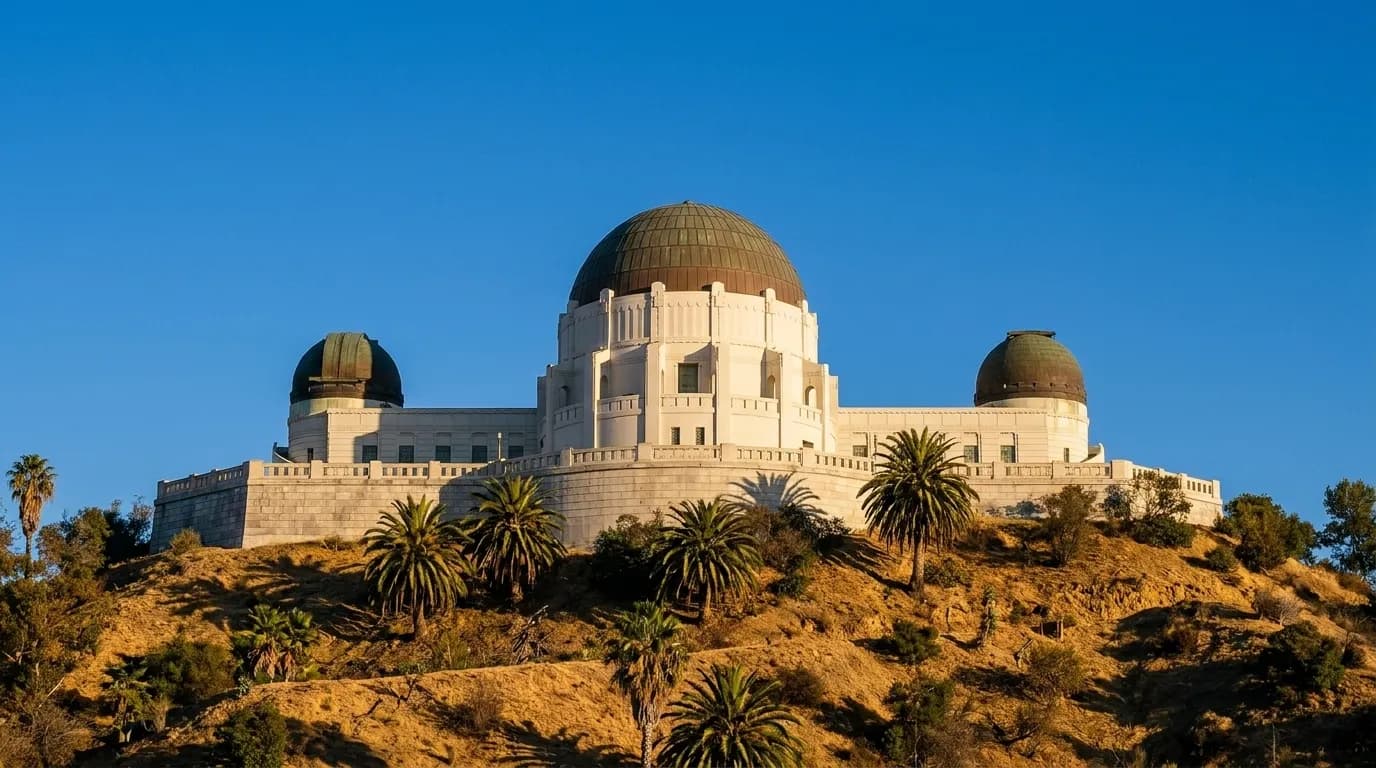
Griffith Observatory, which is free, sits on a hillside with the best view of the basin and the Hollywood Sign, and is a genuinely good science museum on top of that. Go at sunset. The Getty Center, also free to enter, for the architecture, the gardens and the view as much as for the collection. Downtown's Broadway theatre district and Union Station for the architecture. The Academy Museum for film.
Then the things that are experiences rather than sights: a Korean barbecue dinner in Koreatown, a taco stand on the east side after dark, a farmers market on a Sunday, the coastal bike path from Santa Monica south, a hike in Griffith or Runyon in the morning, and an evening at a repertory cinema. These are what the city actually is, and none of them are on a standard itinerary.
What to skip, honestly
The Hollywood Walk of Fame is a pavement with stars on it in a busy commercial street, and most visitors find twenty minutes sufficient. Universal CityWalk and the shopping-adjacent attractions are optional. Star-home bus tours are a poor use of an afternoon in a city with this much else. And Rodeo Drive is a short street of shops you can see anywhere.
The Hollywood Sign is worth seeing and not worth pursuing: the best views are free and from a distance — Griffith Observatory, Lake Hollywood Park, or the trails in Griffith Park — and the residential streets closest to it are narrow, permit-restricted and actively unwelcoming, for understandable reasons.
Eating, which is the real reason to come
Los Angeles is one of the best eating cities in the world and almost none of it is in the places visitors are sent. The essentials: tacos from a truck or stand after dark on the east side; Korean barbecue and stew in Koreatown; regional Chinese cooking in the San Gabriel Valley; Thai in Thai Town; a breakfast burrito from a taqueria counter; and a farmers market.
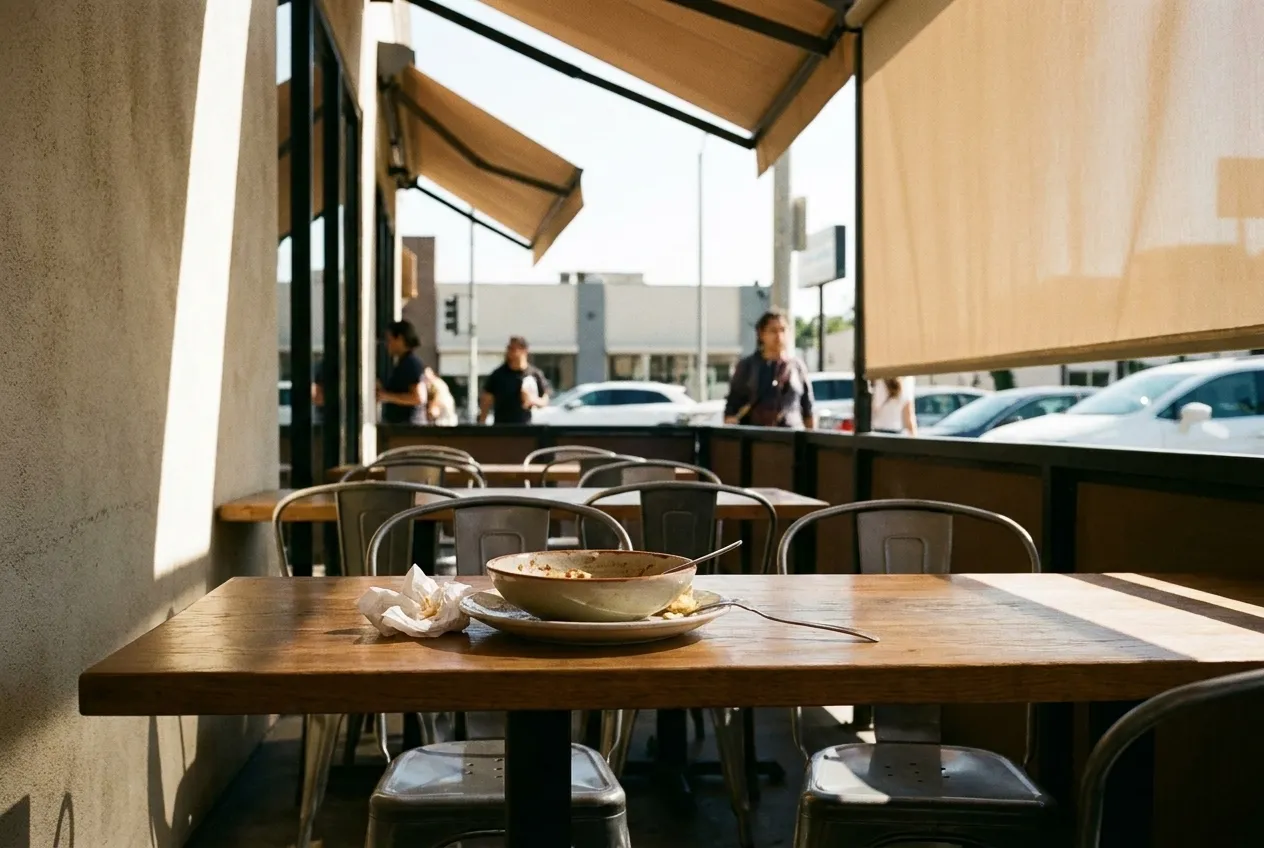
The general rule that saves visitors the most: the quality of a restaurant here is uncorrelated with the quality of the building. The best food is in strip malls, in units with pylon signs, and above or below street level in Koreatown. Somewhere that looks like a restaurant on a walkable street is usually the more expensive and less interesting option.
Where to stay, briefly
Since the whole plan depends on it, it is worth saying plainly. Staying downtown or in Hollywood or Los Feliz puts you nearest the largest number of the things above and gives you the best Metro access. Staying in Santa Monica gives you the coast and a walkable base but puts the east side an hour away in traffic. Staying in Pasadena or the Valley is cheaper and works well if you have a car and intend to use the San Gabriel Valley. Staying near the airport puts you near nothing.
The logistics
You will need a car for most itineraries, though the Metro now reaches downtown, Hollywood, Pasadena, Santa Monica, Long Beach and Exposition Park and covers a genuine share of the free museums. Traffic peaks roughly seven to ten and three to seven; outside those windows the county is fast. Parking is free and abundant in strip malls and the Valley, charged at the beaches and the Getty, valet-only in the expensive neighbourhoods, and garages downtown.
The weather is the other planning variable. Evenings are cool everywhere and genuinely cold near the coast, so bring a layer regardless of the daytime temperature. June and early July are frequently overcast at the coast all day; September and October are the clearest and warmest months of the year here.
One expectation to reset before arriving: Los Angeles does not have a single centre and does not reward being treated as though it does. There is no equivalent of walking around a European old town or a Manhattan grid. What there is instead is a series of small, distinct places with excellent food and good weather, and the visitors who enjoy it most are the ones who stop looking for the middle.
Practical notes
Pick three adjacent areas and stay in each for a day. Go to Griffith Observatory at sunset; it is free and parking is easier before six. The Getty is free to enter and charges for parking. Book anything popular for a weekday rather than a weekend. Eat where the buildings look unpromising. Carry a layer for the evening. And leave a whole day unplanned — the best thing about Los Angeles is usually the neighbourhood you did not intend to spend the afternoon in.
Tags: #LosAngeles #FirstTimeLA #ThingsToDo #GriffithObservatory #GettyCenter #DowntownLA #Koreatown #SantaMonica #SanGabrielValley #Hollywood #WeekendPlans #VisitLA #LAGuide #ExploreLA
All trademarks are the property of their respective owners.
Ask Karpo first
Want to know which three areas make sense from where you are staying, what is open, and how long each drive really takes? Ask Karpo before you plan the days.