Budget advice for this city usually consists of a list of free attractions, which misses where the money actually goes. Admission is the smallest line in a Los Angeles day. Parking at twenty dollars a stop, petrol, and the ride shares you end up taking because you underestimated a distance are what turn a free itinerary into an expensive one. The best things to do in Los Angeles cheaply are the ones that cluster, so you pay to arrive once.
Parking and driving cost more here than admission does. Ask Karpo what is worth doing near you without moving the car.
The genuinely free tier is unusually good
Several of the major museums here are permanently free, which is rare for a city of this size, and most of the others have free days or free evenings. The gardens attached to some of them are free in their own right. Between the permanently free institutions and the scheduled free days, there is a serious cultural outing available on most days of the week somewhere in the county.
The catch is reservations rather than money — free means timed entry, and weekend slots go weeks in advance. Booking a fortnight out for a free ticket feels odd and is simply how it works. A weekday is usually available within a couple of days, which is another argument for shifting a budget day off the weekend.
Beaches, hills and stairways
Every beach in the county is public and free to enter. The cost is entirely parking, which ranges from fifteen dollars in a lot to nothing on a residential street a ten-minute walk away. Learning to park a few blocks back and walk is the single largest saving available on a beach day, and it is usually a pleasanter arrival anyway.
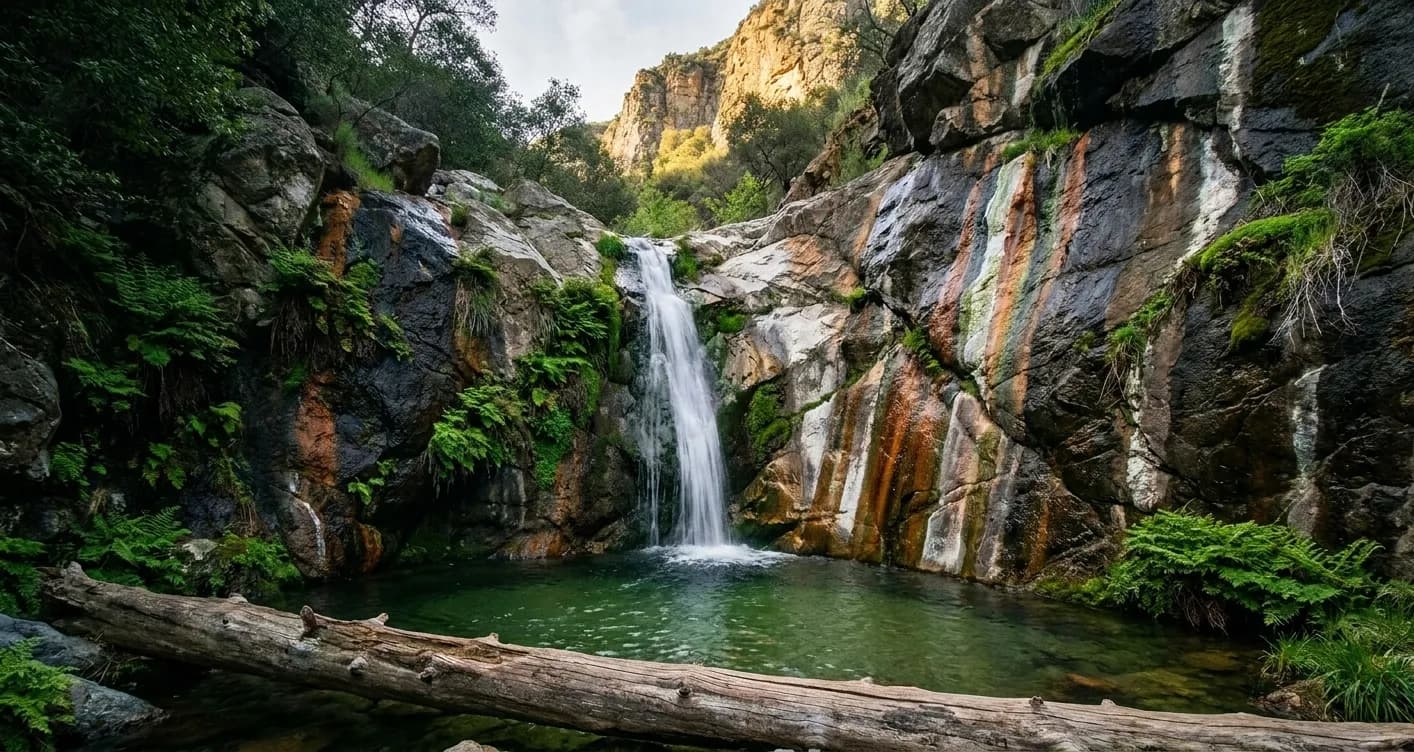
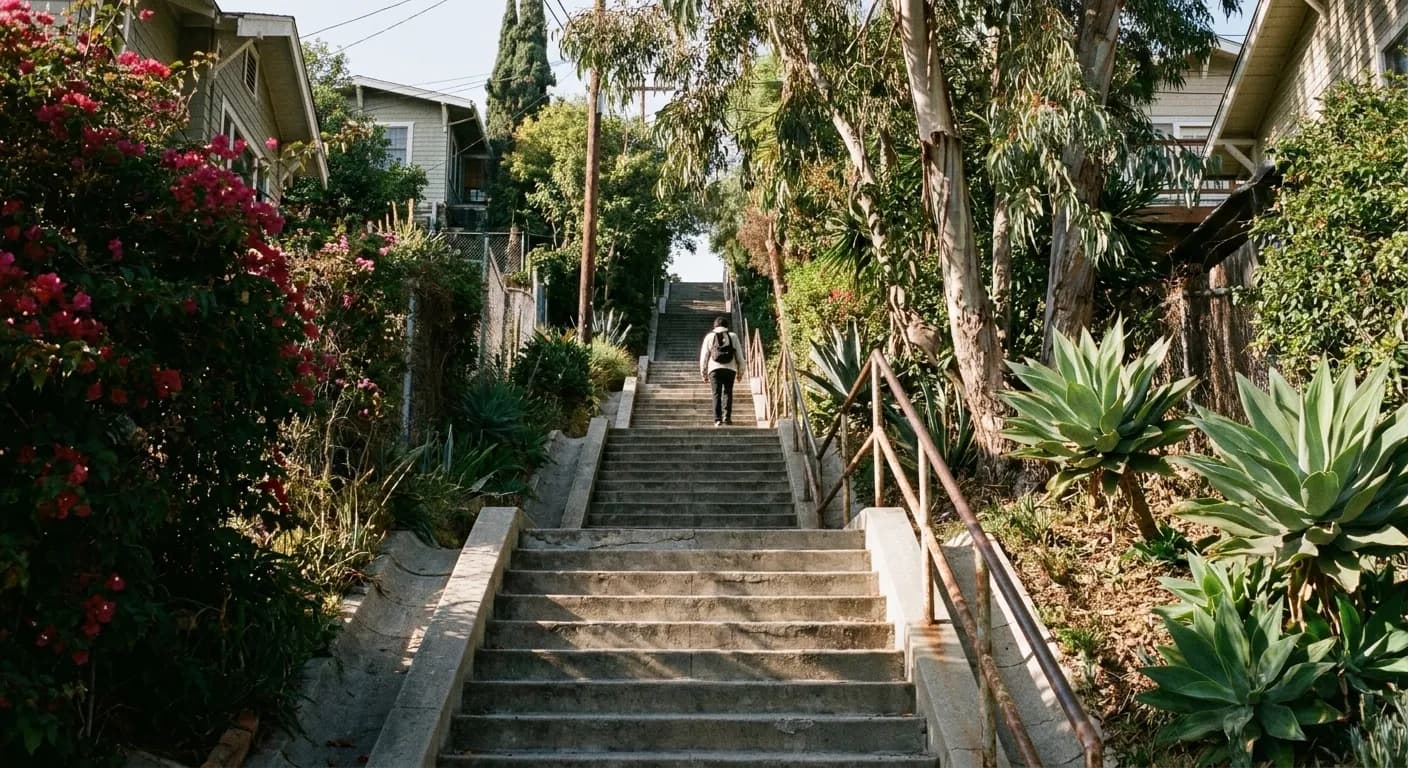
The canyon trails are free and are best early. And the public stairways — hundreds of them, threaded through the hillside neighbourhoods and connecting streets that cars cannot — are a genuinely underused free activity, essentially a walking tour of the city's strangest residential architecture, and they cost nothing at all.
Transit is the budget lever
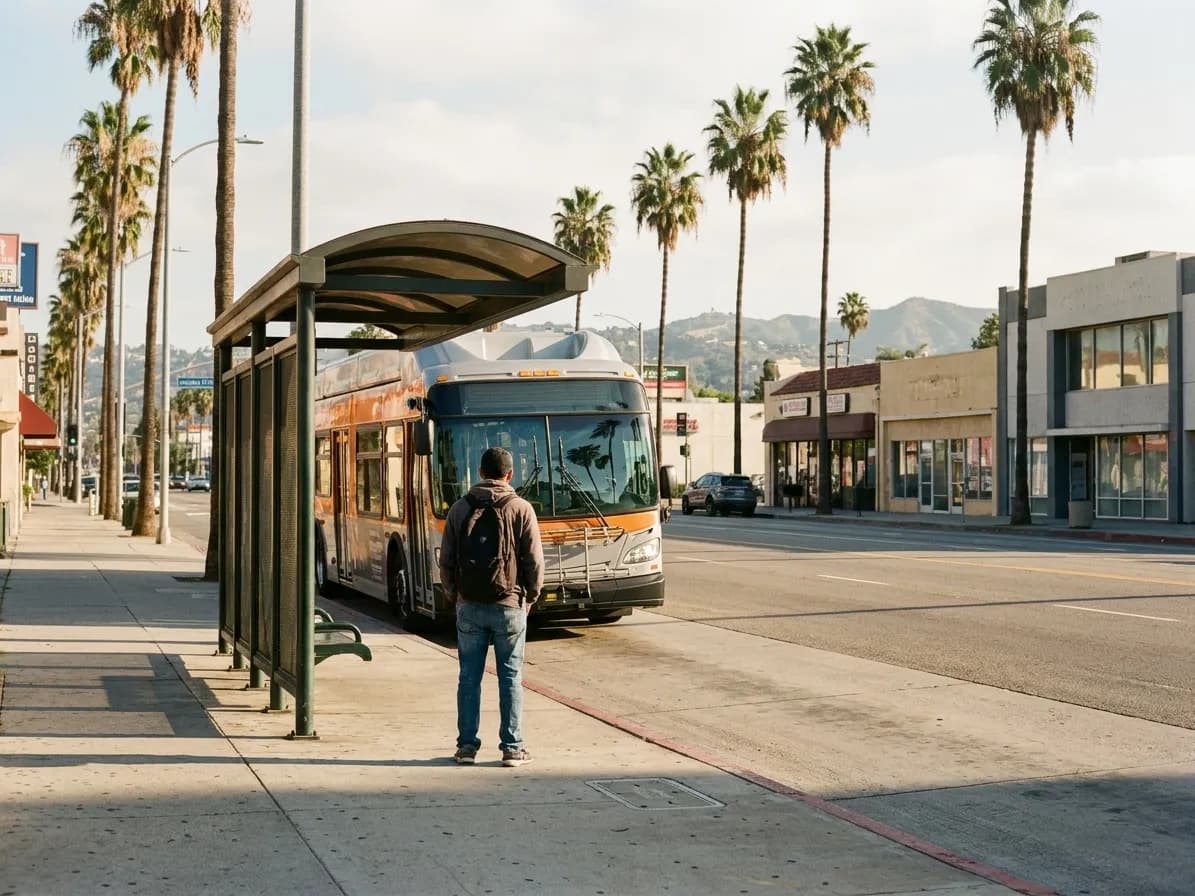
The rail network is cheap, the day cap is low, and it reaches downtown, Hollywood, Koreatown, Pasadena, Long Beach, Culver City and Santa Monica. If both ends of your day are on it, taking it saves twenty to forty dollars against driving and parking, and removes the need to make decisions about where to leave a car.
Where it does not reach, it is slow, and pretending otherwise leads to a two-hour journey. The honest method is to build the budget day around the network rather than to force the network onto a day you already planned. That is a real constraint, and it also happens to produce the walkable clustered days that work best here anyway.
Eating cheaply is not a compromise here
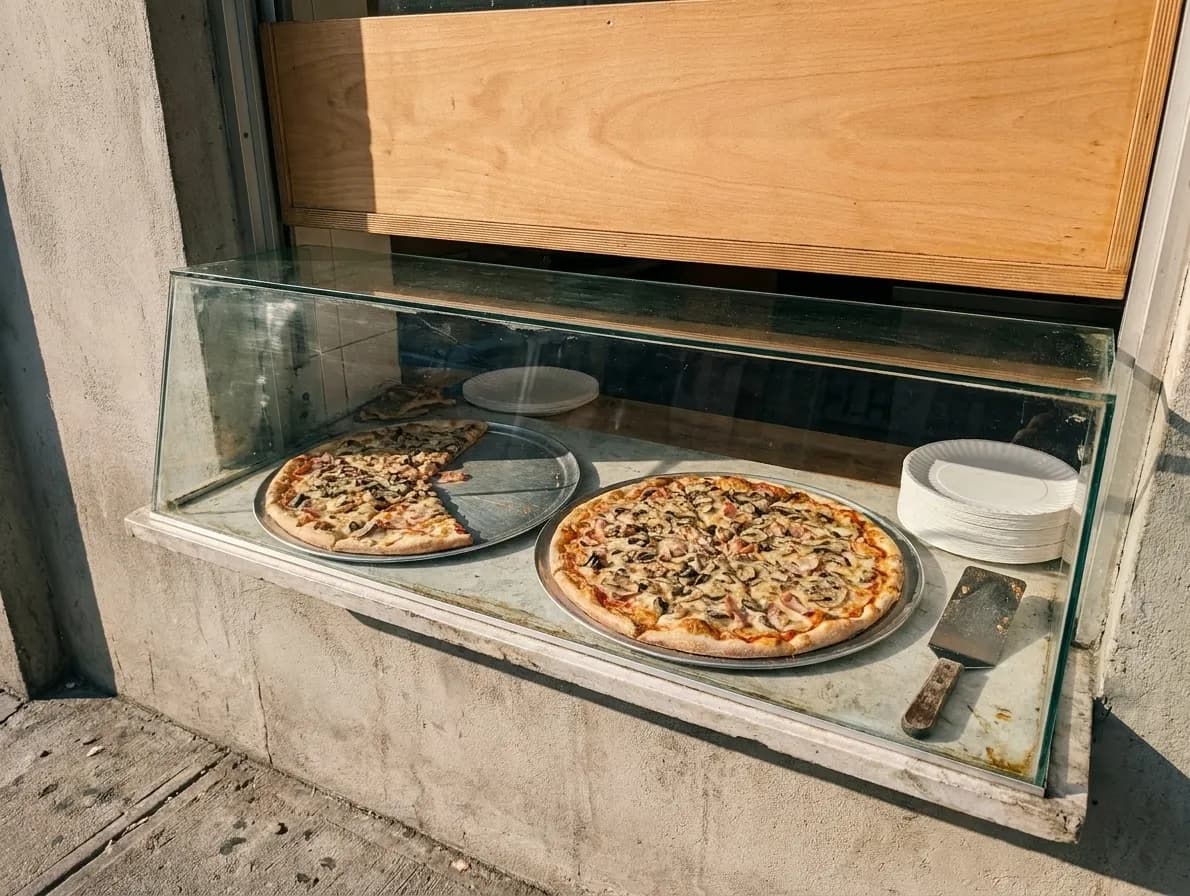
This is the city's great advantage on a budget. The best food in Los Angeles is not expensive — the taquerias, the Thai and Salvadoran and Oaxacan kitchens, the strip-mall Chinese and Korean rooms, the truck parked outside a hardware shop — and a person eating on fifteen dollars a meal here is eating better than someone spending sixty on the westside.
The markets are the other resource. The historic downtown market halls, the neighbourhood farmers' markets and the food halls all let a group eat different things at different prices without anyone committing to a restaurant, which is also the easiest way to feed people who want different things.
Cheap rather than free
Several tiers worth knowing. The repertory and revival cinemas run screenings for less than a chain ticket. The major performing-arts institutions have cheap seats, student rates and rush programmes. Many galleries are free always. And a great deal of live music here has no cover at all, particularly midweek in the eastside and downtown bars.
The universities are the sleeper option: campus concerts, lectures, screenings and exhibitions, mostly free and open to the public, running on term schedules from September. None of it appears on general listings, and the calendars are public.
Building a day that stays cheap
Pick one area, arrive once, and stay. A downtown day — market hall breakfast, a free museum, a walk through the historic core, a cheap early dinner, a bar with no cover — costs about thirty dollars including transit and fills twelve hours. The same components spread across three neighbourhoods costs three times that and includes two hours of driving.
The second rule is to shift the day off the weekend if you can. Free tickets are available, parking is cheaper and easier, the trails and beaches are empty, and the restaurants that require a booking on Saturday will seat you on Tuesday. Almost every constraint in this city relaxes on a weekday, and that is worth more than any specific money-saving tip.
The costs people forget to count
Parking at museums and beaches, which is frequently fifteen to twenty-five dollars and is charged separately from a free admission. Ride shares between clusters, which are the single fastest way for a budget day to double. And the eighteen-dollar coffee-and-pastry stop that happens twice because there was nowhere to sit.
The counter to all three is planning where you will pause. Parks, library reading rooms, market halls and beaches all give you somewhere to sit for nothing, and knowing where they are on your route is the difference between a day that costs thirty dollars and one that costs ninety without anyone buying a ticket to anything.
Tags: #LosAngeles #BudgetTravel #FreeThingsToDo #ThingsToDoLA #LAMuseums #PublicStairs #LAMetro #CheapEatsLA #Downtown #BeachesLA #SoCal #LAOnABudget #ExploreLA
All trademarks are the property of their respective owners.
Ask Karpo first
Ask Karpo what is free or cheap near you in Los Angeles today, and whether you can get there without paying to park.