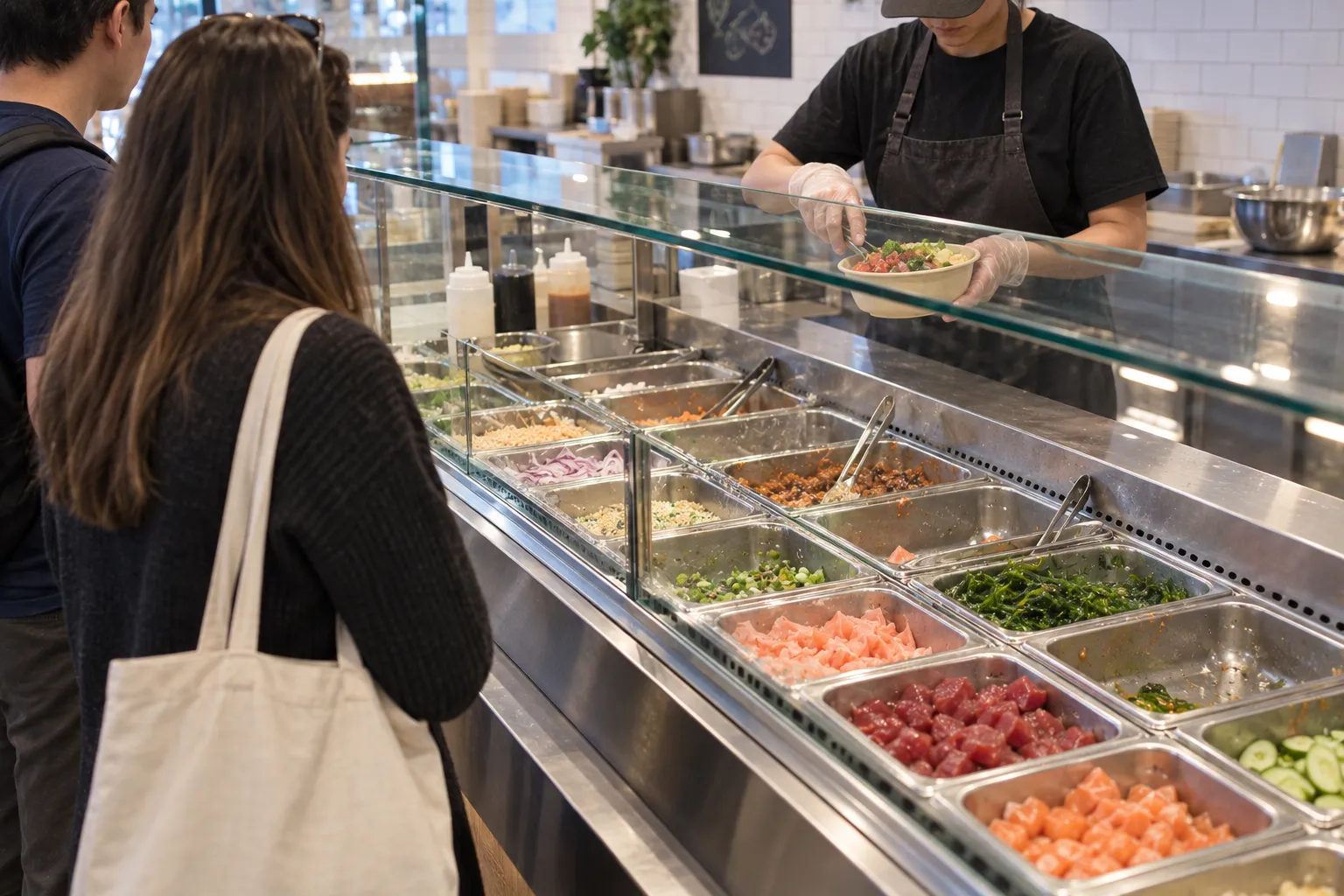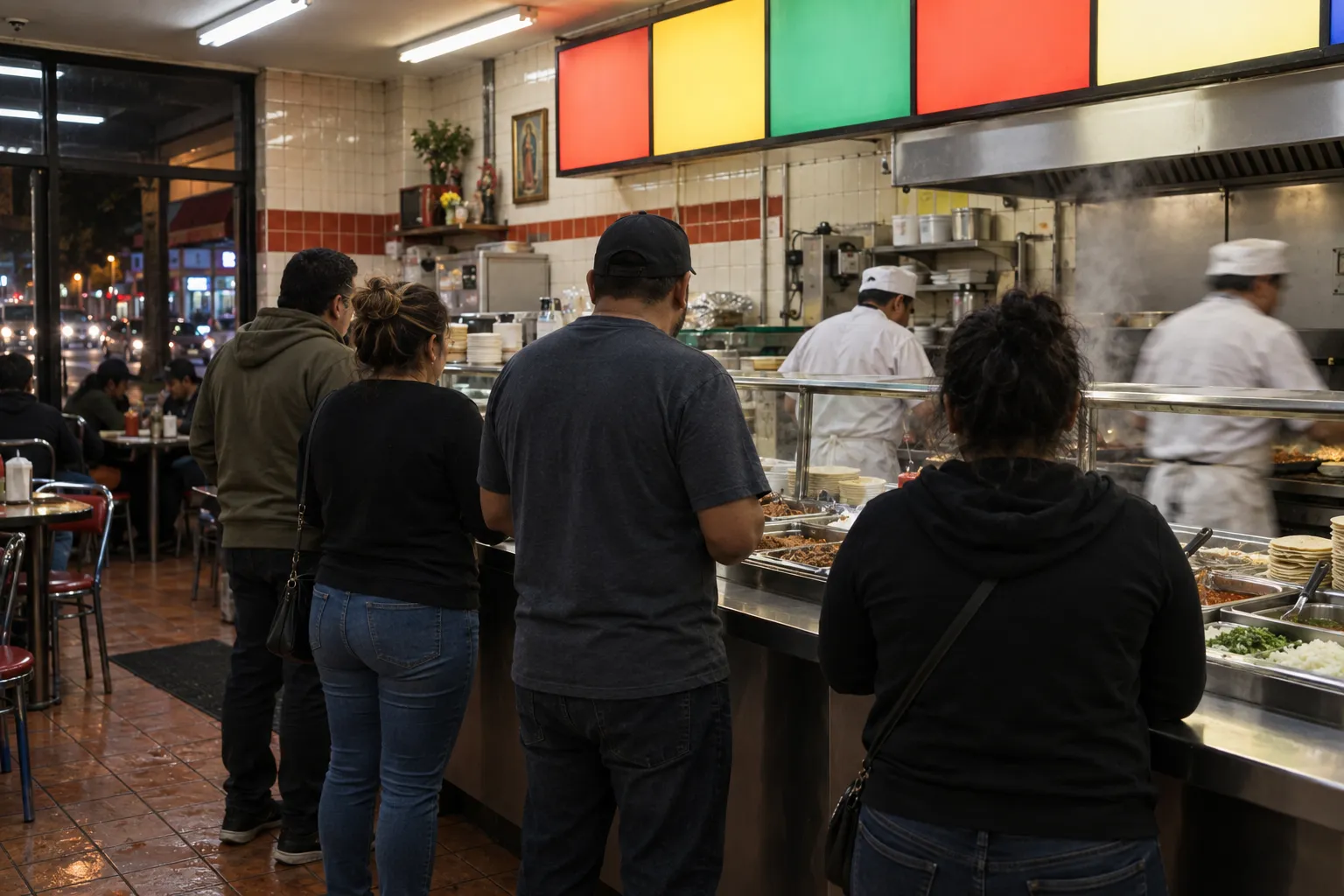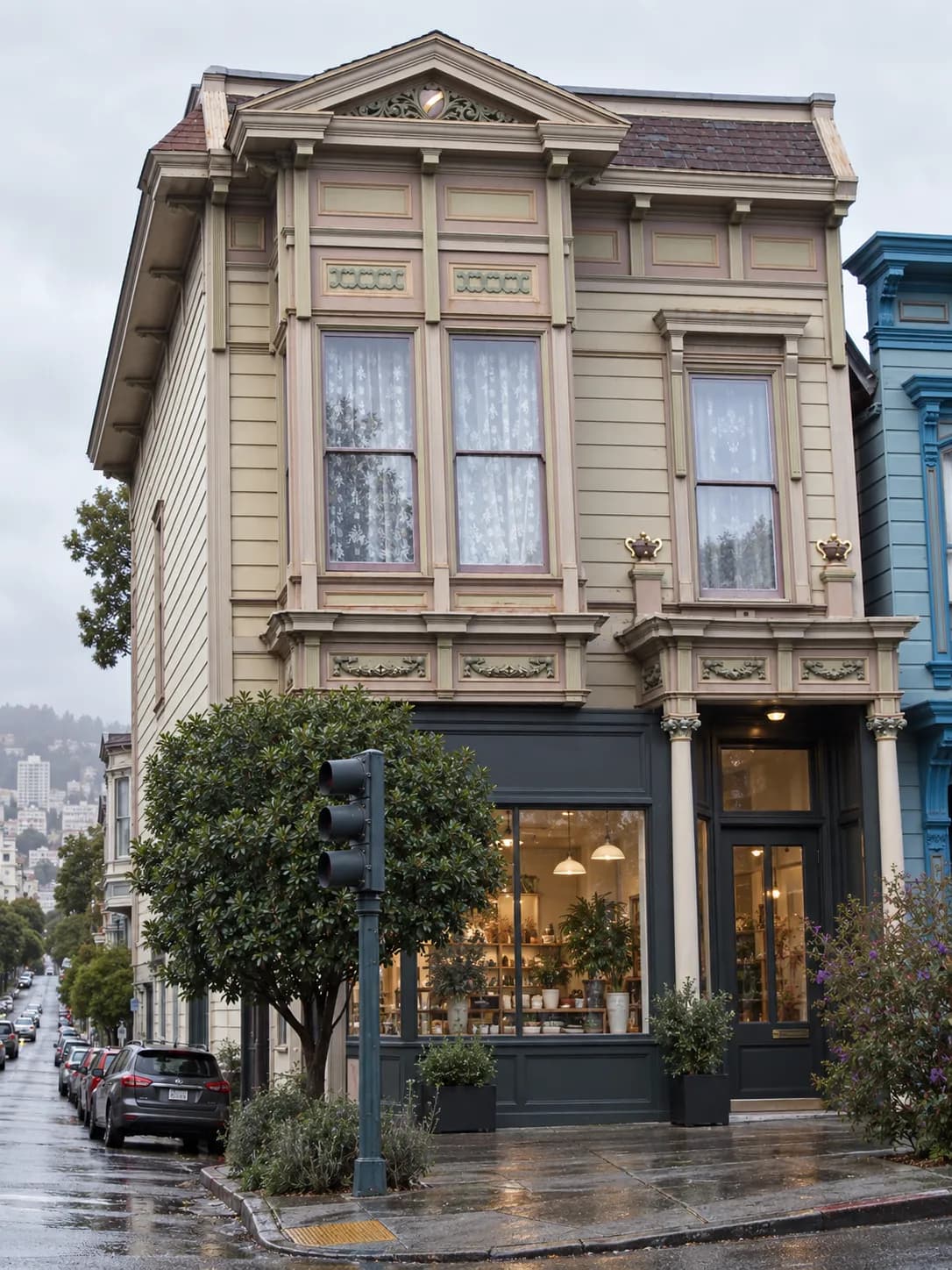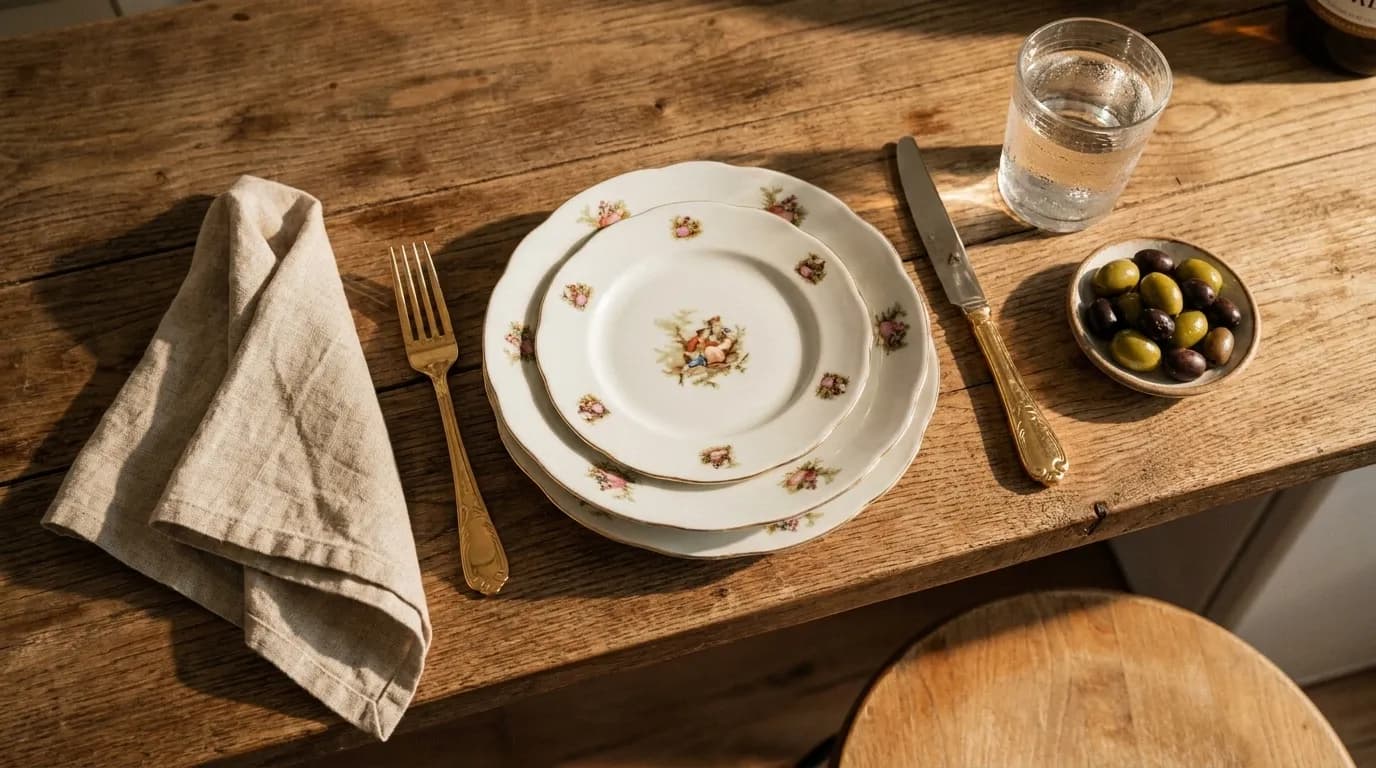
Eating alone in a restaurant is treated as something to be endured rather than enjoyed, which is a shame and, in San Francisco specifically, unnecessary. This is a city with an enormous population of people who live alone, an unusually high number of counter-service restaurants, and a food culture that has never been particularly formal. The solo diner here has advantages that nobody mentions, starting with the fact that one seat is far easier to find than two.
One seat opens doors that two cannot. Ask Karpo which counters near you can take a single diner right now.
The single-seat advantage
A restaurant with no availability for two frequently has space for one, because a single seat fits in gaps a pair does not. This is true at the very hardest rooms in the city, where a solo walk-in at the bar at five-thirty or nine o'clock will often be seated when a couple would be turned away. If there is one practical benefit to eating alone, this is it, and it applies across the whole price range.
The other advantage is service. A bartender or counter cook looking after eight people has time to talk, and a solo diner at a counter gets a version of the restaurant that a table for four never sees — what is good tonight, what the kitchen is pleased with, what is not on the menu. This is the actual reason to sit at a counter rather than a table.
The formats built for one
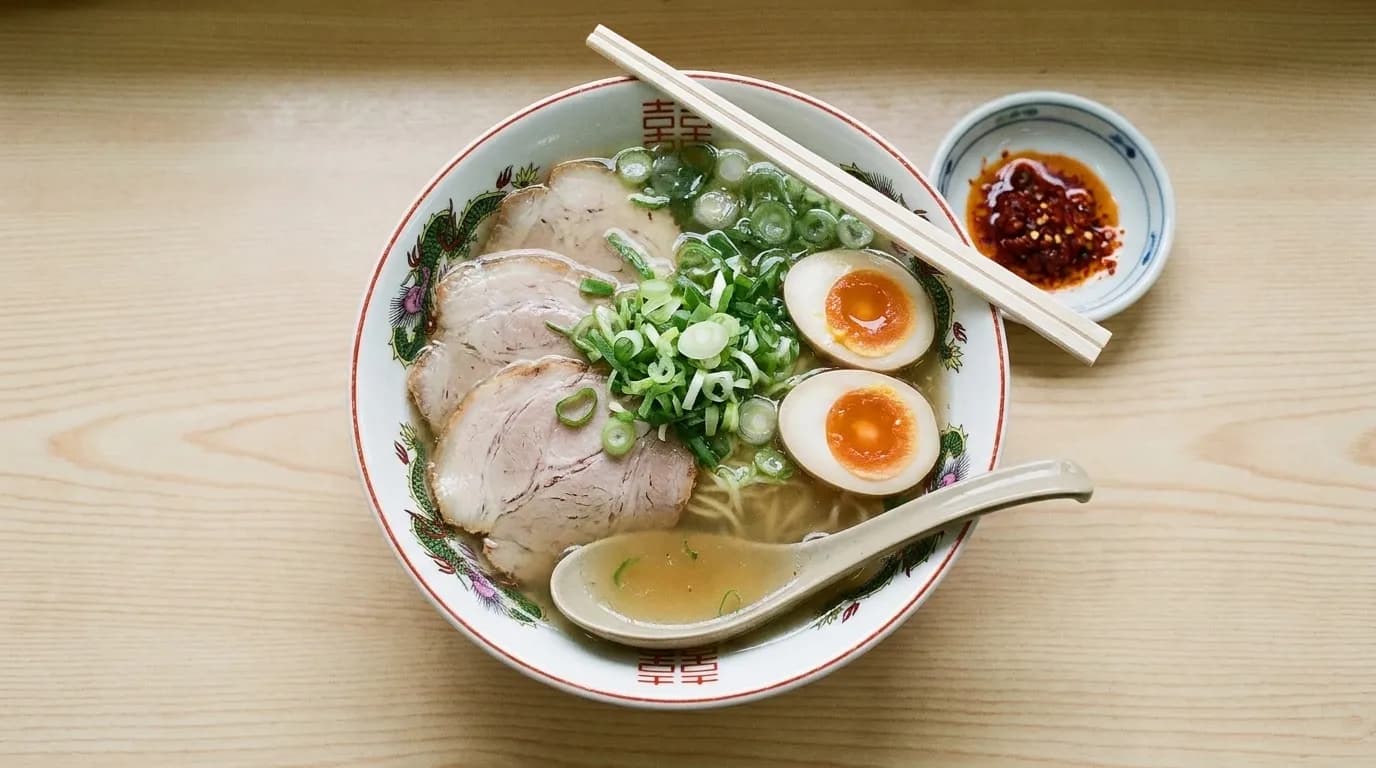
Japanese counters are the purest version: a sushi bar or a ramen counter is designed around individual diners, and eating alone there is the default rather than an exception. San Francisco has a good number in Japantown, the Inner Richmond and downtown. Chinese noodle and rice-plate shops work the same way, as do the Vietnamese pho counters in the Tenderloin and the Sunset.
Beyond that: taquerias, where nobody is seated by anyone; the Ferry Building's counters; oyster bars; wine bars with a food menu; and the growing number of restaurants with a chef's counter facing the kitchen. In all of these, a single diner is a normal customer rather than a logistical problem.
Neighbourhoods that make it easy
Hayes Valley, the Mission along Valencia and 18th, the Divisadero corridor, North Beach and Japantown all have a high density of small restaurants with counters. The Tenderloin has the highest concentration of counter-service eating in the city and the lowest prices. Downtown and the Financial District are full of solo diners at lunch and much quieter in the evening, which cuts both ways.
The Ferry Building deserves a specific mention: a hall of counters, none of which take bookings, most of which are genuinely good, and all of which are entirely comfortable for one person at any hour. On a night when you want a proper meal without a plan, it is the most frictionless option in the city.
How to do it well
Sit at the counter rather than a table if the option exists; it is more interesting and it takes the pressure off. Go early or late, both because the room is calmer and because a solo diner at seven-thirty on a Saturday is occupying a seat the restaurant needs. Talk to whoever is working in front of you, or do not — both are entirely normal at a counter.
On the perennial question of a phone or a book: nobody minds either. What is worth trying occasionally is neither, because a counter facing an open kitchen is genuinely interesting to watch and it is the one restaurant experience that is better alone than in company. If that feels uncomfortable, a book is a perfectly good bridge.
The wider case
There is a reason this is easier here than in most American cities: San Francisco has one of the highest proportions of single-person households in the country, and the restaurant culture reflects that. Counter seating is common, communal tables are normal, and a single diner at seven in the evening is unremarkable everywhere from a Michelin-starred counter to a Tenderloin pho shop. If eating alone has felt conspicuous elsewhere, it will not here — the room is full of other people doing exactly the same thing.
The practical economics
Eating alone is proportionally more expensive, because you cannot share and because minimum spends and set menus are built around pairs. Two things help. Ordering across courses rather than a single main — a starter and a side, or two small plates — usually gives you a better meal for less than a main course. And lunch, where set menus and specials are aimed at people eating alone anyway, is dramatically better value.
Bar seating is also frequently cheaper in practice, because bar menus at the more expensive rooms are shorter and less costly than the dining-room equivalent while coming out of the same kitchen. For a solo diner wanting to eat somewhere serious without a serious bill, that is the route.
A final practical point about timing: the best hour to eat alone in San Francisco is between five-thirty and six-thirty. Rooms are empty, counters are entirely free, staff have time, and you are not occupying a seat anybody else needs. In a city that eats early anyway, that is not an unreasonable dinner time — it is simply the hour the restaurant is most pleased to see you.
Practical notes
Ask specifically for the counter when you arrive; many restaurants will not offer it. Early and late seatings are the easiest and most pleasant. Lunch specials are the best value in the city for one person. Several San Francisco restaurants add a service or health surcharge printed at the bottom of the menu. Kitchens here close early, so check the last order time. And if you want the version of a restaurant that regulars get, sit in front of whoever is cooking and ask what is good tonight.
Tags: #SanFrancisco #SFFood #SoloDining #EatingAlone #CounterSeats #Japantown #Tenderloin #HayesValley #MissionDistrict #FerryBuilding #NorthBeach #FoodNearMe #SFEats #TravelAlone
All trademarks are the property of their respective owners.
Ask Karpo first
Want to know which counters near you have a single seat right now, which are best for eating alone, and what to order when you get there? Ask Karpo before you go.