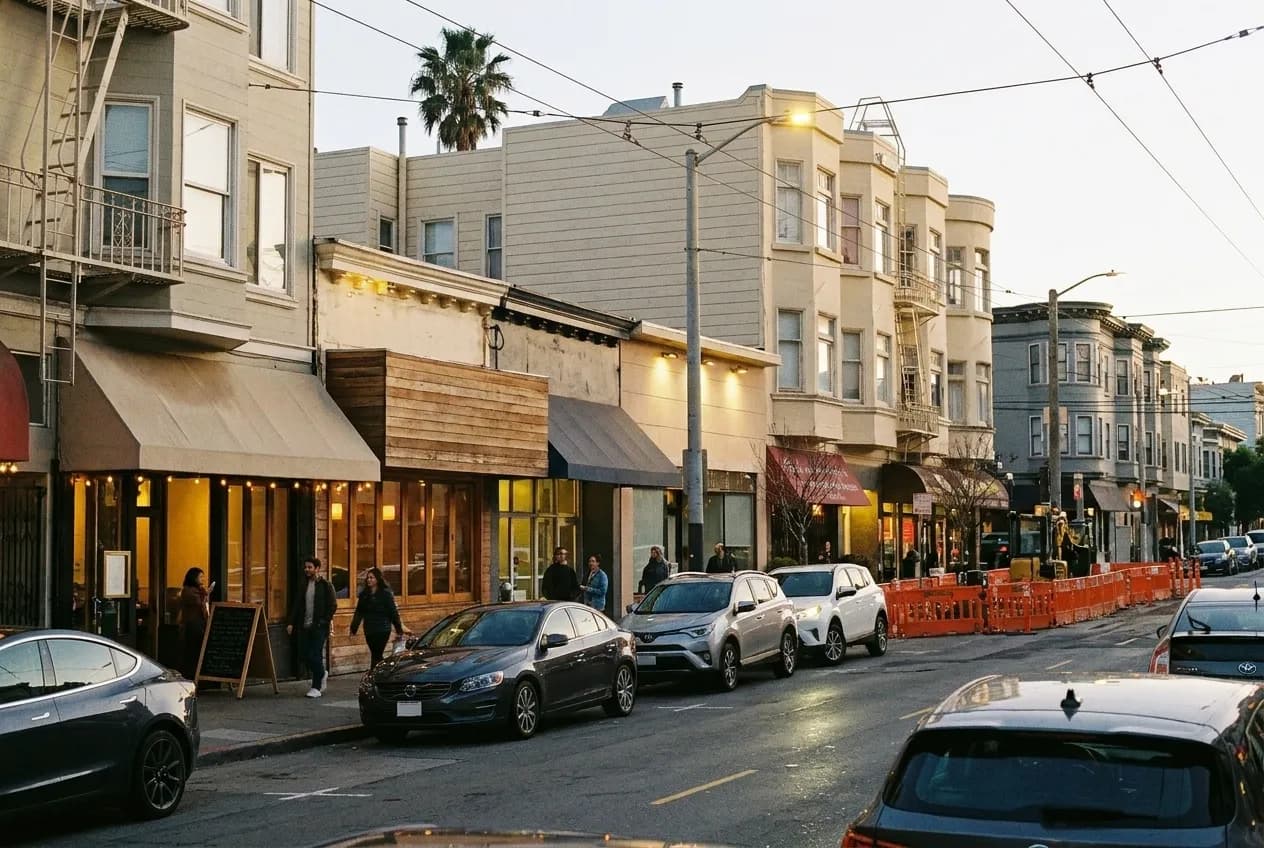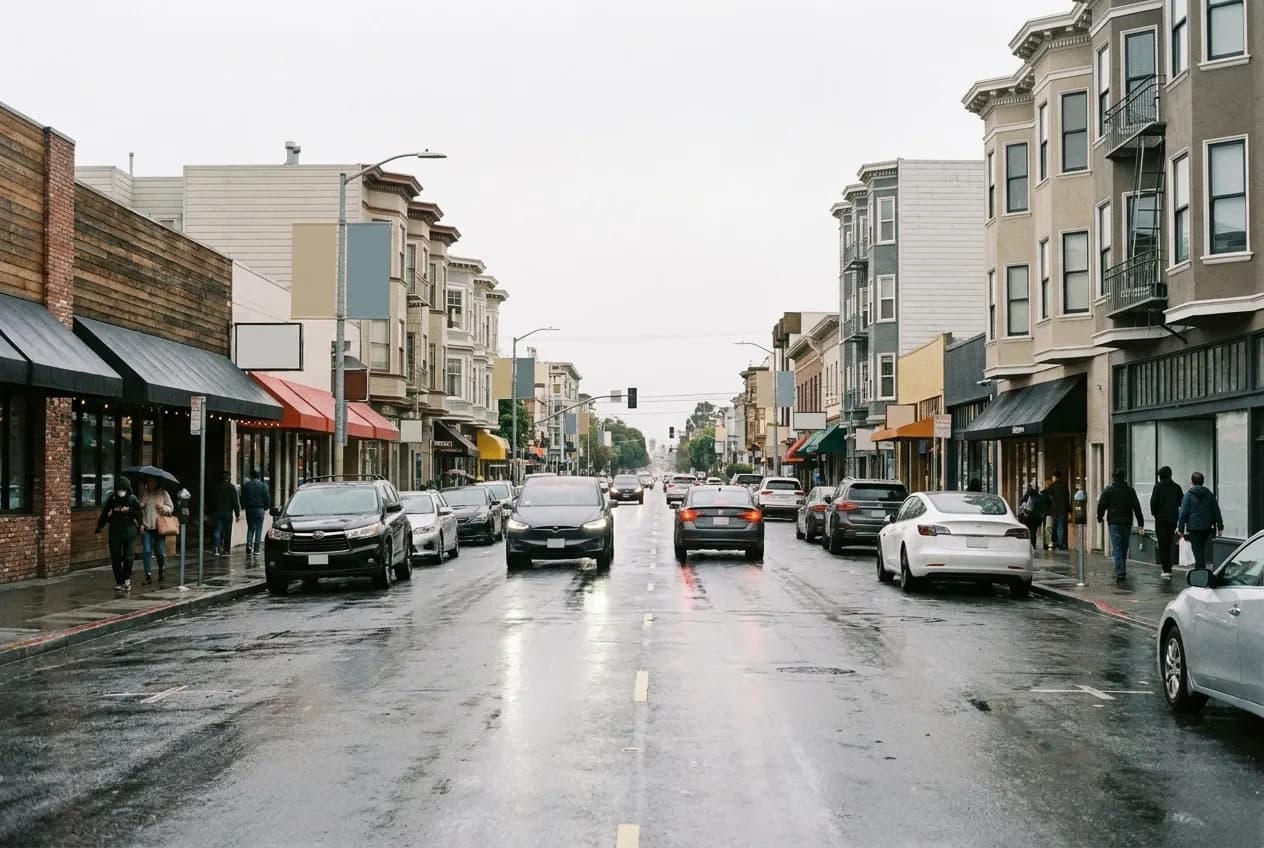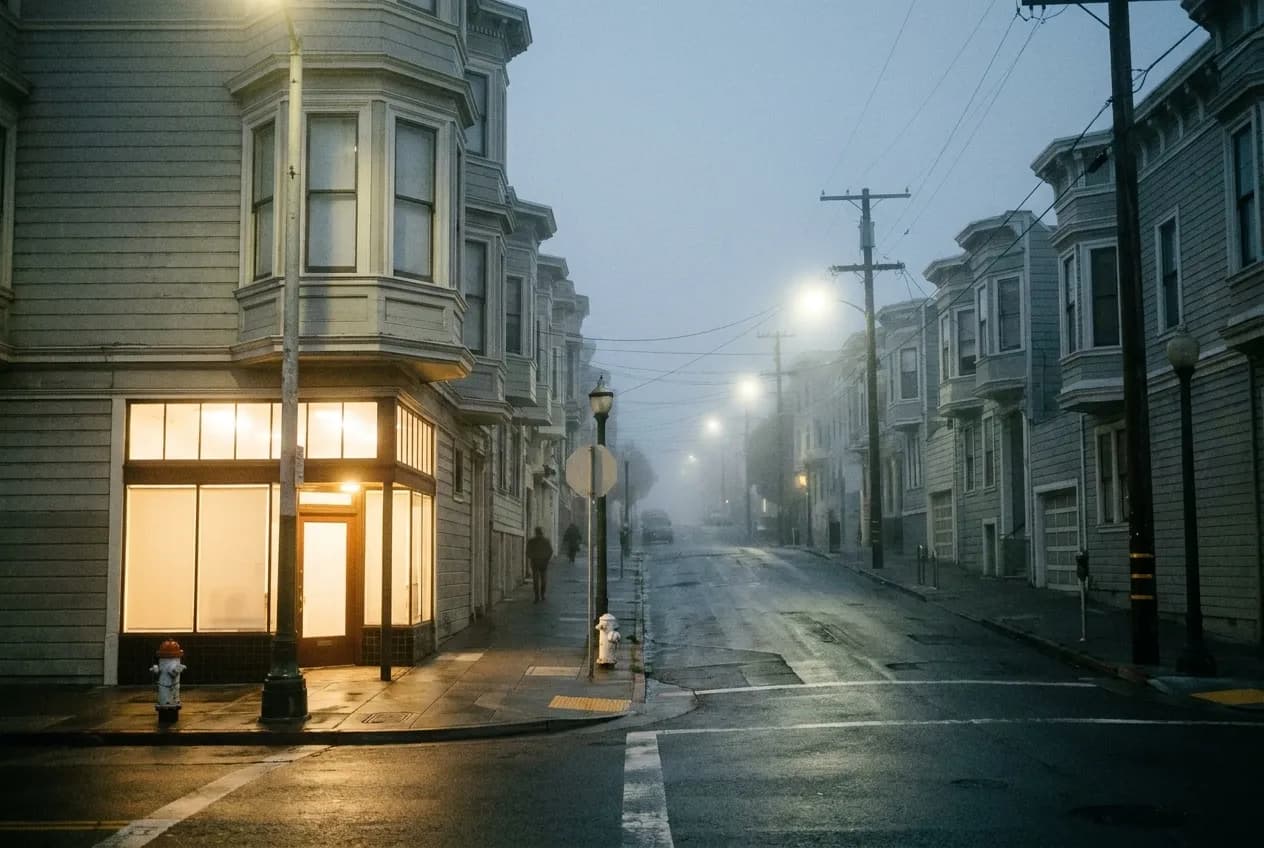
Every argument for eating ramen in a particular neighbourhood is usually about the kitchens. This one is about the weather, and it is a better argument. The Outer Sunset sits at the western edge of the continent with nothing between it and the Pacific. It is the foggiest part of a foggy city, it is regularly ten to twelve degrees colder than the Mission on the same afternoon, and there is a steady onshore wind most evenings. A bowl of hot noodle soup at the end of a cold grey walk on Ocean Beach is not a meal, it is a physical necessity, and no other San Francisco neighbourhood delivers that experience as completely.
The N Judah is forty to fifty minutes each way and the kitchens out here close early. Tell Karpo when you are heading west and get what will still be open.
The weather, stated properly
San Francisco's foggiest season is the summer, which surprises almost everyone. Cold Pacific water meets warm inland air, condenses, and gets pulled in over the western half of the city, so July and August in the Outer Sunset are grey, windy and genuinely cold. September and October are the neighbourhood's warmest, clearest months. A summer visitor in a t-shirt is the standard sight and the standard mistake.
The practical translation for eating: this neighbourhood's food culture is built around heat. Hot noodle soup, congee, hotpot, dumplings, tea. That is not a coincidence or a coincidence of demographics alone - it is what people want when they live in fog, and it is why the Sunset and the Richmond together hold the city's best concentration of everyday Chinese, Vietnamese and Japanese noodle cooking.
The streets, and what is on each
Irving Street between roughly 19th and 27th Avenues is the main commercial spine and the densest stretch - Chinese noodle houses, congee, roast meat over rice, Vietnamese counters, bakeries and boba, with Japanese rooms scattered among them. It thins out further west and picks up again near the beach. This is the street to walk if you want choice.
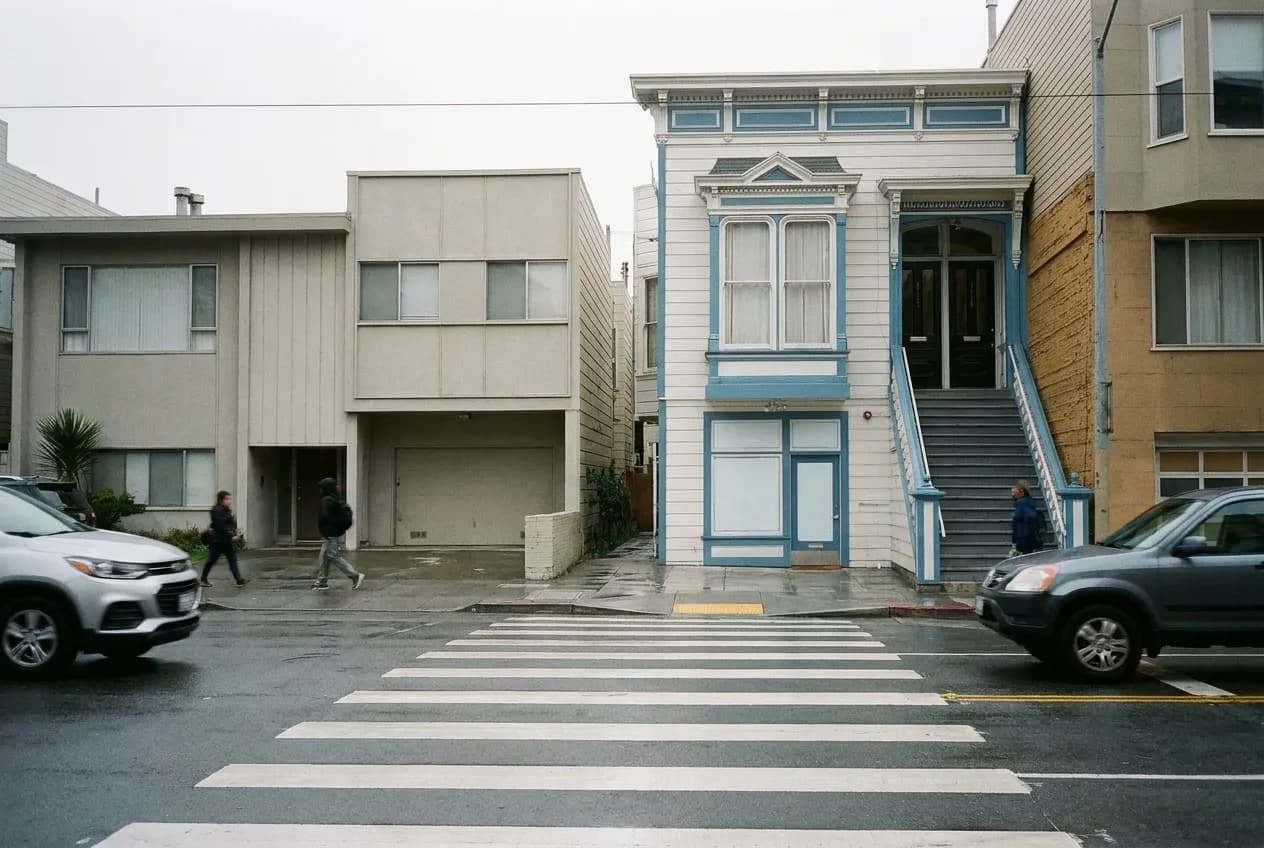
Noriega Street, four blocks south, is quieter and cheaper and in several categories better - more neighbourhood-facing, more family kitchens, less foot traffic. Judah Street carries the N line and has the newer wave clustered near the beach end around 45th and 46th Avenues: coffee, casual rooms and a surf-town feel. For a bowl of soup after the beach, Judah is nearest; for the widest choice, walk back to Irving.
Reading a ramen menu, briefly
Two axes. The broth: tonkotsu is pork bone boiled hard until the fat and collagen emulsify into something opaque and rich; chintan is the clear-broth family, lighter and much harder to make well. The tare, the concentrated seasoning ladled in before the broth, is where the flavour and salt come from: shio is salt-based and most delicate, shoyu is soy-based and standard, miso is heaviest and sweetest.
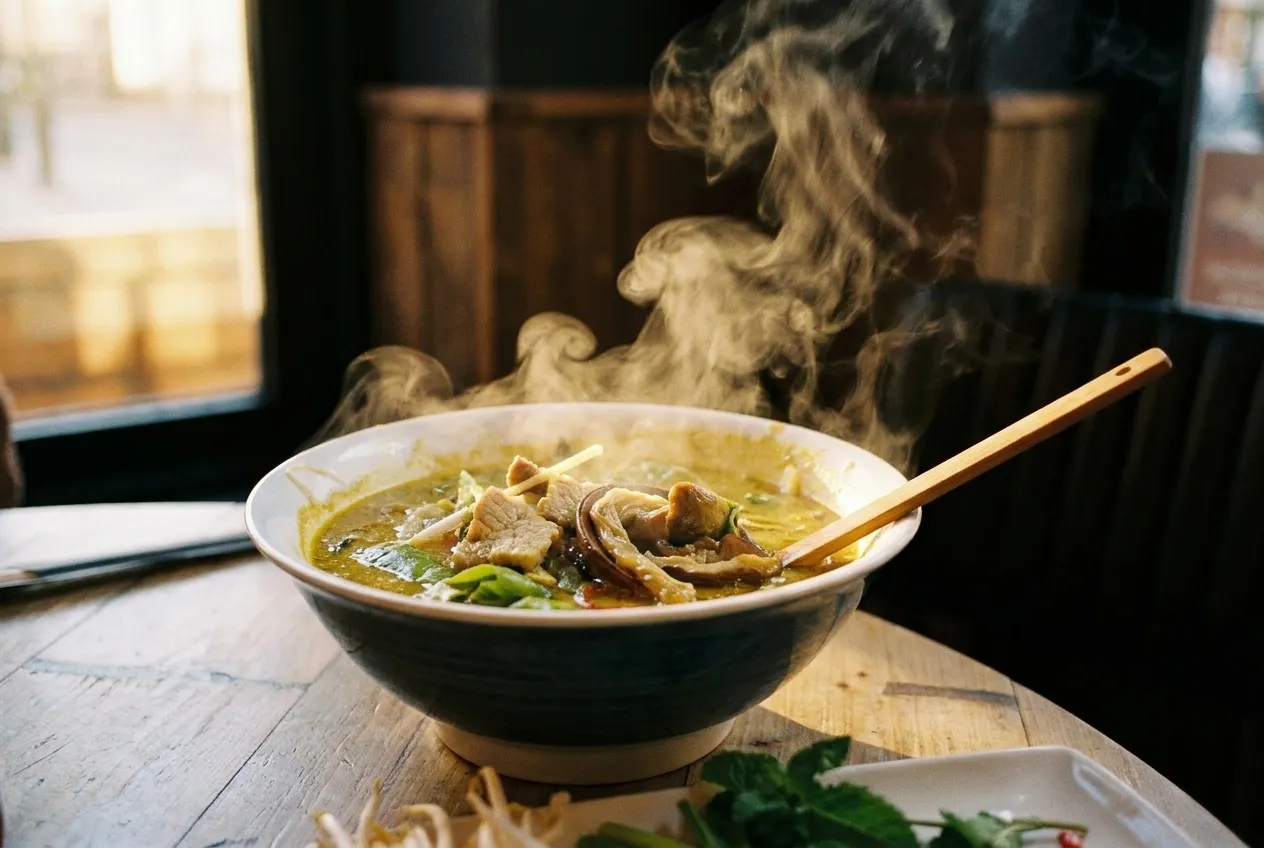
For this neighbourhood and this weather, miso with a rich broth is the correct answer more often than anywhere else in the city - it is the heaviest, warmest combination on any menu and the fog earns it. If you want to judge a kitchen rather than warm up, order the lightest thing instead: a clear broth with shio exposes everything, and richness hides a great deal.
Beyond ramen, which is worth knowing
The Outer Sunset's noodle soup supply is broader than ramen alone and the alternatives are frequently cheaper and just as good in the cold. Vietnamese pho along Irving and Noriega, at thirteen to eighteen dollars. Chinese wonton noodle soup and beef brisket noodles, clear-broth and lighter. Congee, which is the most restorative thing on this list and costs under ten dollars.
Roast meat over rice - duck, char siu or soy chicken chopped to order - is the other staple and is a complete meal for ten to thirteen dollars. All of it is aimed at residents rather than visitors, which shows in the price and the consistency. If the ramen shop you wanted is closed, and out here it might be, any of these solves the same problem.
The trip, and getting back
The N Judah runs from downtown through the Inner Sunset and along Judah Street to the beach at 48th Avenue, and it takes forty to fifty minutes each way. That is the single most important fact about any Outer Sunset plan and the one most trips fail to budget for. Service thins in the evening, so the gap between trains grows exactly when you want one - check the last departure before you go out.
Parking, unusually for this city, is genuinely easy out here: the grid is wide, largely residential and mostly unmetered. If someone is driving, this becomes a twenty-minute trip rather than a fifty-minute one. And the natural shape of the visit is Golden Gate Park's western end or Ocean Beach first, then food - arriving cold and eating hot is the entire point, and doing it in the other order wastes the neighbourhood's main asset.
Practical notes
Check the Sunset forecast specifically, not the city one - they routinely differ by ten degrees, and July and August are the foggiest months while September and October are the clearest. Bring a windproof layer year-round. Prices: ramen eighteen to twenty-six dollars, pho thirteen to eighteen, wonton noodle soup ten to fourteen, roast meat over rice ten to thirteen, congee under ten. Kitchens out here close early, many by nine. The N Judah is forty to fifty minutes each way and thins in the evening - check the last one. Parking is easy and free on residential blocks. And go to the beach first, then eat.
Tags: #BestRamenInSanFrancisco #OuterSunset #SanFrancisco #NJudah #OceanBeach #IrvingStreet #NoriegaStreet #JudahStreet #Tonkotsu #MisoRamen #Pho #Congee #HiddenGems #KarlTheFog
All trademarks are the property of their respective owners.
Ask Karpo first
Forty-five minutes each way is a long ride for a kitchen that turns out to have closed at nine. Ask Karpo what is open in the Outer Sunset the evening you are heading out, what the fog is doing, and when the last N Judah leaves - the answers change the plan more than the menu does.