If you want a hands-on night out that feels more local than a typical class, the Mission is one of the easiest places in San Francisco to try pottery. The neighborhood has a steady mix of ceramics studios, arts spaces, and walkable side streets, so a beginner can book a session without turning it into a whole production. The sweet spot is simple: get off near BART, head to a studio with a clear intro format, and leave enough time to rinse clay off before dinner or a drink nearby.
Tell Karpo your start station and your ideal after-work window, and I’ll narrow the Mission classes that fit your commute, skill level, and cleanup tolerance.

Why The Mission Works
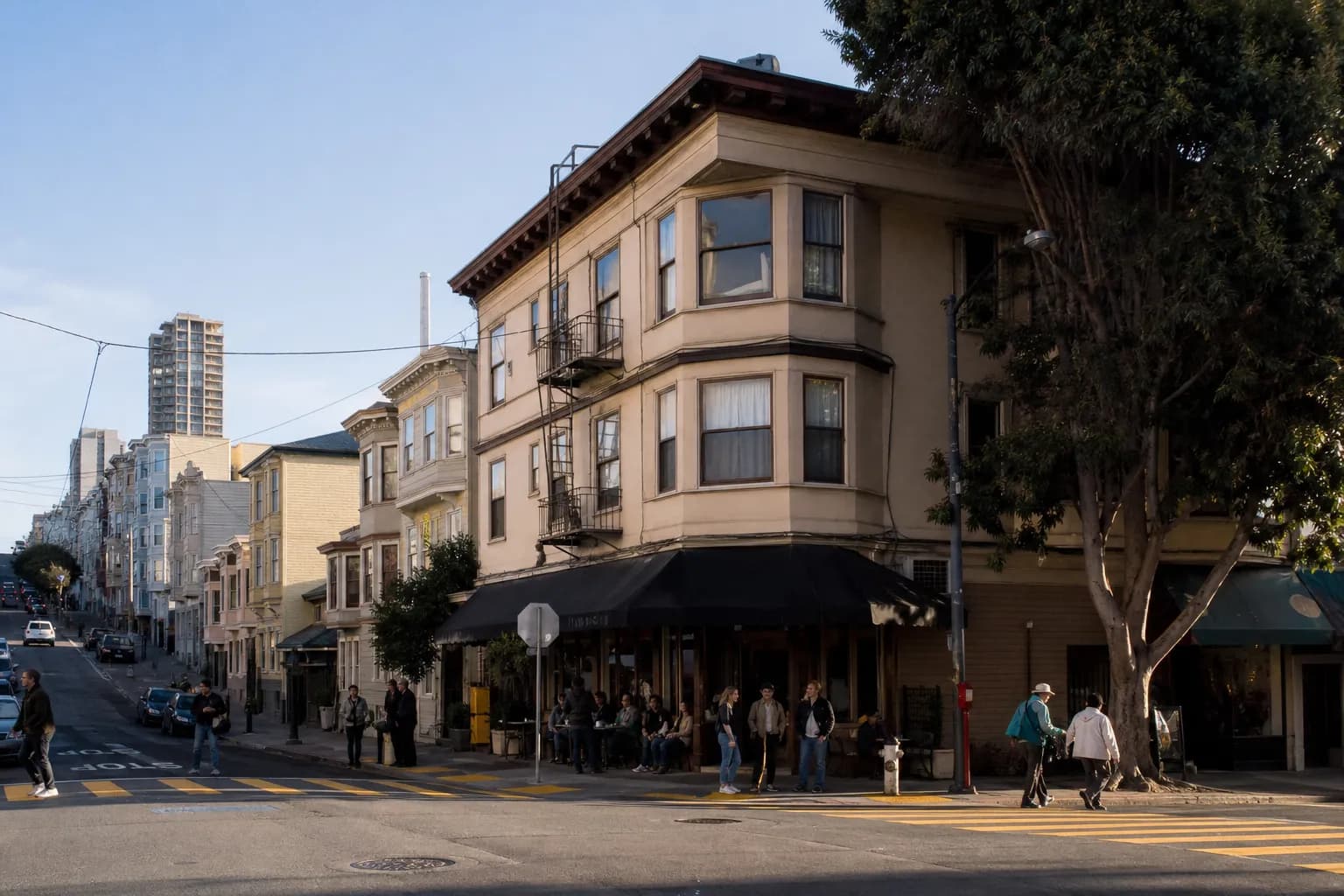
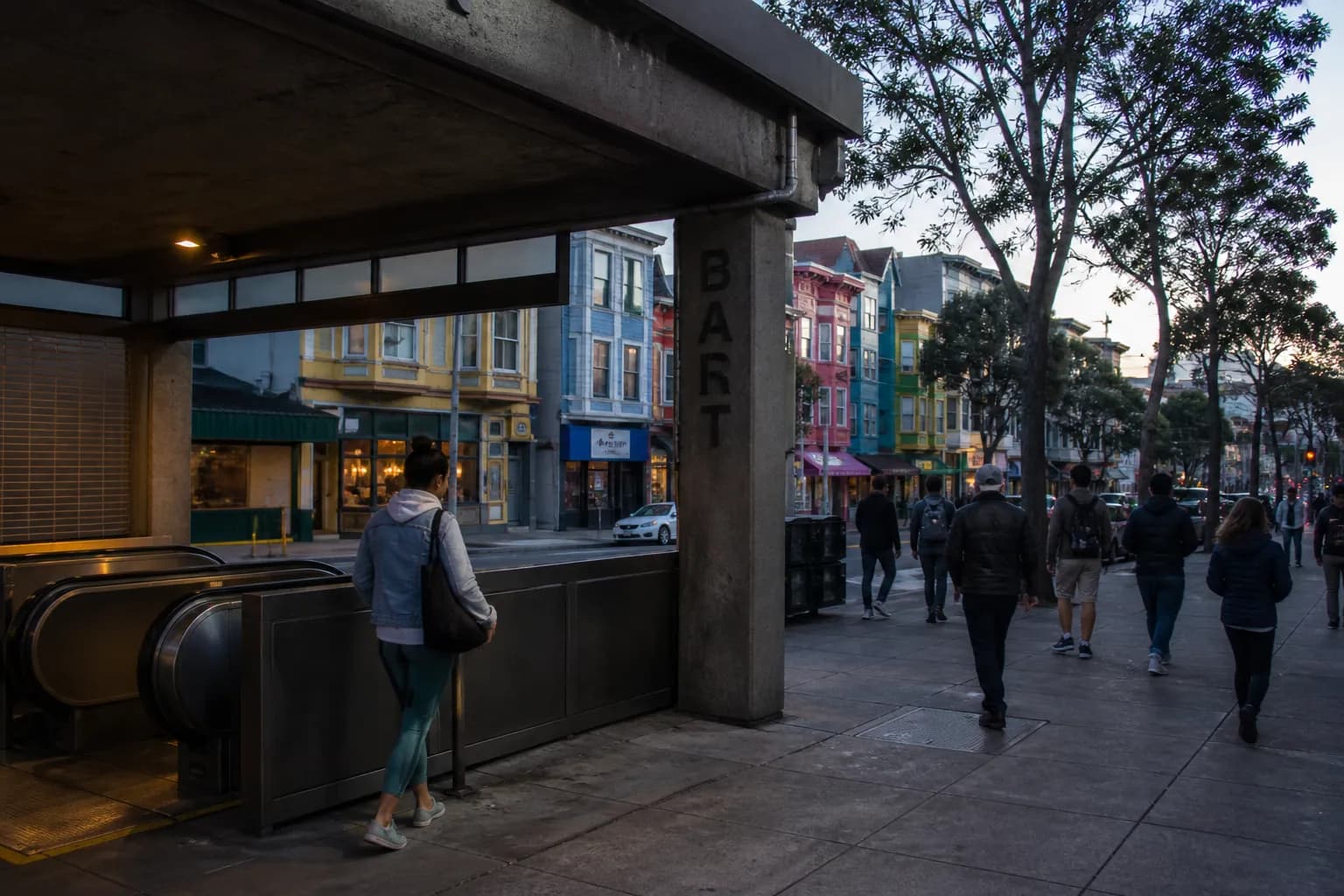
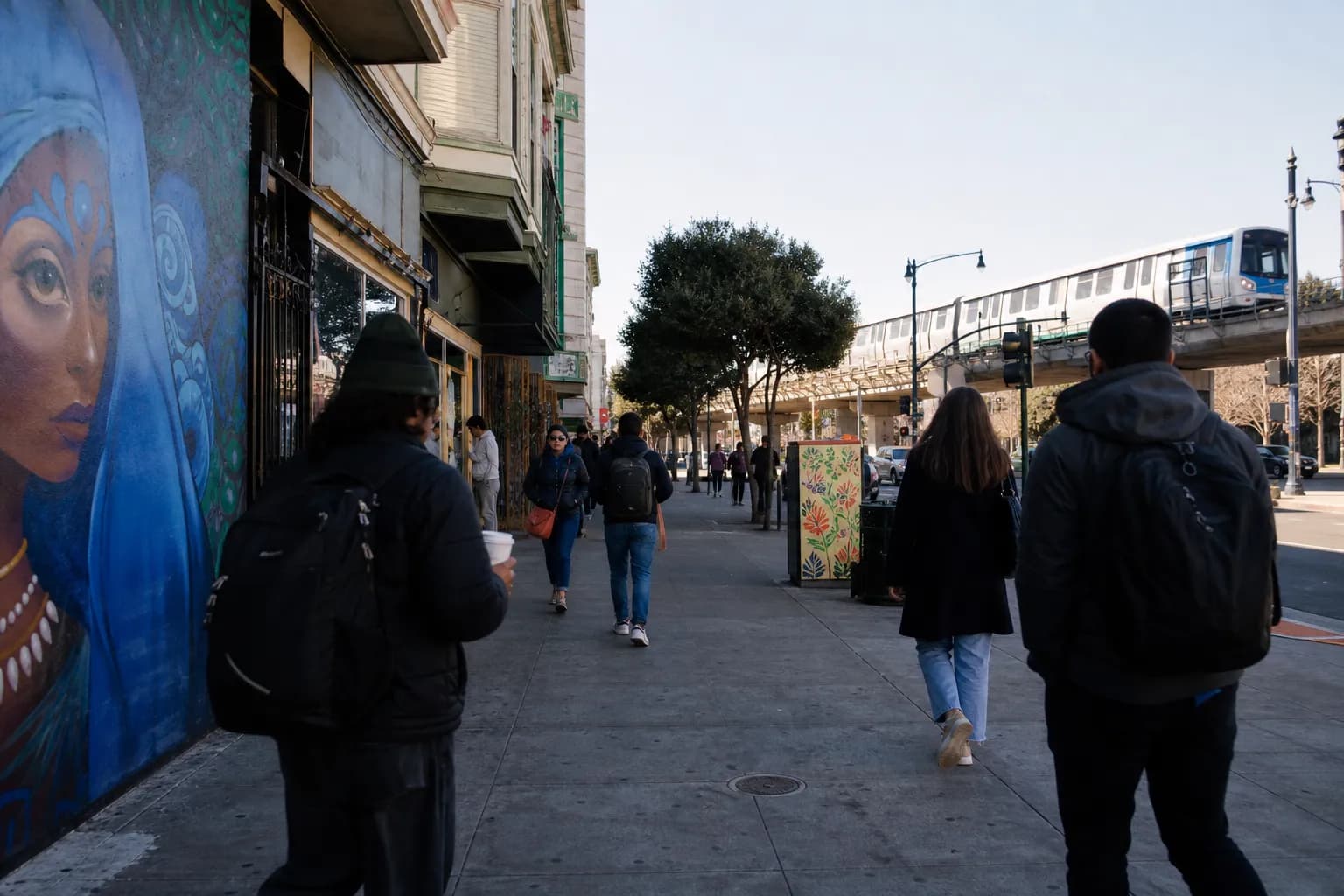
The Mission is one of the few SF neighborhoods where a beginner pottery class actually fits into a normal weeknight. With 16th Street Mission and 24th Street Mission BART both feeding the area, you can get in, take class, and still be on your way home without planning a whole cross-city trip. The first seats to disappear are usually the after-work slots, especially the ones that start just early enough to catch commuter traffic. If you want pottery classes san francisco locals can realistically repeat, that timing window matters more than almost anything else.
That transit access changes the whole feel of mission district pottery. You are not choosing between a studio and the rest of your night; you are choosing a class that sits inside the night you already have. Walkable blocks also make it easier to show up relaxed, which helps on day one when your hands are still learning what clay wants. If you are coming from downtown, SoMa, or the East Bay, the Mission tends to be one of the least fussy places to test whether a ceramics workshop sf life is for you.
What Beginners Learn
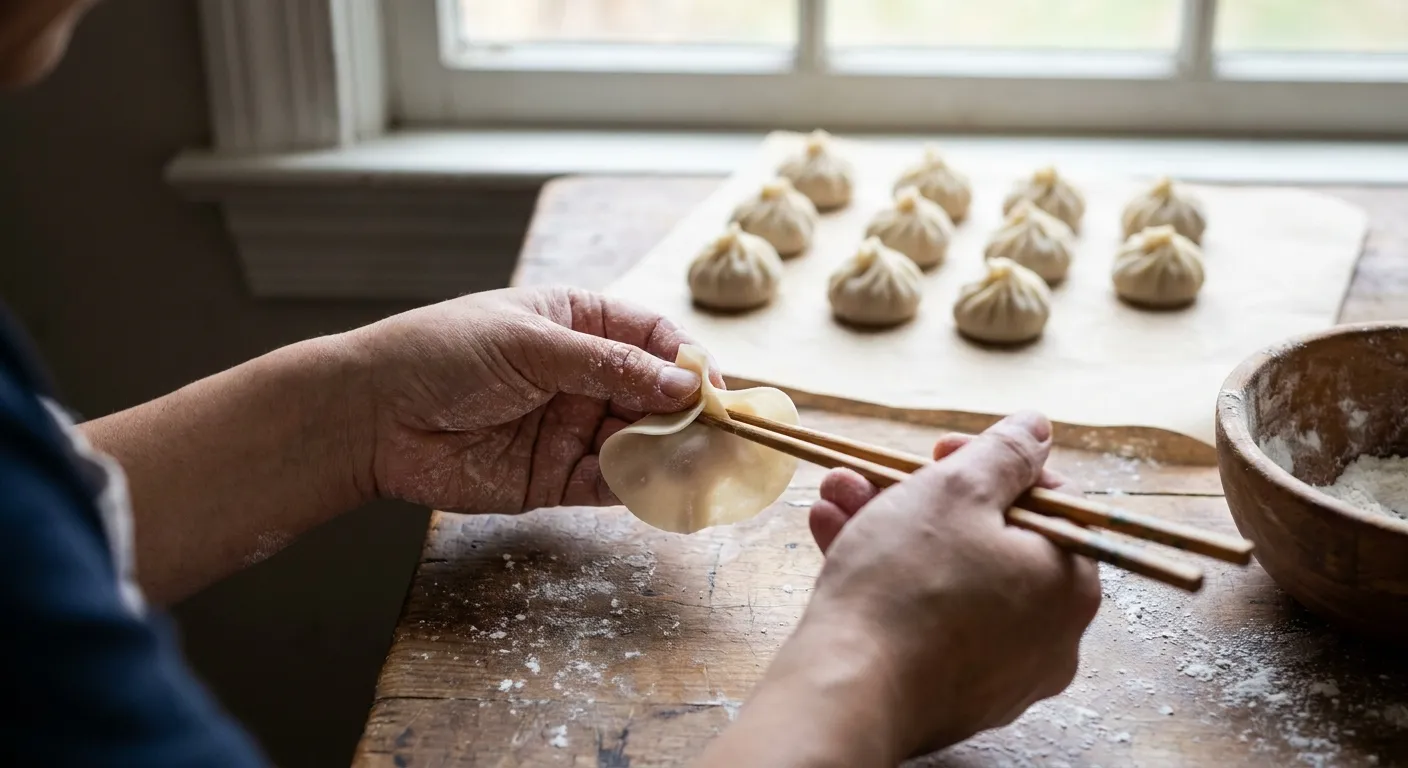
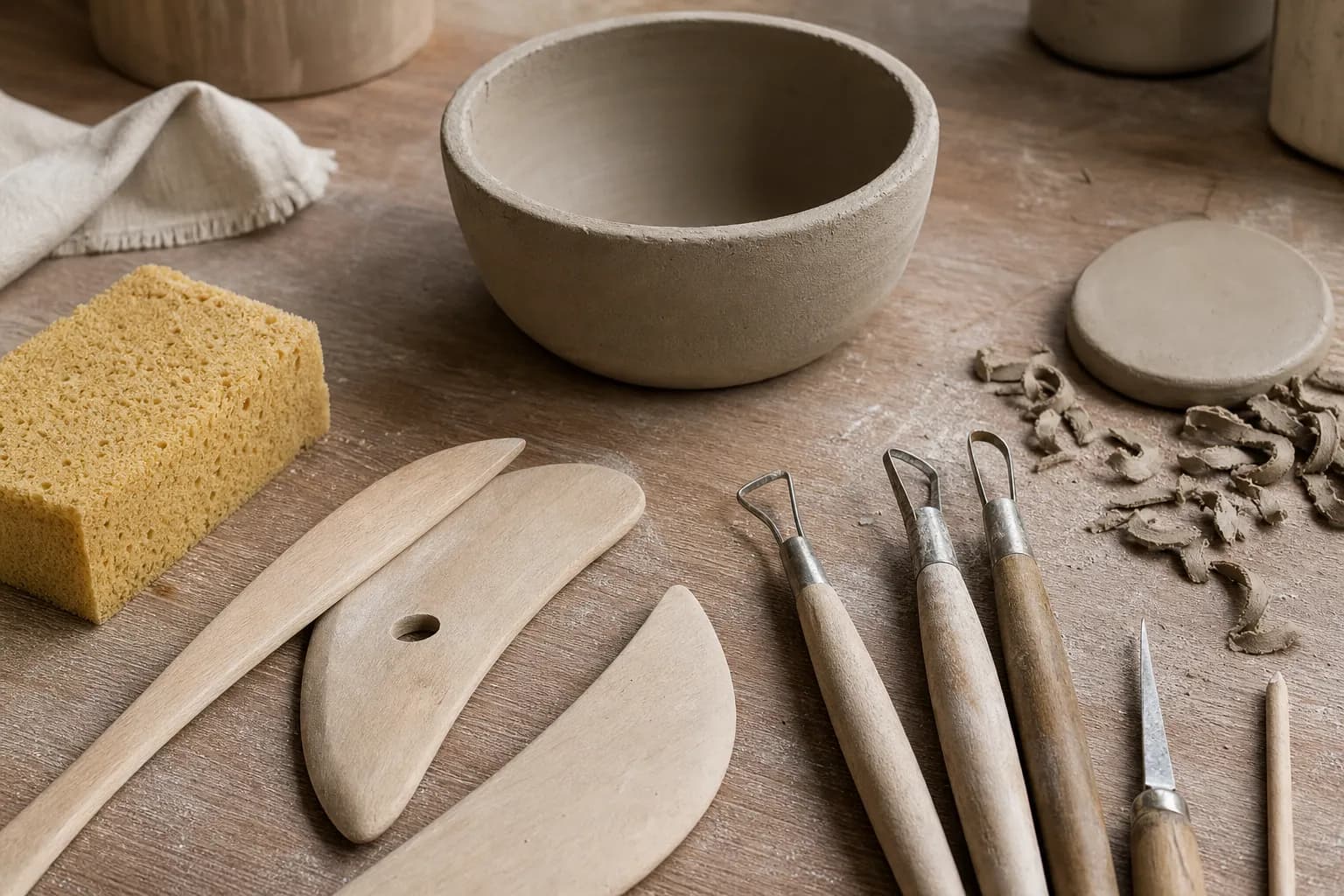
Most beginner pottery class formats start with either wheel throwing or handbuilding. On the wheel, you learn centering first, then shaping, then a lot of patient recovery when the clay collapses. Handbuilding is slower in a calmer way: pinch, coil, and slab pieces let you understand form before you worry about spinning. In both cases, the instructor should spend time on setup and cleanup, not just a flashy demo. That is the real clue you have found a beginner-friendly clay studio sf class rather than a workshop that assumes prior experience.
One thing first-timers miss: the finished piece usually comes later. Most ceramics workshop sf classes have a dry, trim, glaze, and fire sequence that can stretch over days or weeks, so do not expect to leave with a mug the same night. That delay is normal, not a sign anything went wrong. It also means your first class is less about product and more about learning how the studio works. If the instructor explains the kiln timeline clearly, that is a good sign.
Wheel Or Handbuilding?
If you are nervous, handbuilding is usually the gentlest way into mission district pottery. You can make simple forms quickly, keep your shoulders relaxed, and still understand the core language of clay. It is also easier for groups, because everyone can move at a similar pace without waiting for the wheel. Wheel classes, on the other hand, are the better fit if you want that classic spinning-clay feeling and do not mind starting over a few times. Either way, the point of a beginner pottery class is repetition, not perfection.
For a first booking, I would look for a class that mixes demonstration with plenty of hands-on time. A too-polished intro often means you spend more time watching than making. A better one gives you room to mess up the first cylinder or bowl and then try again. If the studio lets you ask whether the session is one-off or part of a series, even better. That tells you whether the structure is built for casual curiosity or for people who already know they want more.
After-Work Logistics
The small details matter more than people expect. Arrive ten to fifteen minutes early so you can find the sink, the tools, and your apron before class starts. Keep your nails short, skip heavy hand lotion, and wear something you do not mind getting dusty. Long hair should be tied back, and closed-toe shoes make the cleanup less annoying. These are the tiny etiquette things that make a beginner pottery class feel smooth instead of awkward, especially when you are showing up straight from work.
Commuting home after clay is easier if you keep the night simple. BART is the cleanest option for most people, and the Mission is one of those neighborhoods where walking a few blocks beats trying to overplan every minute. If you want dinner after class, pick something nearby rather than building a whole second outing across the city. That way you are not carrying a damp project bag, checking the clock, and trying to make a big evening out of a first lesson.
Make The Most Of It
Before you book, ask how pickup works. Some studios hold your pieces until they are trimmed and fired; others invite you back for a glazing visit. That choice changes the whole experience. If you want a true take-it-deeper class, pick a place that explains the firing steps and gives you a realistic timeline. If you want something casual, a one-night handbuilding intro may be all you need. Both can be great, but they are not the same commitment.
The best part of trying pottery classes san francisco style in the Mission is that the neighborhood does not make the hobby feel precious. It is artsy, but still practical. That balance is why a lot of beginners come back after one class: they realize the process is satisfying even before the final piece is perfect. If you leave wanting another session, that is the point. Mission District pottery works best when it feels like a repeatable habit, not a one-time performance.
Practical notes
Practical notes: for a beginner-friendly Mission class, book ahead for weeknights and expect the easiest openings to land on days that line up with commuter trains. If you are coming by BART, give yourself a few extra minutes for the walk from the station and for getting clay off your hands before you head back out. Wear comfortable clothes, short nails, and closed-toe shoes, and do not plan on taking home a finished piece the same night unless the studio says so. Ask whether glazing is included, whether pickup happens later, and whether the class is one session or a short series.
Tags: #sanfrancisco #sf #missiondistrict #potteryclass #ceramics #claystudio #workshopsf #artsinsf #bayarea #sfarts #handbuilding #wheelthrowing #bartaccess #creativeworkshops #beginners
Sources consulted: timeout.com · sftravel.com
All trademarks are the property of their respective owners.
Ask Karpo first
Ask Karpo if you want the newest beginner pottery openings in the Mission, the most BART-friendly options after work, and a live route from your home or office. I can compare one-night intros versus short series and keep it to public, easy-to-book studios only.