Most first-time eating plans for San Francisco fail the same way: they collect twelve famous restaurants scattered across seven miles and a lot of hills, and then discover that four of them close at nine, two have three-week waits, one shuts at weekends and the queue at another starts before it opens. The city is small but it is not fast. What works better is to organise around the four food cultures the place is genuinely built on and give each one a proper slot, walking rather than driving between things that are actually near each other.
Three days of eating in this city is really a scheduling exercise - queues, closing times and which neighbourhood is in the fog. Tell Karpo your dates and where you are staying, and let it fit the plan to the days you actually have.
Day one: the Mission, because it is the deepest
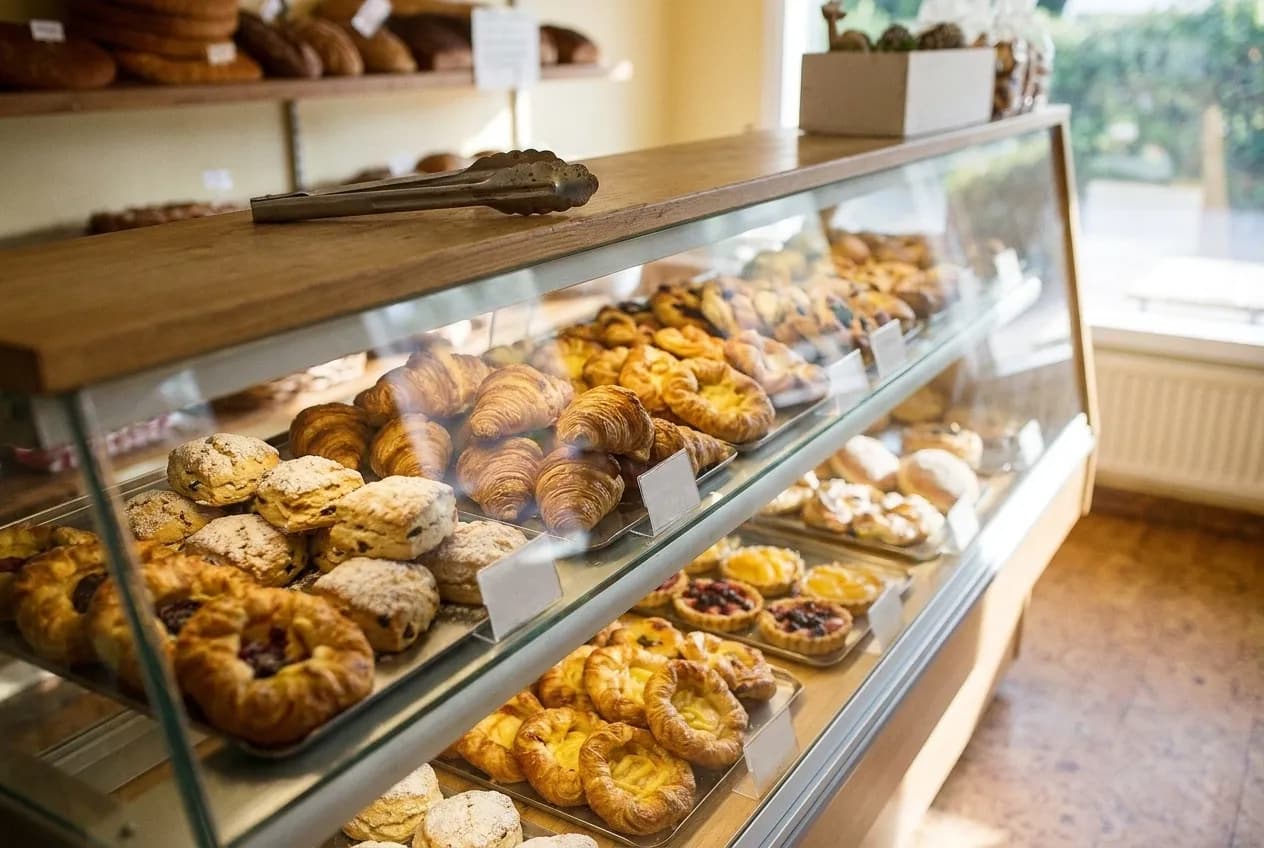
Start where the concentration is. The Mission is the warmest, sunniest and most food-dense district in San Francisco, and it can hold an entire day on foot. Morning: bread and a pastry from a serious bakery - Tartine on Guerrero is the one that reset American expectations for a sourdough loaf, and the queue is permanent, so go early or accept it. Then walk south along Valencia.
Lunch is a burrito, and this is non-negotiable as an experience even if you do not usually eat one. The Mission style - foil-wrapped, steamed tortilla, rice and beans inside, a complete meal - was invented here. La Taqueria on Mission Street is the one people argue for and leaves the rice out. Afternoon: walk 24th Street east for the murals, Balmy Alley, the panaderias and a much calmer version of the neighbourhood. Evening: a modern room on Valencia, booked, or back to Mission Street for tacos if you would rather stand up.
Day two: Chinatown into North Beach
These two neighbourhoods share a border and almost nobody crosses it in either direction, which is a shame because the crossing is the best five minutes in the city. Morning, and this genuinely means morning: Chinatown between seven and ten is doing its own shopping - produce stacked on Stockton Street, queues at the bakeries - and it is a completely different place from the afternoon version. Buy egg tarts and pork buns for a dollar or two each and eat them walking.
Late morning: dim sum from a takeaway counter rather than a sit-down room. Good Mong Kok on Stockton is the archetype - a queue, cash, a paper bag - and Portsmouth Square two minutes away to eat in. Then walk north up Grant, cross Broadway, and you are in North Beach. Afternoon: an espresso standing at the bar in one of the old caffès, and focaccia from Liguria Bakery on Stockton at Filbert if it has not sold out, which it does by mid-morning most days. Evening: pizza at Tony's on Washington Square, ordering two contrasting styles, or a late square slice from the Golden Boy window on Green Street.
Day three: west of the park, where the value is
Day three goes to the avenues, which is where residents eat and where the prices drop by a fifth for equivalent cooking. Clement Street in the Inner Richmond is the target: Chinese, Burmese, Vietnamese, Russian and Thai in a few walkable blocks. The dish to order is Burmese tea leaf salad - fermented tea leaves, fried garlic, split peas, peanuts, tossed at the table - which exists in this concentration nowhere else in the country.
In the afternoon, cross into Golden Gate Park and walk west, or take the N Judah out to the Outer Sunset for the Judah Street coffee cluster and Ocean Beach. Time this around sunset if the forecast is clear - the beach faces due west with nothing between it and the Pacific. If the fog is in, and in July and August it usually is, stay on Irving or Noriega and eat something hot instead. Either way, bring a real coat: the Sunset runs ten degrees colder than the Mission on the same evening.
The things to slot in wherever they fit
Swan Oyster Depot on Polk Street is an eighteen-stool counter that has run since 1912 and closes in the afternoon, so it has to be a lunch and you have to arrive early. The Ferry Building is best on a market morning and works as a first stop on any day. An Irish coffee at the Buena Vista at the Hyde Street cable car terminus is a late-afternoon thing after a cold walk, which is exactly the condition it was invented for.
And if it is winter - roughly November onward - cioppino is the dish invented in this city, a tomato and wine seafood stew built by Italian fishermen, and Dungeness crab season is what makes it worth ordering. Outside those months it is a fine dish made with frozen crab, which is a different proposition.
The scheduling rules that make it work
Kitchens here close early: last orders are typically between half past eight and half past nine on weeknights, and nine to ten at weekends. Book anything you care about on a Friday or Saturday, and use the nine o'clock slot in Hayes Valley, which frees up once the curtain goes up and is the easiest good booking in the city. Sunday and Monday have the highest rate of full closures - verify rather than assume.
Queues to plan around: Tartine, Swan Oyster Depot, Liguria before it sells out, and the popular Mission rooms at weekends. Transit: BART along Mission Street, the N Judah west, the 38 Geary to Clement. Crosstown journeys are slow, so cluster by neighbourhood and do not plan two districts in one meal slot. Hills: check the elevation before committing to a walk that looks short on a map.
Practical notes
Budget roughly: bakery items one to four dollars, dim sum by the piece a couple of dollars, a burrito eleven to fifteen, a bowl of noodles or a rice plate twelve to fifteen, a whole pizza twenty to thirty, a sit-down dinner on Valencia or in Hayes Valley considerably more. Weather: layers every day, a real coat for the avenues, and check the Sunset forecast separately from the city one. Cash still helps at Chinatown counters, Liguria, Golden Boy and the busiest taquerias. Seasons: Dungeness crab from about November; September and October are the city's warmest, clearest months, not July and August.
Tags: #BestPlacesToEatInSanFrancisco #SanFrancisco #MissionDistrict #Chinatown #NorthBeach #ClementStreet #OuterSunset #Tartine #SwanOysterDepot #DimSum #MissionBurrito #WeekendPlans #SFEats #FoodItinerary
All trademarks are the property of their respective owners.
Ask Karpo first
A three-day plan is only as good as its hours, and this city's hours change by neighbourhood and by day of the week. Ask Karpo to check what is open on the specific days you are here, how long the queues are running at the two or three places worth queueing for, and whether the fog means swapping day three for day one.