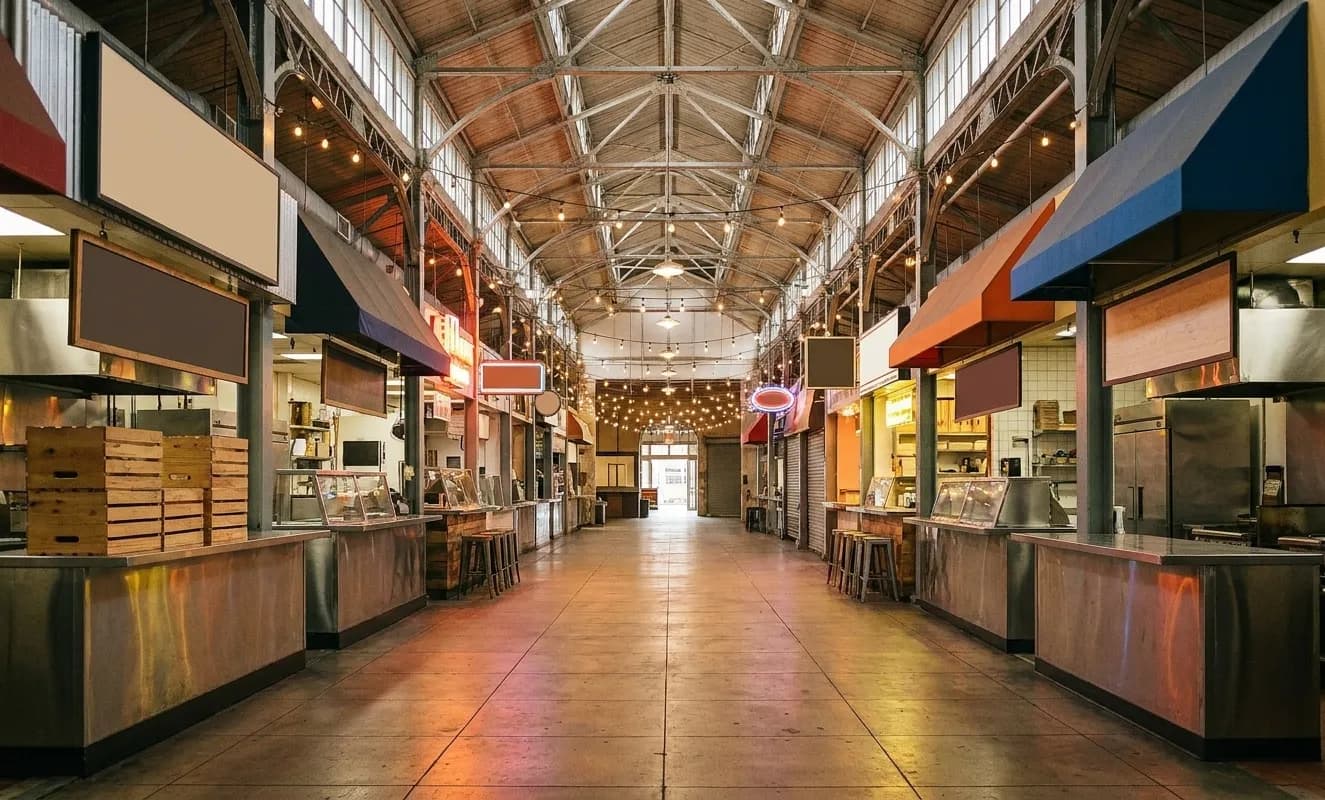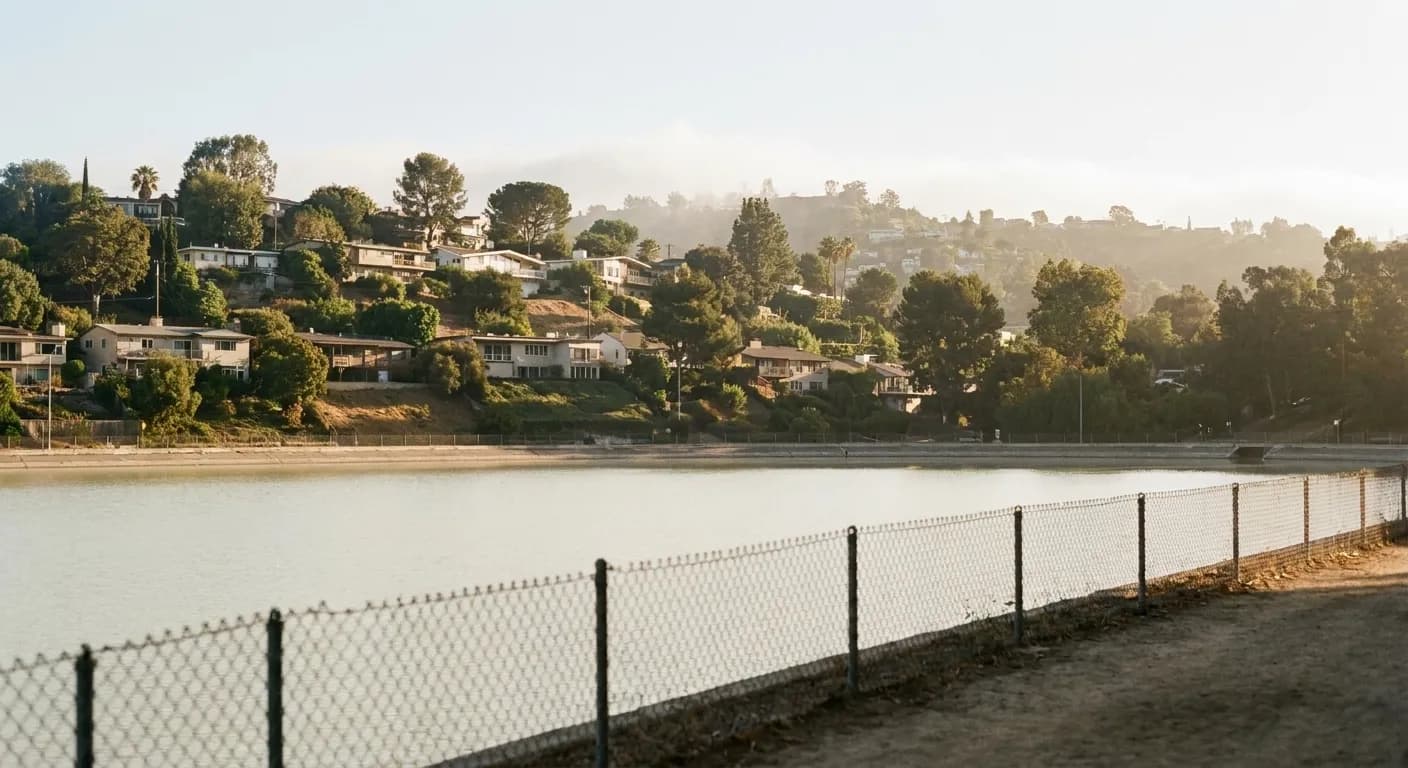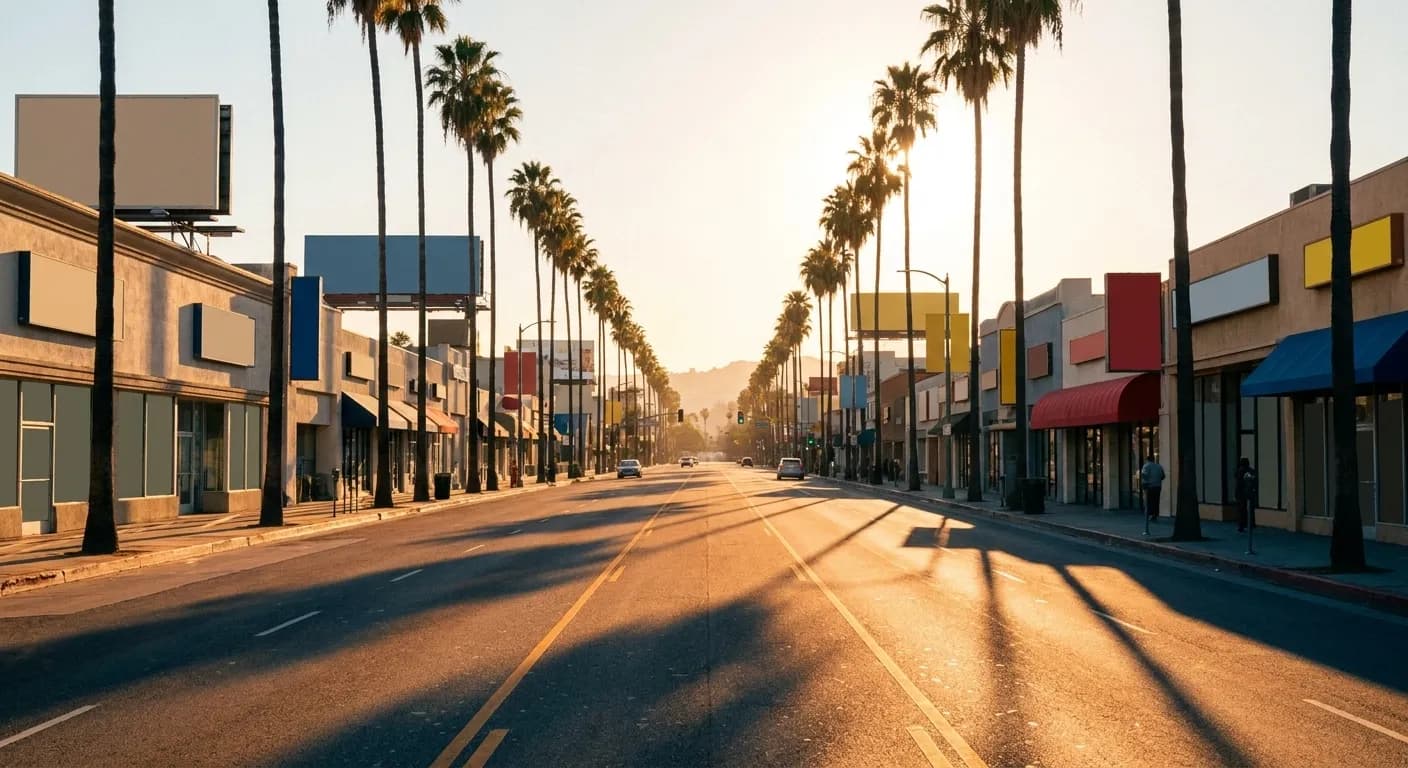
A first-time eating plan for Los Angeles usually looks like a list of six restaurants collected from other people's lists. It is a reasonable method in a compact city and it fails badly here, because those six restaurants will be spread across forty miles and the trip between two of them at six in the evening can take an hour. The city is not short of great food - it has more of it, and more variety, than almost anywhere. What it demands is that you organise by geography first and by desire second, which is the opposite of how anyone plans a holiday.
The gap between a fifteen-minute drive and an hour is often a single decision made at the wrong time of day. Tell Karpo where you are staying and when you want to eat, and it will build the list around the traffic rather than against it.
Pick regions, not restaurants
The workable structure for a four-day visit is to choose one part of the city per day and eat entirely within it. The Eastside - Silver Lake, Echo Park, Highland Park, Boyle Heights - is one. The Westside is another. Koreatown and Mid-City is a third. The South Bay and the beach cities is a fourth.
Each of those has enough range to fill a day at any price point. Doing it this way you eat four or five times a day and drive twice. Doing it by restaurant list you eat three times and drive five, and spend the difference on a freeway.
The categories Los Angeles genuinely leads on
Mexican, in more regional depth than any city outside Mexico. Korean, in Koreatown, at a scale and quality that no other American city approaches. Thai, particularly in East Hollywood, where the cooking is closer to what is served in Bangkok than anywhere else in the country. Persian, along the Westwood corridor. Salvadoran, Oaxacan, Armenian, Filipino - all with real communities behind them.
That is the list worth organising around. The steakhouse and the modern tasting menu exist here and are fine, and they exist everywhere. The reason to eat in Los Angeles specifically is the immigrant cooking, which is deeper and more various here than the city's reputation suggests.
Eat early or eat late, not at seven
Los Angeles eats earlier than New York and considerably earlier than Europe. A seven o'clock reservation is peak, and it is also the tail of rush hour, which means you are driving to dinner at the worst possible time and arriving at the busiest possible hour.
Five-thirty and nine-thirty are both dramatically easier. The five-thirty version means an easy drive and a table without a wait. The nine-thirty version means the roads are clear and the kitchens are calm. Both are better than seven, and neither requires planning weeks ahead.
Strip malls are the point
This is the single most useful thing a visitor can internalise. A very large proportion of the best food in Los Angeles is in a strip mall - a low building set back behind a car park, sharing a frontage with a nail salon and a dry cleaner. It looks like nothing from the road and it is where the city's cooking actually lives.
The reason is economic: those units are cheap, they have parking attached, and they let a family run a restaurant without a landlord's rent structure dictating the menu. Anyone who dismisses a place because it is in a car park will miss most of what is worth eating here.
Breakfast and the taco truck bookends
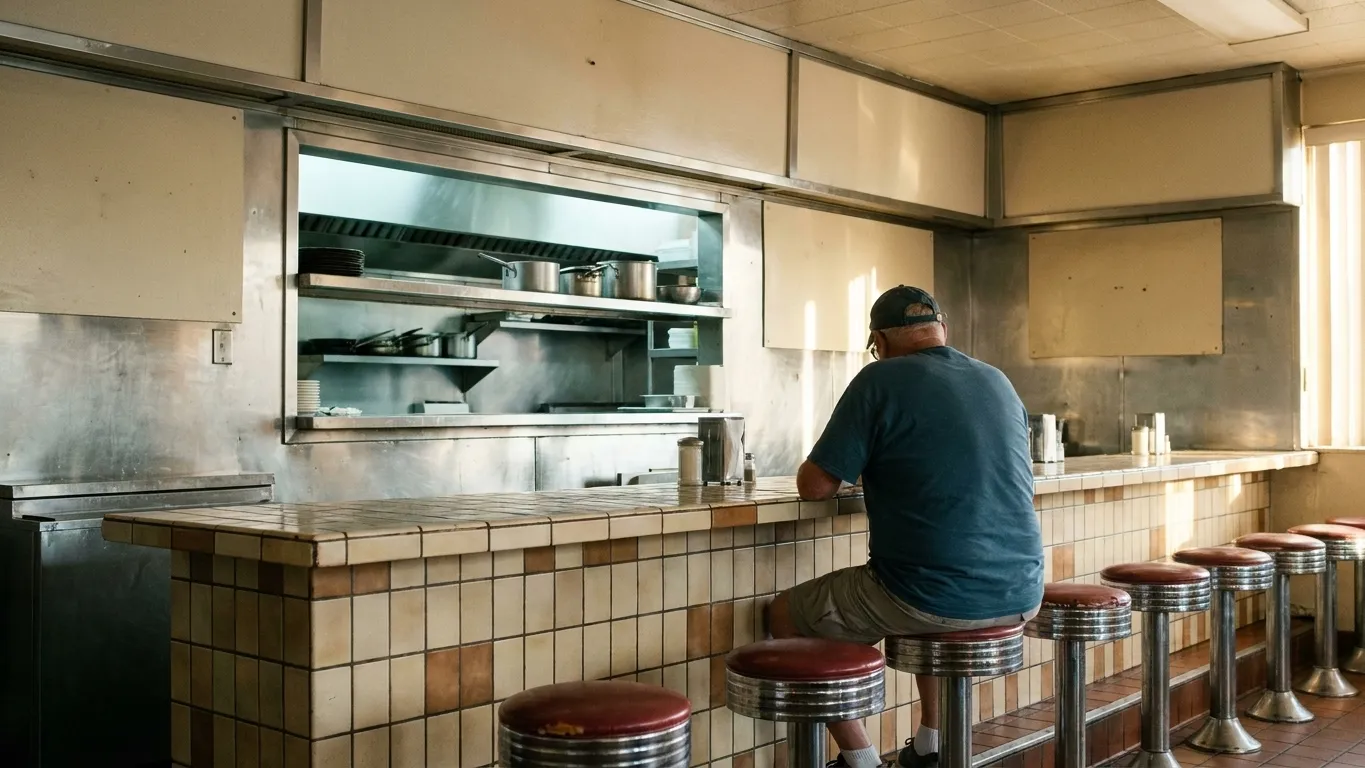
Two things worth building into every day regardless of which region you are in. A proper breakfast burrito in the morning, from a stand or a small counter rather than a restaurant - it is a genuinely local form and it is cheap, enormous and better than it has any right to be.
And a taco or two from a truck or a stand in the evening, after whatever the day's main meal was. These bookends cost about twelve dollars combined, they require no planning, and they are more characteristic of the city than any restaurant on any list.
The reservation question, answered honestly
A small number of restaurants here are genuinely difficult and require booking a month out. That number is much smaller than the discourse suggests, and none of them are necessary for a good visit. Almost everything recommended above is walk-in, and much of it is counter service.
If there is one place you have decided you want, book it, arrange the rest of that day around its neighbourhood, and stop there. Building an entire trip around three hard reservations in three different parts of the city is how people end up spending a holiday in a rental car.
A note on the driving
Check the time of day before committing to anywhere, every time. The same journey can take eighteen minutes or fifty-five depending purely on when you leave, and the difference is not gradual - it steps up sharply around three-thirty in the afternoon and again at five.
Where parking is concerned, most strip malls have their own lot and most of the Eastside does not. Street parking rules in Los Angeles are enforced enthusiastically and the signs are genuinely confusing; reading all of them on a pole before walking away is a habit worth acquiring on the first day rather than the third.
Tags: #BestPlacesToEatInLosAngeles #LAFood #FirstTimeInLA #LosAngeles #WhereToEatLA #LATravel #FoodGuide #Koreatown #StripMallEats #LAItinerary
All trademarks are the property of their respective owners.
Ask Karpo first
Eating well in Los Angeles is a routing problem more than a taste problem. Ask Karpo what is genuinely good near where you already are, and at what hour the drive will not eat the evening.