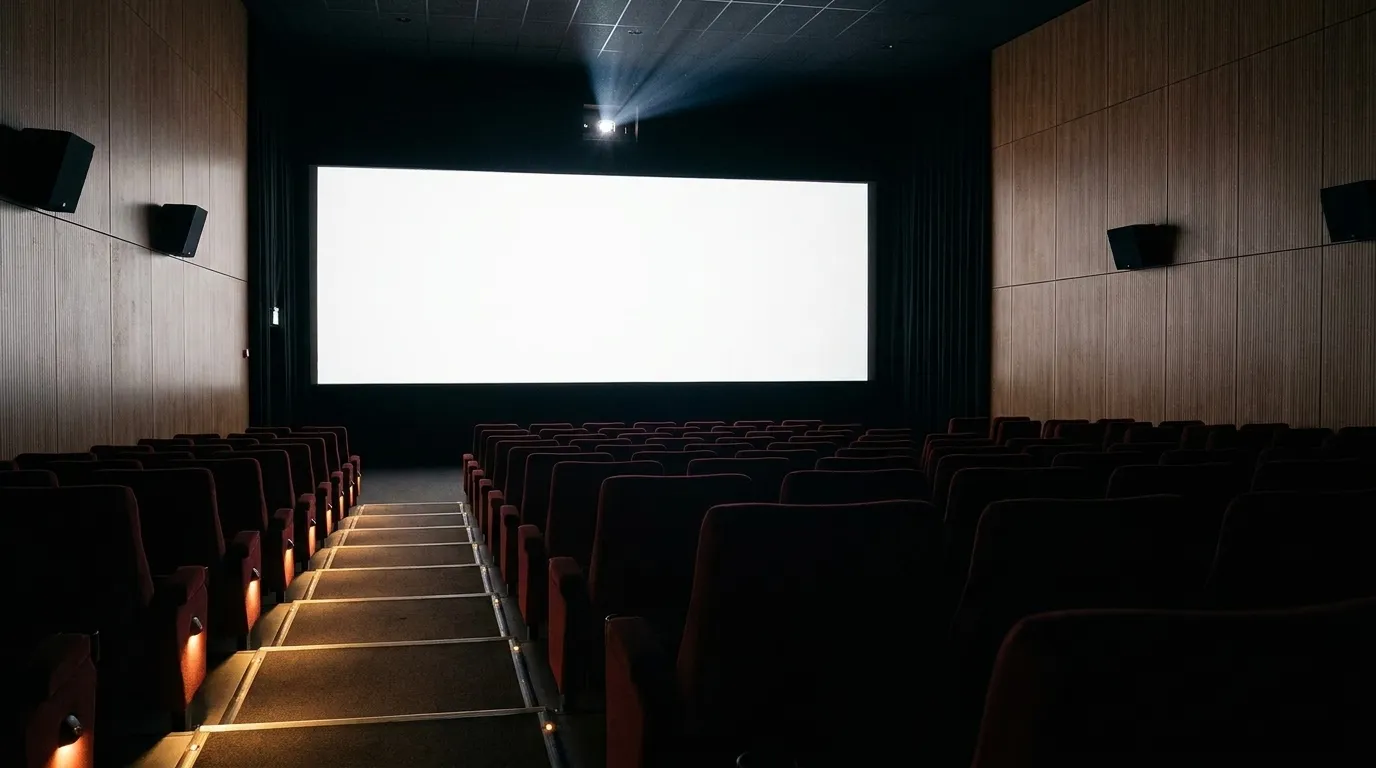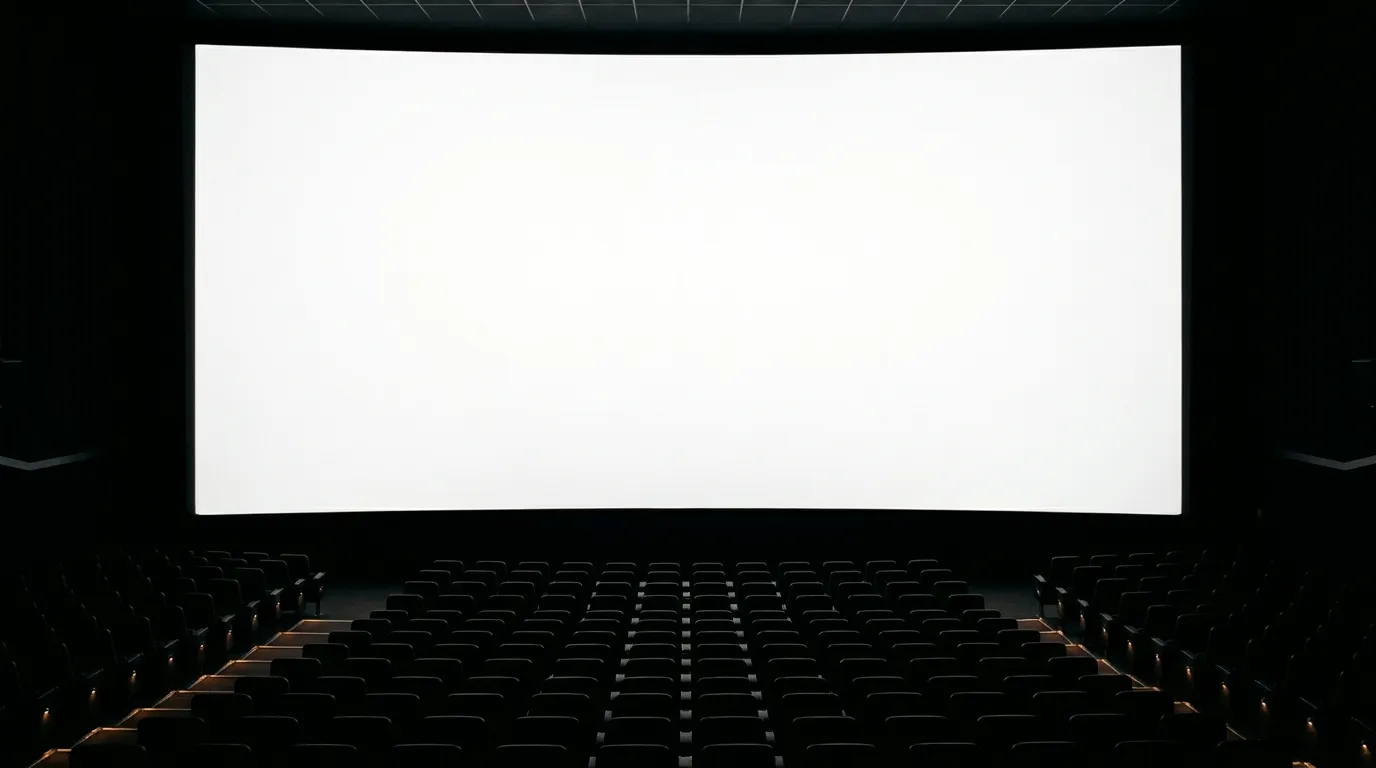
Premium cinema formats are marketed as a single upgrade and are in fact several different technologies doing different things, with a wide quality range inside each brand. In a city with as many screens as New York, this matters: the surcharge for a premium format is significant, and it buys a genuinely transformative experience in some rooms and almost nothing in others.
Which premium room is worth the surcharge depends on the film and the specific auditorium. Ask Karpo which screening near you is actually worth it.
What the formats actually are
IMAX is the oldest and most variable. The original format uses very large film or laser projection onto a tall, near-square screen that fills the peripheral vision, in a purpose-built auditorium with steep rake. It also licenses a digital version installed in converted conventional auditoriums, which has a smaller screen and a different aspect ratio. Both are branded the same way and they are not the same experience — the distinction between a purpose-built large-format house and a converted room is the single most important thing to know about this category.
Dolby Cinema combines dual laser projection with high dynamic range imaging and an object-based sound system with speakers placed around and above the audience. Its defining characteristic is contrast: the black level is genuinely black rather than dark grey, which changes how a film with heavy shadow detail looks more than resolution ever does. The auditoriums are also fitted out for sound isolation and have very good seating.
Where the difference is real
Format matters most for a specific kind of film. A film shot with large-format cameras and framed for a taller aspect ratio genuinely gains from a proper IMAX presentation, because whole sections of the image are simply not visible in a standard presentation. A film with a dense, dynamic sound mix gains from an object-based sound room. A visually dark film gains enormously from high dynamic range projection.
Format matters least for dialogue-driven films, for anything shot conventionally, and for anything you are seeing primarily for the story. Paying a premium surcharge for a comedy or a chamber drama buys you a nicer seat and very little else, and a standard screening in a well-run large auditorium will be indistinguishable.
How to tell what you are buying
Ask, or check, whether the auditorium is a purpose-built large-format house or a conversion. The tell is screen dimensions relative to the room and the steepness of the rake: a genuine large-format house has a screen that reaches from wall to wall and floor to ceiling and seating banked steeply enough that every row has a clear view. A conversion has a normal-shaped room with a larger screen at the front.
The other thing worth checking is what aspect ratio the specific film is being presented in. Studios release different versions for different formats, and a film shot for a taller frame will be shown that way only in venues capable of it. This information is published for most major releases and is the difference between seeing the film as it was framed and seeing a cropped version at a premium price.
New York's advantage
The city's density means that for most major releases, several format options are available within a reasonable journey, which is unusual. Manhattan has the highest concentration of premium screens, with clusters in Times Square, on the Upper West Side and around Union Square. Brooklyn and Queens have several, and the suburban multiplexes in the outer boroughs and just outside the city frequently have the newest installations and considerably cheaper tickets.
It also means that the standard large auditorium at a well-maintained venue is a genuine option rather than a compromise. Several of the best rooms in New York are not premium-branded at all; they are large, old, well-projected auditoriums with proper rake, and for many films they are the better choice.
Sound, which is half the ticket
The part of a premium format most people underrate is the sound. An object-based system places individual elements of a mix at specific points in three-dimensional space rather than assigning them to channels, and in a properly calibrated room the effect is genuinely different rather than merely louder. The catch is calibration: a room with the equipment installed and set up badly sounds worse than a good conventional room, because the additional speakers make a poor mix more obviously poor. Rooms that are consistently praised for sound tend to stay that way, and it is worth remembering which they are.
Seat choice and timing
In a large-format house, sitting further back than usual is a mistake — the format is designed to fill your peripheral vision and the correct position is closer than instinct suggests, roughly halfway back rather than two-thirds. In a Dolby room the sound is calibrated for the centre of the auditorium, so centre seating matters more than distance.
Book early for opening weekend of anything shot for large format, because those screenings sell out first and the premium rooms are the smallest inventory in the building. Weeknight screenings in the same rooms are frequently half empty. And a weekday matinee in a premium room is one of the better-value experiences in the city, since the surcharge is applied to an already-discounted ticket.
Practical notes
Check whether the venue's large-format screen is purpose-built or converted before paying the surcharge. Check what aspect ratio the film is being shown in. Sit closer than usual in a large-format house and centrally in a sound-focused room. Premium formats are worth it for films shot for them and rarely worth it otherwise. Outer-borough and suburban venues frequently have newer installations at lower prices. And if you are choosing between a premium screen at a mediocre venue and a standard screen at an excellent one, take the excellent venue.
Tags: #NYC #NewYorkCity #Movies #Cinema #IMAX #DolbyCinema #MoviesNearMe #TimesSquare #UpperWestSide #Brooklyn #Queens #WeekendPlans #FilmLovers #BigScreen
All trademarks are the property of their respective owners.
Ask Karpo first
Want to know which premium screens near you are purpose-built, what aspect ratio your film is showing in, and which auditorium is actually the best one tonight? Ask Karpo before you pay the surcharge.