 Humanmade Woodworking Workshop: SOMA Tools And Classes Guide
Weekend Plans
Best Free Events Happening in San Francisco This Weekend
Most weekend plans collapse by Saturday afternoon. Here's how to build a route through San Francisco's free events that survives fog and schedule changes.
You wake up Saturday with a list of free events pulled from three different websites, all promising outdoor markets and park concerts and gallery openings. By eleven the fog hasn't lifted in the Sunset, the farmer's market you wanted is vendor-light because of wind, and the museum free day you counted on turns out to require advance registration that filled up Thursday. You're standing on the corner of Judah and 9th with a dead plan.
Text Karpo right now and ask what's actually open this Saturday or Sunday—it checks live hours, weather delays, and builds you a route that accounts for Muni timing and has a backup if your first pick gets rained out.
Why most free weekend plans fall apart by noon
The mistake is treating free events as fixed points. They're more like tide tables—they depend on weather, volunteer turnout, permit approvals that come through late, and the unpredictable rhythm of city departments. A better approach is to pick a neighborhood with density, map two or three free events within a twenty-minute walk of each other, and leave room to pivot. That way if the outdoor screening gets postponed or the community garden tour is canceled, you're already near something else that's open.
Start in a place like the Inner Sunset or Noe Valley, where you have parks, library programming, and commercial corridors close together. If the main event doesn't work out, you're near a bakery with tables, a bench with decent light, and a Muni line that gets you to the next option without backtracking through downtown. The goal is resilience, not a perfect schedule.
A weekend route that survives weather and timing shifts
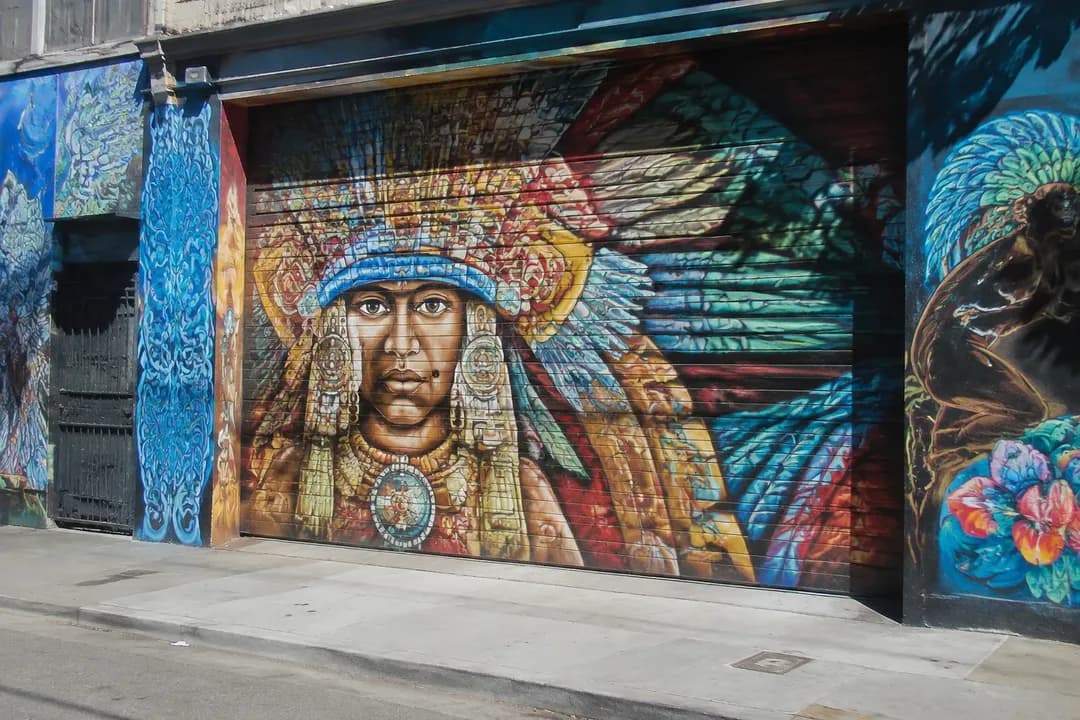
Saturday morning, check what's happening at Golden Gate Park. The band shell near the Music Concourse often hosts free performances—confirm the day's lineup on the park's event page before you go. If there's nothing scheduled or the fog is heavy near the ocean, pivot to the Mission. The neighborhood has year-round free events: mural walks along Balmy Alley and Clarion Alley are always open, the Women's Building facade is worth fifteen minutes, and if the weather turns you can duck into Adobe Books on 24th Street or sit inside Tartine's parklet with coffee and wait it out.
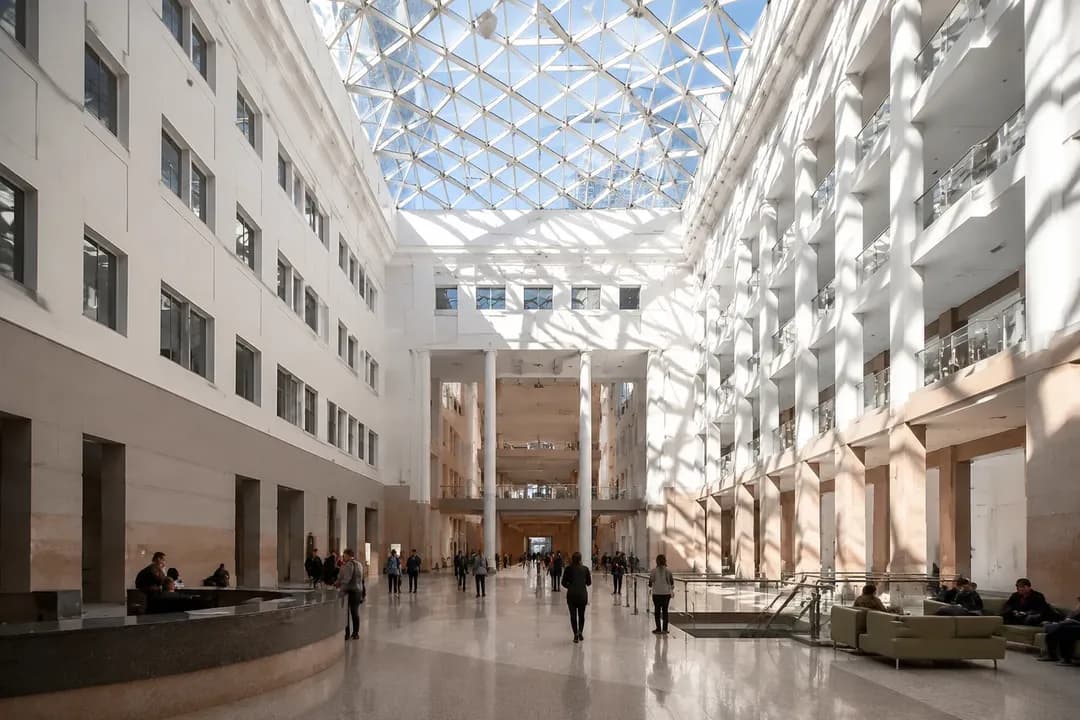
Sunday works better for library and cultural center programming. The main branch on Larkin near Civic Center runs free author talks, film screenings, and art exhibits in the skylit atrium—check their calendar the night before because some events require a same-day ticket from the desk. If you're coming from the East Bay on BART, get off at Civic Center and walk the four blocks instead of transferring to Muni; it's faster and you pass the Asian Art Museum's free-admission courtyard. The museum itself has free first-Sunday entry, but the line can stretch to an hour by noon. If it's long, keep walking to Hayes Valley. Patricia's Green has free yoga some Sunday mornings, and the surrounding blocks have benches and parklets where you can regroup.
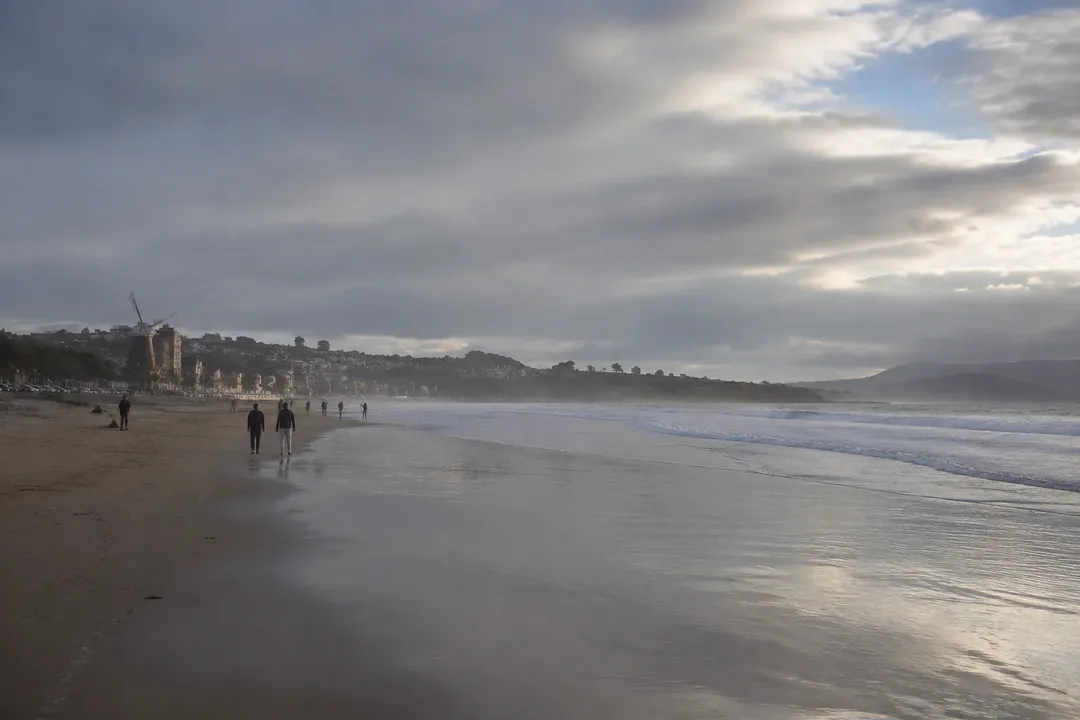
For late afternoon, head to Ocean Beach if the wind has died down. There's no formal event, but the beach itself is free and the walk along the Great Highway between Balboa and Lincoln costs nothing. The light gets good after four when the fog starts breaking up. If it's still too cold, turn back toward the Richmond and walk Clement Street instead—there's usually something open, the sidewalks are wide, and you can check posted flyers for pop-up markets or community gatherings that weren't online earlier in the week.
Who should skip the free event search entirely
If you need guaranteed start times and indoor seating, free events are the wrong plan. Most depend on volunteers, city permits, or donated space, which means they're vulnerable to last-minute changes. The neighborhood concert that was supposed to start at two might begin at two-thirty, or the organizer might announce from a folding table that they're down a sound system and the whole thing is rescheduled. You can't call ahead to confirm details the way you would with a ticketed venue, and many free events don't have a customer-service line to check status.
This also isn't the right approach if you're trying to impress someone who values polish. Free events in San Francisco tend to be scrappy—handmade signs, mismatched chairs, someone's Bluetooth speaker doing the audio. That's part of the charm if you're expecting it, but if your guest is used to slick production and clear wayfinding, they'll spend the afternoon wondering why nothing feels organized. In that case, pay for a museum ticket or a proper venue where someone is paid to manage expectations.
Finally, if you're on a tight transit schedule—catching a ferry, meeting someone across town at a set time—don't build your day around free events. They run long, they start late, and if you're counting on a 4 p.m. end time so you can catch the 4:15 Muni, you'll spend the last twenty minutes anxious and distracted. Free events reward a loose plan and a willingness to let the day shape itself.
What to confirm the night before and the morning of
Friday night, go through your list and verify what's actually happening. Check the park department's event page, the library system's calendar, and any neighborhood association sites. Look for weather advisories—if there's wind or rain in the forecast, outdoor events in the Presidio or along the waterfront are likely to be postponed, even if the website hasn't updated yet. Save phone numbers or social media handles for the organizing groups if they're listed, though many small free events don't have a live contact.
Saturday morning, do a second check an hour before you leave. Websites sometimes update late, but Instagram stories and neighborhood Facebook groups will show you if a market is setting up or if a park program has been moved indoors. If you're heading to a library event, confirm the room is open that day—branch hours can shift for staff meetings or building maintenance, and not every calendar reflects same-day changes. It's also worth checking Muni alerts; if your line is running slow or there's a weekend closure, you'll need to adjust your route or add fifteen minutes.
Bring a backup. Write down two other free events or public spaces in the same neighborhood, with cross streets and a sense of when they're accessible. That way if your first choice doesn't pan out, you're not standing on the sidewalk scrolling through search results with a dying phone battery. The best free-event days in San Francisco come from having a loose plan, local knowledge of where to sit when you need a break, and the flexibility to let the city show you what's actually open instead of what you hoped would be.
Practical notes
- Check event pages the night before and again the morning of—free events shift with weather and volunteer availability.
- Fog and wind often delay or cancel outdoor programming in the Sunset and along Ocean Beach; have an indoor or windbreak option nearby.
- Library free events sometimes require same-day tickets from the front desk; arrive twenty minutes early if it's popular.
- Muni weekend schedules run slower; add fifteen minutes to any transfer, especially if you're connecting downtown.
- Most free events don't have customer service lines—rely on posted signs, social media updates, or ask someone setting up.
- Bring layers and a way to sit; many free outdoor events have limited seating and the temperature drops fast after four.
Tags: #karpo #sanfrancisco #freeevents #sfweekend #weekendplans #thingstodosf #sanfranciscoevents #sf #bayarea #exploringsf #noevalley #missiondistrict #goldengatepark #innersunset #sfculture
All trademarks are the property of their respective owners.
Ask Karpo first
Text Karpo before you leave and ask what free events are actually running this weekend—it checks live status, weather impacts, and builds you a route that accounts for Muni timing and has a backup. You can also ask for a current list of what's open in a specific neighborhood, so you're not walking to something that got postponed.
Ask Karpo for more information.
Keep reading
- Humanmade Woodworking Workshop: SOMA Tools And Classes Guide
 Free Woodworking Workshop in the Mission: Noisebridge Shop
 Wood Thumb Woodworking Workshop: $94 Cutting Board Class