 Where to Eat Near Penn Station That Isn't a Chain
US Open 2026
Best Food at the US Open Beyond Stadium Classics
Eat better at the US Open by matching your food plan to tickets, court moves, comfort, access, and official grounds updates.
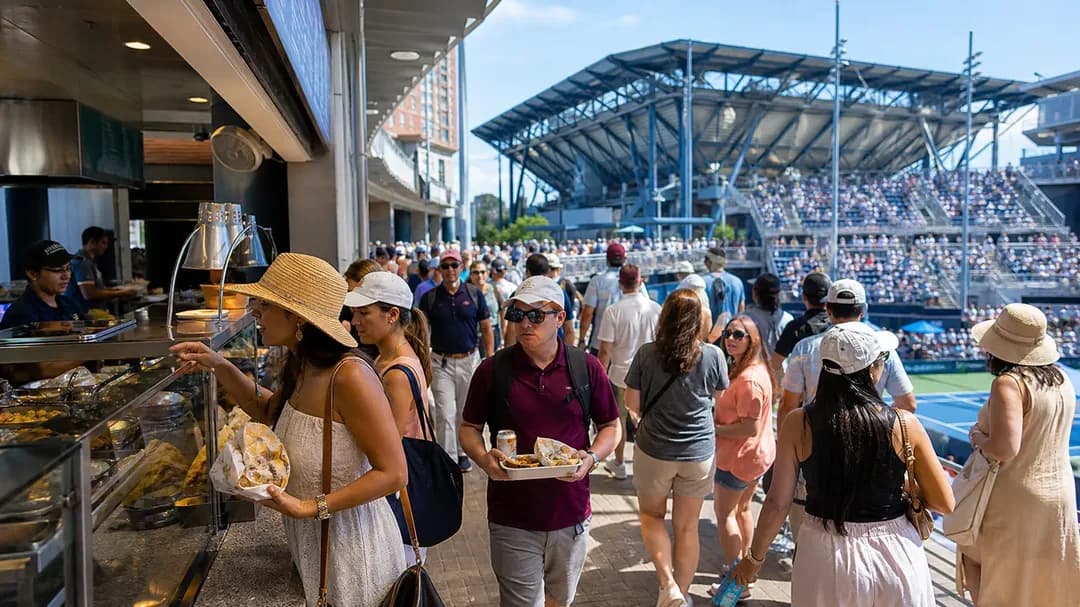
The best food at the US Open is not only the most interesting bite; it is the choice that fits your ticket, your court plan, the weather, and the amount of tennis you are willing to miss. For first-time visitors, the tournament can feel like a small city, with stadium sessions, outer courts, shops, restrooms, security screening, crowds, and meal decisions all competing for attention. A great food plan is really an operations plan. It helps you decide when to eat, where to regroup, when to skip a long line, and when comfort matters more than novelty. Before travel, check the official US Open Visit page, grounds map, and event schedule, because policies, vendor locations, inventory, menus, and operating details can change.
Text Karpo Now: Tell us what matters most for Best Food at the US Open, and Karpo can turn current US Open updates into a practical plan before you go.
Start With Your Match Plan
Before choosing what sounds good, decide what kind of tennis day you are building. A reserved stadium ticket gives you fixed anchors: you know where your main seat is, and you can decide whether food should happen before the session, during a natural lull, or after a headline match. A grounds-heavy day is different. You may move between outer courts, practice areas, shops, and food areas, so the best meal is often the one nearest your next target, not the one with the biggest reputation.
The common mistake is waiting until hunger and crowd flow peak together. If you leave a stadium right after a set ends, many other fans may do the same. If you wait until a match becomes dramatic, you may not want to leave at all. Identify two eating windows: an ideal window and a backup. The ideal window is when your schedule naturally opens. The backup is the moment you accept that a match is too good to abandon and choose a quicker nearby option later.
- If your priority is a specific match, eat before it starts or after it ends.
- If your priority is exploring the grounds, choose flexible food stops near courts and amenities you already plan to visit.
- If heat or fatigue is building, prioritize shade, seating, water access, and shorter lines over novelty.
- If you are with a group, agree on a meeting point from the official grounds map before anyone joins a food line.
Where Food Decisions Happen
Official visitor information should guide your route. Use the tournament’s visit guidance, grounds map, and event schedule to understand where onsite options, entrances, courts, restrooms, shops, and other amenities are located. Do not rely only on old social posts or a friend’s memory. A vendor that was convenient on one trip may move, change its offerings, sell out of a popular item, or operate differently on another day.
Think in zones rather than single famous items. Areas near major stadiums can be convenient but busy, especially around session transitions. Food areas closer to outer-court traffic may be better for fans who are sampling tennis all day. A seated or more structured dining option, if listed in current official materials for your date, can be useful when comfort matters more than speed. Quick-service stands are better when you need to return to a court before momentum shifts.
Realistic expectations help. The US Open is a major New York sports event, so demand can be intense. A hyped item may involve a wait, and a more ordinary meal may be the smarter choice if it keeps you hydrated, fed, and in position for the match you came to see. The best food decision is not always the most photogenic one.
Beyond Classics, What To Seek
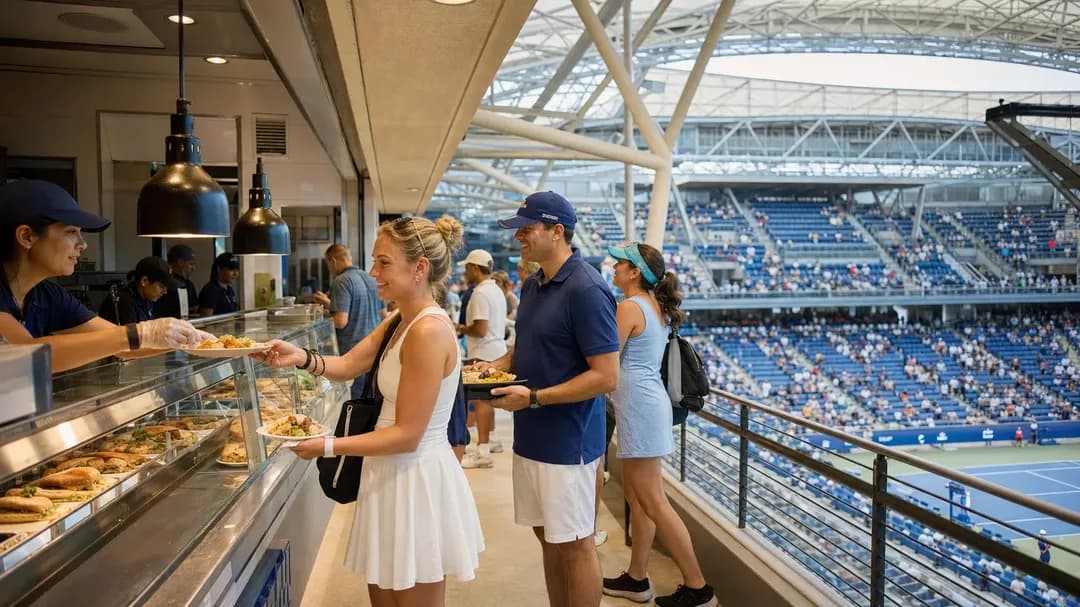
“Beyond stadium classics” does not mean ignoring familiar food. It means looking for variety, freshness, and comfort when the day gives you a chance. Heavy snacks can be fine for a quick bite, but they may not carry you through afternoon sun, evening tennis, long walks, and crowded transit. When reviewing current onsite options, look for meals that balance something satisfying with lighter components, such as produce or other less-heavy choices, if available.
Visitors who want a local-feeling experience without leaving the grounds should compare current official food listings with their schedule, then choose one destination meal and one utility meal. The destination meal is the one you are excited to try when you have time. The utility meal is the dependable option that solves hunger quickly. Planning both prevents the classic problem of spending too long searching while matches are happening.
Drinks deserve the same planning. Tennis days can involve sun, long walks, and waits. Before you travel, review official visitor policies for what you may bring, what containers or items are restricted, and where water or beverage options are shown onsite. Do not guess on bag rules or prohibited items, and do not assume that a container allowed at another venue will be allowed here. Current official guidance is the safer reference because entry procedures can change.
Comfort, Access, And Timing
Food planning is comfort planning. If you are traveling with children, older relatives, visitors with mobility needs, or anyone who dislikes crowds, reduce the number of decisions you make in the moment. Check the official grounds map before arrival, note restrooms and accessible routes or services listed by the tournament, and choose food areas that avoid unnecessary backtracking. If you need specific accessibility information, verify it through current official US Open visitor resources rather than assuming details from prior years.
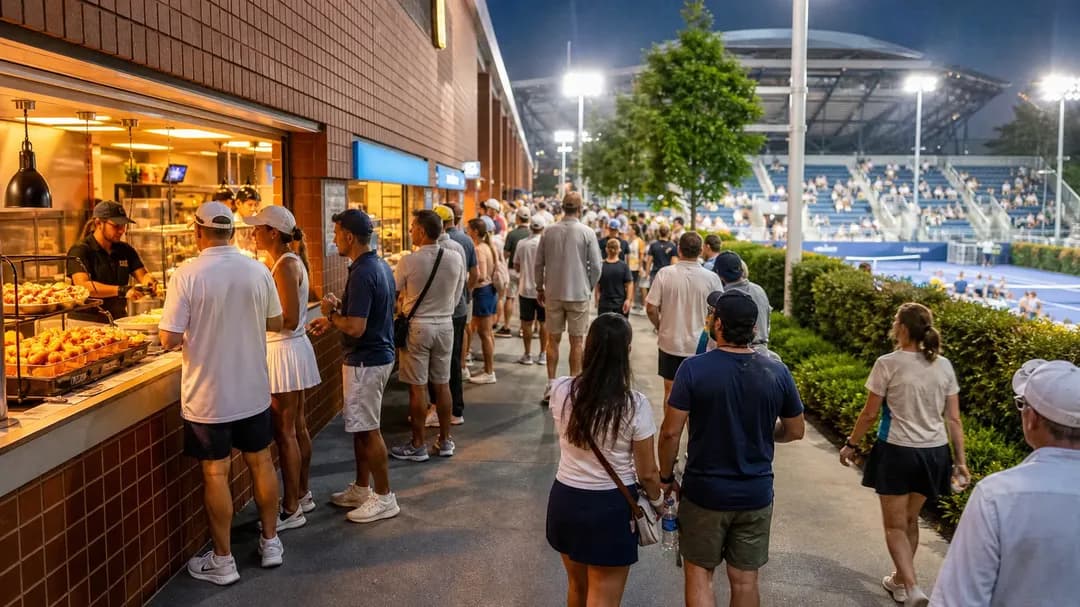
Timing changes by session. Day sessions can make shade and hydration central. Evening sessions can create a different problem: people may arrive close to dinner, demand can cluster, and fans may be trying to eat before the biggest matches on their ticket. If you hold tickets for both day and evening tennis, build in a real reset. A pause to sit, hydrate, and eat something substantial can make the second half of the day more enjoyable.
- Best for speed: choose a nearby option before a set ends and crowds surge.
- Best for comfort: eat earlier than normal, when seating and lines may be easier.
- Best for groups: split tasks only after confirming a meeting spot on the grounds map.
- Best for cautious planners: verify bag, food, beverage, and re-entry policies shortly before travel.
There is no single perfect meal route because your best option depends on ticket location, weather, crowd movement, and match drama. The smarter goal is to avoid being trapped by hunger. If you know you cannot miss a player’s match, eat first. If you are not attached to one court, use food as a way to explore the grounds. If you are tired, stop trying to maximize every minute and choose the option that helps you enjoy the tennis still ahead.
Practical Notes
In the week before you go, check the official US Open Visit page, grounds map, and event schedule for current policies, locations, and daily context. Save the grounds map on your phone, while remembering that battery life can drain during a long day. Do not invent your own security assumptions: verify bag, outside food, beverage, camera, and prohibited-item guidance before leaving for Queens. If you are planning a special meal, identify a backup nearby. If you need accessible seating routes, assistance, elevators, restrooms, or other services, confirm them through official tournament information. On arrival, eat before you are desperate, hydrate earlier than feels urgent, and let the tennis schedule, not social media hype, decide when a food line is worth it.
Tags: #USOpen2026 #Tennis #GrandSlam #NewYorkTennis #ArthurAsheStadium #FlushingMeadows #USOpenGuide #TennisFans #SportsTravel #HardCourt #NewYork #KarpoFinds
Sources consulted: usopen.org — Official reference · usopen.org — Official reference · usopen.org — Official reference
All trademarks are the property of their respective owners.
Ask Karpo first
Want to know what is confirmed, when to show up, and how to make best food at the us open work for your day? Ask Karpo for current US Open updates, a respectful fan plan, and a live route around Flushing Meadows.
Ask Karpo for more information.
Keep reading
- Where to Eat Near Penn Station That Isn't a Chain
 Andytown Coffee in the Outer Sunset: The Snowy Plover Explained
- Best Things to Do in Chicago: What the City Gives Away