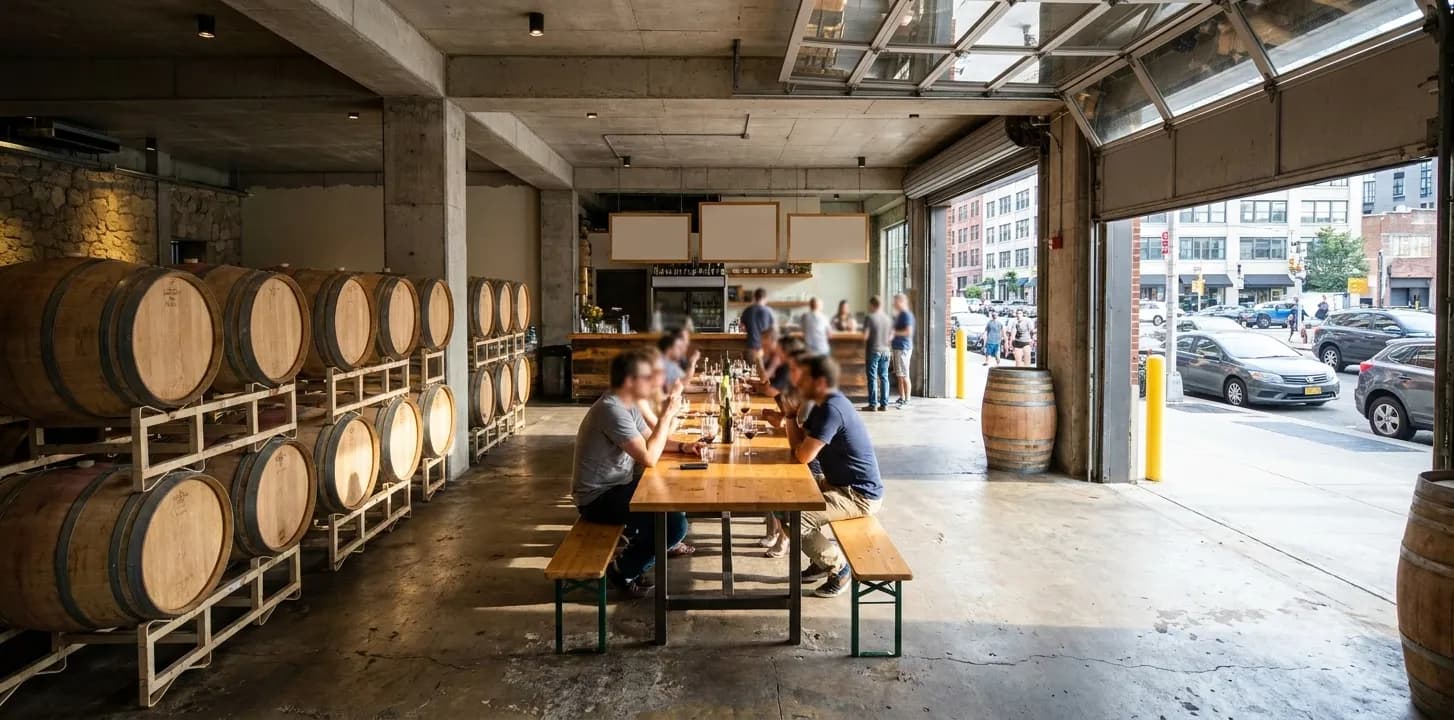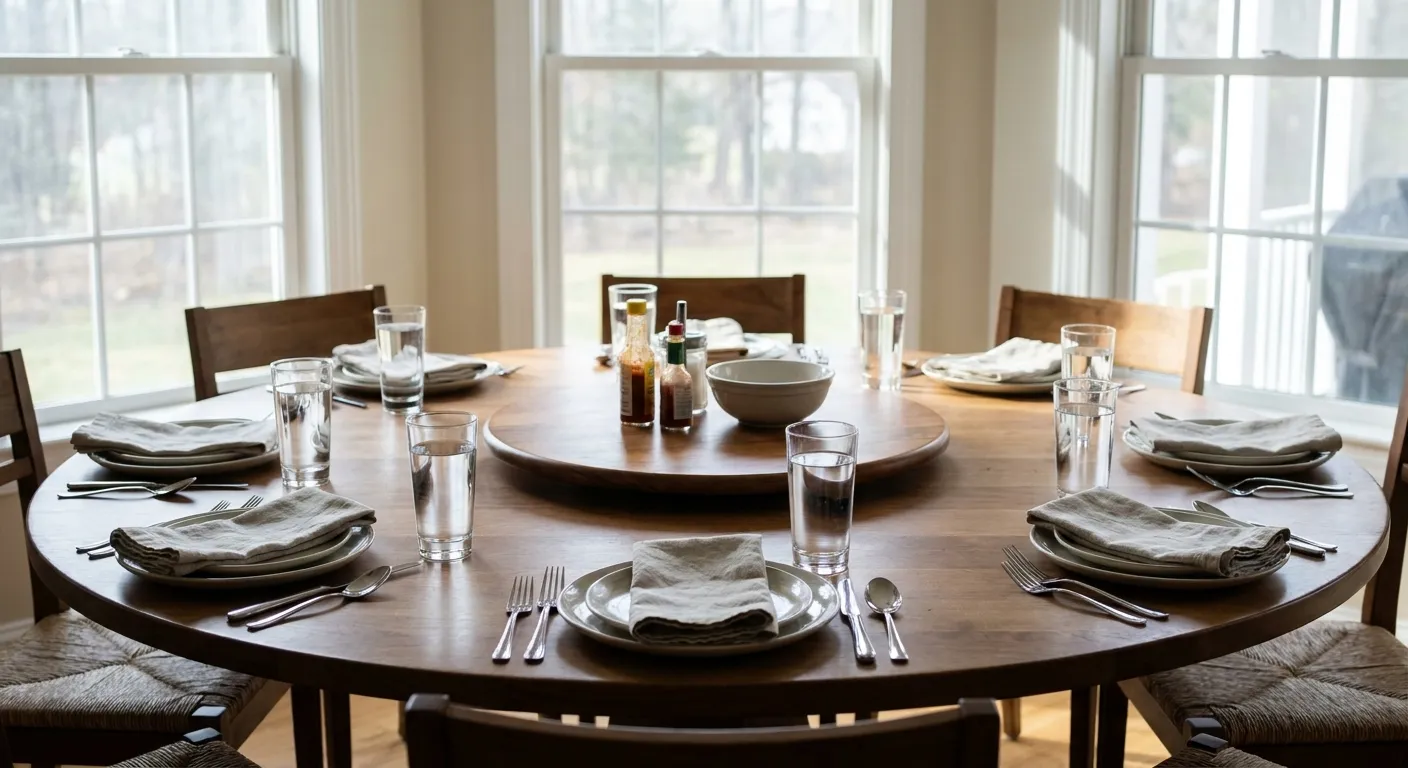
A party of two can eat breakfast anywhere in San Francisco. A party of six on a Sunday morning is a logistics problem, and it is a problem the city is structurally bad at: the restaurant stock is dominated by small rooms with small tables, most brunch places do not take bookings, and the waitlists at the popular ones run past ninety minutes by half past ten. The good news is that there is a category built precisely for large groups, it is one of the best things about this city, and almost nobody thinks of it when they say breakfast. Everything else is a matter of timing and knowing which rooms can physically hold you.
Karpo can find San Francisco rooms that will seat your group this weekend, tell you the current wait, and which take a booking.
Dim sum is the answer and it is not close
A dim sum hall solves every constraint at once. Large round tables are the default rather than the exception, groups are the expected customer, the food arrives continuously in small dishes so nobody waits for a synchronised main course, the noise level means nobody has to be quiet, and the bill per head is remarkably low for the volume of food.
The Richmond and the Sunset hold the highest concentration of the big halls, with Chinatown holding the historic ones. Go earlier than feels natural — a group arriving at ten on a Sunday walks in, a group arriving at noon waits an hour. Menu-order service is easier than cart service for a group, because you are not competing with neighbouring tables for what comes past.
Why most brunch rooms cannot take you
The structural problem is table stock. A forty-seat San Francisco restaurant laid out for twos and fours may have exactly one table that seats six, and on a Sunday it is spoken for. Some rooms will push two four-tops together and many physically cannot.
Call and ask specifically whether they have a table for your number, rather than whether they take bookings. The answer is frequently that they do not take reservations but do have a six-top and will tell you when to arrive. That conversation gets you further than any app and takes ninety seconds.
Working the waitlist properly
For no-reservation rooms, three rules. Join remotely as early as the system allows, and join two lists rather than one. Have the entire party present or nearly so when your table comes up — most rooms will not seat a partial group, and a party of six with two people twenty minutes away goes to the back of the queue. And be accurate about the number, because a list joined as four and arriving as six gets rebuilt from scratch.
The most common way a group breakfast fails in this city is not the wait. It is three separate people arriving over forty minutes while the table is called and released.
Consider splitting the group deliberately rather than fighting for one table. Two tables of three at a popular room will often be seated in a fraction of the time a table of six waits for, and in a city where the constraint is table stock rather than capacity, that is frequently the fastest route to everyone eating. It is a less romantic solution and it works.
Timing, and the San Francisco advantage
This city eats early, which for once works entirely in a group's favour. An eight-thirty or nine o'clock arrival on a weekend gets a large table almost anywhere, with a calm room and unhurried service. By eleven the same restaurant is at capacity with a long list.
If the group cannot manage early, the other viable slot is late — after about one-thirty, when the brunch rush breaks and rooms empty quickly. What does not work is arriving at eleven and hoping, which is what most groups do.
Weather is worth a thought in a way it is not in most cities. San Francisco mornings are cold and frequently foggy even in summer, and a group waiting forty minutes on a pavement in the Richmond at nine in the morning is a genuinely unpleasant experience. Rooms with an indoor waiting area, or a coffee shop next door to wait in, are worth prioritising for exactly this reason.
Other formats that take groups well
Beyond dim sum, three categories reliably handle a large table. Bakeries and café-bakeries with communal seating, where you order at a counter and there is no table-service constraint. Food halls and market buildings, where a group can spread across several vendors and reconvene at a shared table. And the older neighbourhood restaurants in the Richmond, the Sunset and the Excelsior, which were built with larger rooms and have not been reconfigured.
The counter-service formats have a further advantage for a group: everyone pays for their own without anyone doing arithmetic at the end, which removes the other reliable source of friction at a group breakfast.
Making the meal itself work
Order shared plates in the middle regardless of the format — a couple of pastries, a fruit plate, something to pick at — because it gives the table something to do while the individual dishes arrive at staggered times, which they will.
And settle the bill question before you sit down. Many San Francisco restaurants will decline to split a cheque more than a few ways at a busy service, and a group discovering that at the end while a queue waits for the table is an unpleasant way to finish. One card and a settling-up afterwards is faster for everyone, including the restaurant.
One final thing: whoever organises this should decide the place rather than putting it to the group. A group of six deciding where to have breakfast by consensus at nine on a Sunday morning is how everybody ends up eating at eleven. Pick somewhere that can seat you, tell people the time, and the whole thing works.
Tags: #SFBreakfast #GroupDining #DimSum #SanFranciscoFood #RichmondDistrict #SunsetDistrict #Chinatown #WeekendPlans #Brunch #SFEats #BigTable #Waitlist #FoodGuide #BayArea
Please drink responsibly. Must be of legal drinking age.
All trademarks are the property of their respective owners.
Ask Karpo first
Want to know which San Francisco rooms can seat your group this weekend, what the wait is, and which take a booking? Ask Karpo before Sunday.