A beach day near Los Angeles is one of the few genuinely free things this city offers, and it goes wrong for one reason more than any other. Not weather, not crowds on the sand, not the drive — the car park. Once you plan around that, the day works; once you do not, you spend the best hour of the afternoon circling.
Lot capacity and coastal conditions both change through the morning and neither shows up in a forecast. Ask Karpo what the coast looks like before you load the car.
The parking is the whole plan
The numbers make it concrete. El Matador's lot off the Pacific Coast Highway holds roughly fifteen to twenty cars at around eight dollars, subject to change on holidays. The official lots at Zuma, Point Dume and Leo Carrillo run somewhere between three and fifteen dollars a day. On a summer weekend or a holiday the best legal spaces are gone before late morning, and midweek is markedly easier at all of them.
Fifteen to twenty cars is not a car park, it is a queue — and it is also the reason those beaches are pleasant when they are reachable. The capacity of the lot is the capacity of the beach. That is why arriving early is not a preference but the entire strategy, and why the alternative is to pick somewhere the constraint does not bind.
Where transit actually works
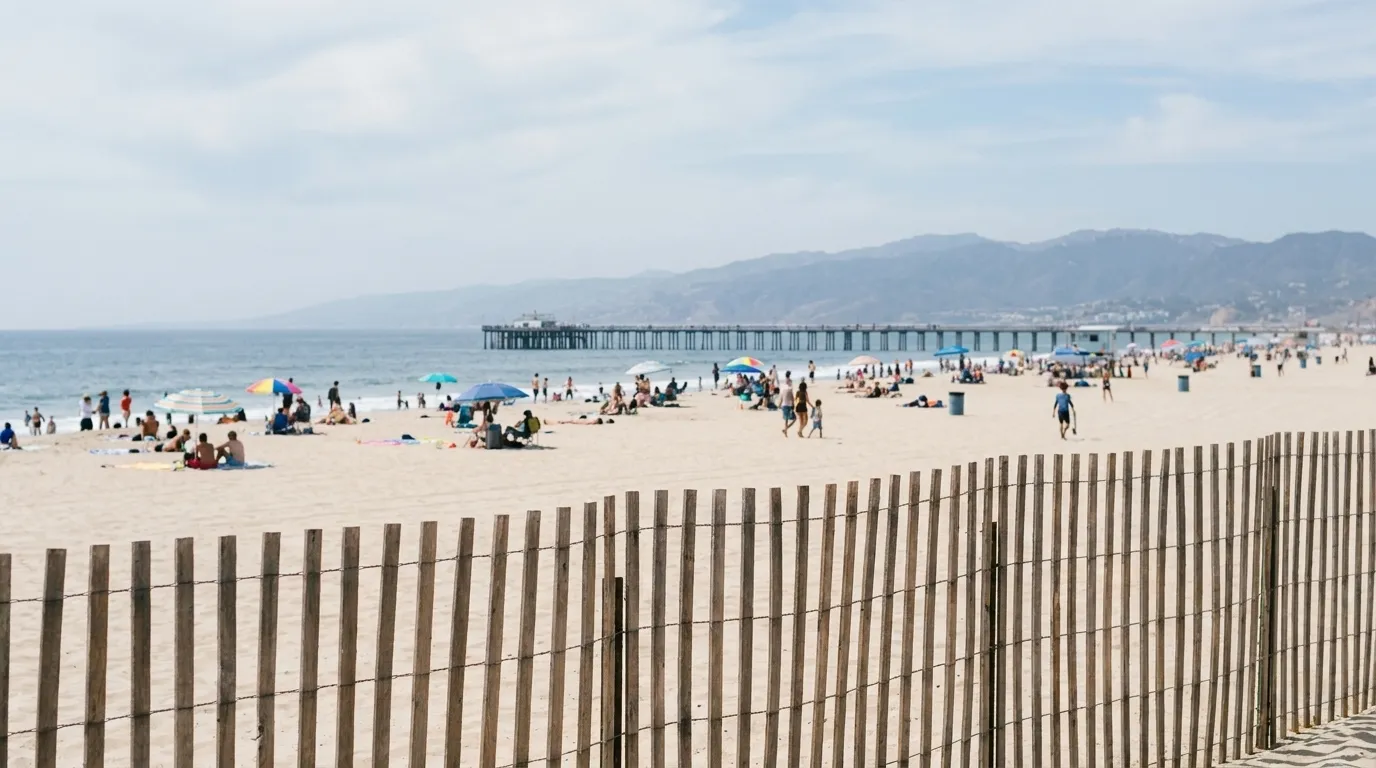
The beaches with real transit access are the wide urban ones rather than the Malibu coves, and that is a genuine trade rather than a compromise. A long, flat, busy beach reached without a car means no parking decision, no returning to a meter, and the freedom to leave whenever you like — which on a hot afternoon is worth more than seclusion.
The rule of thumb: if the beach has a pier, a promenade or a town attached to it, there is a way to get there without driving and there is somewhere to buy lunch. If it is a cove reached down a set of steps from a highway, there is not, and you need a car and an early start. Decide which of those two days you want before you decide which beach.
What to bring, and what to skip
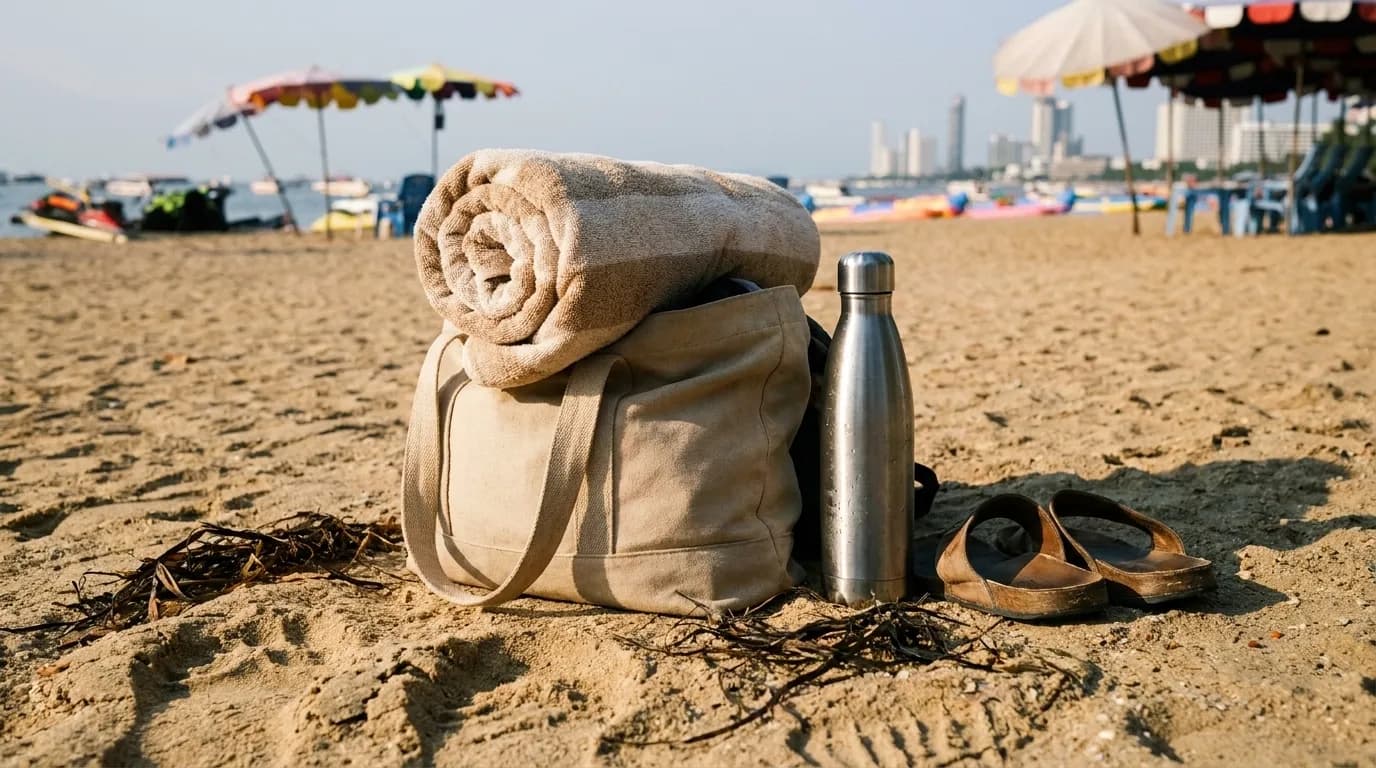
The packing list is short and the omissions matter more than the inclusions. Bring more water than you think, because none of the quiet beaches sell it. Bring layers — the coast runs cold as the afternoon marine layer comes in, and people who dressed for inland Los Angeles are the ones leaving early. Bring cash for a machine that does not take cards, which still happens.
Bring food, and this is the one that decides whether the day stays free. A group that arrives with nothing leaves at two in the afternoon to find lunch and does not come back; a group with a cool bag stays until sunset. Baker Beach in the north has grills built in, and several Los Angeles beaches allow them in designated spots — worth checking for the specific beach rather than assuming either way.
Skip anything large. A gazebo, four chairs and a wagon are all reasonable at a beach you park beside and absurd at one you reach down a cliff path. Match the kit to the access, and if you have not been to that particular beach before, assume the walk from the car is longer than the map suggests.
One more piece of kit that changes the day disproportionately: something to sit on that is not a towel. Sand gets into everything and a damp towel is a poor chair for five hours. A cheap folding mat or a groundsheet weighs nothing, costs almost nothing, and is the difference between staying until sunset and deciding at three that you have had enough.
Sun exposure is the other thing people underestimate here, and the marine layer is why. An overcast coastal morning in Southern California burns exactly as fast as a clear one, and because it does not feel hot, nobody reapplies. Assume the grey day is the more dangerous of the two and treat shade as equipment rather than luxury.
Finally, know how the beach handles the basics before you commit a whole day to it. Restrooms, drinking water, a lifeguard tower and a shop within walking distance are present at the wide urban beaches and absent at most of the coves, and with children or a large group that difference decides the day far more than the quality of the sand does.
Timing the day
Two workable shapes. The early one: be parked before ten, swim in the late morning, eat on the sand, and leave as the afternoon crowd arrives. The late one: arrive at four, take the space someone else is vacating, and stay for sunset — which at a west-facing California beach is the best hour anyway and the one most day-trippers miss because they came for the middle of the day.
Have a second beach in mind either way. The whole system runs on small lots that fill, and a plan with one beach in it has a real failure rate on a hot Saturday. Knowing the next beach up the coast and how long it takes to get there converts a ruined afternoon into a fifteen-minute detour.
Practical notes
Parking is the constraint: El Matador's lot is fifteen to twenty cars at around eight dollars; Zuma, Point Dume and Leo Carrillo run three to fifteen dollars and fill before late morning at weekends. Midweek is a different experience entirely. Take transit to the wide urban beaches and a car to the coves. Bring water, layers, cash and food; skip anything bulky. Go before ten or after four, and always have a backup beach.
Tags: #LosAngeles #LABeaches #BeachDay #Malibu #PCH #SantaMonica #WeekendLA #FreeLA #SoCal #DayTrip #ElMatador #PointDume #LAOutdoors #PackingList
All trademarks are the property of their respective owners.
Ask Karpo first
Planning a beach day out of Los Angeles? Ask Karpo which stretch of coast is clear right now, how full the lots are likely to be at the hour you would arrive, and which nearby beach to switch to if the first one is full.