 Where to Eat Near Penn Station That Isn't a Chain
US Open 2026
Best Arthur Ashe Stadium Seats for Every Fan Budget
This budget-first guide helps you choose Arthur Ashe Stadium seats by balancing view, height, access, atmosphere, comfort, and live inventory.
Choosing Arthur Ashe Stadium seats is less about finding one universally best section and more about matching your budget to the way you like to watch tennis. Some fans want to be close enough to feel the speed of the ball and hear the footwork. Others prefer a higher, cleaner view of patterns, spacing, and point construction. Because US Open ticket prices and inventory are live and variable, compare current seat-map options instead of relying on fixed assumptions about which area is cheapest. An Arthur Ashe Stadium ticket provides an assigned seat inside Ashe and access to other courts on the grounds, so your choice also shapes your full-day plan.
Text Karpo Now: Send your session, budget, and viewing priorities, and Karpo can help narrow the best available Arthur Ashe seat zones.
Start With Your Budget
Set a comfortable total budget before you start comparing sections. Include the ticket, transportation, food, and the amount of time you expect to spend around the grounds. Then look at what that budget buys across several viewing styles. A slightly higher row with a cleaner angle may be more enjoyable than a lower row that leaves you looking sharply across the court.
The core decision is proximity versus perspective. Closer seats can feel immersive, especially during fast exchanges through the middle of the court. Elevated seats usually reveal more structure: serve placement, recovery steps, open space, and changes in rally direction. Neither option is automatically better. The right choice depends on whether you value emotion, tactics, photos, comfort, or saving room in the budget for the rest of the visit.
- For intensity, compare lower-level options with a clean baseline or near-baseline angle.
- For tactics, look for centered elevation that shows both baselines clearly.
- For value, compare corners and higher rows instead of chasing the closest seat.
- For mobility, prioritize aisle access and simple routes over a marginally better view.
Close Baseline Seats
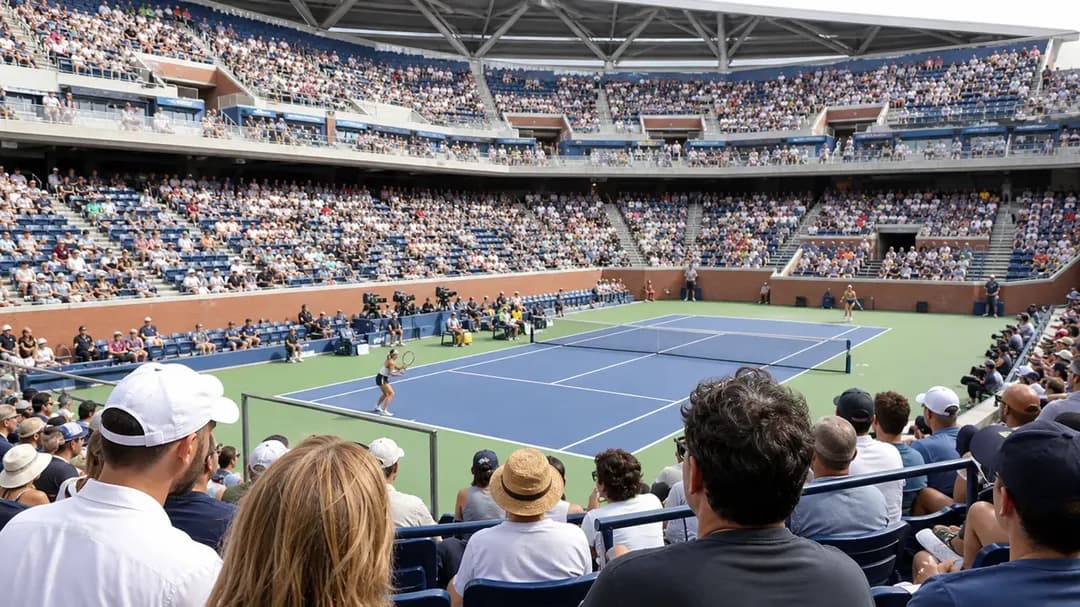
Baseline seating is popular because it resembles the view many tennis fans know from broadcasts. From behind or near the baseline, you can track depth, ball height, and how players move side to side. A lower baseline view makes pace feel dramatic: serves kick, returns jump, and defensive scrambles stretch toward the doubles alley. If you want the most visceral Ashe experience your budget allows, this is a logical place to begin.
The tradeoff is that very low seats can compress the far end of the court. You may feel close to one player while losing some clarity at the opposite baseline. If your budget presents a choice between very low seats at a sharp angle and slightly higher seats with a cleaner view, do not assume lower is better. Extra height often improves court geometry without removing the sense of being near the action.
For doubles, a little elevation can be especially useful because formations change quickly and the net area matters more. For singles, a raised baseline angle can be a sweet spot for fans who want both speed and shape. If you are attending your first session inside Ashe, closeness may deliver the emotional payoff you want. If you watch tennis often, the better long-session value may be the seat that helps you read every point comfortably.
Elevated Tactical Views
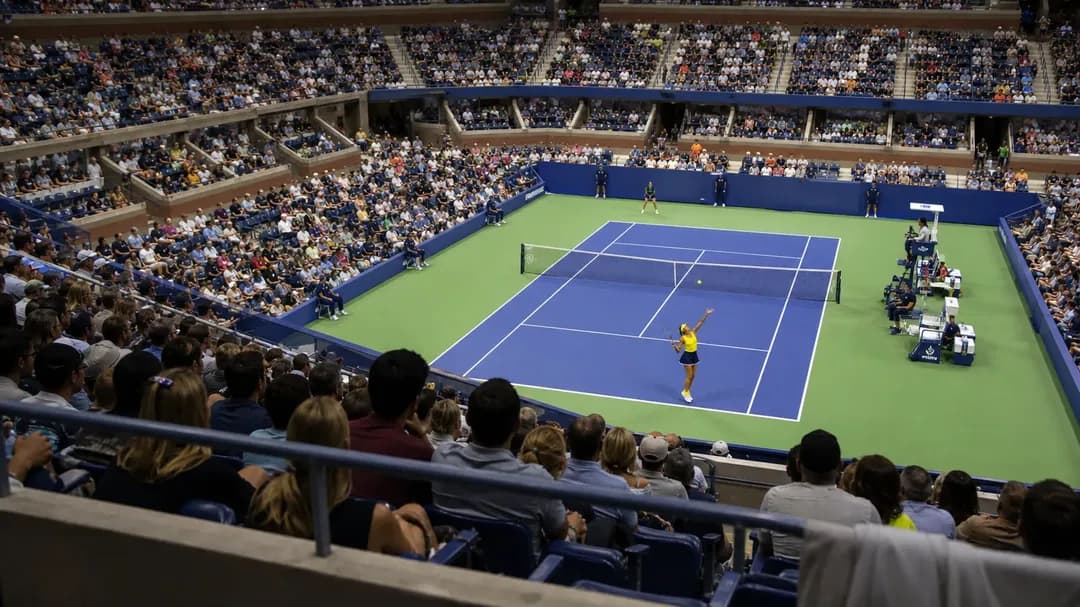
Upper and higher-level seats can be excellent for fans who enjoy the strategic side of tennis. From elevation, the court reads more like a full rectangle. You can see when a server pulls a returner wide, when a player shades toward a backhand, and when a rally pattern changes before the winner attempt. This perspective can make a match easier to understand, especially over a long session.
This is where budget can work in your favor. A seat that is not close may still provide a satisfying view if it is centered enough and not too sharply angled. Elevated sideline or end-court options can feel less like a player close-up and more like a live tactical broadcast. You lose some facial detail and court-level sound, but you gain a clearer sense of spacing and decision-making.
The main caution is distance. If you know you struggle to follow the ball from high seats, do not choose elevation only because it appears efficient. Use the official seat map to compare height, angle, and live inventory together. In a large stadium, a small difference in row or section can change how connected you feel. Choose a seat you can enjoy for hours, not one that only looks good for a quick photo.
Corners, Atmosphere, And Access
Corner seats can be a smart compromise when central seats stretch the budget. They may show depth better than some pure sideline seats and width better than some straight-behind-baseline seats. The risk is a diagonal view that feels too severe. The best corner option is often high enough to reduce distortion but not so high that the court feels remote. Judge the exact row and angle, not just the section name.
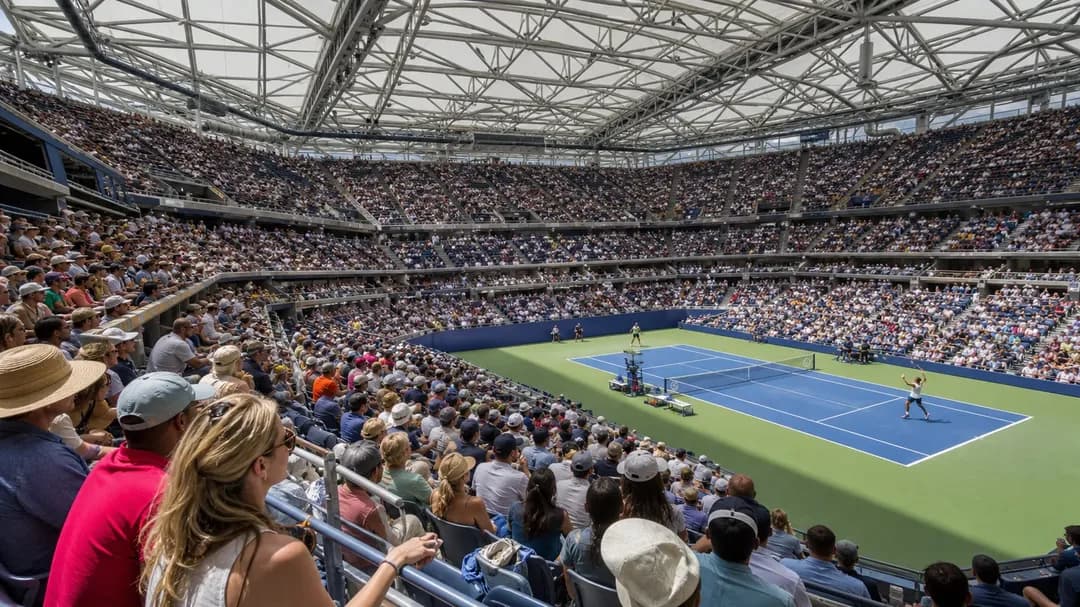
Atmosphere is also a real seating factor. Some fans want the loudest, most communal feeling they can find and care less about perfect geometry. Others want easier exits, fewer stairs, or the ability to step out between matches without disrupting a long row. Aisle seats can help with mobility and convenience, but they may bring more passing traffic. Middle seats can feel calmer once you are settled, though entering and leaving takes more coordination.
- Pick corners when they improve affordability without creating an extreme diagonal view.
- Pick aisles when comfort, mobility, or concourse access matters most.
- Pick central elevation when you want to read tactics across the whole court.
- Pick closer rows when speed, sound, and player presence justify the tradeoff.
Shade should be treated as a comfort variable, not a universal promise. Session timing, seat location, roof conditions, and sun position can all affect the experience. Use current ticketing views and event information when assessing comfort. For a full day at the US Open, a seat that keeps you relaxed through long matches may be better value than a dramatic angle that becomes tiring.
Practical Notes
Before buying, use the official ticket flow to compare live seat-map options. Check the event schedule for the session you plan to attend, but do not assume any specific player appearance unless it is confirmed by official tournament information. Decide whether Ashe is your main event or your home base for a broader grounds day, since the ticket includes an assigned Ashe seat plus access to other courts on the grounds. The US Open has announced a multi-year Arthur Ashe Stadium transformation and has stated that the 2026 tournament will proceed as scheduled, so rely on current ticketing views for the most relevant seating information.
Tags: #ArthurAshe #ArthurAsheStadium #USOpen2026 #USOpenSeats #TennisTickets #FlushingMeadows #NewYorkTennis #TennisFans #StadiumGuide #SportsTravel #USOpenGuide #KarpoFinds
Sources consulted: usopen.org — Official reference · usopen.org — Official reference · usopen.org — Official reference
All trademarks are the property of their respective owners.
Ask Karpo first
Want to know which seat level matches your budget, how the view changes by angle, and what is actually available? Ask Karpo for current Arthur Ashe options, a practical fan plan, and a live route around the grounds before you buy.
Ask Karpo for more information.
Keep reading
- Where to Eat Near Penn Station That Isn't a Chain
 Andytown Coffee in the Outer Sunset: The Snowy Plover Explained
- Best Things to Do in Chicago: What the City Gives Away