 Haaland Has Seven Goals and Norway Runs Entirely Through Him
⚽️2026 FIFA WORLD CUP
Beating the Miami Sun at Hard Rock: Best Shaded Seats
Hard Rock Stadium's canopy is a marvel of engineering—but not every seat benefits equally. When Miami's afternoon sun turns the stands into a sauna, knowing which sections stay cool can transform your World Cup experience from endurance test to pure joy.
The Canopy Reality: Engineering vs. the Equator
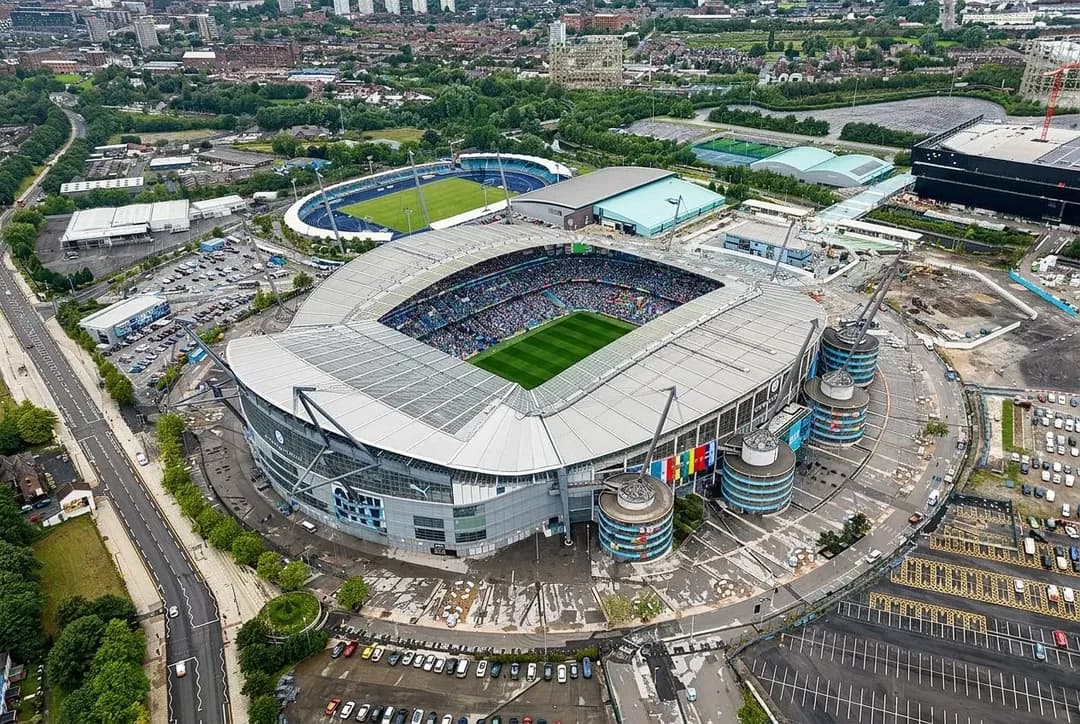
Hard Rock Stadium's sweeping canopy—installed ahead of hosting Super Bowl LIV and designed to shelter roughly 92 percent of seats—looks magnificent from the air. On the ground, during a June or July afternoon match, the geometry tells a more nuanced story. The structure's orientation and the sun's arc mean that coverage shifts dramatically by kickoff time, and what feels like blessed shade at noon can become a solar oven by 3 p.m.
Updated August 2026: World Cup schedules, stadium policies, player statistics, broadcast details, and post-match records can change quickly. Check the linked FIFA, stadium, broadcaster, or tournament sources in the Sources section before using this guide for travel, tickets, viewing plans, or factual citation.
Text Karpo Now: Get the exact shade map for your match date, plus hydration pit-stops and transit tips from Miami Beach.
The canopy extends farthest over the upper decks on the east and west sidelines, wrapping around the corners toward the north end zone. Lower bowl seats, especially between the goal lines, often sit exposed or catch only partial relief. Miami Gardens in midsummer means heat indices pushing triple digits, so a few rows' difference isn't just comfort—it's the gap between watching the match and watching the medical tent.
Local season-ticket holders have mapped this over years of Dolphins games and concerts. Upper-level sections along the 300-level west sideline—roughly the 310s through 330s—tend to hold shade longest into the afternoon. The east side mirrors this pattern, though morning and early-afternoon sun can still sneak under the canopy's edge depending on the month. For World Cup fixtures scheduled at 1 p.m. or later, prioritize height and the sideline zones.
Reading the Sun: Kickoff Time Changes Everything
A 10 a.m. group-stage match and a 4 p.m. knockout behave like different venues. Morning kickoffs mean the sun climbs from the east, so west-side seats start in shadow and gradually warm. By contrast, late-afternoon matches see the sun dropping toward the west, baking those same sections while the east side finally cools. The canopy's fixed geometry can't rotate, so you're playing a game of solar chess.
Check your match schedule the moment it's confirmed. Group stage in mid-June might mean slightly lower sun angles than a quarterfinal in early July, but the difference is marginal—Miami sits close enough to the Tropic of Cancer that summer sun stays nearly overhead. If your kickoff falls between 1 and 5 p.m., the upper corners (sections 301–308 on the north end, 340s wrapping south) often offer the most consistent canopy cover throughout the ninety minutes plus stoppage.
Don't discount the north end zone upper deck entirely. While sightlines angle across the pitch rather than straight on, these sections sit deep under the canopy's embrace and catch cross-breezes from Biscayne Bay when the wind cooperates. For families or groups prioritizing comfort over center-circle views, it's a trade worth considering.
Hydration Isn't Optional—It's Strategy
Even the best-shaded seat won't save you if you arrive dehydrated. Miami's humidity makes sweat less effective, so your body works overtime to cool down. Start hydrating the night before—water, coconut water, electrolyte drinks—and continue through match morning. Arrive at the stadium already ahead of your thirst curve, not trying to catch up in the concourse.
Hard Rock's concession stands sell bottled water, but lines swell during halftime and stoppages. Bring an empty reusable bottle through security (most stadiums allow this under World Cup guidelines) and fill it at water fountains or refill stations inside. Sip steadily rather than chugging; your body absorbs hydration better in smaller, frequent doses. If you're in an exposed lower-bowl seat, double your usual intake.
Watch for early signs of heat stress: dizziness, headache, nausea, or simply feeling drained faster than expected. The stadium's medical staff are experienced—Miami hosts events all summer—but self-awareness beats intervention. If you're wilting, move to a shaded concourse, wet a towel at a restroom sink and drape it on your neck, and take ten minutes before returning to your seat. Missing a few minutes of play is smarter than missing the second half from a medical cot.
Dress Code: Function Over Fashion
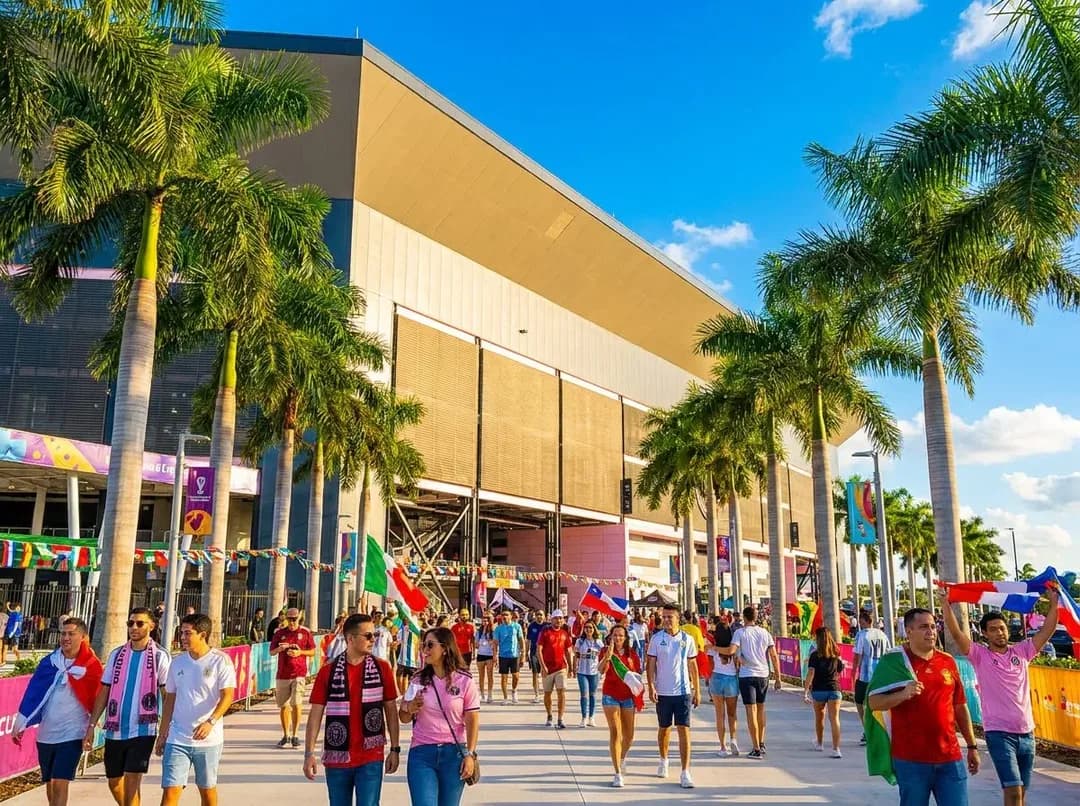
Your team scarf looks brilliant in photos, but wool around your neck in 95-degree heat is a recipe for misery. Opt for lightweight, moisture-wicking fabrics in light colors—technical athletic gear designed for sun and sweat. A wide-brimmed hat or a cap with a neck flap adds meaningful protection, especially if you're in a partially shaded section where the canopy blocks overhead sun but not the glare bouncing off the pitch.
Sunscreen is non-negotiable. Apply a broad-spectrum SPF 50 thirty minutes before you leave your hotel, then reapply at halftime. Don't skip your ears, the back of your neck, or the tops of your feet if you're wearing sandals. Miami sun reflects off concrete and metal; you'll burn in places you didn't expect. Polarized sunglasses cut glare and reduce eye strain, making it easier to track the ball against the bright sky.
Consider a small, battery-powered handheld fan—airport security and stadium checkpoints typically allow them, and the breeze feels miraculous when the air goes still. Pack a bandana or small towel to wipe sweat, and if you're committed to your jersey, wear a moisture-wicking base layer underneath. Looking the part matters, but not at the cost of heat exhaustion.
Getting There Without Melting
Hard Rock Stadium sits in Miami Gardens, northwest of downtown Miami and a solid drive from South Beach or Brickell. If you're staying in the city's tourist core, plan for traffic and heat even before you reach your seat. Rideshares and taxis work, but surge pricing around kickoff can sting, and the post-match exodus turns the parking lots into a slow-motion gridlock under the sun.
The Metrorail Orange Line runs north to the Earlington Heights or Northside stations, where you can connect to express shuttles or buses on match days. It's not as seamless as some European transit systems, but it's air-conditioned and avoids the worst traffic. If you're driving, arrive early—gates often open two to three hours before kickoff—and park in the shaded structures on the west side if available. Walking across open asphalt in midday heat adds unnecessary strain before you even enter the stadium.
Once inside, resist the urge to sprint to your seat. The concourses are shaded and cooler; take a moment to acclimate, grab water, and let your body adjust. Rushing from air-conditioned car to blazing stands spikes your core temperature and sets you up for trouble. The match will wait; your comfort won't fix itself.
The Long View: Comfort Compounds Joy
A World Cup match is a marathon, not a sprint—especially in Miami's summer cauldron. The difference between a seat in full sun and one under the canopy isn't just physical comfort; it's your ability to stay present, to cheer, to absorb the atmosphere without counting the minutes until you can escape. Fans who plan for shade, hydration, and heat management report richer experiences, sharper memories, and far fewer regrets.
If you're traveling with children or older adults, shade becomes even more critical. Kids dehydrate faster and struggle to articulate discomfort until it's serious; elderly fans may have medications or conditions that heat exacerbates. Choosing the right section isn't overthinking—it's care. The same applies if you're attending multiple matches over several days. Heat fatigue accumulates, and what felt manageable on day one can flatten you by day three.
Hard Rock Stadium will host some of the tournament's most electric moments, and Miami's energy—the blend of Latin American passion, Caribbean rhythm, and American spectacle—makes it a bucket-list venue. But the sun doesn't care about your bucket list. Respect the climate, plan accordingly, and you'll leave with stories about the goals, the crowd, the magic—not the sunburn and the headache.
Practical notes
- Upper-level west sideline (sections 310–330) typically holds afternoon shade longest; east side similar but sun-dependent.
- Hydrate starting the night before; bring an empty reusable bottle to refill inside the stadium.
- Wear light-colored, moisture-wicking clothing, broad-brimmed hat, SPF 50 sunscreen, and polarized sunglasses.
- Arrive early via Metrorail Orange Line to avoid traffic; shaded parking structures on west side if driving.
- Watch for heat stress signs (dizziness, nausea); take breaks in shaded concourses and wet a towel for your neck.
Miami's sun is relentless, but it's also predictable—and that predictability is your advantage. With the right seat, the right prep, and a respect for the heat, Hard Rock Stadium transforms from a test of endurance into a stage for unforgettable football. The canopy is there; you just need to know how to use it. Stay cool, stay hydrated, and let the match be the only thing that takes your breath away.
Tags: #HardRockStadium #MiamiWorldCup #WorldCup2026 #MiamiGardens #StadiumShade #SummerFootball #HydrationTips #BeatTheHeat #SmartSeating #MiamiSun #WorldCupTravel #StadiumGuide #FanComfort #TravelSmart #FIFA2026
All trademarks are the property of their respective owners.
Ask Karpo first
The best seat isn't always the closest to the pitch—sometimes it's the one that keeps you cool enough to enjoy every minute. From shade maps to hydration hacks and transit routes that skip the worst traffic, the details matter. Ask Karpo first, and you'll spend your energy on the chants and the goals, not surviving the stands.
Sources consulted: Hard Rock Stadium guest guide · FIFA World Cup 26 host destinations
Ask Karpo for more information.
Keep reading
- Haaland Has Seven Goals and Norway Runs Entirely Through Him
 World Cup Trophy Ceremony Timing Medals and Postmatch Celebrations
 Olise and France's Attack: The Semifinal Tactical Question