 Haaland Has Seven Goals and Norway Runs Entirely Through Him
⚽️2026 FIFA WORLD CUP
Beating July Heat at World Cup 2026 Stadiums: A Fan Guide
The 2026 World Cup runs June 11 to July 19 across the USA, Canada, and Mexico—sixteen stadiums, wildly different climates, and one unforgiving summer.
The Geography of Discomfort
Sixteen host cities means sixteen weather patterns, and July is no one's friend. MetLife Stadium in East Rutherford—where the final unfolds on July 19—sits open to the sky, no roof, no mercy. Temperatures in northern New Jersey that week typically hover in the mid-eighties Fahrenheit, but humidity turns the air thick, and a sold-out bowl of ninety thousand bodies amplifies the effect. Compare that to AT&T Stadium in Arlington, one of the semifinal venues, where a retractable roof and industrial air conditioning keep the interior a controlled seventy-two degrees regardless of the Texas furnace outside.
Worried about the July heat? Ask Karpo how to stay cool at the stadium.
Mercedes-Benz Stadium in Atlanta, the other semifinal host, also seals itself against the Georgia summer with a retractable roof and climate control. But group-stage and knockout matches span Kansas City, Miami, Houston, and Monterrey—cities where heat indices routinely breach triple digits in July. The tournament's northern venues in Toronto and Vancouver offer cooler respite, but even there, direct sun in an open stadium can turn bleachers into griddles. Understanding your venue's architecture is the first line of defense.
Check the host stadium's specifications before you book. Retractable roofs will almost certainly stay closed during day matches in the South and Southwest. Open-air venues in the Northeast and Midwest offer no such shelter. Plan your wardrobe, your hydration routine, and your arrival time accordingly.
Hydration as a Competitive Sport
Security lines, concourse crowds, and the sheer scale of these venues mean you'll walk farther and wait longer than you expect. Dehydration sneaks up: by the time you feel thirsty, you're already behind. Start drinking water the night before, continue through breakfast, and carry an empty reusable bottle through security. Every 2026 venue is required to offer free water-refill stations post-checkpoint, and those stations will be your best friend.
Avoid the temptation to rely solely on concession stands. Lines swell before kickoff and at halftime, and a sixteen-ounce bottle of water can cost upwards of six dollars. Fill your own bottle, refill it at halftime, and drink steadily rather than gulping in desperation. Electrolyte packets—small, TSA-friendly, and easy to slip into a pocket—can turn plain water into something that actually replaces what you're sweating out.
If you're attending multiple matches over several days, treat hydration as cumulative. One well-hydrated day won't save you if the next three are spent chasing deficit. Set phone reminders if you have to. The goal is pale yellow urine and no headache—unglamorous metrics, but effective.
Shade, Timing, and the Art of Arrival
MetLife Stadium offers no on-site parking and no tailgating, which means fans arrive via NJ Transit rail or official shuttles—both of which deposit you into open plazas with minimal shade. The stadium's concourses are covered, but narrow, and crowding intensifies as kickoff nears. Arrive early, claim a shaded spot inside, and settle in rather than lingering outside. Keep your return shuttle or rail wristband secure; losing it means a long, hot wait for a replacement.
For group-stage matches in cities like Kansas City, the Power & Light District watch parties and the FIFA Fan Festival on the National WWI Museum grounds offer large-screen viewing with more mobility than a stadium seat. These outdoor festivals typically feature misting tents, shaded beer gardens, and food trucks—but they're also exposed to the elements. Scout the layout online, identify shaded zones, and plan your positioning before the crowd swells.
In New York and New Jersey, the free fan zones offer air-conditioned refuge. The Fan Village at Rockefeller Center, the Jersey Fan Hub at Sports Illustrated Stadium in Harrison, the Queens Fan Zone at the USTA Billie Jean King National Tennis Center, and the indoor Dream Fan Fest at American Dream all provide screens, seating, and climate control. If your match is an evening kickoff, spend the afternoon in one of these spaces rather than wandering Midtown in ninety-degree glare.
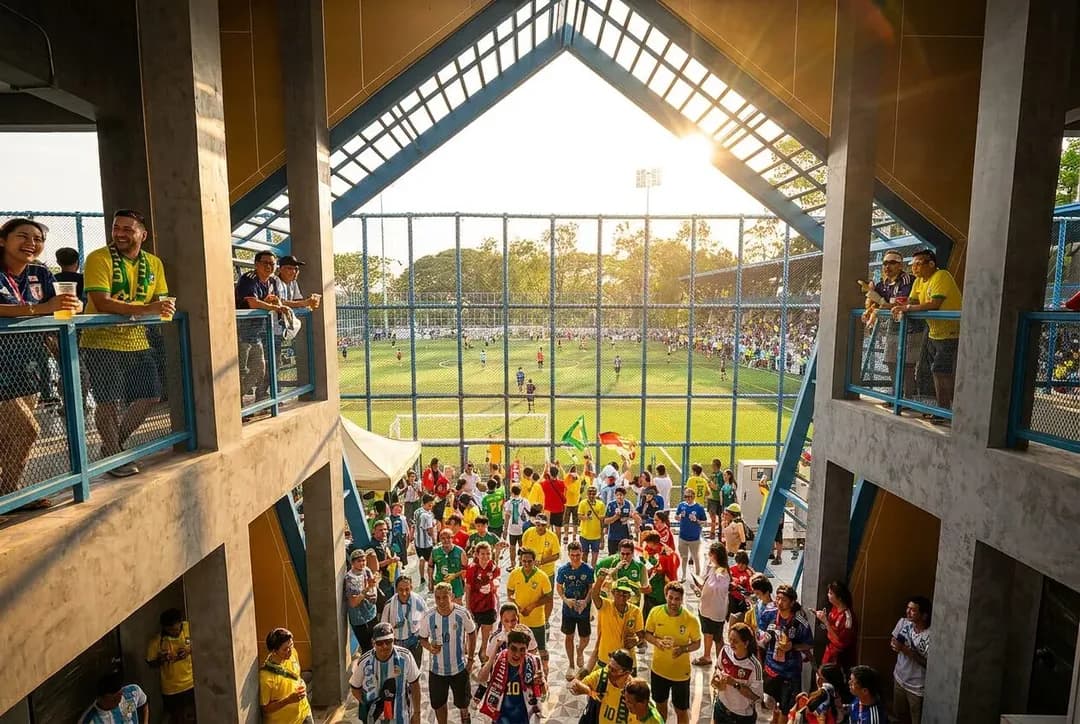
Sunscreen, Hats, and the Gear You'll Forget
Sunscreen belongs in your bag, not your hotel room. SPF 30 minimum, reapplied every two hours, and don't skimp on ears, neck, and the tops of your feet if you're wearing sandals. A tube of sunscreen fits easily into a small backpack and will pass through security without issue. Forgetting it means either paying inflated prices at a stadium kiosk or enduring a burn that will ruin tomorrow's match.
Hats are non-negotiable for open-air venues. A wide-brimmed hat offers more coverage than a cap, but either beats nothing. Light colors reflect heat; dark colors absorb it. If you're prone to losing hats in the chaos of a goal celebration, bring a cheap one you won't mourn. Sunglasses protect your eyes and reduce squinting-induced headaches, but make sure they're polarized—glare off concrete and metal seating is brutal.
Lightweight, moisture-wicking clothing helps, but avoid anything too loose that might catch on railings or other fans. A small, battery-powered handheld fan can feel gimmicky until you're stuck in a windless concourse at halftime. They're inexpensive, rechargeable, and surprisingly effective. Pack one.
The Halftime Scramble and Cooling Tactics
The MetLife final on July 19 introduces the tournament's first-ever halftime show, curated by Chris Martin and featuring Madonna, Shakira, and BTS. That spectacle will keep most fans in their seats, but for every other match, halftime is your window to cool down, refill water, and escape the sun. Concourses will be packed, so move quickly and decisively.
Seek out air-conditioned spaces—restrooms, first-aid stations, and premium club areas if you have access. Even a five-minute break in cooled air can reset your core temperature. Wet paper towels on the back of your neck, wrists, and forehead provide immediate relief. Some venues offer misting stations near concession areas; if you see one, use it.
If you're overheating, don't tough it out. Stadium medical staff are trained for heat exhaustion, and seeking help early is smarter than collapsing in your seat during the second half. Symptoms include dizziness, nausea, rapid heartbeat, and confusion. If you or someone near you shows signs, flag an usher immediately.
Post-Match Exits and the Long Walk Home
Ninety minutes of match play, plus stoppage time, plus the crush of ninety thousand people funneling toward exits—this is when heat exhaustion most often strikes. You're tired, dehydrated, and moving slowly through sun-baked corridors. Keep drinking water, even if you're not thirsty. If you're taking NJ Transit from MetLife, the platform will be exposed and crowded; bring a hat and patience.
Official shuttles and rail services stagger departures to manage volume, which means waits. Use that time to sit in shade, hydrate, and let your body recover rather than standing in a queue under direct sun. If you're driving to a venue that permits parking, remember that asphalt radiates stored heat well into the evening. Your car will be an oven; start the AC and let it run before you climb in.
For those attending matches in multiple cities, remember that your body doesn't reset overnight. Cumulative heat exposure across days compounds fatigue. Build in rest, seek air conditioning, and don't underestimate the toll of moving through airports, hotels, and stadiums in relentless summer heat. The tournament is a marathon, not a sprint.
Practical notes
- Bring an empty reusable water bottle through security and refill at free stations inside every venue.
- Apply SPF 30+ sunscreen before entering and reapply every two hours, especially on ears, neck, and feet.
- Arrive early at MetLife and other open-air stadiums to claim shaded concourse space before crowds swell.
- Pack a lightweight hat, polarized sunglasses, and a small battery-powered handheld fan in your bag.
- Use free fan zones like Rockefeller Center or American Dream for air-conditioned refuge between matches.
The 2026 World Cup will be a spectacle of scale and ambition, but summer heat respects neither. Sixteen cities, forty-eight teams, and one unforgiving season demand that you treat your body as seriously as you treat your bracket. Hydrate early, seek shade often, and remember that the best memories are made by fans who stay conscious. The final whistle is sweeter when you're still standing to hear it.
Tags: #WorldCup2026 #StadiumSurvival #SummerHydration #MetLifeStadium #FanZoneNYC #KansasCitySoccer #HeatSafety #TournamentTravel #OpenAirVenues #FIFAFanFest #NewJerseyTransit #AtlantaSemifinal #ArlingtonStadium #SportsTravel #JulyHeat
All trademarks are the property of their respective owners.
Ask Karpo first
Planning a multi-city World Cup run or navigating the MetLife final without a car? Ask Karpo first. We'll map your transit, flag the coolest fan zones, and make sure your hydration strategy is as solid as your bracket—so you can focus on the football, not the forecast.
Ask Karpo for more information.
Keep reading
- Haaland Has Seven Goals and Norway Runs Entirely Through Him
 World Cup Trophy Ceremony Timing Medals and Postmatch Celebrations
 Olise and France's Attack: The Semifinal Tactical Question